
 |
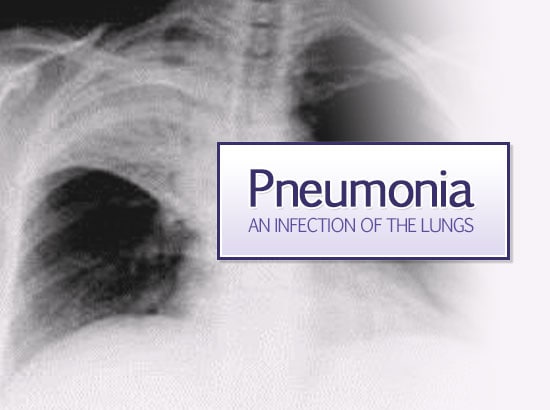
Pneumonia is an infection of the lungs that can cause mild to severe illness in people of all ages. Depending on the cause, doctors often treat pneumonia with medicine. In addition, vaccines can prevent some types of pneumonia. However, it is still the leading infectious cause of death in children younger than 5 years old worldwide. Common signs of pneumonia include cough, fever, and difficulty breathing. You can help prevent pneumonia and other respiratory infections by following good hygiene practices, such as washing your hands regularly and disinfecting frequently touched surfaces, taking good care of your medical problems, and quitting smoking. Common Causes of PneumoniaViruses, bacteria, and fungi can all cause pneumonia. In the United States, common causes of viral pneumonia are influenza and respiratory syncytial virus (RSV). A common cause of bacterial pneumonia is Streptococcus pneumoniae (pneumococcus). Pneumonia can also result from being on a ventilator, which is known as ventilator-associated pneumonia. Learn more below about the infections that commonly cause pneumonia. Etiology of Pneumonia in the Community (EPIC) StudyThree U.S. children’s hospitals, five U.S. adult medical centers, and CDC conducted the EPIC study to better understand pneumonia. The study estimated the burden of community-acquired pneumonia hospitalizations among U.S. children and adults from January 2010 – June 2012. Vaccines Can Help Prevent PneumoniaIn the United States, vaccines can help protect against some of the bacteria and viruses that can cause pneumonia. These vaccines include Lower Your Risk of PneumoniaYou are more likely to get pneumonia if you smoke or have underlying medical conditions, like diabetes or heart disease. However, you can lower your chances by taking good care of your medical problems, and quitting smoking. Management and Prevention GuidelinesCommunity-Acquired Pneumonia
Healthcare-Associated Pneumonia
Other Causes of PneumoniaSome of the less common causes of pneumonia include Syndicated Content Details:
Source URL: http://www.cdc.gov/pneumonia/index.html Source Agency: Centers for Disease Control and Prevention (CDC) Captured Date: 2016-05-23 22:36:22.0
|
|