Expert Commentary

CDC, Medscape from WebMD

CDC Expert Commentary - Pertussis Diagnosis: Avoid the Pitfalls of PCR

CDC Commentary – Pertussis Diagnosis: Avoid the Pitfalls of PCR
Learn how to optimize the use of PCR testing for pertussis by avoiding some of the more common pitfalls leading to inaccurate results.

Specimen Collection

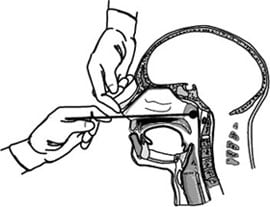
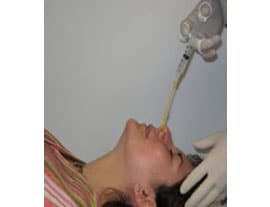
Determining who has pertussis can be difficult. Whenever possible, clinicians should obtain a nasopharyngeal (NP) swab or aspirate from all persons with suspected cases. A properly obtained NP swab or aspirate is essential for optimal results (see Figures 1 & 2).

If culture is planned, once an NP swab has been collected it should be directly plated or immediately placed into transport medium. Laboratory scientists should plate NP swabs and aspirates within 24 hours of collection. The same specimen can be used both for culture and polymerase chain reaction (PCR). With PCR, the most rapid test, the specimen should ideally be collected during the first 3 weeks of illness, but may provide accurate results for up to 4 weeks. Culture has better specificity, but takes up to 7 days to obtain results. Also, clinicians ideally need to collect the specimen during the first 2 weeks of illness.


Key Resource

Best Practices for Health Care Professionals on the use of Polymerase Chain Reaction (PCR) for Diagnosing Pertussis

Best Practices for Healthcare Professionals on the Use of Polymerase Chain Reaction (PCR) for Diagnosing Pertussis

More

Pertussis Testing Video: Collecting a Nasopharyngeal Swab Clinical Specimen


Running Time: 4:12
Released Date: Feb 2011

This video demonstrates proper techniques for collecting and transporting a pertussis clinical specimen obtained by swabbing the posterior nasopharynx.

This video is also available on YouTube in English and in Spanish.

Pertussis Testing Video: Collecting a Nasopharyngeal Aspirate Clinical Specimen

Running Time: 4:14
Released Date: Feb 2011

This video demonstrates proper techniques for collecting and transporting a pertussis clinical specimen from the posterior nasopharynx obtained by aspiration.

This video is also available on YouTube in English and in Spanish.

Proper Technique for Obtaining a Nasopharyngeal Specimen for Isolation of Bordetella pertussis

Figure 1

Collecting a Nasopharyngeal Swab Clinical Specimen in sitting position

Image: Manual for the Surveillance of Vaccine-Preventable Diseases, 2015

Figure 2

Obtaining a Nasopharyngeal Specimen for Isolation of <em>Bordetella pertussis</em> in horizontal position

Image: Courtesy of CDC

Expert Commentary

CDC, Medscape from WebMD

CDC Expert Commentary - Pertussis Diagnosis: Avoid the Pitfalls of PCR

CDC Commentary – Pertussis Diagnosis: Avoid the Pitfalls of PCR
Learn how to optimize the use of PCR testing for pertussis by avoiding some of the more common pitfalls leading to inaccurate results.

Syndicated Content Details:
Source URL: http://www.cdc.gov/pertussis/clinical/diagnostic-testing/specimen-collection.html
Source Agency: Centers for Disease Control and Prevention (CDC)
Captured Date: 2016-05-23 22:50:03.0


Terms of Use | Privacy Policy
©2017 ARCHES Technology. All Rights Reserved.