Dengue is a virus spread by mosquito bites. If you live in or travel to a tropical or sub-tropical area, protect yourself by preventing mosquito bites.
Each year, an estimated 390 million people are infected with dengue virus. About 100 million get sick. Outbreaks have occurred in Southeast Asia, the Western Pacific, the Eastern Mediterranean, the Americas, the Caribbean, and Africa.
Signs and Symptoms of Dengue
Most people infected have mild or no symptoms. About 1 in 4 people infected with dengue will get sick. Mild symptoms of dengue may be confused with other illnesses that cause fever and flu-like illness. Most people will recover after about one week.
Global risk of dengue.
The most common symptoms are fever and one or more of the following:
Headache
Eye pain (typically behind the eyes)
Muscle, joint, or bone pain
Rash
Nausea and vomiting
Unusual bleeding (nose or gum bleed, small red spots under the skin, or unusual bruising)
Severe dengue is an emergency. Recognize the warning signs.
Warning signs: Watch for signs and symptoms of severe dengue to develop 24-48 hours after fever goes away.
If you or a family member develops any of these warning signs, go to a local clinic or emergency room immediately:
Severe stomach pain or vomiting (at least 3 vomiting episodes within 24 hours)
Bleeding from the nose or gums
Vomiting blood or blood in the stool
Drowsiness or irritability
Pale, cold, or clammy skin
Difficulty breathing
If you think you may have dengue
See your healthcare provider.
Your healthcare provider may order tests to look for dengue or similar viruses, like chikungunya or Zika.
If you are sick with dengue
Take acetaminophen or paracetamol to control fever and relieve pain. Do not take aspirin or ibuprofen.
Get plenty of rest and drink fluids to prevent dehydration.
During the first week of infection, dengue virus can be found in your blood. If a mosquito bites you, it can become infected and spread the virus to other people through bites. To help prevent others from getting sick, protect yourself from mosquito bites during the first week of illness.
Rest in a screened or air-conditioned room or under a bed net while you have a fever.
Prevent Dengue
No vaccine is available in the United States.
No medicine is available to treat dengue.
Avoid infection by preventing mosquito bites. Mosquitoes that spread dengue virus bite during the day and night.
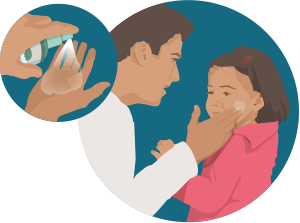
Dress your child in clothing that covers arms and legs.
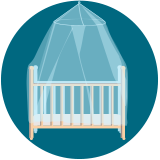
Cover crib, stroller, and baby carrier with mosquito netting.
Wear long-sleeved shirts and long pants
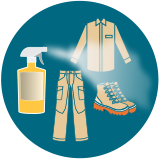
Treat items, such as boots, pants, socks, and tents, with permethrin* or buy permethrin-treated clothing and gear.
Permethrin-treated clothing will protect you after multiple washings. See product information to find out how long the protection will last.
If treating items yourself, follow the product instructions.
Do not use permethrin products directly on skin.
*In some places, such as Puerto Rico, where permethrin products have been used for years in mosquito control efforts, mosquitoes have become resistant to it. In areas with high levels of resistance, use of permethrin is not likely to be effective.
Take steps to control mosquitoes inside and outside your home
Use screens on windows and doors. Repair holes in screens to keep mosquitoes outside.
Use air conditioning when available.
Sleep under a mosquito bed net if air conditioned or screened rooms are not available or if sleeping outdoors.
Once a week, empty and scrub, turn over, cover, or throw out items that hold water, such as tires, buckets, planters, toys, pools, birdbaths, flowerpots, or trash containers. Check inside and outside your home. Mosquitoes lay eggs near water.


 Dengue is a virus spread by mosquito bites. If you live in or travel to a tropical or sub-tropical area, protect yourself by preventing mosquito bites.