
 |
Foodborne Germs and IllnessesWhat Causes Food Poisoning?Many different disease-causing germs can contaminate foods, so there are many different foodborne infections. CDC estimates that each year 48 million people get sick from a foodborne illness, 128,000 are hospitalized, and 3,000 die.
Do I Have Food Poisoning?
Common symptoms of foodborne diseases are nausea, vomiting, stomach cramps, and diarrhea. However, symptoms may differ among the different types of foodborne diseases. Symptoms can sometimes be severe and some foodborne illnesses can even be life-threatening. Although anyone can get a foodborne illness, some people are more likely to develop one. Those groups include:
Most people with a foodborne illness get better without medical treatment, but people with severe symptoms should see their doctor. Learn more about food poisoning symptoms >> Some Important Foodborne Germs
Clostridium perfringens The top five germs that cause illnesses from food eaten in the United States are:
Some other germs don’t cause as many illnesses, but when they do, the illnesses are more likely to lead to hospitalization. Those germs include: 
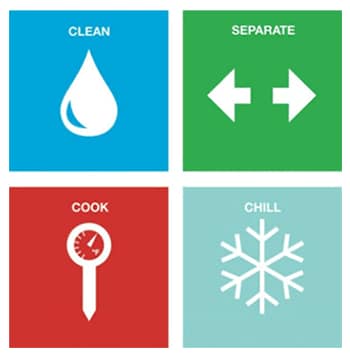
Escherichia coli How Can I Keep Food Safe? Anyone can get sick from eating contaminated food. Learn the four simple food safety steps – clean, separate, cook, and chill – to lower your chance of food poisoning and to protect yourself and your loved ones. Syndicated Content Details:
Source URL: http://www.cdc.gov/foodsafety/foodborne-germs.html Source Agency: Centers for Disease Control and Prevention (CDC) Captured Date: 2016-05-23 23:14:25.0
|
|