
 |
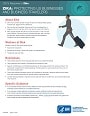
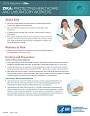
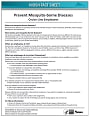
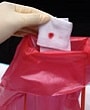
Zika VirusKey Worker ResourcesUpdated May 30, 2017: OSHA/NIOSH Interim Guidance for Protecting Workers from Occupational Exposure to Zika Virus NIOSH Zika: Protecting Outdoor Workers NIOSH Zika: Protecting US Businesses and Business Travelers NIOSH Zika: Protecting Healthcare and Laboratory Workers Reminder about Preventing Sharps Injuries and the Zika Virus 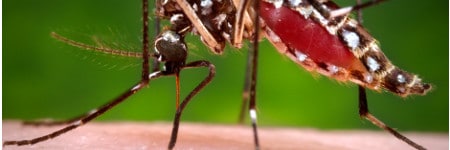
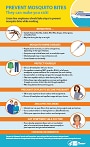
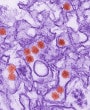
Protecting workers from mosquito bites can prevent diseases. Zika virus disease (Zika) is caused by the Zika virus and is spread to people primarily from the bite of an infected Aedes species mosquito. These mosquitoes bite most actively in the daytime but also bite at night. There is currently no vaccine to prevent Zika infection. NIOSH and OSHA developed guidance for protecting workers from occupational exposure to Zika virus. NIOSH has also developed fact sheets for outdoor workers, U.S. businesses and business travelers, healthcare and laboratory workers, and a fact sheet and poster for cruise ship workers. For updated Zika information visit CDC Zika. Which workers are at risk?Information for all workers at risk is available at OSHA/NIOSH Interim Zika Guidance for Protecting Workers. Workers at risk include:
What are the symptoms?Most people with Zika do not become ill and may not realize they have been infected. If symptoms do occur, they most commonly
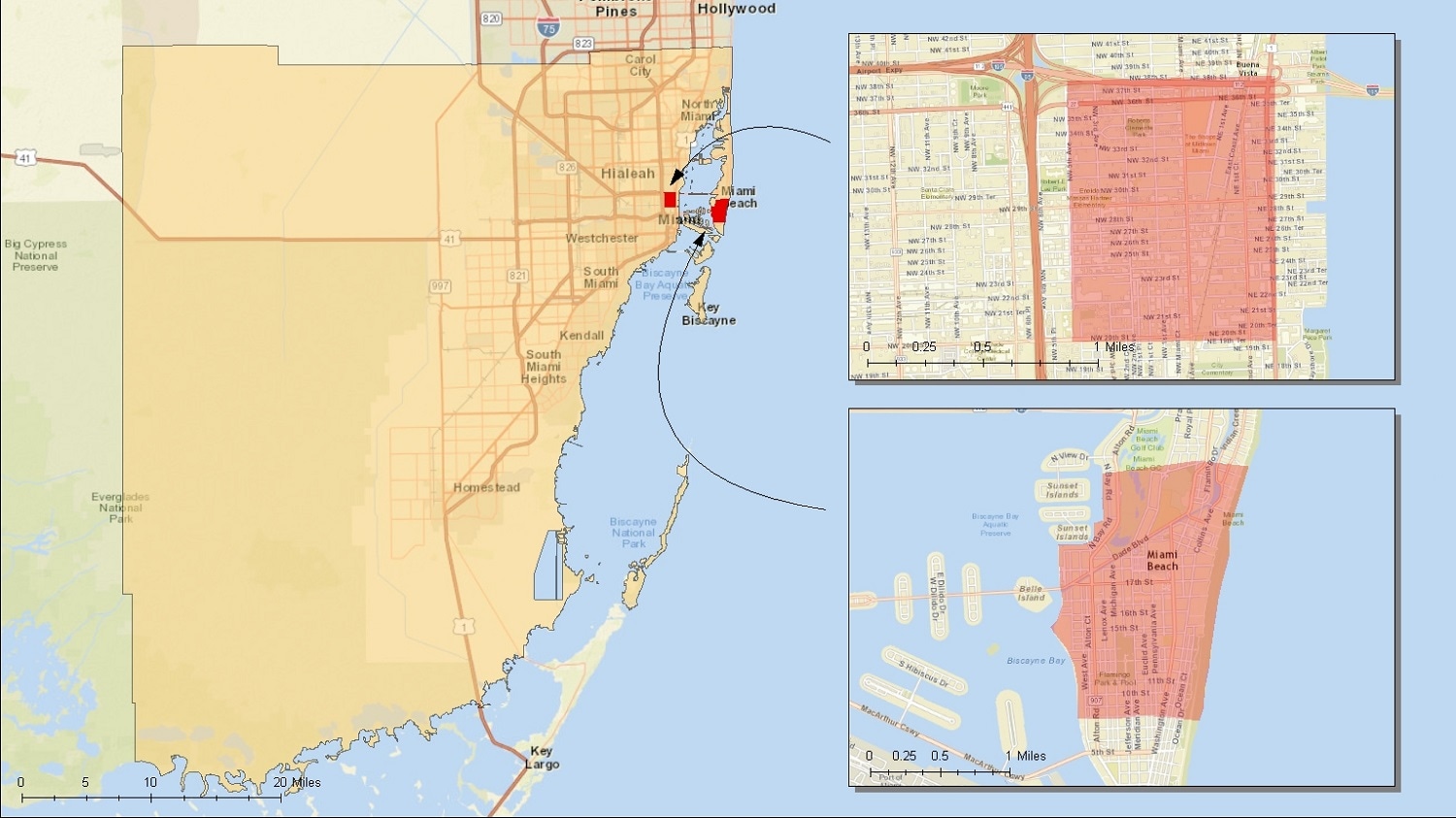
People usually do not get sick enough to go to the hospital, and they rarely die of Zika. Where are workers at risk?Workers at risk include those who work in or travel to areas with Zika . Local transmission of Zika virus has been reported in two areas of Miami, Florida, three U.S. territories: the Commonwealth of Puerto Rico, the U.S. Virgin Islands, and American Samoa, and multiple countries. For the most current information about where Zika is found, visit the CDC Areas with Zika and Zika Travel Information. Those who work or travel in an area with Zika should take steps to prevent Zika. Zika and Sexual Transmission
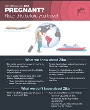
Are pregnant women at special risk?
USAID Zika Grand Challenge for DevelopmentThe U.S. Agency for International Development (USAID) launched “Combating Zika and Future Threats: A Grand Challenge for Development” to encourage ideas and innovations to help reduce the spread and impact of Zika virus and other infectious disease outbreaks. Results of the Grand Challenge are available. Resources
Syndicated Content Details:
Source URL: http://www.cdc.gov/niosh/topics/outdoor/mosquito-borne/zika.html Source Agency: Centers for Disease Control and Prevention (CDC) Captured Date: 2016-06-02 14:44:52.0
|
 NIOSH Science Blog:


|