
 |
Zika Training for Healthcare ProvidersGrand Rounds PresentationsZika Virus and Pregnancy: For Obstetric Healthcare ProvidersCDC developed slides and a facilitation guide about Zika virus for obstetric healthcare providers that can be used for grand rounds and other presentations. This presentation covers the following topics
Zika Grand Rounds Facilitation Guide & FAQs: Pregnancy Zika Virus and Infants: A Primer for PediatriciansCDC developed slides and a facilitation guide about Zika virus for pediatricians that can be used for grand rounds and other presentations. This presentation covers the following topics
Zika Grand Rounds Facilitation Guide & FAQs: Pediatrics Zika Virus: A Primer for NursesCDC developed slides and a facilitation guide about Zika virus for nurses that can be used for grand rounds and other presentations. This presentation covers the following topics
Zika Grand Rounds Facilitation Guide and FAQs: Nursing Zika Education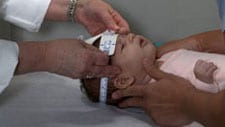
Measuring Infant Head Circumference: An instructional video for healthcare providersThis video demonstrates how to measure the head circumference of an infant. Measuring head circumference is a primary way to determine the presence of microcephaly, which is important during this Zika outbreak. It is intended to help clinicians evaluate babies born to mothers infected with Zika virus. 
CDC/AMA Webinar: Preparing for Zika Transmission in the USCDC Medical Epidemiologist Susan Hills, MBBS, MTH, presents an update on the epidemiologic and clinical aspects of the Zika outbreak. CDC Medical Officer Kiran Perkins, MD, MPH, also presents on the implications for pregnant women, including CDC’s updated interim clinical guidance. 
Webcast: Clinical Evaluation & Management of Infants with Congenital Zika Infection (July 21 and July 22, 2016)During this meeting, pediatric health specialists, non-governmental partners, and federal officials gathered at CDC to discuss clinical evaluation and management of infants with congenital Zika virus infection in the United States. CDC considered discussions on clinical evaluation and management when developing interim guidance for healthcare providers. 
Clinician Outreach and Communication Activity (COCA) Calls/WebinarsDuring COCA Calls/Webinars, subject matter experts present key emergency preparedness and response topics, followed by meaningful Q&A with participants. Each COCA Call/Webinar will offer the most up to date information and guidance for clinicians. Continuing Education is available for most calls/webinars.
Morbidity and Mortality Weekly Reports (MMWR)A list of all published Zika-related reports. Continuing education is available for all MMWR reports. Zika Virus: Information for CliniciansInformation for clinicians on Zika virus epidemiology, diagnoses and testing, case reporting, and clinical guidance and patient management. 
CDC TRAIN – Zika Training ActivitiesCDC TRAIN provides free access to thousands of courses, more than 1,000 of which were developed by CDC programs and funded partners. Courses in CDC TRAIN are available on a wide array of public health and health care topics and in a variety of formats, including classroom training, webinars, and online self-study options. Many offer free continuing education. These links do not constitute an endorsement by Centers for Disease Control and Prevention (CDC). Only courses offered by CDC Course Providers have been verified and approved by CDC. Patient Care
A CDC Update for Clinicians on Zika Virus Disease (video)Dr. Joanne Cono, MD, ScM, Director of the Office of Science Quality of the CDC gave a live presentation regarding the latest Zika information available and answered a myriad of questions from your fellow health care practitioners. 
Zika for Pediatricians: Critical Update (video)Dr. Matt Karwowski, a pediatrician with the Pregnancy and Birth Defects Team for CDC’s 2016 Zika Virus Response, reviews what we know about Zika virus and congenital microcephaly and other birth defects. He also discusses CDC’s guidelines for healthcare providers caring for infants and children with possible Zika virus infection. 
Medscape Expert Commentary: Advising Pregnant Women About Zika (video)Dr. Titilope Oduyebo, an obstetrician-gynecologist from CDC’s Pregnancy and Birth Defects team, gives key insight into the Zika virus. She discusses what we know about Zika virus infection during pregnancy, and reviews CDC’s current recommendations for screening, testing, and management of women with possible Zika virus exposure. 
US Zika Pregnancy Registry: How to ParticipateMargaret Lampe, RN, MPH, a nurse scientist with the Pregnancy and Birth Defects Task Force for CDC’s 2016 Zika virus response shares an overview of the US Zika Pregnancy Registry and how to participate. Syndicated Content Details:
Source URL: http://www.cdc.gov/zika/hc-providers/training/training.html Source Agency: Centers for Disease Control and Prevention (CDC) Captured Date: 2016-07-26 19:43:41.0
|

|