
 |
Fertility Issues in Boys and Men with Cancer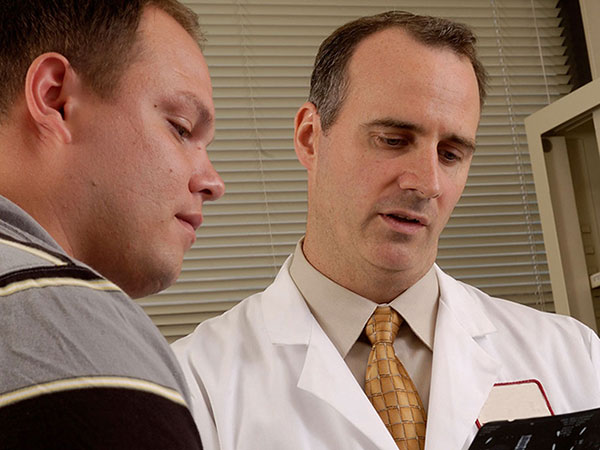
Treatment for cancer may cause changes to a boy’s or a man’s fertility.
Credit: National Cancer Institute
Many cancer treatments can affect a boy’s or a man’s fertility. Most likely, your doctor will talk with you about whether or not cancer treatment may lower fertility or cause infertility. However, not all doctors bring up this topic. Sometimes you, a family member, or parents of a child being treated for cancer may need to initiate this conversation. Whether or not your fertility is affected depends on factors such as:
It’s important to learn how the recommended cancer treatment may affect fertility before starting treatment if at all possible. Consider asking questions such as:
Learn more about managing and coping with side effects related to Sexual Health Issues in Men. Cancer Treatments May Affect Your FertilityCancer treatments are important for your future health, but they may harm reproductive organs and glands that control fertility. Changes to your fertility may be temporary or permanent. Talk with your healthcare team to learn what to expect based on your treatment(s):
Emotional Considerations and Support for Fertility IssuesFor some men, infertility can be one of the most difficult and upsetting long-term effects of cancer treatment. Although it might feel overwhelming to think about your fertility right now, most people benefit from having talked with their doctor (or their child’s doctor, when a child is being treated for cancer) about how treatment may affect their fertility and learning about options to preserve their fertility. Although most people want to have children at some point in their life, families can come together in many ways. For extra support during this time, reach out to your health care team with questions or concerns, as well as to professionally led support groups. If you are the parent of a young boy or teen with cancer, this video of fertility options for young male cancer patients from the Children's Hospital of Philadelphia may help you talk with your son and his doctor. Fertility Preservation Options for Boys and MenMen and boys with cancer have options to preserve their fertility. These procedures may be available at the hospital where you are receiving cancer treatment or at a fertility preservation clinic. Talk with your doctor about the best option(s) for you based on your age, the type of cancer you have, and the specific treatment(s) you will be receiving. The success rate, financial cost, and availability of these procedures varies.
If you choose to take steps to preserve your fertility, your doctor and a fertility specialist will work together to develop a treatment plan that includes fertility preservation procedures whenever possible. Finding More Information, Support, and Clinical TrialsThese organizations also have information about fertility-preservation options for people with cancer:
Radiation Therapy Audio TranscriptWhat Men Can Do About Changes in Sexuality and FertilityNarrator: Wondering how getting radiation therapy might impact your sex life? All men can listen to this track to learn about possible changes in sexuality. For men getting radiation therapy to the pelvic area, such as the testes or prostate, Dr. Ross will also talk about changes in fertility. Let's listen in now. Dr. Ross: One of the most common questions I get from men is "Can I have sex during radiation therapy?" The good news is most men can continue to have sex during their treatment. However, it's best to check with your doctor to make sure it's okay for you. Others ask, "Is it normal to have a low sex drive during radiation therapy?" And the answer is also yes. So, while you may be physically able to have sex, you may just not feel like it. Guys, be easy on yourselves. You may be very tired, worried, or in pain from the treatment. There are many steps you can take to stay close with your partner, other than having intercourse. You can figure out together what kind of touching feels good, such as holding, hugging, and cuddling. You can also stay close without being physical. Many couples bond by listening to music together or taking walks and holding hands. Now for questions from men who are getting radiation therapy to the pelvis. They often ask me what changes they might have after radiation therapy. Of course, this varies from person to person and depends on the type of cancer being treated. Here's what we know: Many men don't have problems having sex after radiation therapy. For other men, radiation therapy can make it more difficult to get or keep an erection. These changes can happen slowly, after completing radiation therapy. Talk with your doctor or nurse to learn what you should expect. I also receive questions from men getting radiation to the pelvis about whether or not they can have children in the future. I tell them that it's important to talk with their doctor. There are things you can do now to plan for children later. Your doctor can talk with you about sperm banking or refer you to a fertility specialist. We've covered a lot of information, so let's go over the main points: First, while it depends on the type of cancer you have, it is likely that you can continue having sex during treatment. However, some men find that they have low sex drive during this time. For men getting radiation to the pelvis, some may find it difficult to get or keep an erection. These changes can happen slowly after completing radiation therapy. Some men receiving radiation therapy to the pelvis are still able to make a woman pregnant—but some are not. So if you are getting radiation to the pelvis and would like to have children later on, talk with your doctor before you start treatment. Your doctor can help you learn about what you can do now or refer you to a fertility specialist. Some men place their sperm in a sperm bank to use later. Lastly, the best advice I can give you is to learn about all your treatment options. Ask about any side effects. And keep talking with your partner and your doctor as issues or questions come up. Posted: September 22, 2017 Syndicated Content Details:
Source URL: https://www.cancer.gov/publishedcontent/syndication/1093277.htm Source Agency: National Cancer Institute (NCI) Captured Date: 2017-09-26 20:10:25.0
|

|