Bladder Control Problems & Bedwetting in Children

Definition & Facts

What are bladder control problems in children?

Children may have a bladder control problem—also called urinary incontinence (UI)—if they leak urine by accident and are past the age of toilet training. A child may not stay dry during the day, called daytime wetting; or through the night, called bedwetting.

Children normally gain control over their bladders somewhere between ages 2 and 4—each in their own time. Occasional wetting is common even in 4- to 6-year-old children.

By age 4, when most children stay dry during the day, daytime wetting can be very upsetting and embarrassing. By ages 5 or 6, children might have a bedwetting problem if the bed is wet once or twice a week over a few months.

Most bladder control problems disappear naturally as children grow older. When needed, a health care professional can check for conditions that may lead to wetting.

Loss of urine is almost never due to laziness, a strong will, emotional problems, or poor toilet training. Parents and caregivers should always approach this problem with understanding and patience.

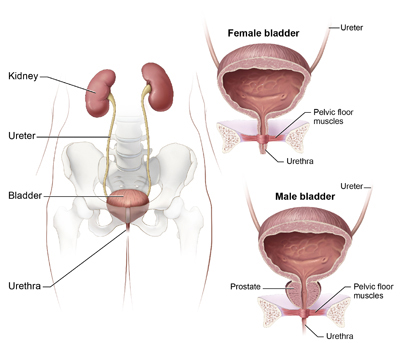
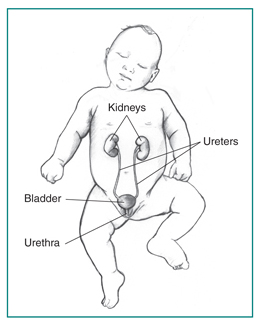
Learn more about the urinary tract and how it works.

Young children lined up in a school hallway.
Children who leak urine after most classmates stay dry may have a bladder control problem. Emotional support, new habits, or treatments may help.

Do bladder control problems have another name?

Bladder control problems are also called urinary incontinence or enuresis.

  • Primary enuresis is wetting in a child who has never regularly stayed dry.
  • Secondary enuresis is wetting that begins after at least 6 months of staying dry.

What are the types of bladder control problems in children?

Children usually have one of two main bladder control problems:

  • daytime wetting, also called diurnal enuresis
  • bedwetting, also called nocturnal enuresis

Some children may have trouble controlling their bladders both day and night.

Daytime wetting

For infants and toddlers, wetting is a normal part of development. Children gradually learn to control their bladders as they grow older. Problems that can occur during this process and lead to daytime wetting include

  • Holding urine too long. Your child’s bladder can overfill and leak urine.
  • Overactive bladder. Your child’s bladder squeezes without warning, causing frequent runs for the toilet and wet clothes.
  • Underactive bladder. Your child uses the toilet only a few times a day, with little urge to do so. Children may have a weak or interrupted stream of urine.
  • Disordered urination. Your child’s bladder muscles and nerves do not work together smoothly. Certain muscles cut off urine flow too soon. Urine left in the bladder may leak.

Bedwetting

Children who wet the bed fall into two groups: those who have never been dry at night, and children who started wetting the bed again after staying dry for 6 months.

How common are bladder control problems in children?

Bladder control problems are common in children. About 1 in 10 children has trouble with daytime wetting at age 5.1 Nighttime wetting is more common than daytime wetting.

Age2 Bedwetting Numbers
Age 5 About 1 in 6 children
Age 6 About 1 in 8 children
Age 7 1 in 10 children
Age 15 1-2 in 100 children
A child in pajamas lies near a wet spot on the bed.
Bedwetting often stops without formal treatment as children grow older.

Who is more likely to have bladder control problems?

Daytime wetting is more common in girls than boys.

Bedwetting is more common in boys—and in all children whose parents wet the bed when they were young. Your child’s chances of wetting the bed are about 1 in 3 when one parent was affected as a child. If both parents were affected, the chances that your child will wet the bed are 7 in 10.2

Most children with bladder control problems are physically and emotionally normal. Certain health conditions can make a child more likely to experience wetting, including

  • a bladder or kidney infection (urinary tract infection)
  • constipation—fewer than two bowel movements a week, or bowel movements in which stool is painful or hard to pass
  • nerve problems, such those seen with spina bifida, a birth defect
  • vesicouretal reflux (VUR), backward flow of urine from the bladder to the kidneys
  • diabetes, a condition in which blood glucose, also called blood sugar, is too high
  • problems with the structure of the urinary tract, such as a blockage or a narrowed urethra
  • obstructive sleep apnea (OSA), a condition in which breathing is interrupted during sleep, often because of inflamed or enlarged tonsils
  • ADHD, or attention deficit hyperactivity disorder

What are the complications of bladder control problems?

Children can manage or outgrow most bladder control problems with no lasting health effects. However, accidental wetting can cause emotional distress and poor self-esteem for a child as well as frustration for families.

Bladder control problems can sometimes lead to bladder or kidney infections (UTIs). Bedwetting that is never treated during childhood can last into the teen years and adulthood, causing emotional distress.


References


Symptoms & Causes

What are the signs and symptoms of bladder control problems in children?

Losing urine by accident is the main sign of a bladder control problem. Your child may often have wet or stained underwear—or a wet bed.

Young girl squatting to avoid leaking urine.
Squatting, leg crossing, and heel sitting can be signs of an overactive bladder.

Daytime Wetting

Signs that your child may have a condition that causes daytime wetting include

  • the urgent need to urinate, often with urine leaks
  • urinating 8 or more times a day, called frequency
  • infrequent urination—emptying the bladder only 2 to 3 times a day, rather the usual 4 to 7 times a day
  • incomplete urination—not fully emptying the bladder during bathroom visits
  • squatting, squirming, leg crossing, or heel sitting to avoid leaking urine

Bedwetting

Nighttime wetting is normal for many children—and is often not considered a health problem at all—especially when it runs in the family.

At ages 5 and older, signs that your child may have a nighttime bladder control problem—whether due to slow physical development, an illness, or any cause—can include

  • never being dry at night
  • wetting the bed 2 to 3 times a week over 3 months or more
  • wetting the bed again after 6 months of dry nights
Doctor listens to a boy in her office.
Your child’s doctor can suggest when treatments may help control bedwetting.

When should my child see a doctor about bladder control problems?

If you or your child are worried about accidental wetting, talk with a health care professional. He or she can check for medical problems and offer treatment, or reassure you that your child is developing normally.

Take your child to a health care professional if there are signs of a medical problem, including

  • symptoms of bladder infection such as
    • pain or burning when urinating
    • cloudy, dark, bloody, or foul-smelling urine
    • urinating more often than usual
    • strong urges to urinate, but passing only a small amount of urine
    • pain in the lower belly area or back
    • crying while urinating
    • fever
    • restlessness
  • your child dribbles urine or has a weak urine stream, which can be signs of a birth defect in the urinary tract
  • your child was dry, but started wetting again

Although each child is unique, providers often use a child’s age to decide when to look for a bladder control problem. In general,

  • by age 4, most children are dry during the day
  • by ages 5 or 6, most children are dry at night

Seek care right away

If your child has symptoms of a bladder or kidney infection, or has a fever without a clear cause, see a health care professional within 24 hours. Quick treatment is important to prevent a urinary tract infection from causing more serious health problems.

What causes bladder control problems in children?

Bathroom habits, such as holding urine too long, and slow physical development cause many of the bladder control problems seen in children. Less often, a medical condition can cause wetting. Learn which children are more likely to have bladder control problems.

What causes daytime wetting in children?

Daytime wetting in children is commonly caused by holding urine too long, constipation, or bladder systems that don’t work together smoothly. Health problems can sometimes cause daytime wetting, too, such as bladder or kidney infections (UTIs), structural problems in the urinary tract, or nerve problems.

When children hold their urine too long, it can trigger problems in how the bladder works or make existing problems worse. These bladder problems include:

Overactive bladder or urge incontinence

Bladder muscles squeeze at the wrong time, without warning, causing a loss of urine. Your child may have strong, sudden urges to urinate. She may urinate frequently—8 or more times a day.

Underactive bladder

Children only empty the bladder a few times a day, with little urge to urinate. Bladder contractions can be weak, and your child may strain when urinating, have a weak stream, or stop-and-go urine flow.

Disordered urination

Muscles and nerves of the bladder may not work together smoothly. As the bladder empties, sphincter or pelvic floor muscles may cut off urine flow too soon, before the bladder empties all the way. Urine left in the bladder may leak.

What causes bedwetting in children?

Nighttime wetting is often related to slow physical development, a family history of bedwetting, or making too much urine at night. In many cases, there is more than one cause. Children almost never wet the bed on purpose—and most children who wet the bed are physically and emotionally normal.

Sometimes a health condition can lead to bedwetting, such as diabetes or constipation.

Boy sleeping under colorful blanket.
Bedwetting often runs in families, where it is usually a normal growth pattern, not an illness.

Slow physical development

Between ages 5 and 10, slow physical development can cause your child to wet the bed. Your child may have a small bladder, deep sleep cycles, or a nervous system that’s still growing and developing. The nervous system handles the body’s alarms—sending signals about a full or emptying bladder—and the need to wake up.

Family history

Bedwetting often runs in families. Researchers have found genes that are linked to bedwetting. Genes are parts of the master code that children inherit from each parent for hair color and many other features and traits.

Making too much urine

Your child’s kidneys may make too much urine overnight, leading to an overfull bladder. If your child doesn’t wake up in time, a wet bed is likely. Often this excess urine at night is due to low levels of a natural substance called antidiuretic hormone (ADH). ADH tells the kidneys to release less water at night.

Sleep disorders

Sleepwalking and obstructive sleep apnea (OSA) can lead to bedwetting. With OSA, children breathe poorly and get less oxygen, which triggers the kidneys to make extra urine at night. Bedwetting can be a sign that your child has OSA. Other symptoms include snoring, mouth breathing, ear and sinus infections, a dry mouth in the morning, and daytime sleepiness.

Stress

Stress can sometimes lead to bedwetting, and worry about daytime or nighttime wetting can make the problem worse. Stresses that may affect your child include a new baby in the family, sleeping alone, moving or starting a new school, abuse, or a family crisis.


Diagnosis

How do doctors diagnose bladder control problems in children?

To diagnose a bladder control problem, doctors use a child’s

  • medical history
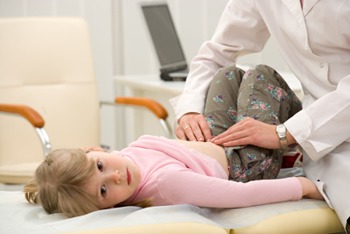
  • physical exam
  • lab tests
  • imaging tests, if needed

In addition, doctors will ask questions about

  • symptoms
  • when and how often the wetting happens
  • dry periods
  • family history of bedwetting

Bladder and liquids diary

Before an office visit, it’s helpful to use a bladder diary (PDF, 487 KB) to keep track your child’s bathroom habits and how much liquid your child drinks. Write down when your child uses the toilet, the amount of urine passed, and when your child leaks urine. Record the timing and amount of liquid your child drinks, too, including whether your child drinks fluids before bedtime.

Because constipation can cause wetting or make it worse, your child’s doctor may ask you to record how often your child passes stool and whether it’s hard or soft.

What tests do doctors use to diagnose bladder control problems in children?

Lab tests

Health care professionals often test a urine sample, which is called urinalysis, to help diagnose bladder control problems in children. The lab may also perform a urine culture, if requested. White blood cells and bacteria in the urine can be signs of a urinary tract infection.

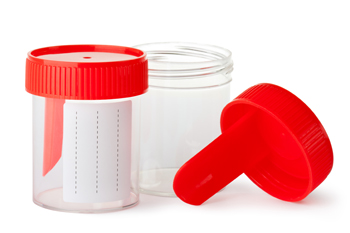
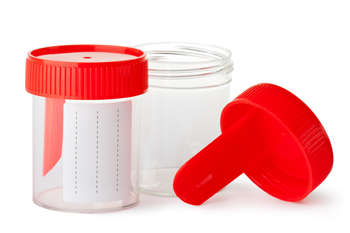
Small, empty plastic jars, with lids, that are used for urine samples.
Your child may need to collect a urine sample in a container. Lab tests can help diagnose the cause of bladder leaks.

Other tests

In a few cases, health care professionals may order imaging tests or tests of how the urinary tract works. These tests can show a birth defect or a blockage in the urinary tract that may lead to wetting. Special tests can find nerve or spine problems. Testing can also help show a small bladder, weak muscles, or muscles that don’t work together well.

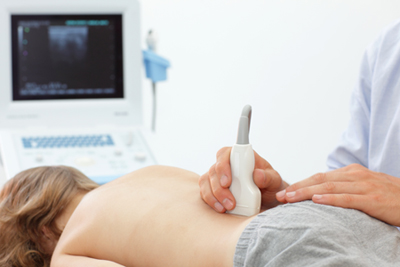
Ultrasound. An ultrasound uses sound waves to look at structures inside the body without exposing your child to radiation. During this painless test, your child lies on a padded table. A technician gently moves a wand called a transducer over your child’s belly and back. No anesthesia is needed.

Voiding cystourethrogram (VCUG). A voiding cystourethrogram uses x-rays of the bladder and urethra to show how urine flows. A technician uses a catheter to fill your child’s bladder with a special dye. The technician then takes x-rays before, during and after your child urinates. A VCUG uses only a small amount of radiation. Anesthesia is not needed, but the doctor may offer your child a calming medicine, called a sedative.

MRI. Magnetic resonance imaging (MRI) uses magnets and radio waves to make pictures of the urinary tract and spine. During this test, your child lies on a table inside a tunnel-like machine. MRI scans do not expose your child to radiation. No anesthesia is needed, but the doctor may offer your child a calming medicine or suggest watching a children’s program during the test.

Urodynamic testing. Urodynamic testing is a group of tests that look at how well the bladder, sphincters, and urethra are storing and releasing urine. These studies are not used often, but they may be helpful when simple bladder management methods are not as successful as expected.

Learn more about imaging tests of the urinary tract.


Treatment

How can my child’s doctor and I treat a bladder control problem?

When a health condition causes the wetting—such as diabetes or a birth defect in the urinary tract—doctors will treat the health problem, and the wetting is likely to stop.

Other common treatments for wetting include bladder training, moisture alarms, medicines, and home care. Teamwork is important among you, your child, and your child’s doctor. You should reward your child for following a program, rather than for staying dry—because a child often cannot control wetting.

If your child wets both day and night, the doctor is likely to treat daytime wetting first. Children usually stay dry during the day before they gain bladder control at night.

Daytime wetting

Treatments for daytime wetting depend on what’s causing the wetting, and will often start with changes in bladder and bowel habits. Your child’s doctor will treat any constipation, so that hard stools don’t press against the bladder and lead to wetting.

Bladder training

Bladder training helps your child get to the bathroom sooner and may help reset bladder systems that don’t work together smoothly. Programs can include

  • urinating on schedule every 2 to 3 hours, called timed voiding.
  • urinating twice during one visit, called double voiding. This method may help the bladder empty completely in children who have an underactive or “lazy” bladder or vesicoureteral reflux (VUR)
  • relaxing the pelvic floor muscles so children can empty the bladder fully. A few sessions of biofeedback can retrain muscles that don’t work together in the right order.

In extremely rare cases, doctors may suggest using a thin, flexible tube, called a catheter, to empty the bladder. Occasional use of a catheter may help develop better bladder control in children with a weak, underactive bladder.

Medicine

Your child’s doctor may suggest medicine to limit daytime wetting or prevent a urinary tract infection (UTI).

Oxybutynin (Ditropan) is often the first choice of medicine to calm an overactive bladder until a child matures and outgrows the problem naturally.

If your child often has bladder infections, the doctor may prescribe an antibiotic, which is a medicine that kills the bacteria that cause infections. Your child’s doctor may suggest taking a low-dose antibiotic for several months to prevent repeated bladder infections.

Home care and support

Changes in your child’s routines and behavior may greatly improve daytime wetting, even without other treatments. Encourage your child to

  • use the bathroom whenever the urge occurs.
  • drink more liquid, mainly water, if the doctor suggests doing so. Drinking more liquid produces more urine and more trips to the bathroom.
  • take extra time in the bathroom to relax and empty the bladder completely.
  • avoid drinks with caffeine or bubbles, citrus juices, and sports drinks. These drinks may irritate the bladder or produce extra urine.

Children need plenty of support from parents and caregivers to overcome daytime wetting, not blame or punishment. Calming your child’s stresses may help—stresses about a new baby or new school, for example. A counselor or psychologist can help treat anxiety.

Bedwetting

If your child’s provider suggests treatment, it’s likely to start with ways to motivate your child and change his or her behavior. The next steps include moisture alarms or medicine.

For a bedwetting treatment program to work, both the parent and child must be motivated. Treatment doesn’t always completely stop bedwetting—and there are likely to be some setbacks. However, treatment can greatly reduce how often your child wets the bed.

Motivational therapy

For motivational therapy, you and your child agree on ways to manage bedwetting and rewards for following the program. Keep a record of your child’s tasks and progress, such as a calendar with stickers. You can give rewards to your child for remembering to use the bathroom before bed, helping to change and clean wet bedding, and having a dry night.

Motivational therapy helps children gain a sense of control over bedwetting. Many children learn to stay dry with this approach, and many others have fewer wet nights. Taking back rewards, shaming, penalties, and punishments don’t work; your child is not wetting the bed on purpose. If there’s no change in your child’s wetting after 3 to 6 months, talk with a health care professional about other treatments.

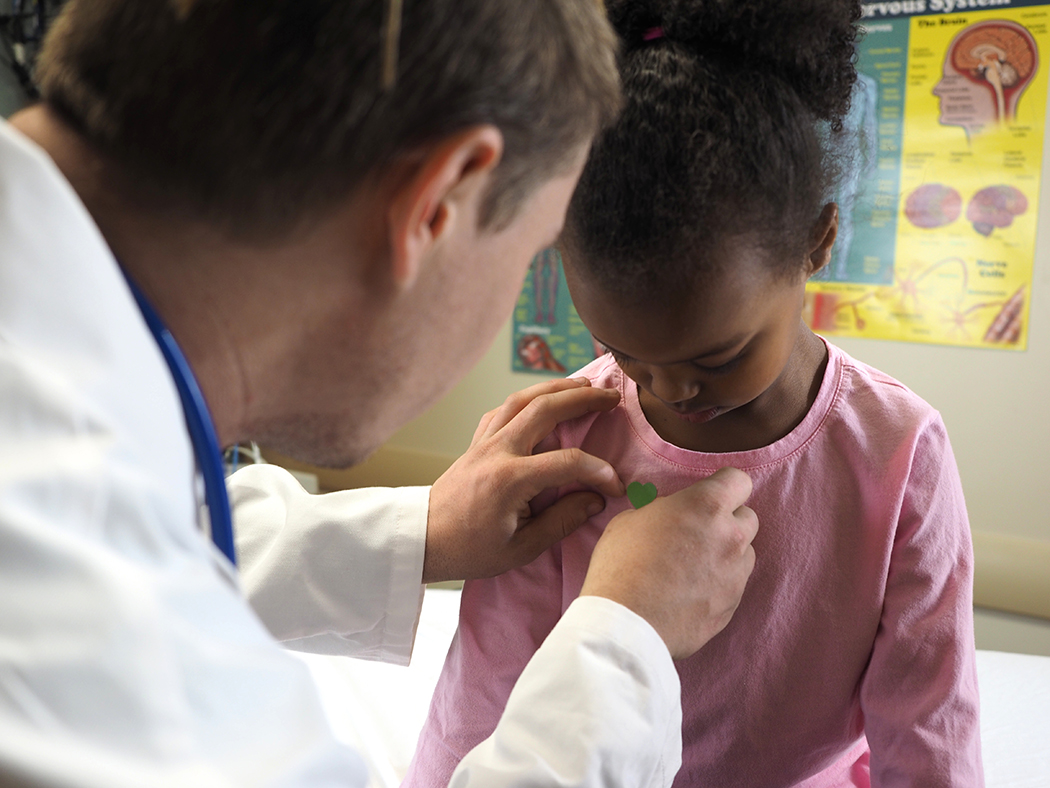
Health care professional places a sticker on the shirt of a little girl who is sitting on an examining table.
Tracking good bathroom habits may help children develop fewer wet days or nights over time. Rewards are given for effort, because a child can’t always control wetting.

Moisture alarms

Moisture alarms detect the first drops of urine in a child’s underwear and sound an alarm to wake the child. A sensor clips to your child’s clothes or bedding. At first you may need to wake your child, get him or her to the bathroom, and clean up wet clothes and bedding. Eventually, your child learns to wake up when his or her bladder is full and get to the bathroom in time.

Moisture alarms work well for many children and can end bedwetting for good. Families need to use the alarm regularly for 3 to 4 months as the child learns to sense his or her signals and control the bladder. Signs of progress usually appear in the first few weeks—smaller wet spots, fewer alarms each night, and your child waking on his or her own.

Medicine

Your child’s doctor may suggest medicine when other treatments haven’t worked well.

Desmopressin (DDAVP) is often the first choice of medicine for bedwetting. This medicine slows the amount of urine your child’s body makes overnight, so the bladder doesn’t overfill and leak. Desmopressin can work well, but bedwetting often returns when a child stops taking the medicine. You can use desmopressin for sleepovers, camp, and other short periods of time. You can also keep a child on desmopressin safely for long periods of time.

Home care

Changes in your child’s routines may improve bedwetting, when used alone or with other treatments. Encourage your child to

  • drink most of his or her liquids during the morning and early afternoon.
  • urinate regularly during the day—every 2 to 3 hours—and just before bed, which is a total of about 4 to 7 times a day.
  • urinate twice before bedtime (about a half hour apart) to fully empty the bladder and allow room for new urine made overnight.
  • avoid drinks with caffeine or bubbles, citrus juices, and sports drinks. These drinks may irritate the bladder or produce extra urine.
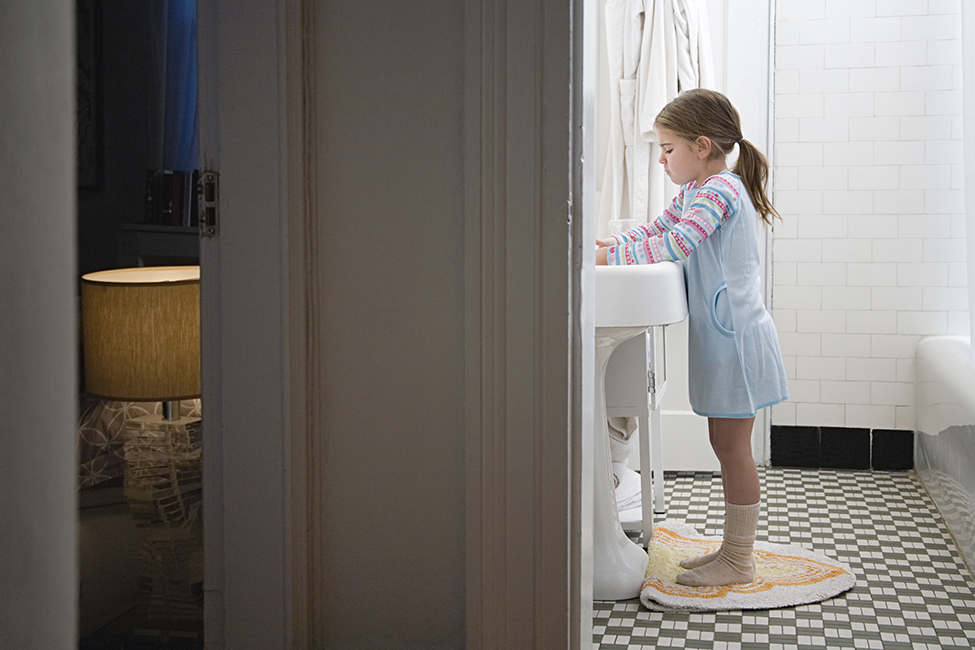
View from a hallway shows a girl washing her hands in a bathroom next to her bedroom.
Children who wet the bed should use the bathroom just before bedtime.

How can I help my child cope with bladder control problems?

Your patience, understanding, and encouragement are vital to help your child cope with a bladder control problem. If you think a health problem may be causing your child’s wetting, make an appointment with your child’s health care provider.

Clothing, bedding, and wearable products

For children with daytime wetting, clothes that come on and off easily may help prevent accidents. A wristwatch alarm set to vibrate can privately remind your child to visit the toilet, without help from a teacher or parent.

For children who wet the bed, the following practices can make life easier and may boost your child’s confidence:

  • Leave out dry pajamas and towels so your child can clean up easily.
  • Layer waterproof pads and fitted sheets on the bed. Your child can quickly pull off wet bedding and put it in a hamper. Fewer signs of wetting may help your child feel less embarrassed.
  • Have your child help with the clean-up and laundry the next day. However, don’t make it a punishment.
  • Be sure your child showers or bathes every day to wash away the smell of urine.
  • Plan to stop using diapers, training pants, or disposable training pants, except when sleeping away from home. These items may discourage your child from getting out of bed to use the toilet.

Don’t make a habit of waking your child during the night to use the bathroom. Researchers don’t think it helps children overcome bedwetting.3

Father and son work together to put dirty laundry into a washing machine.
Easy clean-up routines may give children a sense of control while they outgrow bedwetting.

Emotional support

Let your child know that bedwetting is very common and most children outgrow it. If your child is age 4 or older, ask him or her for ideas on how to stop or manage the wetting. Involving your child in finding solutions may provide a sense of control.

Calming your child’s stresses may help—stresses about a new baby or new school, for example. A counselor or psychologist can help treat anxiety.

References


Prevention

How can I help my child prevent bladder control problems?

Often, you can’t prevent a bladder control problem, especially bedwetting, which is a common pattern of normal child development. However, good habits may help your child have more dry days and nights, including

  • avoid or treat constipation.
  • urinate every 2 to 3 hours during the day—4 to 7 times total in a day.
  • drink the right amount of liquid, with most liquids consumed between morning and about 5 p.m. Ask your child’s health care provider how much liquid is healthy, based on age, weather, and activities.
  • avoid drinks with caffeine or bubbles, citrus juices, and sports drinks. These drinks may irritate the bladder or produce extra urine.

Clinical Trials

The National Institute of Diabetes and Digestive and Kidney Diseases (NIDDK) and other components of the National Institutes of Health (NIH) conduct and support basic and clinical research into many diseases and conditions.

What are clinical trials and what role do children play in research?

Clinical trials are research studies involving people of all ages. Clinical trials look at safe and effective new ways to prevent, detect, or treat disease. Researchers also use clinical trials to look at other aspects of care, such as improving quality of life. Research involving children helps scientists

  • identify care that is best for a child
  • find the best dose of medicines
  • find treatments for conditions that only affect children
  • treat conditions that behave differently in children
  • understand how treatment affects a growing child’s body

Find out more about clinical trials and children.

What clinical trials are open?

Clinical trials that are currently open and are recruiting can be viewed at www.ClinicalTrials.gov.


This content is provided as a service of the National Institute of Diabetes and Digestive and Kidney Diseases (NIDDK), part of the National Institutes of Health. The NIDDK translates and disseminates research findings through its clearinghouses and education programs to increase knowledge and understanding about health and disease among patients, health professionals, and the public. Content produced by the NIDDK is carefully reviewed by NIDDK scientists and other experts.

Bladder Infection (Urinary Tract Infection) in Adults

Definition & Facts

What is a bladder infection?

A bladder infection is an illness caused by bacteria. Bladder infections are the most common type of urinary tract infection (UTI).1 A UTI can develop in any part of your urinary tract, including your urethra, bladder, ureters, or kidneys.

Your body has ways to defend against infection in the urinary tract. For example, urine normally flows from your kidneys, through the ureters to your bladder. Bacteria that enter your urinary tract are flushed out when you urinate. This one-way flow of urine helps to keep bacteria from infecting your urinary tract. Learn more about your urinary tract and how it works.

Sometimes your body’s defenses fail and the bacteria may cause a bladder infection. If you have bladder infection symptoms, see a health care professional.

Most of the time, getting treatment right away for an infection in your urethra or bladder can prevent a kidney infection. A kidney infection can develop from a UTI that moves upstream to one or both of your kidneys. Kidney infections are often very painful and can cause serious health problems, so it’s best to get early treatment for a UTI.

When a bladder infection or other UTI is diagnosed and treated properly, most people won't have complications.

Illustration of the urinary tract showing the kidneys, ureters, bladder, and urethra. Close-up of male bladder shows the prostate gland surrounding the urethra.
Most UTIs occur in the bladder. In a few cases, an infection can spread to one or both kidneys.

Is there another name for a bladder infection?

Bladder infections are also called cystitis. Sometimes people use the more general term, urinary tract infection (UTI), to mean a bladder infection, although UTIs can occur in other parts of the urinary system. UTIs that occur in the urethra only are called urethritis. A kidney infection is called pyelonephritis.

How common are bladder infections?

Bladder infections are common, especially among women. Research suggests that at least 40 to 60 percent of women develop a UTI during their lifetime, and most of these infections are bladder infections. One in 4 women is likely to have a repeat infection.1

Who is more likely to develop a bladder infection?

People of any age or sex can develop bladder infections, but women are at higher risk than men. Some people are more prone to getting these infections than others, especially those who have certain medical conditions or lifestyle factors.

You are more likely to develop a bladder infection if you

  • are sexually active
  • are a woman who has gone through menopause
  • are a woman who uses certain types of birth control, such as diaphragms or spermicide
  • have trouble emptying your bladder completely, like people with a spinal cord injury or nerve damage around the bladder
  • have a problem in your urinary tract that blocks, or obstructs, the normal flow of urine, such as a kidney stone or enlarged prostate
  • have an abnormality of the urinary tract, such as vesicoureteral reflux (VUR)
  • have diabetes or problems with your body’s immune, or natural defense, system
  • recently used a urinary catheter
  • had a UTI in the past

Women are more likely to develop a bladder infection than men, mainly due to differences in anatomy:

  • Women have a shorter urethra than men, which means bacteria have a shorter distance to travel to reach and infect a woman’s bladder.
  • In women, the opening to the urethra is closer to the rectum, where the bacteria that cause bladder infections live.
A young woman talks with a health care professional who is wearing a stethoscope.
People of any age or sex can develop a bladder infection. However, women are much more likely to develop this type of infection than men.

What are the complications of bladder infections?

If infections in the lower urinary tract, such as bladder infections, are not treated, they can lead to kidney infections. If you have a kidney infection, a health care professional will provide treatment to relieve your symptoms and help prevent complications.

Health care professionals routinely test pregnant women for bacteria in the urine because a bladder infection during pregnancy is more likely to become a kidney infection.

Complications from bladder infections are rare when you work with your health care provider to find the best treatment and complete it. If your infection is treated with antibiotics, it’s important to follow directions carefully and finish all the medicine, even after you start to feel better. If you stop taking antibiotics too soon, you may get another infection that is harder to treat.

References


Symptoms & Causes

What are the symptoms of a bladder infection?

Symptoms of a bladder infection may include

  • a burning feeling when you urinate
  • frequent or intense urges to urinate, even when you have little urine to pass

Seek care right away

If you have symptoms of a bladder infection, see a health care professional right away, especially if you have severe pain in your back near your ribs or in your lower abdomen, along with vomiting and nausea, fever, or other symptoms that may indicate a kidney infection.

Kidney infections are often very painful and can cause serious health problems, so it’s best to get early treatment.

What causes a bladder infection?

Most of the time a bladder infection is caused by bacteria that are normally found in your bowel. The bladder has several systems to prevent infection. For example, urination most often flushes out bacteria before it reaches the bladder. Sometimes your body can’t fight the bacteria and the bacteria cause an infection. Read the reasons you may be at risk for UTIs.


Diagnosis

How do health care professionals diagnose a bladder infection?

Health care professionals use your medical history, a physical exam, and tests to diagnose a bladder infection.

A health care professional will ask if you have a history of health conditions that make you more likely to develop any type of UTI. During a physical exam, the health care professional will ask you about your symptoms.

A woman sits on an examining table and talks to a health care professional.
Health care professionals use your medical history, a physical exam, and tests to diagnose a bladder infection.

Which tests do health care professionals use to diagnose a bladder infection?

Health care professionals typically test a sample of your urine to diagnose a bladder infection. In rare cases, a health care professional may also order another test to look at your urinary tract.

Lab tests

Urinalysis. You will collect a urine sample in a special container at a doctor’s office or at a lab. A health care professional will test the sample for bacteria and white blood cells, which the body produces to fight infection. Bacteria also can be found in the urine of healthy people, so a bladder infection is diagnosed based both on your symptoms and lab tests.

Urine culture. In some cases, a health care professional may culture your urine to find out what type of bacteria is causing the infection. Urine culture is not required in every case, but is important in certain circumstances, such as having repeated UTIs or certain medical conditions. The results of a urine culture take about 2 days to return and will help your health care professional determine the best treatment for you.

Imaging and other tests

If you have repeated bladder infections or have a complicated infection, a doctor may order imaging tests to look at your urinary tract. A complicated UTI is an infection linked to certain other conditions, such as a kidney stone, or a structural problem in your urinary tract. Read more about imaging tests for your urinary tract.

Doctors may use cystoscopy to look inside the urethra and bladder. Doctors use a cystoscope, a tube-like instrument, during cystoscopy to look for swelling, redness, and other signs of infection in addition to structural problems that may be causing the infection.

Doctors may also use urodynamic testing, which is any procedure that shows how well your bladder, sphincters, and urethra are storing and releasing urine.


Treatment

How do health care professionals treat a bladder infection?

If you have a bladder infection caused by bacteria, a health care professional is likely to prescribe antibiotics. If the diagnosis is not certain, based on your symptoms or lab test results, you may not need antibiotics. Instead, your health care professional will work to find the cause and the best treatment for your symptoms.

Medicines

Which antibiotic you take is based on the type of bacteria causing your infection and any allergies you may have to antibiotics.

The length of treatment depends on

  • how severe the infection is
  • whether your symptoms and infection go away
  • whether you have repeated infections
  • whether you have problems with your urinary tract

Men may need to take antibiotics longer because bacteria can move into the prostate gland, which surrounds the urethra. Bacteria can hide deep inside prostate tissue.

Follow your health care professional’s instructions carefully and completely when taking antibiotics. Although you may feel relief from your symptoms, make sure to take the entire antibiotic treatment.

If needed, a health care professional may prescribe other medicines to relieve any pain or discomfort from your bladder infection.

At-home treatments

Drink a lot of liquids and urinate often to speed healing. Water is best. Talk with a health care professional if you can’t drink a lot of liquids due to other health problems, such as urinary incontinence, urinary frequency, or heart or kidney failure.

A heating pad on your back or abdomen may help you manage pain from a kidney or bladder infection.

Research

Researchers are studying ways to treat or prevent bladder infections without taking antibiotics. The bacteria that cause these infections can become stronger and harder to fight when a person takes antibiotics repeatedly. Alternate approaches include probiotics, vaginal estrogen, and "watchful waiting." Talk to your health care professional about any treatment for a bladder infection before you start it, including home remedies and supplements. Some supplements can have side effects or react poorly with other medications you take.

Man drinks from a large glass of water as he works on a computer.
Drink lots of liquids and urinate often to speed healing. Water is best.

How can I prevent a bladder infection?

Changing some of your daily habits and lifestyle choices may help you prevent repeated bladder infections.

Drink enough liquids

Most people should try drinking six to eight, 8-ounce glasses of liquid a day. Talk with a health care professional if you can’t drink this amount due to other health problems, such as urinary incontinence, urinary frequency, or heart or kidney failure.

Be aware of your bathroom habits

Urinate often and when you first feel like you need to go. Bacteria can grow when urine stays in the bladder too long and can cause an infection. Urinate shortly after having sex to flush away bacteria that might have entered your urethra during sex.

After urinating or having a bowel movement, always wipe from front to back. This step is most important after a bowel movement to keep from getting bacteria into your urethra.

Wear loose-fitting clothing

Consider wearing cotton underwear and loose-fitting clothes so air can keep the area around the urethra dry.

Consider switching birth control methods if you have repeat bladder infections

If you have trouble with repeat bladder infections, talk with a health care professional about your birth control. Consider switching to a new form of birth control if you use diaphragms, unlubricated condoms, or spermicide, all of which can increase your chances of developing a bladder infection. Consider using lubricated condoms without spermicide or using a nonspermicidal lubricant.


Eating, Diet, & Nutrition

Can my eating, diet, and nutrition help prevent bladder infections?

Experts don’t think eating, diet, and nutrition play a role in preventing or treating bladder infections. Although some research shows that cranberry juice, extract, or pills may help prevent these infections, not enough evidence shows this. Research shows that cranberry products are not effective in treating a bladder infection if you already have one.2

Can drinking liquid help prevent or relieve bladder infections?

Yes. Drink six to eight, 8-ounce glasses of liquid a day. Talk with a health care professional if you can’t drink this amount due to other health problems, such as urinary incontinence, urinary frequency, or kidney failure. The amount of liquid you need to drink depends on the weather and your activity level. If you live, work, or exercise in hot weather, you may need more liquid to replace the fluid you lose through sweat.

References


Clinical Trials

The National Institute of Diabetes and Digestive and Kidney Diseases (NIDDK) and other components of the National Institutes of Health (NIH) conduct and support research into many diseases and conditions.

What are clinical trials, and are they right for you?

Clinical trials are part of clinical research and at the heart of all medical advances. Clinical trials look at new ways to prevent, detect, or treat disease. Researchers also use clinical trials to look at other aspects of care, such as improving the quality of life for people with chronic illnesses. Find out if clinical trials are right for you.

What clinical trials are open?

Clinical trials that are currently open and are recruiting can be viewed at www.ClinicalTrials.gov.


This content is provided as a service of the National Institute of Diabetes and Digestive and Kidney Diseases (NIDDK), part of the National Institutes of Health. The NIDDK translates and disseminates research findings through its clearinghouses and education programs to increase knowledge and understanding about health and disease among patients, health professionals, and the public. Content produced by the NIDDK is carefully reviewed by NIDDK scientists and other experts.

Cystocele (Prolapsed Bladder)

What is a cystocele?

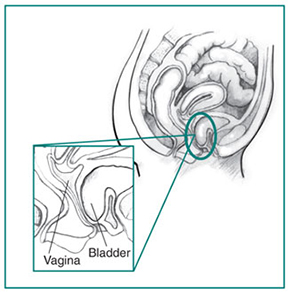
A cystocele, also called a prolapsed or dropped bladder, is the bulging or dropping of the bladder into the vagina. The bladder, located in the pelvis between the pelvic bones, is a hollow, muscular, balloon-shaped organ that expands as it fills with urine. During urination, also called voiding, the bladder empties through the urethra, located at the bottom of the bladder. The urethra is the tube that carries urine outside of the body. The vagina is the tube in a woman’s body that runs beside the urethra and connects the womb, or uterus, to the outside of the body.

What causes a cystocele?

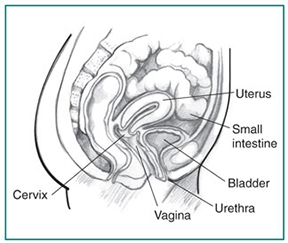
A cystocele occurs when the muscles and supportive tissues between a woman’s bladder and vagina weaken and stretch, letting the bladder sag from its normal position and bulge into the vagina or through the vaginal opening. In a cystocele, the bladder tissue remains covered by the vaginal skin. A cystocele may result from damage to the muscles and tissues that hold the pelvic organs up inside the pelvis. A woman’s pelvic organs include the vagina, cervix, uterus, bladder, urethra, and small intestine. Damage to or weakening of the pelvic muscles and supportive tissues may occur after vaginal childbirth and with conditions that repeatedly strain or increase pressure in the pelvic area, such as

  • repetitive straining for bowel movements
  • constipation
  • chronic or violent coughing
  • heavy lifting
  • being overweight or obese
Drawing of a woman’s pelvic area showing the cervix, vagina, urethra, bladder, small intestine, and uterus.
Normal bladder position
Drawing of a woman’s pelvic area with an inset enlargement of the vagina, bladder, and cystocele.
Cystocele

A woman’s chances of developing a cystocele increase with age, possibly because of weakening muscles and supportive tissues from aging. Whether menopause increases a woman’s chances of developing a cystocele is unclear.

What are the symptoms of a cystocele?

The symptoms of a cystocele may include

  • a vaginal bulge
  • the feeling that something is falling out of the vagina
  • the sensation of pelvic heaviness or fullness
  • difficulty starting a urine stream
  • a feeling of incomplete urination
  • frequent or urgent urination

Women who have a cystocele may also leak some urine as a result of movements that put pressure on the bladder, called stress urinary incontinence. These movements can include coughing, sneezing, laughing, or physical activity, such as walking. Urinary retention—the inability to empty the bladder completely—may occur with more severe cystoceles if the cystocele creates a kink in the woman’s urethra and blocks urine flow.

Women with mild cystoceles often do not have any symptoms.

How is a cystocele diagnosed?

Diagnosing a cystocele requires medical tests and a physical exam of the vagina. Medical tests take place in a health care provider’s office, an outpatient center, or a hospital. The health care provider will ask about symptoms and medical history. A health care provider uses a grading system to determine the severity of a woman’s cystocele. A cystocele receives one of three grades depending on how far a woman’s bladder has dropped into her vagina:

  • grade 1—mild, when the bladder drops only a short way into the vagina
  • grade 2—moderate, when the bladder drops far enough to reach the opening of the vagina
  • grade 3—most advanced, when the bladder bulges out through the opening of the vagina

If a woman has difficulty emptying her bladder, a health care provider may measure the amount of urine left in the woman’s bladder after she urinates. The remaining urine is called the postvoid residual. A health care provider can measure postvoid residual with a bladder ultrasound. A bladder ultrasound uses a device, called a transducer, that bounces safe, painless sound waves off the bladder to create an image and show the amount of remaining urine. A specially trained technician performs the procedure, and a radiologist—a doctor who specializes in medical imaging—interprets the images. A woman does not need anesthesia.

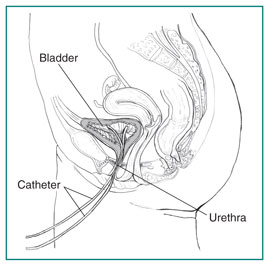
A health care provider can also use a catheter—a thin, flexible tube—to measure a woman’s postvoid residual. The health care provider inserts the catheter through the woman’s urethra into her bladder to remove and measure the amount of remaining urine after the woman has urinated. A postvoid residual of 100 mL or more is a sign that the woman is not completely emptying her bladder. A woman receives local anesthesia.

A health care provider may use a voiding cystourethrogram—an x-ray exam of the bladder—to diagnose a cystocele as well. A woman gets a voiding cystourethrogram while urinating. The x-ray images show the shape of the woman’s bladder and let the health care provider see any problems that might block normal urine flow. An x-ray technician performs a voiding cystourethrogram, and a radiologist interprets the images. A woman does not need anesthesia; however, some women may receive sedation. A health care provider may order additional tests to rule out problems in other parts of a woman’s urinary tract.

How is a cystocele treated?

Cystocele treatment depends on the severity of the cystocele and whether a woman has symptoms. If a woman’s cystocele does not bother her, a health care provider may recommend only that she avoid heavy lifting or straining, which could worsen her cystocele. If a woman has symptoms that bother her and wants treatment, the health care provider may recommend pelvic muscle exercises, a vaginal pessary, or surgery.

Pelvic floor, or Kegel, exercises involve strengthening pelvic floor muscles. Strong pelvic floor muscles more effectively hold pelvic organs in place. A woman does not need special equipment for Kegel exercises.

The exercises involve tightening and relaxing the muscles that support pelvic organs. A health care provider can help a woman learn proper technique.

More information about pelvic muscle exercises is provided in the NIDDK health topic, Kegel Exercise Tips.

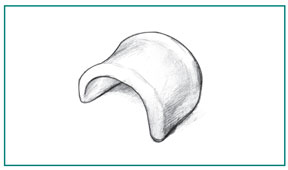
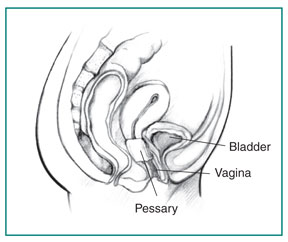
A vaginal pessary is a small, silicone medical device placed in the vagina that supports the vaginal wall and holds the bladder in place. Pessaries come in a number of shapes and sizes. A health care provider has many options to choose from to find the most comfortable pessary for a woman.

Drawing of a pessary device
Pessary device
Drawing of a woman’s pelvic area showing the vagina, bladder, and an inserted pessary.
Pessary inserted in the vagina

A heath care provider may recommend surgery to repair the vaginal wall support and reposition the woman’s bladder to its normal position. The most common cystocele repair is an anterior vaginal repair—or anterior colporrhaphy. The surgeon makes an incision in the wall of the woman’s vagina and repairs the defect by folding over and sewing together extra supportive tissue between the vagina and bladder. The repair tightens the layers of tissue that separate the organs, creating more support for the bladder. A surgeon who specializes in the urinary tract or female reproductive system performs an anterior vaginal repair in a hospital. The woman receives either regional or general anesthesia. The woman may stay overnight in the hospital, and full recovery may take up to 4 to 6 weeks.

Eating, Diet, and Nutrition

Researchers have not found that eating, diet, and nutrition play a role in causing or preventing a cystocele.

Points to Remember

  • A cystocele, also called a prolapsed or dropped bladder, is the bulging or dropping of the bladder into the vagina.
  • A cystocele occurs when the muscles and supportive tissues between a woman’s bladder and vagina weaken and stretch, letting the bladder sag from its normal position and bulge into the vagina or through the vaginal opening.
  • Diagnosing a cystocele requires medical tests and a physical exam of the vagina.
  • Cystocele treatment depends on the severity of the cystocele and whether a woman has symptoms.

Clinical Trials

The National Institute of Diabetes and Digestive and Kidney Diseases (NIDDK) and other components of the National Institutes of Health (NIH) conduct and support research into many diseases and conditions.

What are clinical trials, and are they right for you?

Clinical trials are part of clinical research and at the heart of all medical advances. Clinical trials look at new ways to prevent, detect, or treat disease. Researchers also use clinical trials to look at other aspects of care, such as improving the quality of life for people with chronic illnesses. Find out if clinical trials are right for you.

What clinical trials are open?

Clinical trials that are currently open and are recruiting can be viewed at www.ClinicalTrials.gov.

This content is provided as a service of the National Institute of Diabetes and Digestive and Kidney Diseases (NIDDK), part of the National Institutes of Health. The NIDDK translates and disseminates research findings through its clearinghouses and education programs to increase knowledge and understanding about health and disease among patients, health professionals, and the public. Content produced by the NIDDK is carefully reviewed by NIDDK scientists and other experts.

The NIDDK would like to thank:
Catherine S. Bradley, M.D., M.S.C.E., University of Iowa Carver College of Medicine

Cystoscopy & Ureteroscopy

What are cystoscopy and ureteroscopy?

Cystoscopy and ureteroscopy are common procedures performed by a urologist to look inside the urinary tract. A urologist is a doctor who specializes in urinary tract problems.

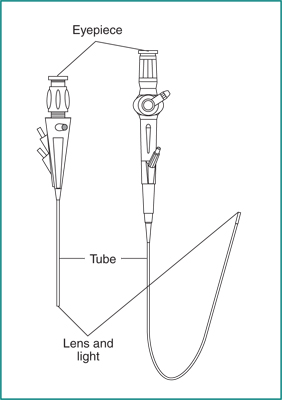
Cystoscopy. Cystoscopy uses a cystoscope to look inside the urethra and bladder. A cystoscope is a long, thin optical instrument with an eyepiece at one end, a rigid or flexible tube in the middle, and a tiny lens and light at the other end of the tube. By looking through the cystoscope, the urologist can see detailed images of the lining of the urethra and bladder. The urethra and bladder are part of the urinary tract.

Ureteroscopy. Ureteroscopy uses a ureteroscope to look inside the ureters and kidneys. Like a cystoscope, a ureteroscope has an eyepiece at one end, a rigid or flexible tube in the middle, and a tiny lens and light at the other end of the tube. However, a ureteroscope is longer and thinner than a cystoscope so the urologist can see detailed images of the lining of the ureters and kidneys. The ureters and kidneys are also part of the urinary tract.

Drawing of a rigid cystoscope and a flexible ureteroscope with eyepieces, tubes, and lenses and light labeled.
Rigid cystoscope (left) and flexible ureteroscope (right)

What is the urinary tract and how does it work?

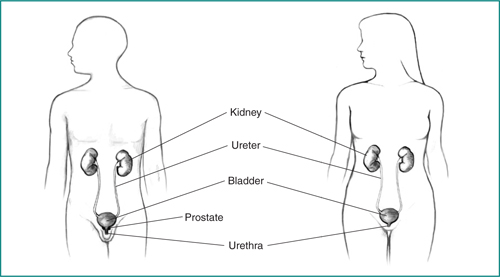
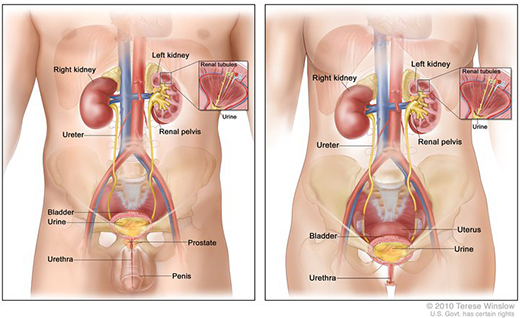
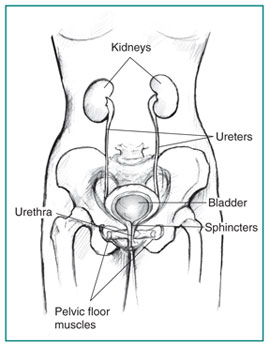
The urinary tract is the body’s drainage system for removing urine, which is composed of wastes and extra fluid. In order for normal urination to occur, all body parts in the urinary tract need to work together in the correct order.

Kidneys. The kidneys are two bean-shaped organs, each about the size of a fist. They are located just below the rib cage, one on each side of the spine. Every day, the kidneys filter about 120 to 150 quarts of blood to produce about 1 to 2 quarts of urine. The kidneys work around the clock; a person does not control what they do.

Ureters. Ureters are the thin tubes of muscle—one on each side of the bladder—that carry urine from each of the kidneys to the bladder.

Bladder. The bladder, located in the pelvis between the pelvic bones, is a hollow, muscular, balloon-shaped organ that expands as it fills with urine. Although a person does not control kidney function, a person does control when the bladder empties. Bladder emptying is known as urination. The bladder stores urine until the person finds an appropriate time and place to urinate. A normal bladder acts like a reservoir and can hold 1.5 to 2 cups of urine. How often a person needs to urinate depends on how quickly the kidneys produce the urine that fills the bladder. The muscles of the bladder wall remain relaxed while the bladder fills with urine. As the bladder fills to capacity, signals sent to the brain tell a person to find a toilet soon. During urination, the bladder empties through the urethra, located at the bottom of the bladder.

Three sets of muscles work together like a dam, keeping urine in the bladder.

The first set is the muscles of the urethra itself. The area where the urethra joins the bladder is the bladder neck. The bladder neck, composed of the second set of muscles known as the internal sphincter, helps urine stay in the bladder. The third set of muscles is the pelvic floor muscles, also referred to as the external sphincter, which surround and support the urethra.

To urinate, the brain signals the muscular bladder wall to tighten, squeezing urine out of the bladder. At the same time, the brain signals the sphincters to relax. As the sphincters relax, urine exits the bladder through the urethra.

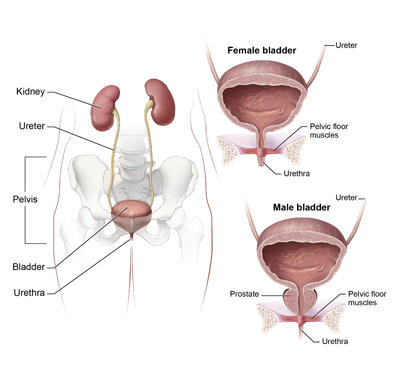
Drawing of male and female urinary tracts with the kidney, ureter, bladder, prostate (male), and urethra labeled.
Male (left) and female (right) urinary tracts

Why is a cystoscopy or ureteroscopy performed?

A urologist performs a cystoscopy or ureteroscopy to find the cause of, and sometimes treat, urinary tract problems.

Cystoscopy. A urologist performs a cystoscopy to find the cause of urinary tract problems such as

  • frequent urinary tract infections (UTIs)
  • hematuria—blood in the urine
  • urinary frequency—urination eight or more times a day
  • urinary urgency—the inability to delay urination
  • urinary retention—the inability to empty the bladder completely
  • urinary incontinence—the accidental loss of urine
  • pain or burning before, during, or after urination
  • trouble starting urination, completing urination, or both
  • abnormal cells, such as cancer cells, found in a urine sample

During a cystoscopy, a urologist can see

  • stones—solid pieces of material in the bladder that may have formed in the kidneys or in the bladder when substances that are normally in the urine become highly concentrated.
  • abnormal tissue, polyps, tumors, or cancer in the urethra or bladder.
  • stricture, a narrowing of the urethra. Stricture can be a sign of an enlarged prostate in men or of scar tissue in the urethra.

During a cystoscopy, a urologist can treat problems such as bleeding in the bladder and blockage in the urethra. A urologist may also use a cystoscopy to

  • remove a stone in the bladder or urethra.
  • remove or treat abnormal tissue, polyps, and some types of tumors.
  • take small pieces of urethral or bladder tissue for examination with a microscope—a procedure called a biopsy.
  • inject material into the wall of the urethra to treat urinary leakage.
  • inject medication into the bladder to treat urinary leakage.
  • obtain urine samples from the ureters.
  • perform retrograde pyelography—an x-ray procedure in which a urologist injects a special dye, called contrast medium, into a ureter to the kidney to create images of urinary flow. The test can show causes of obstruction, such as kidney stones and tumors.
  • remove a stent that was placed in the ureter after a ureteroscopy with biopsy or stone removal. A stent is a small, soft tube.

Ureteroscopy. In addition to the causes of urinary tract problems he or she can find with a cystoscope, a urologist performs a ureteroscopy to find the cause of urine blockage in a ureter or to evaluate other abnormalities inside the ureters or kidneys.

During a ureteroscopy, a urologist can see

  • a stone in a ureter or kidney
  • abnormal tissue, polyps, tumors, or cancer in a ureter or in the lining of a kidney

During a ureteroscopy, a urologist can treat problems such as urine blockage in a ureter. The urologist can also

  • remove a stone from a ureter or kidney
  • remove or treat abnormal tissue, polyps, and some types of tumors
  • perform a biopsy of a ureter or kidney

After a ureteroscopy, the urologist may need to place a stent in a ureter to drain urine from the kidney to the bladder while swelling in the ureter goes away. The stent, which is completely inside the body, may cause some discomfort in the kidney or bladder area. The discomfort is generally mild. The stent may be left in the ureter for a few days to a week or more. The urologist may need to perform a cystoscopy to remove the stent in the ureter.

How does a patient prepare for a cystoscopy or ureteroscopy?

In many cases, a patient does not need special preparations for a cystoscopy. A health care provider may ask the patient to drink plenty of liquids before the procedure, as well as urinate immediately before the procedure.

The patient may need to give a urine sample to test for a UTI. If the patient has a UTI, the urologist may treat the infection with antibiotics before performing a cystoscopy or ureteroscopy. A health care provider will provide instructions before the cystoscopy or ureteroscopy. These instructions may include

  • when to stop certain medications, such as blood thinners
  • when to stop eating and drinking
  • when to empty the bladder before the procedure
  • arranging for a ride home after the procedure

The urologist will ask about the patient’s medical history, current prescription and over-the-counter medications, and allergies to medications, including anesthetics. The urologist will talk about which anesthetic is best for the procedure and explain what the patient can expect after the procedure.

How is a cystoscopy or ureteroscopy performed?

A urologist performs a cystoscopy or ureteroscopy during an office visit or in an outpatient center or a hospital. For some patients, the urologist will apply an anesthetic gel around the urethral opening or inject a local anesthetic into the urethra. Some patients may require sedation or general anesthesia. The urologist often gives patients sedatives and general anesthesia for a

  • ureteroscopy
  • cystoscopy with biopsy
  • cystoscopy to inject material into the wall of the urethra
  • cystoscopy to inject medication into the bladder

For sedation and general anesthesia, a nurse or technician places an intravenous (IV) needle in a vein in the arm or hand to give the medication. Sedation helps the patient relax and be comfortable. General anesthesia puts the patient into a deep sleep during the procedure. The medical staff will monitor the patient’s vital signs and try to make him or her as comfortable as possible. During both procedures, a woman will lie on her back with the knees up and spread apart. During a cystoscopy, a man can lie on his back or be in a sitting position.

After the anesthetic has taken effect, the urologist gently inserts the tip of the cystoscope or ureteroscope into the urethra and slowly glides it through the urethra and into the bladder. A sterile liquid—water or salt water, called saline—flows through the cystoscope or ureteroscope to slowly fill the bladder and stretch it so the urologist has a better view of the bladder wall. As the bladder fills with liquid, the patient may feel some discomfort and the urge to urinate. The urologist may remove some of the liquid from the bladder during the procedure. As soon as the procedure is over, the urologist may remove the liquid from the bladder or the patient may empty the bladder.

For a cystoscopy, the urologist examines the lining of the urethra as he or she passes the cystoscope into the bladder. The urologist then examines the lining of the bladder. The urologist can insert small instruments through the cystoscope to treat problems in the urethra and bladder or perform a biopsy.

For a ureteroscopy, the urologist passes the ureteroscope through the bladder and into a ureter. The urologist then examines the lining of the ureter. He or she may pass the ureteroscope all the way up into the kidney. The urologist can insert small instruments through the ureteroscope to treat problems in the ureter or kidney or perform a biopsy.

When a urologist performs a cystoscopy or a ureteroscopy to make a diagnosis, both procedures—including preparation—take 15 to 30 minutes. The time may be longer if the urologist removes a stone in the bladder or a ureter or if he or she performs a biopsy.

What can a patient expect after a cystoscopy or ureteroscopy?

After a cystoscopy or ureteroscopy, a patient may

  • have a mild burning feeling when urinating
  • see small amounts of blood in the urine
  • have mild discomfort in the bladder area or kidney area when urinating
  • need to urinate more frequently or urgently

These problems should not last more than 24 hours. The patient should tell a health care provider right away if bleeding or pain is severe or if problems last more than a day.

The health care provider may recommend that the patient

  • drink 16 ounces of water each hour for 2 hours after the procedure
  • take a warm bath to relieve the burning feeling
  • hold a warm, damp washcloth over the urethral opening to relieve discomfort
  • take an over-the-counter pain reliever

The health care provider may prescribe an antibiotic to take for 1 or 2 days to prevent an infection. A patient should report any signs of infection—including severe pain, chills, or fever—right away to the health care provider.

Most patients go home the same day as the procedure. Recovery depends on the type of anesthesia. A patient who receives only a local anesthetic can go home immediately. A patient who receives general anesthesia may have to wait 1 to 4 hours before going home. A health care provider usually asks the patient to urinate before leaving. In some cases, the patient may need to stay overnight in the hospital. A health care provider will provide discharge instructions for rest, driving, and physical activities after the procedure.

What are the risks of cystoscopy and ureteroscopy?

The risks of cystoscopy and ureteroscopy include

  • UTIs
  • abnormal bleeding
  • abdominal pain
  • a burning feeling or pain during urination
  • injury to the urethra, bladder, or ureters
  • urethral narrowing due to scar tissue formation
  • the inability to urinate due to swelling of surrounding tissues
  • complications from anesthesia

Points to Remember

  • Cystoscopy and ureteroscopy are common procedures performed by a urologist to look inside the urinary tract.
  • Cystoscopy uses a cystoscope to look inside the urethra and bladder.
  • Ureteroscopy uses a ureteroscope to look inside the ureters and kidneys.
  • A urologist performs a cystoscopy or ureteroscopy to find the cause of, and sometimes treat, urinary tract problems.
  • In many cases, a patient does not need special preparations for a cystoscopy.
  • A urologist performs a cystoscopy or ureteroscopy during an office visit or in an outpatient center or a hospital.
  • After a cystoscopy or ureteroscopy, a patient may
    • have a mild burning feeling when urinating
    • see small amounts of blood in the urine
    • have mild discomfort in the bladder area or kidney area when urinating
    • need to urinate more frequently or urgently
  • These problems should not last more than 24 hours.
  • Most patients go home the same day as the procedure.

Clinical Trials

The National Institute of Diabetes and Digestive and Kidney Diseases (NIDDK) and other components of the National Institutes of Health (NIH) conduct and support research into many diseases and conditions.

What are clinical trials, and are they right for you?

Clinical trials are part of clinical research and at the heart of all medical advances. Clinical trials look at new ways to prevent, detect, or treat disease. Researchers also use clinical trials to look at other aspects of care, such as improving the quality of life for people with chronic illnesses. Find out if clinical trials are right for you.

What clinical trials are open?

Clinical trials that are currently open and are recruiting can be viewed at www.ClinicalTrials.gov.

This content is provided as a service of the National Institute of Diabetes and Digestive and Kidney Diseases (NIDDK), part of the National Institutes of Health. The NIDDK translates and disseminates research findings through its clearinghouses and education programs to increase knowledge and understanding about health and disease among patients, health professionals, and the public. Content produced by the NIDDK is carefully reviewed by NIDDK scientists and other experts.

The NIDDK would like to thank:
Michael B. Chancellor, M.D., University of Pittsburgh Medical Center; William D. Steers, M.D., University of Virginia; Keith N.Van Arsdalen, M.D., Perelman School of Medicine, University of Pennsylvania

Eating, Diet, & Nutrition

Can I help prevent kidney stones by changing what I eat or drink?

Drinking enough liquid, mainly water, is the most important thing you can do to prevent kidney stones. Unless you have kidney failure, many health care professionals recommend that you drink six to eight, 8-ounce glasses a day. Talk with a health care professional about how much liquid you should drink.

Studies have shown that the Dietary Approaches to Stop Hypertension (DASH) diet can reduce the risk of kidney stones. Learn more about the DASH diet.2

Studies have shown that being overweight increases your risk of kidney stones. A dietitian can help you plan meals to help you lose weight.

Does the type of kidney stone I had affect food choices I should make?

Yes. If you have already had kidney stones, ask your health care professional which type of kidney stone you had. Based on the type of kidney stone you had, you may be able to prevent kidney stones by making changes in how much sodium, animal protein, calcium, or oxalate is in the food you eat.

You may need to change what you eat and drink for these types of kidney stones:

A dietitian who specializes in kidney stone prevention can help you plan meals to prevent kidney stones. Find a dietitian who can help you.

Calcium Oxalate Stones

Reduce oxalate

If you’ve had calcium oxalate stones, you may want to avoid these foods to help reduce the amount of oxalate in your urine:

  • nuts and nut products
  • peanuts—which are legumes, not nuts, and are high in oxalate
  • rhubarb
  • spinach
  • wheat bran

Talk with a health care professional about other food sources of oxalate and how much oxalate should be in what you eat.

Reduce sodium

Your chance of developing kidney stones increases when you eat more sodium. Sodium is a part of salt. Sodium is in many canned, packaged, and fast foods. It is also in many condiments, seasonings, and meats.

Talk with a health care professional about how much sodium should be in what you eat. See tips to reduce your sodium intake.

Limit animal protein

Eating animal protein may increase your chances of developing kidney stones.

A health care professional may tell you to limit eating animal protein, including

  • beef, chicken, and pork, especially organ meats
  • eggs
  • fish and shellfish
  • milk, cheese, and other dairy products

Although you may need to limit how much animal protein you eat each day, you still need to make sure you get enough protein. Consider replacing some of the meat and animal protein you would typically eat with beans, dried peas, and lentils, which are plant-based foods that are high in protein and low in oxalate.

Talk with a health care professional about how much total protein you should eat and how much should come from animal or plant-based foods.

Get enough calcium from foods

Even though calcium sounds like it would be the cause of calcium stones, it’s not. In the right amounts, calcium can block other substances in the digestive tract that may cause stones. Talk with a health care professional about how much calcium you should eat to help prevent getting more calcium oxalate stones and to support strong bones. It may be best to get calcium from low-oxalate, plant-based foods such as calcium-fortified juices, cereals, breads, some kinds of vegetables, and some types of beans. Ask a dietitian or other health care professional which foods are the best sources of calcium for you.

Calcium Phosphate Stones

Reduce sodium

Your chance of developing kidney stones increases when you eat more sodium. Sodium is a part of salt. Sodium is in many canned, packaged, and fast foods. It is also in many condiments, seasonings, and meats.

Talk with a health care professional about how much sodium should be in what you eat. See tips to reduce your sodium intake.

Limit animal protein

Eating animal protein may increase your chances of developing kidney stones.

A health care professional may tell you to limit eating animal protein, including

  • beef, chicken, and pork, especially organ meats
  • eggs
  • fish and shellfish
  • milk, cheese, and other dairy products

Although you may need to limit how much animal protein you have each day, you still need to make sure you get enough protein. Consider replacing some of the meat and animal protein you would typically eat with some of these plant-based foods that are high in protein:

  • legumes such as beans, dried peas, lentils, and peanuts
  • soy foods, such as soy milk, soy nut butter, and tofu
  • nuts and nut products, such as almonds and almond butter, cashews and cashew butter, walnuts, and pistachios
  • sunflower seeds

Talk with a health care professional about how much total protein you should eat and how much should come from animal or plant-based foods.

Get enough calcium from foods

Even though calcium sounds like it would be the cause of calcium stones, it’s not. In the right amounts, calcium can block other substances in the digestive tract that may lead to stones. Talk with a health care professional about how much calcium you should eat to help prevent getting more calcium phosphate stones and to support strong bones. It may be best to get calcium from plant-based foods such as calcium-fortified juices, cereals, breads, some kinds of vegetables, and some types of beans. Ask a dietitian or other health care professional which foods are the best sources of calcium for you.

Uric Acid Stones

Limit animal protein

Eating animal protein may increase your chances of developing kidney stones.

A health care professional may tell you to limit eating animal protein, including

  • beef, chicken, and pork, especially organ meats
  • eggs
  • fish and shellfish
  • milk, cheese, and other dairy products

Although you may need to limit how much animal protein you have each day, you still need to make sure you get enough protein. Consider replacing some of the meat and animal protein you would typically eat with some of these plant-based foods that are high in protein:

  • legumes such as beans, dried peas, lentils, and peanuts
  • soy foods, such as soy milk, soy nut butter, and tofu
  • nuts and nut products, such as almonds and almond butter, cashews and cashew butter, walnuts, and pistachios
  • sunflower seeds

Talk with a health care professional about how much total protein you should eat and how much should come from animal or plant-based foods.

Losing weight if you are overweight is especially important for people who have had uric acid stones.

Cystine Stones

Drinking enough liquid, mainly water, is the most important lifestyle change you can make to prevent cystine stones. Talk with a health care professional about how much liquid you should drink.

References

This content is provided as a service of the National Institute of Diabetes and Digestive and Kidney Diseases (NIDDK), part of the National Institutes of Health. The NIDDK translates and disseminates research findings through its clearinghouses and education programs to increase knowledge and understanding about health and disease among patients, health professionals, and the public. Content produced by the NIDDK is carefully reviewed by NIDDK scientists and other experts.

Erectile Dysfunction (ED)

Definition & Facts

What is erectile dysfunction?

Erectile dysfunction (ED) is a condition in which you are unable to get or keep an erection firm enough for satisfactory sexual intercourse. ED can be a short-term or long-term problem. You have ED when you

  • can get an erection sometimes, but not every time you want to have sex
  • can get an erection, but it does not last long enough for fulfilling or satisfactory sex
  • are unable to get an erection at any time

Health care professionals, such as primary care providers and urologists, often can treat ED. Although ED is very common, it is not a normal part of aging. Talk with a health care professional if you have any ED symptoms. ED could be a sign of a more serious health problem.

You may find it embarrassing and difficult to talk with a health care professional about ED. However, remember that a healthy sex life can improve your quality of life and is part of a healthy life overall. Health care professionals, especially urologists, are trained to speak to people about many kinds of sexual problems.

Does erectile dysfunction have another name?

ED is sometimes called impotence, but health care professionals use this term less often now so it won’t be confused with other, nonmedical meanings of the word.

How common is erectile dysfunction?

ED is very common. It affects about 30 million men in the United States.1

A man and a woman walk on a beach.
Although erectile dysfunction (ED) is very common, it is not a normal part of aging; talk with your health care professional about treatment.

Who is more likely to develop erectile dysfunction?

You are more likely to develop ED if you

  • are older
  • have certain diseases or conditions
  • take certain medicines
  • have certain psychological or emotional issues
  • have certain health-related factors or behaviors, such as overweight or smoking

Read about how certain factors can cause or contribute to ED.

What are the complications of erectile dysfunction?

Complications of ED may include

  • an unfulfilled sex life
  • a loss of intimacy between you and a partner, resulting in a strained relationship
  • depression, anxiety, and low self-esteem
  • being unable to get a partner pregnant

Depression, anxiety, and low self-esteem can also contribute to ED, creating a cycle of health problems.

References


Symptoms & Causes

What are the symptoms of erectile dysfunction?

Symptoms of ED include

  • being able to get an erection sometimes, but not every time you want to have sex
  • being able to get an erection, but not having it last long enough for sex
  • being unable to get an erection at any time

ED is often a symptom of another health problem or health-related factor.

A man having trouble sleeping.
Erectile dysfunction (ED) is often a symptom of another health problem.

What causes erectile dysfunction?

Many different factors affecting your vascular system, nervous system, and endocrine system can cause or contribute to ED.

Although you are more likely to develop ED as you age, aging does not cause ED. ED can be treated at any age.

Certain diseases and conditions

The following diseases and conditions can lead to ED:

Men who have diabetes are two to three times more likely to develop ED than men who do not have diabetes. Read more about diabetes and sexual and urologic problems.

Taking certain medicines

ED can be a side effect of many common medicines, such as

View a list of specific medicines that may cause ED.

Certain psychological or emotional issues

Psychological or emotional factors may make ED worse. You may develop ED if you have one or more of the following:

  • fear of sexual failure
  • anxiety
  • depression
  • guilt about sexual performance or certain sexual activities
  • low self-esteem
  • stress—about sexual performance, or stress in your life in general

Certain health-related factors and behaviors

The following health-related factors and behaviors may contribute to ED:

  • smoking
  • drinking too much alcohol
  • using illegal drugs
  • being overweight
  • not being physically active

Diagnosis

How do doctors diagnose erectile dysfunction?

A doctor, such as a urologist, diagnoses erectile dysfunction (ED) with a medical and sexual history, and a mental health and physical exam. You may find it difficult to talk with a health care professional about ED. However, remember that a healthy sex life is part of a healthy life. The more your doctor knows about you, the more likely he or she can help treat your condition.

Medical and sexual history

Taking a medical and sexual history is one of the first things a doctor will do to help diagnose ED. He or she will ask you to provide information, such as

  • how you would rate your confidence that you can get and keep an erection
  • how often your penis is firm enough for intercourse when you have erections from sexual stimulation
  • how often you are able to maintain an erection during sexual intercourse
  • how often you find sexual intercourse satisfying
  • if you have an erection when you wake up in the morning
  • how you would rate your level of sexual desire
  • how often you’re able to climax, or orgasm, and ejaculate
  • any surgeries or treatments that may have damaged your nerves or blood vessels near the penis
  • any prescription or over-the-counter medicines you take
  • if you use illegal drugs, drink alcohol, or smoke

This information will help your doctor understand your ED problem. The medical history can reveal diseases and treatments that lead to ED. Reviewing your sexual activity can help your doctor diagnose problems with sexual desire, erection, climax, or ejaculation.

A health care professional takes a man’s blood pressure.
A doctor will take a medical and sexual history to help diagnose the cause of your erectile dysfunction (ED).

Mental health and physical exam

A health care professional may ask you some personal questions and use a questionnaire to help diagnose any psychological or emotional issues that may be leading to ED. The health care professional may also ask your sexual partner questions about your relationship and how it may affect your ED.

He or she also will perform a physical exam to help diagnose the causes of ED. During the physical exam, a health care professional most often checks your

  • penis to find out if it’s sensitive to touch. If the penis lacks sensitivity, a problem in the nervous system may be the cause.
  • penis’s appearance for the source of the problem. For example, Peyronie’s disease causes the penis to bend or curve when erect.
  • body for extra hair or breast enlargement, which can point to hormonal problems.
  • blood pressure.
  • pulse in your wrist and ankles to see if you have a problem with circulation.

Lab tests

Blood tests can uncover possible causes of ED, such as diabetes, atherosclerosis, chronic kidney disease, and hormonal problems.

Imaging tests

A technician most often performs a Doppler ultrasound in a doctor’s office or an outpatient center. The ultrasound can detect poor blood flow through your penis. The technician passes a handheld device lightly over your penis to measure blood flow. Color images on a computer screen show the speed and direction blood is flowing through a blood vessel. A radiologist or urologist interprets the images. During this exam, a health care professional may inject medicine into your penis to create an erection.

Other tests

Nocturnal erection test. During a nocturnal, or nighttime, erection test, you wear a plastic, ring-like device around your penis to test whether you have erections during the night while you sleep. This test usually takes place at home or in a special sleep lab. A more involved version of this test uses an electronic monitoring device that will record how firm the erections are, the number of erections, and how long they last.

Each night during deep sleep, a man normally has three to five erections. If you have erections during either type of test, it shows that you are physically able to have an erection and that the cause of your ED is more likely a psychological or emotional issue. If you do not have an erection during either test, your ED is more likely due to a physical cause.

Injection test. During an injection test, also called intracavernosal injection, a health care professional will inject a medicine into your penis to cause an erection. In some cases, a health care professional may insert the medicine into your urethra instead. The health care professional will evaluate how full your penis becomes and how long your erection lasts. Either test helps the health care professional find the cause for your ED. The tests most often take place in a health care professional’s office.


Treatment

How can I treat erectile dysfunction?

You can work with a health care professional to treat an underlying cause of your erectile dysfunction (ED). Choosing an ED treatment is a personal decision. However, you also may benefit from talking with your partner about which treatment is best for you as a couple.

Lifestyle changes

Your health care professional may suggest that you make lifestyle changes to help reduce or improve ED. You can

You can seek help from a health professional if you have trouble making these changes on your own.

Go to counseling

Talk with your doctor about going to a counselor if psychological or emotional issues are affecting your ED. A counselor can teach you how to lower your anxiety or stress related to sex. Your counselor may suggest that you bring your partner to counseling sessions to learn how to support you. As you work on relieving your anxiety or stress, a doctor can focus on treating the physical causes of ED.

 A woman and man talk with each other and a counselor.
Your counselor may suggest that you bring your partner to counseling sessions to learn how to support you.

How do doctors treat erectile dysfunction?

Change your medicines

If a medicine you need for another health condition is causing ED, your doctor may suggest a different dose or different medicine. Never stop taking a medicine without speaking with your doctor first. Read about which medicines make it more likely that you’ll develop ED.

Prescribe medicines you take by mouth

A health care professional may prescribe you an oral medicine, or medicine you take by mouth, such as one of the following, to help you get and maintain an erection:

All of these medicines work by relaxing smooth muscles and increasing blood flow in the penis during sexual stimulation. You should not take any of these medicines to treat ED if you are taking nitrates to treat a heart condition. Nitrates widen and relax your blood vessels. The combination can lead to a sudden drop in blood pressure, which may cause you to become faint or dizzy, or fall, leading to possible injuries.

Also talk to your health care professional if you are taking alpha-blockers to treat prostate enlargement. The combination of alpha-blockers and ED medicines also could cause a sudden drop in blood pressure.

A health care professional may prescribe testosterone if you have low levels of this hormone in your blood. Although taking testosterone may help your ED, it is often unhelpful if your ED is caused by circulatory or nerve problems. Taking testosterone also may lead to side effects, including a high red blood cell count and problems urinating.

Testosterone treatment also has not been proven to help ED associated with age-related or late-onset hypogonadism. Do not take testosterone therapy that hasn’t been prescribed by your doctor. Testosterone therapy can affect how your other medicines work and can cause serious side effects.

A man seated taking oral medicine with water.
A health care professional may prescribe you an oral medicine to help you get and maintain an erection.

Prescribe injectable medicines and suppositories

Many men get stronger erections by injecting a medicine called alprostadil into the penis, causing it to become filled with blood. Oral medicines can improve your response to sexual stimulation, but they do not trigger an automatic erection like injectable medicines do.

Instead of injecting a medicine, some men insert a suppository of alprostadil into the urethra. A suppository is a solid piece of medicine that you insert into your body where it dissolves. A health care professional will prescribe a prefilled applicator for you to insert the pellet about an inch into your urethra. An erection will begin within 8 to 10 minutes and may last 30 to 60 minutes.

Discuss alternative medicines

Some men say certain alternative medicines taken by mouth can help them get and maintain an erection. However, not all “natural” medicines or supplements are safe. Combinations of certain prescribed and alternative medicines could cause major health problems. To help ensure coordinated and safe care, discuss your use of alternative medicines, including use of vitamin and mineral supplements, with a health care professional. Also, never order a medicine online without talking with your doctor.

A health care professional listens to a male patient.
To help ensure coordinated and safe care, discuss your use of alternative medicines, including use of vitamin and mineral supplements, with a health care professional.

How will side effects of erectile dysfunction medicines affect me?

ED medicines that you take by mouth, through an injection, or as a pellet in the urethra can have side effects, including a lasting erection known as priapism. Call a health care professional right away if an erection lasts 4 hours or longer.

A small number of men have vision or hearing loss after taking oral ED medicines. Call your health care professional right away if you develop these problems.

Prescribe a vacuum device

A vacuum device causes an erection by pulling blood into the penis. The device has three parts:

  • a plastic tube, which you put around your penis
  • a pump, which draws air out of the tube, creating a vacuum
  • an elastic ring, which you move from the end of the tube to the base of your penis as you remove the tube

The elastic ring maintains the erection during intercourse by preventing blood from flowing back into your body. The elastic ring can remain in place up to 30 minutes. Remove the ring after that time to bring back normal circulation and to prevent skin irritation.

You may find that using a vacuum device requires some practice or adjustment. Using the device may make your penis feel cold or numb and have a purple color. You also may have bruising on your penis. However, the bruises are most often painless and disappear in a few days. Vacuum devices may weaken ejaculation but, in most cases, the devices do not affect the pleasure of climax, or orgasm.

A black and white illustration of a man using a vacuum device on his penis. The device includes an elastic ring, a pump, and a cylinder.
A vacuum device causes an erection by pulling blood into the penis.

Recommend Surgery

For most men, surgery should be a last resort. Talk with your doctor about whether surgery is right for you. A urologist performs surgery at a surgical center or hospital to

  • implant a device to make the penis erect
  • rebuild arteries to increase blood flow to the penis

Implanted devices. Implanted devices, known as prostheses, can help many men with ED have an erection. Implants are typically placed by a urologist. The two types of devices are

  • inflatable implants, which make your penis longer and wider using a pump in the scrotum
  • malleable implants, which are rods that allow you to manually adjust the position of your penis

You usually can leave the hospital the day of or day after the surgery. You should be able to use the implant 4 to 6 weeks after the surgery.

Once you have either implant, you must use the device to get an erection. Possible problems with implants include breaking and infection.

Artery reconstruction. Surgery to repair arteries can reverse ED caused by blockages that stop blood flow to the penis. Usually men younger than 30 are the best candidates for this type of surgery.


Prevention

What steps can I take to prevent erectile dysfunction?

You can help prevent many of the causes of erectile dysfunction (ED).

Quit smoking

If you smoke, get help quitting. Smoking is linked to heart and blood vessel disease, which can lead to ED. Even when heart and blood vessel disease and other possible causes of ED are taken into account, smoking still increases the chances that you will have ED.

Follow a healthy eating plan

To help maintain erectile function, choose whole-grain foods, low-fat dairy foods, fruits and vegetables, and lean meats. Avoid foods high in fat, especially saturated fat, and sodium. Follow a healthy eating plan to help aim for a healthy weight, and control your blood pressure and diabetes. Controlling your blood pressure and diabetes may help prevent ED.

Also, avoid drinking too much alcohol. If you are having trouble cutting out alcohol, see a counselor who has expert knowledge in treating people who drink too much.

Men and women eat a healthy meal together.
Take steps to prevent erectile dysfunction (ED): quit smoking, follow a healthy eating plan, maintain a healthy weight, and be physically active.

Maintain a healthy weight to prevent diabetes and high blood pressure

Maintaining a healthy weight also can help delay the start of diabetes and keep your blood pressure down. Talk with your doctor about how to prevent diabetes—or manage the disease if you already have it. Get regular checkups to measure your blood pressure.

If you need to lose weight, talk with your health care provider about how to lose weight safely. Ask for a referral to a dietitian who can help you plan healthy meals to lose weight. Losing weight may help reduce inflammation, increase testosterone levels, and increase self-esteem, all of which may help prevent ED. If you are at a healthy weight for your height, maintain that weight through healthy eating and physical activity.

Be physically active

Physical activity increases blood flow through your body, including the penis. Talk with a health care professional before starting new activities. Beginners should start slow, with easier activities such as walking at a normal pace or gardening. You can gradually work up to harder activities, such as walking briskly or swimming. Aim for at least 30 minutes of activity most days of the week.

Avoid using illegal drugs

Using illegal drugs may prevent you from getting or keeping an erection. For instance, some illegal drugs may prevent you from becoming aroused or feeling other sensations. Using illegal drugs may mask other psychological, emotional, or physical factors that may be causing your ED. Talk with your health care provider if you think you need help with drug abuse.


Clinical Trials

The National Institute of Diabetes and Digestive and Kidney Diseases (NIDDK) and other components of the National Institutes of Health (NIH) conduct and support research into many diseases and conditions.

What are clinical trials, and are they right for you?

Clinical trials are part of clinical research and at the heart of all medical advances. Clinical trials look at new ways to prevent, detect, or treat disease. Researchers also use clinical trials to look at other aspects of care, such as improving the quality of life for people with chronic illnesses. Find out if clinical trials are right for you.

What clinical trials are open?

Clinical trials that are currently open and are recruiting can be viewed at www.ClinicalTrials.gov.


This content is provided as a service of the National Institute of Diabetes and Digestive and Kidney Diseases (NIDDK), part of the National Institutes of Health. The NIDDK translates and disseminates research findings through its clearinghouses and education programs to increase knowledge and understanding about health and disease among patients, health professionals, and the public. Content produced by the NIDDK is carefully reviewed by NIDDK scientists and other experts.

Hematuria: Blood in the Urine

What is hematuria?

Hematuria is the presence of blood in a person’s urine. The two types of hematuria are

  • gross hematuria—when a person can see the blood in his or her urine
  • microscopic hematuria—when a person cannot see the blood in his or her urine, yet it is seen under a microscope
Illustrations of a male and female torso showing the respective urinary tracts.
The male and female urinary tracts

What is the urinary tract?

The urinary tract is the body’s drainage system for removing wastes and extra fluid. The urinary tract includes

  • two kidneys
  • two ureters
  • the bladder
  • the urethra

The kidneys are two bean-shaped organs, each about the size of a fist. They are located just below the rib cage, one on each side of the spine. Every day, the kidneys filter about 120 to 150 quarts of blood to produce about 1 to 2 quarts of urine, composed of wastes and extra fluid. Children produce less urine than adults. The urine flows from the kidneys to the bladder through tubes called ureters. The bladder stores urine until releasing it through urination. When the bladder empties, urine flows out of the body through a tube called the urethra at the bottom of the bladder.

What causes hematuria?

Reasons people may have blood in the urine include

  • infection in the bladder, kidney, or prostate
  • trauma
  • vigorous exercise
  • viral illness, such as hepatitis—a virus that causes liver disease and inflammation of the liver
  • sexual activity
  • menstruation
  • endometriosis—a problem in women that occurs when the kind of tissue that normally lines the uterus grows somewhere else, such as the bladder

More serious reasons people may have hematuria include

  • bladder or kidney cancer
  • inflammation of the kidney, urethra, bladder, or prostate—a walnut-shaped gland in men that surrounds the urethra and helps make semen
  • blood-clotting disorders, such as hemophilia
  • sickle cell disease—a genetic disorder in which a person’s body makes abnormally shaped red blood cells
  • polycystic kidney disease—a genetic disorder in which many cysts grow on a person’s kidneys

Who is more likely to develop hematuria?

People who are more likely to develop hematuria may

  • have an enlarged prostate
  • have urinary stones
  • take certain medications, including blood thinners, aspirin and other pain relievers, and antibiotics
  • do strenuous exercise, such as long-distance running
  • have a bacterial or viral infection, such as streptococcus or hepatitis
  • have a family history of kidney disease
  • have a disease or condition that affects one or more organs

What are the symptoms of hematuria?

People with gross hematuria have urine that is pink, red, or brown. Even a small amount of blood in the urine can cause urine to change color. In most cases, people with gross hematuria do not have other signs and symptoms. People with gross hematuria that includes blood clots in the urine may have bladder pain or pain in the back.

How is hematuria diagnosed?

A health care professional diagnoses hematuria or the cause of the hematuria with

  • a medical history
  • a physical exam
  • urinalysis
  • additional testing

Medical History

Taking a medical history may help a health care professional diagnose the cause of hematuria. He or she will ask the patient to provide a medical history, a review of symptoms, and a list of prescription and over-the-counter medications. The health care professional will also ask about current and past medical conditions.

Physical Exam

During a physical exam, a health care professional most often taps on the abdomen and back, checking for pain or tenderness in the bladder and kidney area. A health care professional may perform a digital rectal exam on a man to look for any prostate problems. A health care professional may perform a pelvic exam on a woman to look for the source of possible red blood cells in the urine.

Digital rectal exam. A digital rectal exam is a physical exam of a man’s prostate and rectum. To perform the exam, the health care professional has the man bend over a table or lie on his side while holding his knees close to his chest. The health care professional slides a gloved, lubricated finger into the patient’s rectum and feels the part of the prostate that lies in front of the rectum. The digital rectal exam is used to check for prostate inflammation, an enlarged prostate, or prostate cancer.

Pelvic exam. A pelvic exam is a visual and physical exam of a woman’s pelvic organs. The health care professional has the woman lie on her back on an exam table and place her feet on the corners of the table or in supports. The health care professional looks at the pelvic organs and slides a gloved, lubricated finger into the vagina to check for problems that may be causing blood in the urine.

Urinalysis

The health care professional can test the urine in the office using a dipstick or can send it out to a lab for analysis. Sometimes urine tests using a dipstick can be positive even though the patient has no blood in the urine, which results in a “false-positive” test. The health care professional may look for red blood cells by examining the urine under a microscope before ordering further tests.

Prior to obtaining a urine sample, the health care professional may ask a woman when she last menstruated. Sometimes blood from a woman’s menstrual period can get into her urine sample and can result in a false-positive test for hematuria. The test should be repeated after the woman stops menstruating.

Image of a lab technician analyzing viles of red blood cells.
The health care professional may confirm the presence of red blood cells by examining the urine under a microscope before ordering further tests.

Additional Testing

Sometimes, a health care professional will test the patient’s urine again. If the urine samples detect too many red blood cells, a health care professional may order additional tests:

  • Blood test. A blood test involves drawing blood at a health care professional’s office or a commercial facility and sending the sample to a lab for analysis. A blood test can detect high levels of creatinine, a waste product of normal muscle breakdown, which may indicate kidney disease. Other blood tests may detect signs of autoimmune diseases, such as lupus, or other diseases, such as prostate cancer, which can cause hematuria.
  • Computed tomography (CT) scan. CT scans use a combination of x-rays and computer technology to create images of the urinary tract, especially the kidneys. A health care professional may give the patient a solution to drink and an injection of contrast medium. CT scans require the patient to lie on a table that slides into a tunnel-shaped device that takes the x-rays. An x-ray technician performs the procedure in an outpatient center or a hospital, and a radiologist interprets the images. The patient does not need anesthesia. CT scans can help a doctor diagnose stones in the urinary tract, obstructions, infections, cysts, tumors, and traumatic injuries.
  • Cystoscopy. Cystoscopy is a procedure that a urologist—a doctor who specializes in urinary problems—performs to see inside the patient’s bladder and urethra using a cystoscope, a tubelike instrument. The health care professional performs cystoscopy in his or her office, in an outpatient center, or in a hospital. The patient may need pain medication. A cystoscopy can detect cancer in a patient’s bladder.
  • Kidney biopsy. Kidney biopsy is a procedure that involves taking a small piece of tissue from the kidney. A health care professional performs the biopsy in an outpatient center or a hospital. The health care professional will give the patient light sedation and local anesthetic. In some cases, the patient will require general anesthesia. A pathologist—a doctor who specializes in diagnosing diseases—examines the tissue in a lab. The biopsy can help diagnose if the hematuria is due to kidney disease.
  • Magnetic resonance imaging (MRI). MRI is a test that takes pictures of the patient’s internal organs and soft tissues without using x-rays. A specially trained technician performs the procedure in an outpatient center or a hospital, and a radiologist interprets the images. The patient does not need anesthesia, although patients with a fear of confined spaces may receive light sedation. An MRI may include the injection of contrast medium. With most MRI machines, the patient will lie on a table that slides into a tunnel-shaped device that may be open-ended or closed at one end. Some machines allow the patient to lie in a more open space. During an MRI, the patient should remain perfectly still while the technician takes the images. During the procedure, the patient will hear loud mechanical knocking and humming noises coming from the machine. An MRI can help diagnose problems in individual internal organs, such as the bladder or kidney.

More information is provided in the NIDDK health topic, Imaging of the Urinary Tract.

How is hematuria treated?

Health care professionals treat hematuria by treating its underlying cause. If no serious condition is causing a patient’s hematuria, he or she typically does not need treatment.

Eating, Diet, and Nutrition

Researchers have not found that eating, diet, and nutrition play a role in causing or preventing hematuria.

Points to Remember

  • Hematuria is the presence of blood in a person’s urine. Gross hematuria is when a person can see the blood in his or her urine, and microscopic hematuria is when a person cannot see the blood in his or her urine, yet a health care professional can see it under a microscope.
  • The causes of hematuria include vigorous exercise and sexual activity, among others.
  • More serious causes of hematuria include kidney or bladder cancer; inflammation of the kidney, urethra, bladder, or prostate; and polycystic kidney disease, among other causes.
  • People who are more likely to develop hematuria may have a family history of kidney disease, have an enlarged prostate, or have bladder or kidney stones, among other reasons.
  • People with gross hematuria have urine that is pink, red, or brown.
  • Most people with microscopic hematuria do not have any symptoms.
  • Taking a medical history may help a health care professional diagnose the cause of hematuria.
  • Health care professionals diagnose hematuria with a urine test called urinalysis.
  • If two of three urine samples detect too many red blood cells, a health care professional may order one or more additional tests.
  • Health care professionals treat hematuria by treating its underlying cause.
  • Researchers have not found that eating, diet, and nutrition play a role in causing or preventing hematuria.

Clinical Trials

The National Institute of Diabetes and Digestive and Kidney Diseases (NIDDK) and other components of the National Institutes of Health (NIH) conduct and support research into many diseases and conditions.

What are clinical trials, and are they right for you?

Clinical trials are part of clinical research and at the heart of all medical advances. Clinical trials look at new ways to prevent, detect, or treat disease. Researchers also use clinical trials to look at other aspects of care, such as improving the quality of life for people with chronic illnesses. Find out if clinical trials are right for you.

What clinical trials are open?

Clinical trials that are currently open and are recruiting can be viewed at www.ClinicalTrials.gov.

This content is provided as a service of the National Institute of Diabetes and Digestive and Kidney Diseases (NIDDK), part of the National Institutes of Health. The NIDDK translates and disseminates research findings through its clearinghouses and education programs to increase knowledge and understanding about health and disease among patients, health professionals, and the public. Content produced by the NIDDK is carefully reviewed by NIDDK scientists and other experts.

The NIDDK would like to thank:
Jeanne Charleston, R.N., Johns Hopkins Bloomberg School of Public Health

Interstitial Cystitis Painful Bladder Syndrome

Definition & Facts

What is IC?

Interstitial cystitis (IC), also called bladder pain syndrome, is a chronic, or long-lasting, condition that causes painful urinary symptoms. Symptoms of IC may be different from person to person. For example, some people feel mild discomfort, pressure, or tenderness in the pelvic area. Other people may have intense pain in the bladder or struggle with urinary urgency, the sudden need to urinate, or frequency, the need to urinate more often.

Health care professionals diagnose IC by ruling out other conditions with similar symptoms.

Researchers don’t know the exact cause of IC. Some researchers believe IC may result from conditions that cause inflammation in various organs and parts of the body.

Severe IC symptoms can affect your quality of life. You may feel like you can’t exercise or leave your home because you have to use the bathroom too often, or perhaps your relationship is suffering because sex is painful.

Working with health care professionals, including a urologist or urogynecologist, along with a pain specialist, may help improve your IC symptoms.

Illustration of the urinary tract and pelvis with close-up cross-sections of the female bladder, urethra, and pelvic floor muscles and the male bladder, prostate, urethra, and pelvic floor muscles.
Interstitial cystitis (IC) can cause pain in your bladder and pelvic area.

How common is IC?

IC is common. The condition may affect between 3 million and 8 million women and between 1 million and 4 million men in the United States.1

Who is more likely to develop IC?

IC can occur at any age, including during childhood, but is most common in adult women and men. About twice as many women are affected as men.1 However, more men may struggle with IC than researchers originally thought.

Some research suggests that women are more likely to develop IC if they have a history of being sexually abused or physically traumatized.2

What other health problems do people with IC have?

Many women with IC are more likely to have other conditions such as irritable bowel syndrome, fibromyalgia, and chronic fatigue syndrome.3 Allergies and some autoimmune diseases are also associated with IC.4

Vulvodynia, which is chronic pain in the vulva that often causes a burning or stinging feeling, or rawness, is commonly associated with IC.2 Vulvodynia has symptoms that overlap with IC.

What are the complications of IC?

The symptoms of IC—such as urgency, frequency, and pain—may lead you to decrease your physical and social activity and negatively affect your quality of life.

Women with pelvic pain or vulvodynia often have pain during sexual intercourse, which can damage your relationships and self-image. Men also can experience pelvic pain that causes uncomfortable or painful sex. Sometimes sex can increase bladder pain attacks, also called symptom flares.

Sexual complications may cause people to avoid further intimacy, possibly leading to depression and guilt. Like many people who deal with chronic pain, people with IC are more likely to struggle with sleep loss due to the frequent need to urinate, and with anxiety and depression.5

Medical tests such as pelvic exams and Pap tests often are painful for women with IC symptoms, especially those who may have pelvic floor muscle spasm. Don’t avoid these tests. Talk with a health care professional about how to make pelvic exams and Pap tests more comfortable and how often you should have them.

References


Symptoms & Causes

What are the symptoms of IC?

People with interstitial cystitis (IC) have repeat discomfort, pressure, tenderness or pain in the bladder, lower abdomen, and pelvic area. Symptoms vary from person to person, may be mild or severe, and can even change in each person as time goes on.

Symptoms may include a combination of these symptoms:

Urgency

Urgency is the feeling that you need to urinate right now. A strong urge is normal if you haven't urinated for a few hours or if you have been drinking a lot of liquids. With IC, you may feel pain or burning along with an urgent need to urinate before your bladder has had time to fill.

Frequency

Frequency is urinating more often than you think you should need to, given the amount of liquid you are drinking. Most people urinate between four and seven times a day. Drinking large amounts of liquid can cause more frequent urinating. Taking blood pressure medicines called diuretics, or water pills, can also cause more frequent urinating. Some people with IC feel a strong, painful urge to urinate many times a day.

Pain

As your bladder starts to fill, you may feel pain—rather than just discomfort—that gets worse until you urinate. The pain usually improves for a while once you empty your bladder. People with IC rarely have constant bladder pain. The pain may go away for weeks or months and then return. People with IC sometimes refer to an attack of bladder pain as a symptom flare.

Some people may have pain without urgency or frequency. This pain may come from a spasm in the pelvic floor muscles, the group of muscles that is attached to your pelvic bones and supports your bladder, bowel, and uterus or prostate. Pain from pelvic floor muscle spasm may get worse during sex.

What causes IC?

Researchers are working to understand the causes of IC and to find treatments that work. Even though the exact cause of IC is unknown, you may find that certain events or factors start, or trigger, your symptom flares. Symptom flares can make your IC feel worse. Some people have reported that their symptom flares happen when they6

  • are stressed, or have certain emotions, such as anger or sadness
  • have sex
  • have a menstrual cycle
  • have a urinary tract infection
  • urinate or hold urine for too long
  • skip meals or are dehydrated
  • feel changes in the seasons or the weather
  • have allergies
  • go through sudden or bumpy movements
  • take certain medicines or forget to take their medicines
  • wear tight pants and undergarments
  • use laundry detergents with certain chemicals or are in pool water with certain chemicals
  • use certain brands of toilet paper
  • do certain physical activities, like pushing or lifting heavy objects
  • stand for long periods of time
  • have a Pap smear
  • take antidepressants, sinus medicines, or pain relievers

Talk with your health care professional about flare management. If you know which factors make your symptoms flare, you may wish to avoid them. However, if factors that affect your health—like having sex, having a Pap smear, or taking certain medicines—make your symptom flares occur, talk with your health care professional right away.

You may also want to learn more about which foods and drinks may trigger your symptom flares.


Diagnosis

How do health care professionals diagnose IC?

Health care professionals will use your medical history, a physical exam, and lab tests to diagnose IC.

A health care professional will ask if you have a history of health problems related to IC. He or she will ask questions about your symptoms and other questions to help find the cause of your bladder problems.

If you are a woman who has IC symptoms, a health care professional may also perform a pelvic exam. During the pelvic exam, the health care professional will check your pelvic floor muscles to see if any of your painful symptoms are related to spasm in your pelvic floor muscles.

For men, a health care professional may perform a digital rectal exam to check for prostate problems and to check your pelvic floor muscles.

Doctors diagnose IC based on

What tests do doctors use to diagnose IC?

A health care professional may use the following tests to look inside your urethra and bladder, and may even take a tissue sample from inside your bladder. The health care professional will use tests to rule out certain diseases and conditions, such as UTI and bladder cancer. If the test results are normal and all other diseases and conditions are ruled out, your doctor may diagnose IC.

Urinalysis and urine culture

At the doctor’s office, you may be given a cup to take into the bathroom. A health care professional will give you instructions for collecting urine in the cup. White and red blood cells and bacteria in the urine may indicate a UTI, which can be treated with an antibiotic.

Cystoscopy

Doctors may use cystoscopy to look inside the urethra and bladder. Doctors use a cystoscope, a tubelike instrument, to look for bladder ulcers, cancer, swelling, redness, and signs of infection.

Illustration of cystoscopy. A cross-section shows the cystoscope inserted into the urethra. Fluid flows from a bag through the cystoscope to fill the bladder. The uterus, vagina, anus, and rectum are shown in the cross section.
A doctor may perform a cystoscopy to diagnose interstitial cystitis (IC).

Treatment

How do doctors treat IC?

Researchers have not found one treatment for interstitial cystitis (IC) that works for everyone. Doctors aim current treatments at relieving symptoms in each person on an individual basis.

A health care professional will work with you to find a treatment plan that meets your needs. Your plan may include

  • lifestyle changes
  • bladder training
  • physical therapy
  • medicines
  • bladder procedures

Some treatments may work better for you than others. You also may need to use a combination of these treatments to relieve your symptoms.

A health care professional may ask you to fill out a form, called a symptom scale, with questions about how you feel. The symptom scale may allow a health care professional to better understand how you are responding to treatment.

You may have to try several different treatments before you find one that works for you. Your symptoms may disappear with treatment, a change in what you eat, or without a clear reason. Even when your symptoms go away, they may return after days, weeks, months, or even years. Researchers do not know why. With time, you and your doctor should be able to find a treatment that gives you some relief and helps you cope with IC.

Lifestyle changes

Change your eating and drinking habits. Some people with IC find that certain foods or drinks trigger their symptoms. Others find no link between symptoms and what they eat. However, be sure to drink enough water to stay hydrated. Talk with your health care professional about how much liquid you should drink to prevent dehydration based on your health, how active you are, and where you live. Read more about eating, diet, and nutrition and how they relate to IC.

Quit smoking. Some people feel that smoking makes their IC symptoms worse. Researchers don’t know exactly how tobacco affects IC. However, smoking is a major cause of bladder cancer. If you smoke, one of the best things you can do for your bladder and overall health is to quit.

If you smoke or use other tobacco products, stop. Ask for help so you don’t have to do it alone. You can start by calling the national quitline at 1-800-QUITNOW or 1-800-784-8669. For tips on quitting, go to Smokefree.gov.

Reduce stress. Researchers don’t think stress causes IC, yet stress can trigger painful symptom flares in some people with IC. If you feel stressed, try relaxation techniques and other activities that might soothe you, such as

  • looking at nature around you
  • listening to soft music
  • noticing smells around you
  • savoring each bite of a special treat
  • breathing gently

Be physically active. If you have IC, you may feel that the last thing you want to do is be physically active. However, many people feel that easy activities like walking or gentle stretching exercises help relieve symptoms.

Get support. Having the emotional support of family, friends, and other people with IC is a very important part of helping you cope. People who learn about the disorder and become involved in their own care do better than people who do not.

Bladder training

Bladder training may help your bladder hold more urine. People with bladder pain often get in the habit of using the bathroom as soon as they are aware of any need to go to avoid pain or urgency. They then feel the need to go before the bladder is really full. The body may get used to urinating often. Bladder training helps your bladder hold more urine before your body tells you to urinate.

Keep a bladder diary (PDF, 79 KB) to track how you are doing. Start by writing down the times when you urinate. For example, you may find that you return to the bathroom every 40 minutes. Try to wait a few more minutes and gradually stretch out the time between urinating. This may be easier if you are well hydrated. Read more about the importance of getting enough liquids in your diet.

If your bladder becomes painful, use the bathroom. You may find that your first urge to use the bathroom goes away if you ignore it. Find ways to relax or distract yourself when the first urge strikes.

After a week or two, you may be able to stretch the time out to 50 or 60 minutes, and you may find that the urge to urinate does not return as soon.

Bowel training

Your doctor may suggest that you try to train yourself to have a bowel movement at the same time each day to help you become more regular, also called bowel training. Consider keeping track of your bowel movements. Some people report that having regular bowel movements helps their IC symptoms. Talk with your health care professional if you are having bowel control problems, such as

Physical therapy

If you have IC symptoms or pelvic floor muscle spasm, your doctor may suggest that you work with a physical therapist who specializes in pelvic floor problems. The physical therapist will work to stretch tight pelvic floor muscles and help you keep them relaxed.

Medicines

Your doctor may suggest that you take over-the-counter (OTC) pain medicine to help control mild bladder pain, including:

Talk with your doctor if you feel you need a stronger pain medicine. If you have severe pain, you may need your doctor to prescribe narcotic analgesics, or pain-relieving medicines, such as acetaminophen with codeine or longer-acting narcotics.

In some people, however, certain antidepressants, sinus medicines, and pain relievers may trigger symptom flares. Talk with your health care professional if these medicines make your IC worse.

Long-term use of pain medicines can be dangerous. Talk with your doctor about how to safely manage your chronic, or long-term, pain—possibly with the help of a pain specialist, a doctor who diagnoses, treats, and manages pain. You may also want to discuss alternatives to pain medicines or complementary pain medicines.

If lifestyle changes, bladder training, physical therapy, and pain medicines don’t do enough to relieve your IC symptoms, your doctor may prescribe other medicines, including:

All medicines, even OTC medicines, have side effects. Always consult a doctor before using any medicine or supplement for more than a few days.

A woman with medicines in her hand and a glass of water
If lifestyle changes, physical activity, and over-the-counter pain medicines don’t do enough to relieve your interstitial cystitis (IC) symptoms, your doctor may prescribe medicines for you.

Bladder instillation

Some people who have IC find relief after a treatment in which a doctor puts a small amount of liquid medicine into the bladder, called bladder instillation or a bladder wash or bath. The doctor guides a tube called a catheter into your bladder and slowly adds a liquid that eases irritation of the bladder wall. The liquid may be a compound called dimethyl sulfoxide (DMSO) or a solution that contains heparin, steroids, and a topical anesthetic, such as short-acting lidocaine, or long-acting marcaine.

You will be asked to keep the liquid in your bladder for about 15 minutes and then release it. You can have this treatment once every week or every other week for 1 or 2 months. You may not feel any better until the third or fourth treatment.

Bladder stretching

A doctor may use a procedure called bladder stretching, or hydrodistention, to treat your bladder pain, if only for a short time. Bladder stretching occurs when a doctor stretches your bladder by filling it with fluid. You will be given a local or general anesthesia to help you tolerate the bladder stretching.

Some people have temporary relief of their symptoms after this treatment. Researchers are not exactly sure why bladder stretching helps some people. Stretching may temporarily block pain signals sent by nerves in the bladder.

Sometimes your pain symptoms may temporarily get worse 4 to 48 hours after bladder stretching. However, your pain levels should return to your previous level or improve within 2 to 4 weeks.

Surgery

Most people with IC do not require surgery. If you’ve tried every other option and your pain is still unbearable, you and your doctor may consider surgery to either

  • make the bladder larger, a procedure called bladder augmentation,
  • remove the bladder, called cystectomy, or
  • reroute the normal flow of urine, called urinary diversion

Talk with your doctor and family about the possible benefits and side effects of bladder surgery. Surgery does not cure the pain of IC in all cases.


Eating, Diet, & Nutrition

Can what I eat or drink relieve or prevent IC?

No research consistently links certain foods or drinks to IC. However, some research strongly suggests a relationship between diet and symptoms. Healthy eating and staying hydrated are important for your overall health, including bladder health.

A man putting apples into a bag at the grocery store
No research links certain foods or drinks to interstitial cystitis, although healthy eating is important for your overall health, including bladder health.

However, some people with IC find that certain foods or drinks trigger or worsen their symptoms. Coffee, soda, alcohol, tomatoes, hot and spicy foods, chocolate, caffeinated beverages, citrus juices and drinks, MSG, and high-acid foods can trigger IC symptoms or make them worse. Some people also note that their symptoms get worse after eating or drinking products with artificial sweeteners, or sweeteners that are not found naturally in foods and beverages.

Learning which foods trigger your symptoms or make them worse may take some effort. Keep a food diary and note the times you have bladder pain. For example, the diary might show that your symptom flares always happen after you eat tomatoes or oranges. If you find that certain foods make your symptoms worse, your health care professional and dietitian can help you avoid them with an eating plan. Find an expert to advise you on how to use nutrition and ingredient information on a food label. You can use this information to help you avoid eating or drinking things that trigger pain in your bladder.

Stopping certain foods and drinks—and then adding them back to what you normally eat and drink one at a time—may help you figure out which foods or drinks, if any, affect your symptoms. Talk with your health care professional about how much liquid you should drink to prevent dehydration based on your health, how active you are, and where you live. Water is the best liquid for bladder health.

Some doctors recommend taking an antacid with meals. This medicine reduces the amount of acid that gets into the urine.


Clinical Trials

The National Institute of Diabetes and Digestive and Kidney Diseases (NIDDK) and other components of the National Institutes of Health (NIH) conduct and support research into many diseases and conditions.

What are clinical trials, and are they right for you?

Clinical trials are part of clinical research and at the heart of all medical advances. Clinical trials look at new ways to prevent, detect, or treat disease. Researchers also use clinical trials to look at other aspects of care, such as improving the quality of life for people with chronic illnesses. Find out if clinical trials are right for you.

What clinical trials are open?

Clinical trials that are currently open and are recruiting can be viewed at www.ClinicalTrials.gov.

What is the Multidisciplinary Approach to the Study of Chronic Pelvic Pain (MAPP) Research Network?

To better understand the causes of two chronic urinary pain disorders—interstitial cystitis (IC)-also called bladder pain syndrome, and chronic prostatitis/chronic pelvic pain syndrome (CP/CPPS)—the National Institute of Diabetes and Digestive and Kidney Diseases (NIDDK) of the National Institutes of Health (NIH) established the Multidisciplinary Approach to the Study of Chronic Pelvic Pain (MAPP) Research Network.

The MAPP Research Network moves beyond typical bladder- and prostate-specific research and includes experts across a wide range of disciplines. Using a whole-body approach, MAPP Network scientists are studying the underlying source of symptoms, differing symptom profiles and patterns for patients, and possible connections between IC, CP/CPP, and other chronic conditions that are sometimes seen in IC and CP/CPPS patients, such as irritable bowel syndrome, fibromyalgia, and chronic fatigue syndrome.

Read more about the research being done by the MAPP Research Network.

For more information, visit the MAPP Research Network home page.


This content is provided as a service of the National Institute of Diabetes and Digestive and Kidney Diseases (NIDDK), part of the National Institutes of Health. The NIDDK translates and disseminates research findings through its clearinghouses and education programs to increase knowledge and understanding about health and disease among patients, health professionals, and the public. Content produced by the NIDDK is carefully reviewed by NIDDK scientists and other experts.

Kidney Stones

Definition & Facts

What are kidney stones?

Kidney stones are hard, pebble-like pieces of material that form in one or both of your kidneys when high levels of certain minerals are in your urine. Kidney stones rarely cause permanent damage if treated by a health care professional.

Kidney stones vary in size and shape. They may be as small as a grain of sand or as large as a pea. Rarely, some kidney stones are as big as golf balls. Kidney stones may be smooth or jagged and are usually yellow or brown.

A small kidney stone may pass through your urinary tract on its own, causing little or no pain. A larger kidney stone may get stuck along the way. A kidney stone that gets stuck can block your flow of urine, causing severe pain or bleeding. Learn more about your urinary tract and how it works.

If you have symptoms of kidney stones, including severe pain or bleeding, seek care right away. A doctor, such as a urologist, can treat any pain and prevent further problems, such as a urinary tract infection (UTI).

Illustration of a human kidney with several kidney stones blocking the urinary tract.
A small kidney stone may pass through your urinary tract on its own, causing little or no pain. A larger kidney stone may get stuck along the way.

Do kidney stones have another name?

The scientific name for a kidney stone is renal calculus or nephrolith. You may hear health care professionals call this condition nephrolithiasis, urolithiasis, or urinary stones.

What type of kidney stones do I have?

You probably have one of four main types of kidney stones. Treatment for kidney stones usually depends on their size, location, and what they are made of.

Calcium stones

Calcium stones, including calcium oxalate stones and calcium phosphate stones, are the most common types of kidney stones. Calcium oxalate stones are more common than calcium phosphate stones.

Calcium from food does not increase your chance of having calcium oxalate stones. Normally, extra calcium that isn’t used by your bones and muscles goes to your kidneys and is flushed out with urine. When this doesn’t happen, the calcium stays in the kidneys and joins with other waste products to form a kidney stone.

Uric acid stones

A uric acid stone may form when your urine contains too much acid. Eating a lot of fish, shellfish, and meat—especially organ meat—may increase uric acid in urine.

Struvite stones

Struvite stones may form after you have a UTI. They can develop suddenly and become large quickly.

Cystine stones

Cystine stones result from a disorder called cystinuria that is passed down through families. Cystinuria causes the amino acid cystine to leak through your kidneys and into the urine.

How common are kidney stones?

Kidney stones are common and are on the rise. About 11 percent of men and 6 percent of women in the United States have kidney stones at least once during their lifetime.1

Who is more likely to develop kidney stones?

Men are more likely to develop kidney stones than women. If you have a family history of kidney stones, you are more likely to develop them. You are also more likely to develop kidney stones again if you’ve had them once.

You may also be more likely to develop a kidney stone if you don’t drink enough liquids.

People with certain conditions

You are more likely to develop kidney stones if you have certain conditions, including

  • a blockage of the urinary tract
  • chronic, or long-lasting, inflammation of the bowel
  • cystic kidney diseases, which are disorders that cause fluid-filled sacs to form on the kidneys
  • cystinuria
  • digestive problems or a history of gastrointestinal tract surgery
  • gout, a disorder that causes painful swelling of the joints
  • hypercalciuria, a condition that runs in families in which urine contains unusually large amounts of calcium; this is the most common condition found in people who form calcium stones
  • hyperoxaluria, a condition in which urine contains unusually large amounts of oxalate
  • hyperparathyroidism, a condition in which the parathyroid glands release too much parathyroid hormone, causing extra calcium in the blood
  • hyperuricosuria, a disorder in which too much uric acid is in the urine
  • obesity
  • repeated, or recurrent, UTIs
  • renal tubular acidosis, a disease that occurs when the kidneys fail to remove acids into the urine, which causes a person’s blood to remain too acidic

People who take certain medicines

You are more likely to develop kidney stones if you are taking one or more of the following medicines over a long period of time:

What are the complications of kidney stones?

Complications of kidney stones are rare if you seek treatment from a health care professional before problems occur.

If kidney stones are not treated, they can cause

References


Symptoms & Causes

What are the symptoms of kidney stones?

Symptoms of kidney stones include

  • sharp pains in your back, side, lower abdomen, or groin
  • pink, red, or brown blood in your urine, also called hematuria
  • a constant need to urinate
  • pain while urinating
  • inability to urinate or can only urinate a small amount
  • cloudy or bad-smelling urine

See a health care professional right away if you have any of these symptoms. These symptoms may mean you have a kidney stone or a more serious condition.

Your pain may last for a short or long time or may come and go in waves. Along with pain, you may have

  • nausea
  • vomiting

Other symptoms include

  • fever
  • chills
Photo of a man suffering from sharp pains in his lower back.
You may have a kidney stone if you have pain while urinating or feel a sharp pain in your back or lower abdomen.

What causes kidney stones?

Kidney stones are caused by high levels of calcium, oxalate, and phosphorus in the urine. These minerals are normally found in urine and do not cause problems at low levels.

Certain foods may increase the chances of having a kidney stone in people who are more likely to develop them.


Diagnosis

How do health care professionals diagnose kidney stones?

Health care professionals use your medical history, a physical exam, and lab and imaging tests to diagnose kidney stones.

A health care professional will ask if you have a history of health conditions that make you more likely to develop kidney stones. The health care professional also may ask if you have a family history of kidney stones and about what you typically eat. During a physical exam, the health care professional usually examines your body. The health care professional will ask you about your symptoms.

Photo of a woman who is reclining in a doctor’s office and looking at a health care professional who is taking notes.
A health care professional will ask if you have a history of health conditions that make you more likely to develop kidney stones.

What tests do health care professionals use to diagnose kidney stones?

Health care professionals may use lab or imaging tests to diagnose kidney stones.

Lab tests

Urine tests can show whether your urine contains high levels of minerals that form kidney stones. Urine and blood tests can also help a health care professional find out what type of kidney stones you have.

Urinalysis. Urinalysis involves a health care professional testing your urine sample. You will collect a urine sample at a doctor’s office or at a lab, and a health care professional will test the sample. Urinalysis can show whether your urine has blood in it and minerals that can form kidney stones. White blood cells and bacteria in the urine mean you may have a urinary tract infection.

Blood tests. A health care professional may take a blood sample from you and send the sample to a lab to test. The blood test can show if you have high levels of certain minerals in your blood that can lead to kidney stones.

Imaging tests

Health care professionals use imaging tests to find kidney stones. The tests may also show problems that caused a kidney stone to form, such as a blockage in the urinary tract or a birth defect. You do not need anesthesia for these imaging tests.

Abdominal x-ray. An abdominal x-ray is a picture of the abdomen that uses low levels of radiation and is recorded on film or on a computer. An x-ray technician takes an abdominal x-ray at a hospital or outpatient center, and a radiologist reads the images. During an abdominal x-ray, you will lie on a table or stand up. The x-ray technician will position the x-ray machine over or in front of your abdomen and ask you to hold your breath so the picture won’t be blurry. The x-ray technician then may ask you to change position for additional pictures. Abdominal x-rays can show the location of kidney stones in the urinary tract. Not all stones are visible on abdominal x-ray.

Computed tomography (CT) scans. CT scans use a combination of x-rays and computer technology to create images of your urinary tract. Although a CT scan without contrast medium is most commonly used to view your urinary tract, a health care professional may give you an injection of contrast medium. Contrast medium is a dye or other substance that makes structures inside your body easier to see during imaging tests. You’ll lie on a table that slides into a tunnel-shaped device that takes the x-rays. CT scans can show the size and location of a kidney stone, if the stone is blocking the urinary tract, and conditions that may have caused the kidney stone to form.


Treatment

How do health care professionals treat kidney stones?

Health care professionals usually treat kidney stones based on their size, location, and what type they are.

Small kidney stones may pass through your urinary tract without treatment. If you’re able to pass a kidney stone, a health care professional may ask you to catch the kidney stone in a special container. A health care professional will send the kidney stone to a lab to find out what type it is. A health care professional may advise you to drink plenty of liquids if you are able to help move a kidney stone along. The health care professional also may prescribe pain medicine.

Larger kidney stones or kidney stones that block your urinary tract or cause great pain may need urgent treatment. If you are vomiting and dehydrated, you may need to go to the hospital and get fluids through an IV.

Kidney stone removal

A urologist can remove the kidney stone or break it into small pieces with the following treatments:

Shock wave lithotripsy. The doctor can use shock wave lithotripsy to blast the kidney stone into small pieces. The smaller pieces of the kidney stone then pass through your urinary tract. A doctor can give you anesthesia during this outpatient procedure.

Cystoscopy and ureteroscopy. During cystoscopy, the doctor uses a cystoscope to look inside the urethra and bladder to find a stone in your urethra or bladder. During ureteroscopy, the doctor uses a ureteroscope, which is longer and thinner than a cystoscope, to see detailed images of the lining of the ureters and kidneys. The doctor inserts the cystoscope or ureteroscope through the urethra to see the rest of the urinary tract. Once the stone is found, the doctor can remove it or break it into smaller pieces. The doctor performs these procedures in the hospital with anesthesia. You can typically go home the same day.

Percutaneous nephrolithotomy. The doctor uses a thin viewing tool, called a nephroscope, to locate and remove the kidney stone. The doctor inserts the tool directly into your kidney through a small cut made in your back. For larger kidney stones, the doctor also may use a laser to break the kidney stones into smaller pieces. The doctor performs percutaneous nephrolithotomy in a hospital with anesthesia. You may have to stay in the hospital for several days after the procedure.

After these procedures, sometimes the urologist may leave a thin flexible tube, called a ureteral stent, in your urinary tract to help urine flow or a stone to pass. Once the kidney stone is removed, your doctor sends the kidney stone or its pieces to a lab to find out what type it is.

The health care professional also may ask you to collect your urine for 24 hours after the kidney stone has passed or been removed. The health care professional can then measure how much urine you produce in a day, along with mineral levels in your urine. You are more likely to form stones if you don’t make enough urine each day or have a problem with high mineral levels.

Kidney stones of varying sizes and shapes.
Health care professionals usually treat kidney stones based on their size and what they are made of.

How can I prevent kidney stones?

To help prevent future kidney stones, you also need to know what caused your previous kidney stones. Once you know what type of kidney stone you had, a health care professional can help you make changes to your eating, diet, and nutrition to prevent future kidney stones.

Drinking liquids

In most cases, drinking enough liquids each day is the best way to help prevent most types of kidney stones. Drinking enough liquids keeps your urine diluted and helps flush away minerals that might form stones.

Though water is best, other liquids such as citrus drinks may also help prevent kidney stones. Some studies show that citrus drinks, such as lemonade and orange juice, protect against kidney stones because they contain citrate, which stops crystals from turning into stones.

Unless you have kidney failure, you should drink six to eight, 8-ounce glasses a day. If you previously had cystine stones, you may need to drink even more. Talk with a health care professional if you can’t drink the recommended amount due to other health problems, such as urinary incontinence, urinary frequency, or kidney failure.

The amount of liquid you need to drink depends on the weather and your activity level. If you live, work, or exercise in hot weather, you may need more liquid to replace the fluid you lose through sweat. A health care professional may ask you to collect your urine for 24 hours to determine the amount of urine you produce a day. If the amount of urine is too low, the health care professional may advise you to increase your liquid intake.

Medicines

If you have had a kidney stone, a health care professional also may prescribe medicines to prevent future kidney stones. Depending on the type of kidney stone you had and what type of medicine the health care professional prescribes, you may have to take the medicine for a few weeks, several months, or longer.

For example, if you had struvite stones, you may have to take an oral antibiotic for 1 to 6 weeks, or possibly longer.

If you had another type of stone, you may have to take a potassium citrate tablet 1 to 3 times daily. You may have to take potassium citrate for months or even longer until a health care professional says you are no longer at risk for kidney stones.

Type of kidney stone Possible medicines prescribed by your doctor
Calcium Stones
  • potassium citrate, which is used to raise the citrate and pH levels in urine
  • diuretics, often called water pills, help rid your body of water
Uric Acid Stones
  • allopurinol, which is used to treat high levels of uric acid in the body
  • potassium citrate
Struvite Stones
  • antibiotics, which are bacteria-fighting medications
  • acetohydroxamic acid, a strong antibiotic, used with another long-term antibiotic medication to prevent infection
Cystine Stones
  • mercaptopropionyl glycine, an antioxidant used for heart problems
  • potassium citrate

Talk with a health care professional about your health history prior to taking kidney stone medicines. Some kidney stone medicines have minor to serious side effects. Side effects are more likely to occur the longer you take the medicine and the higher the dose. Tell the health care professional about any side effects that occur when you take kidney stone medicine.

Hyperparathyroidism surgery

People with hyperparathyroidism, a condition that results in too much calcium in the blood, sometimes develop calcium stones. Treatment for hyperparathyroidism may include surgery to remove the abnormal parathyroid gland. Removing the parathyroid gland cures hyperparathyroidism and can prevent kidney stones. Surgery sometimes causes complications, including infection.


Eating, Diet, & Nutrition

Can I help prevent kidney stones by changing what I eat or drink?

Drinking enough liquid, mainly water, is the most important thing you can do to prevent kidney stones. Unless you have kidney failure, many health care professionals recommend that you drink six to eight, 8-ounce glasses a day. Talk with a health care professional about how much liquid you should drink.

Studies have shown that the Dietary Approaches to Stop Hypertension (DASH) diet can reduce the risk of kidney stones. Learn more about the DASH diet.2

Studies have shown that being overweight increases your risk of kidney stones. A dietitian can help you plan meals to help you lose weight.

Does the type of kidney stone I had affect food choices I should make?

Yes. If you have already had kidney stones, ask your health care professional which type of kidney stone you had. Based on the type of kidney stone you had, you may be able to prevent kidney stones by making changes in how much sodium, animal protein, calcium, or oxalate is in the food you eat.

You may need to change what you eat and drink for these types of kidney stones:

A dietitian who specializes in kidney stone prevention can help you plan meals to prevent kidney stones. Find a dietitian who can help you.

Calcium Oxalate Stones

Reduce oxalate

If you’ve had calcium oxalate stones, you may want to avoid these foods to help reduce the amount of oxalate in your urine:

  • nuts and nut products
  • peanuts—which are legumes, not nuts, and are high in oxalate
  • rhubarb
  • spinach
  • wheat bran

Talk with a health care professional about other food sources of oxalate and how much oxalate should be in what you eat.

Reduce sodium

Your chance of developing kidney stones increases when you eat more sodium. Sodium is a part of salt. Sodium is in many canned, packaged, and fast foods. It is also in many condiments, seasonings, and meats.

Talk with a health care professional about how much sodium should be in what you eat. See tips to reduce your sodium intake.

Limit animal protein

Eating animal protein may increase your chances of developing kidney stones.

A health care professional may tell you to limit eating animal protein, including

  • beef, chicken, and pork, especially organ meats
  • eggs
  • fish and shellfish
  • milk, cheese, and other dairy products

Although you may need to limit how much animal protein you eat each day, you still need to make sure you get enough protein. Consider replacing some of the meat and animal protein you would typically eat with beans, dried peas, and lentils, which are plant-based foods that are high in protein and low in oxalate.

Talk with a health care professional about how much total protein you should eat and how much should come from animal or plant-based foods.

Get enough calcium from foods

Even though calcium sounds like it would be the cause of calcium stones, it’s not. In the right amounts, calcium can block other substances in the digestive tract that may cause stones. Talk with a health care professional about how much calcium you should eat to help prevent getting more calcium oxalate stones and to support strong bones. It may be best to get calcium from low-oxalate, plant-based foods such as calcium-fortified juices, cereals, breads, some kinds of vegetables, and some types of beans. Ask a dietitian or other health care professional which foods are the best sources of calcium for you.

Calcium Phosphate Stones

Reduce sodium

Your chance of developing kidney stones increases when you eat more sodium. Sodium is a part of salt. Sodium is in many canned, packaged, and fast foods. It is also in many condiments, seasonings, and meats.

Talk with a health care professional about how much sodium should be in what you eat. See tips to reduce your sodium intake.

Limit animal protein

Eating animal protein may increase your chances of developing kidney stones.

A health care professional may tell you to limit eating animal protein, including

  • beef, chicken, and pork, especially organ meats
  • eggs
  • fish and shellfish
  • milk, cheese, and other dairy products

Although you may need to limit how much animal protein you have each day, you still need to make sure you get enough protein. Consider replacing some of the meat and animal protein you would typically eat with some of these plant-based foods that are high in protein:

  • legumes such as beans, dried peas, lentils, and peanuts
  • soy foods, such as soy milk, soy nut butter, and tofu
  • nuts and nut products, such as almonds and almond butter, cashews and cashew butter, walnuts, and pistachios
  • sunflower seeds

Talk with a health care professional about how much total protein you should eat and how much should come from animal or plant-based foods.

Get enough calcium from foods

Even though calcium sounds like it would be the cause of calcium stones, it’s not. In the right amounts, calcium can block other substances in the digestive tract that may lead to stones. Talk with a health care professional about how much calcium you should eat to help prevent getting more calcium phosphate stones and to support strong bones. It may be best to get calcium from plant-based foods such as calcium-fortified juices, cereals, breads, some kinds of vegetables, and some types of beans. Ask a dietitian or other health care professional which foods are the best sources of calcium for you.

Uric Acid Stones

Limit animal protein

Eating animal protein may increase your chances of developing kidney stones.

A health care professional may tell you to limit eating animal protein, including

  • beef, chicken, and pork, especially organ meats
  • eggs
  • fish and shellfish
  • milk, cheese, and other dairy products

Although you may need to limit how much animal protein you have each day, you still need to make sure you get enough protein. Consider replacing some of the meat and animal protein you would typically eat with some of these plant-based foods that are high in protein:

  • legumes such as beans, dried peas, lentils, and peanuts
  • soy foods, such as soy milk, soy nut butter, and tofu
  • nuts and nut products, such as almonds and almond butter, cashews and cashew butter, walnuts, and pistachios
  • sunflower seeds

Talk with a health care professional about how much total protein you should eat and how much should come from animal or plant-based foods.

Losing weight if you are overweight is especially important for people who have had uric acid stones.

Cystine Stones

Drinking enough liquid, mainly water, is the most important lifestyle change you can make to prevent cystine stones. Talk with a health care professional about how much liquid you should drink.

References


Clinical Trials

The National Institute of Diabetes and Digestive and Kidney Diseases (NIDDK) and other components of the National Institutes of Health (NIH) conduct and support research into many diseases and conditions.

What are clinical trials, and are they right for you?

Clinical trials are part of clinical research and at the heart of all medical advances. Clinical trials look at new ways to prevent, detect, or treat disease. Researchers also use clinical trials to look at other aspects of care, such as improving the quality of life for people with chronic illnesses. Find out if clinical trials are right for you.

What clinical trials are open?

Clinical trials that are currently open and are recruiting can be viewed at www.ClinicalTrials.gov.


This content is provided as a service of the National Institute of Diabetes and Digestive and Kidney Diseases (NIDDK), part of the National Institutes of Health. The NIDDK translates and disseminates research findings through its clearinghouses and education programs to increase knowledge and understanding about health and disease among patients, health professionals, and the public. Content produced by the NIDDK is carefully reviewed by NIDDK scientists and other experts.

Kidney Stones in Children

Definition & Facts

What are kidney stones?

Kidney stones are hard, pebble-like pieces of material that form in one or both of a child’s kidneys when high levels of certain minerals occur in urine. Kidney stones rarely cause permanent damage if treated by a health care professional.

Kidney stones vary in size and shape. They may be as small as a grain of sand or as large as a pea. Rarely, some kidney stones are as big as golf balls. Kidney stones may be smooth or jagged and usually are yellow or brown.

A small kidney stone may pass through the urinary tract on its own, causing little or no pain. A larger kidney stone may get stuck along the way. A kidney stone that gets stuck can block the flow of urine, causing severe pain or bleeding. Learn more about the urinary tract and how it works.

A child who has symptoms of kidney stones including severe pain, blood in the urine, or vomiting needs care right away. A health care professional, such as a urologist, can treat any pain and determine how and when to treat the kidney stone. The provider may also prescribe medicine to prevent further problems or treat a urinary tract infection (UTI).

Illustration of a human kidney with several kidney stones blocking the urinary tract.
A small kidney stone may pass through the urinary tract on its own, causing little or no pain. A larger kidney stone may get stuck along the way.

Do kidney stones have another name?

The scientific name for a kidney stone is a renal calculus or nephrolith. You may hear health care professionals call this condition nephrolithiasis, urolithiasis, or urinary stones.

What type of kidney stones occur in children?

Children develop one of four main types of kidney stones, listed below. Treatment for kidney stones usually depends on their size, location, and what they are made of.

Calcium stones

Calcium stones, including calcium oxalate stones and calcium phosphate stones, are the most common types of kidney stones in children. Calcium oxalate stones are more common than calcium phosphate stones.

Calcium from food does not increase the chance of having calcium oxalate stones. Normally, calcium that isn’t taken up by a child’s bones and muscles goes to the kidneys and is flushed out with urine. In some children, the kidneys leak extra calcium, which can join with other waste products to form a kidney stone.

Uric acid stones

A uric acid stone may form when a child’s urine contains too much uric acid. Medical conditions or inherited disorders can cause too much uric acid in your child’s urinary tract. Less often, eating fish, shellfish, and meat—especially organ meats—may increase uric acid in urine and lead to kidney stones.

Struvite stones

Struvite stones may form after an infection in the upper urinary tract, where the kidneys are found. These stones can develop suddenly and become large quickly. Struvite stones tend to affect children whose urinary tracts did not develop normally and the flow of urine may be limited or blocked. Simple urinary tract infections (UTIs), such as bladder infections, don’t usually lead to struvite stones.

Cystine stones

Cystine stones result from a disorder called cystinuria that is passed down through families. In cystinuria, the child’s kidneys leak large amounts of cysteine, an amino acid. Cystine crystals can then form in the urine and cause stones.

How common are kidney stones in children?

Kidney stones are not common in children, but the number of children affected has grown steadily larger during the last several years. Changing eating habits may be responsible, especially the rise in the amount of sodium children eat through processed foods and table salt. Learn how changes in a child’s diet may help prevent kidney stones.

The rise in obesity and less active lifestyles may also cause more children to have kidney stones.

Which children are more likely to develop kidney stones?

Children of all ages can develop kidney stones, including infants, but they occur much more often in teens. A family history of kidney stones makes a child more likely to develop them. Children who’ve had kidney stones in the past have a greater chance of developing another kidney stone.

An unhealthy lifestyle and diet can make children more likely to have kidney stones. For example, drinking too little water or drinking the wrong types of liquid, such as sugary soft drinks or drinks with caffeine, may cause substances in the urine to become too concentrated.

Likewise, too much sodium, a part of salt, may force extra minerals into the urine, which can become kidney stones. Unhealthy amounts of sodium are found in many prepared foods, including restaurant meals, chips, sandwich meats, frozen foods, and some sports drinks.

Children with certain conditions

Children are more likely to develop kidney stones if they have certain conditions, including

  • a blockage in or abnormal shape of the urinary tract
  • chronic, or long-lasting, inflammation of the bowel
  • cystic fibrosis
  • cystic kidney diseases, which are disorders that cause fluid-filled sacs to form on the kidneys
  • cystinuria
  • digestive problems or a history of gastrointestinal tract surgery
  • gout, a disorder that causes painful swelling of the joints
  • hypercalciuria, a condition that runs in families in which urine contains unusually large amounts of calcium; this is the most common condition found in people who form calcium stones
  • hyperoxaluria, a condition in which urine contains unusually large amounts of oxalate
  • hyperparathyroidism, a condition in which the parathyroid glands release too much parathyroid hormone, causing extra calcium in the blood
  • hyperuricosuria, a disorder in which too much uric acid is in the urine
  • obesity
  • repeated urinary tract infections (UTIs)
  • renal tubular acidosis, a disease that occurs when the kidneys fail to remove acids into the urine, which causes a person’s blood to remain too acidic

Children who take certain medicines

Children are more likely to develop kidney stones when taking the following medicines or medicinal diets over a long period of time:

  • diuretics, often called water pills, which help rid the body of water
  • calcium-based antacids
  • too much vitamin D
  • indinavir and other protease inhibitors used to treat HIV infection
  • topiramate and zonisamide, medicines used for seizures and migraine headaches
  • A ketogenic diet, which is used for seizure disorders that do not respond to medicine

What are the complications of kidney stones in children?

Complications of kidney stones are rare if a child is treated by a health care professional before problems occur.

If kidney stones are not treated, they can cause


Symptoms & Causes

What are the symptoms of kidney stones in children?

Symptoms of kidney stones in children include

  • sharp pains in the back, side, lower abdomen, or groin
  • pink, red, or brown blood in the urine, also called hematuria
  • a constant need to urinate
  • pain while urinating
  • inability to urinate or can urinate only a small amount
  • cloudy or bad-smelling urine
  • irritability, especially in young children

A child should see a health care professional right away when any of these symptoms occur. These symptoms can be caused by a kidney stone or a more serious condition.

The pain of a kidney stone may last for a short or long time or may come and go in waves. Along with pain, a child may have

  • nausea
  • vomiting

Other symptoms include

  • fever
  • chills
Teen girl talks to doctor and holds a hand to her lower back.
Pain in the back, side, lower abdomen, or groin can signal a kidney stone in a teenager or child.

What causes kidney stones in children?

Most kidney stones are caused by high levels of calcium, oxalate, or phosphorus in the urine. These minerals are normally found in urine and do not cause problems at normal levels.

Certain foods and beverages may increase the chances of having a kidney stone in children who are more likely to develop them.

When children can’t move for a long time, for example when a child is in a cast after surgery, the chances of developing a kidney stone are higher. When children aren’t moving, their bones may release extra calcium into the blood.


Diagnosis

How do health care professionals diagnose kidney stones in children?

To diagnose kidney stones health care professionals use a child’s

  • a medical history
  • physical exam
  • lab and imaging tests

In addition, a health care provider will ask questions about

  • symptoms
  • family history of kidney stones
  • typical foods and drinks.

What tests do health care professionals use to diagnose kidney stones in children?

Health care professionals may use lab or imaging tests to diagnose kidney stones.

Lab tests

Urine tests can show whether there are high levels of minerals that could form kidney stones. Urine and blood tests can also help determine which type of kidney stone is causing a child’s symptoms.

Urinalysis. A child collects a urine sample at a medical clinic or lab, and a health care professional tests the sample. For an infant or young toddler, a parent may need to use a special urine collection bag. Urinalysis can find blood in the urine and minerals that can form kidney stones. White blood cells and bacteria in the urine can be signs of a urinary tract infection.

24-hour urine collection. This test measures how much urine a child produces, minerals that can form stones, substances that may help prevent stones, and the pH level of the urine. Parents will need to use a urine collection bag for an infant or young toddler. Older children will use a special container.

Blood tests. A health care professional may take a blood sample and send it to a lab to test. The blood test can show high blood levels of certain minerals that can lead to kidney stones in children.

Imaging tests

Imaging tests can help find kidney stones. The tests may also show problems that caused a kidney stone to form, such as a birth defect or blockage in the urinary tract. Children usually do not need anesthesia for imaging tests.

Ultrasound. An ultrasound is often the first choice when a child needs an imaging test to find a kidney stone. An ultrasound uses specialized sound waves to look at structures inside the body without exposing a child to radiation. During an ultrasound test, a child lies on a table while a technician moves a wand called a transducer over the child’s body. Ultrasound can create images of a child’s entire urinary tract. No anesthesia is needed.

Abdominal x-ray. An abdominal x-ray is a picture of the abdomen that uses low levels of radiation and is recorded on film or on a computer. A technician takes an abdominal x-ray at a hospital or outpatient center, and a radiologist reads the images. During the x-ray, a child lies on a table or stands up and the technician positions the machine close to the abdomen. The technician may ask for different positions for additional pictures. Abdominal x-rays can show the location of kidney stones in the urinary tract but not all stones are visible on abdominal x-ray.

Computed tomography (CT) scans. CT scans use a combination of x-rays and computer technology to create images of a child’s urinary tract. CT scans expose children to more radiation than other imaging methods, but they may provide more information. A hospital or radiology center that works with children will know how to adjust a CT scan to use the lowest possible amount of radiation. Your child will lie on a table that slides into a tunnel-shaped device that takes the x-rays. CT scans can show the size and location of a kidney stone, whether the stone is blocking the urinary tract, and conditions that may have caused the kidney stone to form.

CT scans can sometimes be done with a contrast medium, but this is not usually needed to see kidney stones. Contrast medium is a dye or other substance that makes structures inside your body easier to see during imaging tests. If needed, a health care professional may give your child a shot of contrast medium before the CT scan and should explain why the contrast is being given.


Treatment & Prevention

How do health care professionals treat kidney stones in children?

Health care professionals usually treat kidney stones based on their size, location, and type.

Small kidney stones may pass through the urinary tract without treatment. Children may need to urinate through a strainer for a few days to catch the kidney stone in a special container. A health care professional will send the kidney stone to a lab to find out what type it is. Children need to drink plenty of liquid to help move a kidney stone along. A health care professional may also prescribe pain medicine.

Larger kidney stones, or kidney stones that block a child’s urinary tract or cause great pain, may need urgent treatment. A child who is vomiting and dehydrated, may need to go to a hospital and get fluids through an IV.

Kidney stones of varying sizes and shapes.
Health care professionals usually treat kidney stones based on their size and what they are made of.

Kidney stone removal

A urologist can remove the kidney stone or break it into small pieces with the following treatments:

Shock wave lithotripsy. Shock wave lithotripsy works from outside a child’s body to blast the kidney stone into small pieces. The smaller pieces of the kidney stone then pass through the urinary tract. A health care professional gives anesthesia during this outpatient procedure to prevent pain or help a child keep still.

Cystoscopy and ureteroscopy. During cystoscopy, a health care professional uses a thin tube with a tiny lens at one end to look inside the urethra and bladder to find a stone. During ureteroscopy, a longer and thinner instrument is used to see the lining of the ureters and kidneys.

In both procedures, the health care professional inserts the scope through the urethra to see the rest of the urinary tract. Once the stone is found, it can be removed or broken into smaller pieces. The health care professional performs these procedures in the hospital with anesthesia. A child can typically go home the same day.

Percutaneous nephrolithotomy. A thin viewing tool, called a nephroscope, is used to locate and remove the kidney stone. A health care professional inserts the tool directly into the kidney through a small cut made in the back. For larger kidney stones, a laser may be used to break the kidney stones into smaller pieces. A health care professional performs percutaneous nephrolithotomy in a hospital with anesthesia. Recovery usually takes several days in the hospital.

After these procedures, sometimes the urologist leaves a thin flexible tube, called a ureteral stent, in the urinary tract to help urine flow or a stone to pass. Once the kidney stone is removed, it’s sent to a lab to find out what type it is.

After a kidney stone has passed or been removed, a child may need to collect urine for 24 hours. The goal is to measure how much urine is produced in a day, along with mineral levels in the urine. A child is more likely to form stones again if he or she doesn’t make enough urine each day or has high mineral levels.

How can kidney stones in children be prevented?

To help prevent future kidney stones, learn what caused a child’s previous kidney stones. With that information, a health care professional can suggest changes in the child’s eating and drinking habits to prevent future kidney stones.

Drinking liquid

Drinking enough liquid each day is the most important lifestyle habit to help prevent kidney stones. Drinking enough liquid keeps urine diluted and helps flush away minerals that might form stones. Urine should be almost clear if a child is drinking enough water.

A teenager should drink six to eight 8-ounce glasses a day, unless he or she has kidney failure. A teenager who’s had cystine stones may need to drink even more. Younger children can follow their health care professional’s guidance about how much liquid to drink. Talk with a health care professional if a child can’t drink the recommended amount due to other health problems, such as urinary incontinence, urinary frequency, or kidney failure.

The amount of liquid needed also depends on a child's activity level. Children and teenagers who live and exercise in hot weather may need more liquid to replace the fluid lost through sweat. A child may be asked to collect urine over 24 hours to measure the amount produced in a day. If the amount of urine is too low, he or she may need to drink more liquid.

Though water is best, other liquids such as citrus drinks may also help prevent kidney stones. Lemon and lime juice contain very high levels of citrate, which stops crystals from clumping together to form kidney stones. Choose citrus drinks that are low in sugar to avoid taking in excess calories, which can be unhealthy.

Teen girl holds water bottle as she exercises outdoors.
Drinking plenty of liquid helps prevent kidney stones in teenagers and children.

Medicines

After a child has one kidney stone, a health care professional may prescribe medicines to prevent future kidney stones. The medicine may be needed for a few weeks, several months, or longer, depending on what caused the first kidney stone.

For example, for struvite stones, a child may take an antibiotic by mouth for 1 to 6 weeks, or possibly longer. Treatment of an abnormally shaped urinary tract may also be suggested to prevent future struvite stones.

For other types of stones, a health care professional may prescribe a potassium citrate tablet 1 to 3 times daily. A child may continue to take potassium citrate for months or longer, until the risk for kidney stones in gone.

Type of kidney stone Possible medicines prescribed
Calcium Stones
  • potassium citrate, which is used to raise the citrate levels in urine
  • thiazide diuretics, which reduce calcium in the urine
Uric Acid Stones
  • potassium citrate
  • allopurinol, which is used to treat high levels of uric acid in the body
Struvite Stones
  • antibiotics, which are bacteria-fighting medications
Cystine Stones
  • potassium citrate
  • D-penicillamine, which helps dissolve cystine in the urine
  • mercaptopropionyl glycine, which helps dissolve cystine in the urine

Talk with a health care professional about a child’s health history before he or she takes kidney stone medicines. Some kidney stone medicines have minor to serious side effects. Side effects are more likely to occur the longer a child takes the medicine and the higher the dose. Tell the child’s health care professional about any side effects that occur with kidney stone medicine.


Eating, Diet, & Nutrition

Can what children eat or drink help prevent kidney stones?

Drinking enough liquid, mainly water, is the most important lifestyle change a child or teenager can make to prevent kidney stones. A teenager should drink six to eight 8-ounce glasses a day, unless he or she has kidney failure. Younger children can follow their health care professional’s guidance on how much liquid to drink to prevent kidney stones.

Studies have shown that the Dietary Approaches to Stop Hypertension (DASH) diet can reduce the risk of kidney stones. Learn more about the DASH diet.1

Studies have shown that being overweight increases a child’s risk of kidney stones. A dietitian can help plan meals to lose weight.

Does the type of kidney stone affect a child’s food choices?

Yes. If a child has already had kidney stones, ask what type he or she had. Based on the type of kidney stone, changing the amount sodium, animal protein, calcium, or oxalate eaten may help prevent kidney stones.

Specific diets may help with each of these types of kidney stones:

A dietitian who specializes in kidney stone prevention can help plan meals. Find a dietitian who can help.

Calcium Oxalate Stones

Reduce oxalate

Most children who have calcium oxalate stones don't need to limit how much oxalate they take in through food. The best diet depends on the underlying causes of each child's kidney stones. However, when kidney stones are linked to the amount of oxalate eaten, a child may want to avoid these foods to help reduce oxalate in the urine:

  • nuts and nut products
  • peanuts—which are legumes, not nuts, and are high in oxalate
  • rhubarb
  • spinach
  • wheat bran

A health care provider can explain other food sources of oxalate and how much oxalate is safe to eat.

Reduce sodium

The chances of developing kidney stones increase when children eat more sodium. Sodium is a part of salt. Sodium is in many canned, packaged, and fast foods. It is also in many condiments, seasonings, and meats.

Talk with a health care professional about how much sodium is right for children who are trying to avoid kidney stones. See tips to reduce sodium intake.

Limit animal protein

Eating animal protein can make a child more likely to develop kidney stones.

A health care professional may recommend limiting animal protein, including

  • beef, chicken, and pork, especially organ meats
  • eggs
  • fish and shellfish
  • milk, cheese, and other dairy products

Although a child may need to eat less animal protein each day, he or she needs enough protein for good health. Consider replacing some meat and animal protein with beans, dried peas, and lentils, which are plant-based foods that are high in protein and low in oxalate.

Talk with a health care professional about how much total protein a child may need—whether from animal or plant sources—depending on the child’s age, size, and activities.

Get enough calcium from foods

All children need a certain amount of calcium to remain healthy and to keep their bones strong. Talk with a health care professional about how much calcium to consume to prevent getting more calcium oxalate stones. Getting the recommended amount of calcium—from food, not supplements—is important to help prevent another kidney stone from developing. In the right amounts, calcium can block other substances in the digestive tract that may lead to stones.

It may be best to get calcium from low-oxalate, plant-based foods such as calcium-fortified juices, cereals, breads, some kinds of vegetables, and some types of beans. Ask a dietitian or other health care professional which foods are the best sources of calcium.

Calcium Phosphate Stones

Reduce sodium

The chances of developing kidney stones increase when children eat more sodium. Sodium is a part of salt. Sodium is in many canned, packaged, and fast foods. It is also in many condiments, seasonings, and meats.

Talk with a health care professional about how much sodium is right for children who are trying to avoid kidney stones. See tips to reduce sodium intake.

Limit animal protein

Eating animal protein can make a child more likely to develop kidney stones.

A health care professional may recommend limiting animal protein, including

  • beef, chicken, and pork, especially organ meats
  • eggs
  • fish and shellfish
  • milk, cheese, and other dairy products

Although a child may need to eat less animal protein each day, he or she needs enough protein for good health. Consider replacing some meat and animal protein with these plant-based foods that are high in protein:

  • legumes such as beans, dried peas, lentils, and peanuts
  • soy foods, such as soy milk, soy nut butter, and tofu
  • nuts and nut products, such as almonds and almond butter, cashews and cashew butter, walnuts, and pistachios
  • sunflower seeds

Talk with a health care professional about how much total protein a child may need—whether from animal or plant sources—depending on the child’s age, size, and activities.

Get enough calcium from foods

All children need a certain amount of calcium to remain healthy and to keep their bones strong. Talk with a health care professional about how much calcium to consume to prevent getting more calcium phosphate stones. Getting the recommended amount of calcium—from food, not supplements—is important to help prevent another kidney stone from developing. In the right amounts, calcium can block other substances in the digestive tract that may lead to stones.

It may be best to get calcium from plant-based foods such as calcium-fortified juices, cereals, breads, some kinds of vegetables, and some types of beans. Ask a dietitian or other health care professional which foods are the best sources of calcium.

Uric Acid Stones

Limit animal protein

Eating animal protein can make a child more likely to develop kidney stones.

A health care professional may recommend limiting animal protein, including

  • beef, chicken, and pork, especially organ meats
  • eggs
  • fish and shellfish
  • milk, cheese, and other dairy products

Although a child may need to eat less animal protein each day, he or she needs enough protein for good health. Consider replacing some meat and animal protein with these plant-based foods that are high in protein:

  • legumes such as beans, dried peas, lentils, and peanuts
  • soy foods, such as soy milk, soy nut butter, and tofu
  • nuts and nut products, such as almonds and almond butter, cashews and cashew butter, walnuts, and pistachios
  • sunflower seeds

Talk with a health care professional about how much total protein a child may need—whether from animal or plant sources—depending on the child’s age, size, and activities.

Cystine Stones

Drinking enough liquid, mainly water, is the most important lifestyle change children can make to prevent cystine stones. Talk with a health care professional about how much liquid a child may need, depending on the child’s age, size, and activities.

References


Clinical Trials

The National Institute of Diabetes and Digestive and Kidney Diseases (NIDDK) and other components of the National Institutes of Health (NIH) conduct and support basic and clinical research into many diseases and conditions.

What are clinical trials and what role do children play in research

Clinical trials are research studies involving people of all ages. Clinical trials look at safe and effective new ways to prevent, detect, or treat disease. Researchers also use clinical trials to look at other aspects of care, such as improving quality of life. Research involving children helps scientists

  • identify care that is best for a child
  • find the best dose of medicines
  • find treatments for conditions that only affect children
  • treat conditions that behave differently in children
  • understand how treatment affects a growing child’s body

Find out more about clinical trials and children.

What clinical trials are open?

Clinical trials that are currently open and are recruiting can be viewed at www.ClinicalTrials.gov.


This content is provided as a service of the National Institute of Diabetes and Digestive and Kidney Diseases (NIDDK), part of the National Institutes of Health. The NIDDK translates and disseminates research findings through its clearinghouses and education programs to increase knowledge and understanding about health and disease among patients, health professionals, and the public. Content produced by the NIDDK is carefully reviewed by NIDDK scientists and other experts.

Penile Curvature (Peyronie's Disease)

What is Peyronie’s disease?

Peyronie’s disease is a disorder in which scar tissue, called a plaque, forms in the penis—the male organ used for urination and sex. The plaque builds up inside the tissues of a thick, elastic membrane called the tunica albuginea. The most common area for the plaque is on the top or bottom of the penis. As the plaque builds up, the penis will curve or bend, which can cause painful erections. Curves in the penis can make sexual intercourse painful, difficult, or impossible. Peyronie’s disease begins with inflammation, or swelling, which can become a hard scar.

The plaque that develops in Peyronie’s disease is not the same plaque that can develop in a person’s arteries. The plaque seen in Peyronie’s disease is benign, or noncancerous, and is not a tumor. Peyronie’s disease is not contagious or caused by any known transmittable disease.

Early researchers thought Peyronie’s disease was a form of impotence, now called erectile dysfunction (ED). ED happens when a man is unable to achieve or keep an erection firm enough for sexual intercourse. Some men with Peyronie’s disease may have ED. Usually men with Peyronie’s disease are referred to a urologist—a doctor who specializes in sexual and urinary problems.

How does an erection occur?

An erection occurs when blood flow increases into the penis, making it expand and become firm. Two long chambers inside the penis, called the corpora cavernosa, contain a spongy tissue that draws blood into the chambers. The spongy tissue contains smooth muscles, fibrous tissues, spaces, veins, and arteries. The tunica albuginea encases the corpora cavernosa. The urethra, which is the tube that carries urine and semen outside of the body, runs along the underside of the corpora cavernosa in the middle of a third chamber called the corpus spongiosum.

An erection requires a precise sequence of events:

  • An erection begins with sensory or mental stimulation, or both. The stimulus may be physical contact or a sexual image or thought.
  • When the brain senses a sexual urge, it sends impulses to local nerves in the penis that cause the muscles of the corpora cavernosa to relax. As a result, blood flows in through the arteries and fills the spaces in the corpora cavernosa like water filling a sponge.
  • The blood creates pressure in the corpora cavernosa, making the penis expand.
  • The tunica albuginea helps trap the blood in the corpora cavernosa, thereby sustaining the erection.
  • The erection ends after climax or after the sexual urge has passed. The muscles in the penis contract to stop the inflow of blood. The veins open and the extra blood flows out of the penis and back into the body.

What causes Peyronie’s disease?

Medical experts do not know the exact cause of Peyronie’s disease. Many believe that Peyronie’s disease may be the result of

  • acute injury to the penis
  • chronic, or repeated, injury to the penis
  • autoimmune disease—a disorder in which the body’s immune system attacks the body’s own cells and organs

Injury to the Penis

Medical experts believe that hitting or bending the penis may injure the tissues inside. A man may injure the penis during sex, athletic activity, or an accident. Injury ruptures blood vessels, which leads to bleeding and swelling inside the layers of the tunica albuginea. Swelling inside the penis will block blood flow through the layers of tissue inside the penis. When the blood can’t flow normally, clots can form and trap immune system cells. As the injury heals, the immune system cells may release substances that lead to the formation of too much scar tissue. The scar tissue builds up and forms a plaque inside the penis. The plaque reduces the elasticity of tissues and flexibility of the penis during erection, leading to curvature. The plaque may further harden because of calcification––the process in which calcium builds up in body tissue.

Autoimmune Disease

Some medical experts believe that Peyronie’s disease may be part of an autoimmune disease. Normally, the immune system is the body’s way of protecting itself from infection by identifying and destroying bacteria, viruses, and other potentially harmful foreign substances. Men who have autoimmune diseases may develop Peyronie’s disease when the immune system attacks cells in the penis. This can lead to inflammation in the penis and can cause scarring. Medical experts do not know what causes autoimmune diseases. Some of the autoimmune diseases associated with Peyronie’s disease affect connective tissues. Connective tissue is specialized tissue that supports, joins, or separates different types of tissues and organs of the body.

How common is Peyronie’s disease?

Researchers estimate that Peyronie’s disease may affect 1 to 23 percent of men between 40 and 70 years of age.1 However, the actual occurrence of Peyronie’s disease may be higher due to men’s embarrassment and health care providers’ limited reporting.1 The disease is rare in young men, although it has been reported in men in their 30s.1 The chance of developing Peyronie’s disease increases with age.

Who is more likely to develop Peyronie’s disease?

The following factors may increase a man’s chance of developing Peyronie’s disease:

  • vigorous sexual or nonsexual activities that cause microscopic injury to the penis
  • certain connective tissue and autoimmune disorders
  • a family history of Peyronie’s disease
  • aging

Vigorous Sexual and Nonsexual Activities

Men whose sexual or nonsexual activities cause microscopic injury to the penis are more likely to develop Peyronie’s disease.

Connective Tissue and Autoimmune Disorders

Men who have certain connective tissue and autoimmune disorders may have a higher chance of developing Peyronie’s disease. A common example is a condition known as Dupuytren’s disease, an abnormal cordlike thickening across the palm of the hand. Dupuytren’s disease is also known as Dupuytren’s contracture. Although Dupuytren’s disease is fairly common in older men, only about 15 percent of men with Peyronie’s disease will also have Dupuytren’s disease.2 Other connective tissue disorders associated with Peyronie’s disease include

  • plantar fasciitis––inflammation of the plantar fascia, thick tissue on the bottom of the foot that connects the heel bone to the toes and creates the arch of the foot
  • scleroderma––abnormal growth of connective tissue, causing it to get thick and hard; scleroderma can cause swelling or pain in muscles and joints

Autoimmune disorders associated with Peyronie’s disease include

  • systemic lupus erythematosus––inflammation and damage to various body tissues, including the joints, skin, kidneys, heart, lungs, blood vessels, and brain
  • Sjögren’s syndrome––inflammation and damage to the glands that make tears and saliva
  • Behcet’s syndrome––inflammation of the blood vessels

Family History of Peyronie’s Disease

Medical experts believe that Peyronie’s disease may run in some families. For example, a man whose father or brother has Peyronie’s disease may have an increased chance of getting the disease.

Aging

The chance of getting Peyronie’s disease increases with age. Age-related changes in the elasticity of tissues in the penis may cause it to be more easily injured and less likely to heal well.

What are the signs and symptoms of Peyronie’s disease?

The signs and symptoms of Peyronie’s disease may include

  • hard lumps on one or more sides of the penis
  • pain during sexual intercourse or during an erection
  • a curve in the penis either with or without an erection
  • narrowing or shortening of the penis
  • ED

Symptoms of Peyronie’s disease range from mild to severe. Symptoms may develop slowly or appear quickly. In many cases, the pain decreases over time, although the curve in the penis may remain. In milder cases, symptoms may go away without causing a permanent curve.

A cross section of a curved penis during an erection, showing the location of plaque.
Cross section of a curved penis during erection

What are the complications of Peyronie’s disease?

Complications of Peyronie’s disease may include

  • the inability to have sexual intercourse
  • ED
  • anxiety, or stress, about sexual abilities or the appearance of the penis
  • stress on a relationship with a sexual partner
  • problems fathering a child because intercourse is difficult

How is Peyronie’s disease diagnosed?

A urologist diagnoses Peyronie’s disease based on

  • a medical and family history
  • a physical exam
  • imaging tests

Medical and Family History

Taking a medical and family history is one of the first things a urologist may do to help diagnose Peyronie’s disease. He or she will ask the man to provide a medical and family history, which may include the following questions:

  • What is the man’s ability to have an erection?
  • What are the problems with sexual intercourse?
  • When did the symptoms begin?
  • What is the family medical history?
  • What medications is the man taking?
  • What other symptoms is the man experiencing?
  • What other medical conditions does the man have?

Physical Exam

A physical exam may help diagnose Peyronie’s disease. During a physical exam, a urologist usually examines the man’s body, including the penis.

A urologist can usually feel the plaque in the penis with or without an erection. Sometimes the urologist will need to examine the penis during an erection. The urologist will give the man an injectable medication to cause an erection.

Imaging Tests

To help pinpoint the location of the plaque buildup inside the penis, a urologist may perform

  • ultrasound of the penis
  • an x-ray of the penis

For both tests, a specially trained technician performs the procedure in a health care provider’s office, an outpatient center, or a hospital, and a radiologist—a doctor who specializes in medical imaging—interprets the images. The patient does not need anesthesia.

Ultrasound. Ultrasound uses a device, called a transducer, that bounces safe, painless sound waves off organs to create an image of their structure.

X-ray. An x-ray is a picture created by using radiation and recorded on film or on a computer. The amount of radiation used is small. The man will lie on a table or stand during the x-ray, and the technician may ask the man to change positions for additional pictures.

How is Peyronie’s disease treated?

A urologist may treat Peyronie’s disease with nonsurgical treatments or surgery.

The goal of treatment is to reduce pain and restore and maintain the ability to have intercourse. Men with small plaques, minimal penile curvature, no pain, and satisfactory sexual function may not need treatment until symptoms get worse. Peyronie’s disease often resolves on its own without treatment.

A urologist may recommend changes in a man’s lifestyle to reduce the risk of ED associated with Peyronie’s disease.

Nonsurgical Treatments

Nonsurgical treatments include medications and medical therapies.

Medications. A urologist may prescribe medications aimed at decreasing a man’s penile curvature, plaque size, and inflammation. A man may take prescribed medications to treat Peyronie’s disease orally––by mouth––or a urologist may inject medications directly into the plaque. Verapamil is one type of topical medication that a man may apply to the skin over the plaque.

  • Oral medications. Oral medications may include
    • vitamin E
    • potassium para-aminobenzoate (Potaba)
    • tamoxifen
    • colchicine
    • acetyl-L-carnitine
    • pentoxifylline
  • Injections. Medications injected directly into plaques may include
    • verapamil
    • interferon alpha 2b
    • steroids
    • collagenase (Xiaflex)

To date, collagenase is the first and only medication specifically approved for Peyronie’s disease.

Medical therapies. A urologist may use medical therapies to break up scar tissue and decrease plaque size and curvature. Therapies to break up scar tissue may include

  • high-intensity, focused ultrasound directed at the plaque
  • radiation therapy––high-energy rays, such as x-rays, aimed at the plaque
  • shockwave therapy––focused, low-intensity electroshock waves directed at the plaque

A urologist may use iontophoresis––painless, low-level electric current that delivers medications through the skin over the plaque––to decrease plaque size and curvature.

A urologist may use mechanical traction and vacuum devices aimed at stretching or bending the penis to reduce curvature.

Surgery

A urologist may recommend surgery to remove plaque or help straighten the penis during an erection. Medical experts recommend surgery for long-term cases when

  • symptoms have not improved
  • erections, intercourse, or both are painful
  • the curve or bend in the penis does not allow the man to have sexual intercourse

Some men may develop complications after surgery, and sometimes surgery does not correct the effects of Peyronie’s disease––such as shortening of the penis. Some surgical methods can cause shortening of the penis. Medical experts suggest waiting 1 year or more from the onset of symptoms before having surgery because the course of Peyronie’s disease is different in each man.

A urologist may recommend the following surgeries:

  • grafting. A urologist will cut or remove the plaque and attach a patch of skin, a vein, or material made from animal organs in its place. This procedure may straighten the penis and restore some lost length from Peyronie’s disease. However, some men may experience numbness of the penis and ED after the procedure.
  • plication. A urologist will remove or pinch a piece of the tunica albuginea from the side of the penis opposite the plaque, which helps to straighten the penis. This procedure is less likely to cause numbness or ED. Plication cannot restore length or girth of the penis and may cause shortening of the penis.
  • device implantation. A urologist implants a device into the penis that can cause an erection and help straighten it during an erection. Penile implants may be considered if a man has both Peyronie’s disease and ED. In some cases, an implant alone will straighten the penis adequately. If the implant alone does not straighten the penis, a urologist may combine implantation with one of the other two surgeries. Once a man has an implant, he must use the device to have an erection.

A urologist performs these surgeries in a hospital.

Lifestyle Changes

A man can make healthy lifestyle changes to reduce the chance of ED associated with Peyronie’s disease by

  • quitting smoking
  • reducing alcohol consumption
  • exercising regularly
  • avoiding illegal drugs

More information is provided in the NIDDK health topic, Erectile Dysfunction.

How can Peyronie’s disease be prevented?

Researchers do not know how to prevent Peyronie’s disease.

Eating, Diet, and Nutrition

Researchers have not found that eating, diet, and nutrition play a role in causing or preventing Peyronie’s disease.

Points to Remember

  • Peyronie’s disease is a disorder in which scar tissue, called a plaque, forms in the penis—the male organ used for urination and sex.
  • Medical experts do not know the exact cause of Peyronie’s disease. Many believe that Peyronie’s disease may be the result of
    • acute injury to the penis
    • chronic, or repeated, injury to the penis
    • autoimmune disease—a disorder in which the body’s immune system attacks the body’s own cells and organs
  • The following factors may increase a man’s chance of developing Peyronie’s disease:
    • vigorous sexual or nonsexual activities that cause microscopic injury to the penis
    • certain connective tissue and autoimmune disorders
    • a family history of Peyronie’s disease
    • aging
  • The signs and symptoms of Peyronie’s disease may include
    • hard lumps on one or more sides of the penis
    • pain during sexual intercourse or during an erection
    • a curve in the penis either with or without an erection
    • narrowing or shortening of the penis
    • erectile dysfunction (ED)
  • Complications of Peyronie’s disease may include
    • the inability to have sexual intercourse
    • ED
    • anxiety, or stress, about sexual abilities or the appearance of the penis
    • stress on a relationship with a sexual partner
    • problems fathering a child because intercourse is difficult
  • A urologist diagnoses Peyronie’s disease based on
    • a medical and family history
    • a physical exam
    • imaging tests
  • A urologist may treat Peyronie’s disease with nonsurgical treatments or surgery.
  • Researchers do not know how to prevent Peyronie’s disease.

References

Clinical Trials

The National Institute of Diabetes and Digestive and Kidney Diseases (NIDDK) and other components of the National Institutes of Health (NIH) conduct and support research into many diseases and conditions.

What are clinical trials, and are they right for you?

Clinical trials are part of clinical research and at the heart of all medical advances. Clinical trials look at new ways to prevent, detect, or treat disease. Researchers also use clinical trials to look at other aspects of care, such as improving the quality of life for people with chronic illnesses. Find out if clinical trials are right for you.

What clinical trials are open?

Clinical trials that are currently open and are recruiting can be viewed at www.ClinicalTrials.gov.

This content is provided as a service of the National Institute of Diabetes and Digestive and Kidney Diseases (NIDDK), part of the National Institutes of Health. The NIDDK translates and disseminates research findings through its clearinghouses and education programs to increase knowledge and understanding about health and disease among patients, health professionals, and the public. Content produced by the NIDDK is carefully reviewed by NIDDK scientists and other experts.

The NIDDK would like to thank:
Arnold Melman, M.D., Montefiore Medical Center; Tom F. Lue, M.D., University of California

Perineal Injury in Males

What is perineal injury in males?

Perineal injury is an injury to the perineum, the part of the body between the anus and the genitals, or sex organs. In males, the perineum is the area between the anus and the scrotum, the external pouch of skin that holds the testicles. Injuries to the perineum can happen suddenly, as in an accident, or gradually, as the result of an activity that persistently puts pressure on the perineum. Sudden damage to the perineum is called an acute injury, while gradual damage is called a chronic injury.

Drawing of the male perineum with scrotum, internal penis, perineum, nerves, blood vessels, tailbone, and anus labeled.
In males, the perineum is the area between the anus and the scrotum.

Why is the perineum important?

The perineum is important because it contains blood vessels and nerves that supply the urinary tract and genitals with blood and nerve signals. The perineum lies just below a sheet of muscles called the pelvic floor muscles. Pelvic floor muscles support the bladder and bowel.

What are the complications of perineal injury?

Injury to the blood vessels, nerves, and muscles in the perineum can lead to complications such as

  • bladder control problems
  • sexual problems

Bladder control problems. The nerves in the perineum carry signals from the bladder to the spinal cord and brain, telling the brain when the bladder is full. Those same nerves carry signals from the brain to the bladder and pelvic floor muscles, directing those muscles to hold or release urine. Injury to those nerves can block or interfere with the signals, causing the bladder to squeeze at the wrong time or not to squeeze at all. Damage to the pelvic floor muscles can cause bladder and bowel control problems.

Sexual problems. The perineal nerves also carry signals between the genitals and the brain. Injury to those nerves can interfere with the sensations of sexual contact.

Signals from the brain direct the smooth muscles in the genitals to relax, causing greater blood flow into the penis. In men, damaged blood vessels can cause erectile dysfunction (ED), the inability to achieve or maintain an erection firm enough for sexual intercourse. An internal portion of the penis runs through the perineum and contains a section of the urethra. As a result, damage to the perineum may also injure the penis and urethra.

What are the most common causes of acute perineal injury?

Common causes of acute perineal injury in males include

  • perineal surgery
  • straddle injuries
  • sexual abuse
  • impalement

Perineal Surgery

Acute perineal injury may result from surgical procedures that require an incision in the perineum:

  • A prostatectomy is the surgical removal of the prostate to treat prostate cancer. The prostate, a walnut-shaped gland in men, surrounds the urethra at the neck of the bladder and supplies fluid that goes into semen. The surgeon chooses the location for the incision based on the patient’s physical characteristics, such as size and weight, and the surgeon’s experience and preferences. In one approach, called the radical perineal prostatectomy, the surgeon makes an incision between the scrotum and the anus. In a retropubic prostatectomy, the surgeon makes the incision in the lower abdomen, just above the penis. Both approaches can damage blood vessels and nerves affecting sexual function and bladder control.
  • Perineal urethroplasty is surgery to repair stricture, or narrowing, of the portion of the urethra that runs through the perineum. Without this procedure, some men would not be able to pass urine. However, the procedure does require an incision in the perineum, which can damage blood vessels or nerves.
  • Colorectal or anal cancer surgery can injure the perineum by cutting through some of the muscle around the anus to remove a tumor. One approach to anal cancer surgery involves making incisions in the abdomen and the perineum.

Surgeons try to avoid procedures that damage a person’s blood vessels, perineal nerves, and muscles. However, sometimes a perineal incision may achieve the best angle to remove a life-threatening cancer.

People should discuss the risks of any planned surgery with their health care provider so they can make an informed decision and understand what to expect after the operation.

Straddle Injuries

Straddle injuries result from falls onto objects such as metal bars, pipes, or wooden rails, where the person’s legs are on either side of the object and the perineum strikes the object forcefully. These injuries include motorcycle and bike riding accidents, saddle horn injuries during horseback riding, falls on playground equipment such as monkey bars, and gymnastic accidents on an apparatus such as the parallel bars or pommel horse.

In rare situations, a blunt injury to the perineum may burst a blood vessel inside the erectile tissue of the penis, causing a persistent partial erection that can last for days to years. This condition is called high-flow priapism. If not treated, ED may result.

Sexual Abuse

Forceful and inappropriate sexual contact can result in perineal injury. When health care providers evaluate injuries in the genital area, they should consider the possibility of sexual abuse, even if the person or family members say the injury is the result of an accident such as a straddle injury. The law requires that health care providers report cases of sexual abuse that come to their attention. The person and family members should understand the health care provider may ask some uncomfortable questions about the circumstances of the injury.

Impalement

Impalement injuries may involve metal fence posts, rods, or weapons that pierce the perineum. Impalement is rare, although it may occur where moving equipment and pointed tools are in use, such as on farms or construction sites. Impalement can also occur as the result of a fall, such as from a tree or playground equipment, onto something sharp. Impalement injuries are most common in combat situations. If an impalement injury pierces the skin and muscles, the injured person needs immediate medical attention to minimize blood loss and repair the injury.

What are the most common causes of chronic perineal injury?

Chronic perineal injury most often results from a job-or sport-related practice—such as bike, motorcycle, or horseback riding—or a long-term condition such as chronic constipation.

Bike Riding

Sitting on a narrow, saddle-style bike seat—which has a protruding “nose” in the front—places far more pressure on the perineum than sitting in a regular chair. In a regular chair, the flesh and bone of the buttocks partially absorb the pressure of sitting, and the pressure occurs farther toward the back than on a bike seat. The straddling position on a narrow seat pinches the perineal blood vessels and nerves, possibly causing blood vessel and nerve damage over time. Research shows wider, noseless seats reduce perineal pressure.1

Occasional bike riding for short periods of time may pose no risk. However, men who ride bikes several hours a week—such as competitive bicyclists, bicycle couriers, and bicycle patrol officers—have a significantly higher risk of developing mild to severe ED.2 The ED may be caused by repetitive pressure on blood vessels, which constricts them and results in plaque buildup in the vessels.

Other activities that involve riding saddle-style include motorcycle and horseback riding. Researchers have studied bike riding more extensively than these other activities; however, the few studies published regarding motorcycle and horseback riding suggest motorcycle riding increases the risk of ED and urinary symptoms.3 Horseback riding appears relatively safe in terms of chronic injury,4 although the action of bouncing up and down, repeatedly striking the perineum, has the potential for causing damage.

Drawing of two bike seats, with and without a nose. Side-outline view of a person sitting on a bike seat, with pinched perineal nerves and blood vessels labeled.
The straddling position on a narrow seat pinches the perineal blood vessels and nerves.

Constipation

Constipation is defined as having a bowel movement fewer than three times per week. People with constipation usually have hard, dry stools that are small in size and difficult to pass. Some people with constipation need to strain to pass stools. This straining creates internal pressure that squeezes the perineum and can damage the perineal blood vessels and nerves. More information is provided in the NIDDK health topic, Constipation.

Who is most at risk for perineal injury?

Men who have perineal surgery are most likely to have an acute perineal injury. Straddle injuries are most common among people who ride motorcycles, bikes, or horses and children who use playground equipment. Impalement injuries are most common in military personnel engaged in combat. Impalement injuries can also occur in construction or farm workers.

Chronic perineal injuries are most common in people who ride bikes as part of a job or sport, or in people with constipation.

How is perineal injury evaluated?

Health care providers evaluate perineal injury based on the circumstances and severity of the injury. In general, the evaluation process includes a physical examination and one or more imaging tests.

During a physical examination, the patient lies face up with legs spread and feet in stirrups. The health care provider looks for cuts, bruises, or bleeding from the anus. The health care provider may insert a gloved, lubricated finger into the rectum to feel for internal injuries.

To look for internal injuries, the health care provider may order one or more imaging tests. Imaging is the general term for any technique used to provide pictures of bones and organs inside the body. An x-ray technician performs these procedures in an outpatient center or a hospital, and a radiologist—a doctor who specializes in medical imaging—interprets the images. The person does not need anesthesia. However, people with a fear of confined spaces may receive light sedation before a magnetic resonance imaging (MRI) test.

  • Computerized tomography (CT) scans use a combination of x-rays and computer technology to create images. For a CT scan, a health care provider may give the patient a solution to drink and an injection of a special dye, called contrast medium. CT scans require the patient to lie on a table that slides into a tunnel-shaped device where an x-ray technician takes the x-rays. CT scans can show traumatic injury to the perineum.
  • MRI is a test that takes pictures of the body’s internal organs and soft tissues without using x-rays. An MRI may include the injection of contrast medium. With most MRI machines, the patient will lie on a table that slides into a tunnel-shaped device that may be open ended or closed at one end. During an MRI, the patient, although usually awake, remains perfectly still while the technician takes the images, which usually only takes a few minutes. The technician will take a sequence of images from different angles to create a detailed picture of the perineum. The patient will hear loud mechanical knocking and humming noises. MRI results can show damage to blood vessels and muscles.
  • Ultrasound uses a device, called a transducer, that bounces safe, painless sound waves off organs to create an image of their structure. Color Doppler is enhanced ultrasound technology that shows blood flowing through arteries and veins. Blood flowing through arteries appears red, while blood flowing through veins appears blue. The color Doppler is useful in showing damage to blood vessels in the perineum.

How is perineal injury treated?

Treatments for perineal injury vary with the severity and type of injury. Tears or incisions may require stitches. Traumatic or piercing injuries may require surgery to repair damaged pelvic floor muscles, blood vessels, and nerves. Treatment for these acute injuries may also include antibiotics to prevent infection. After a health care provider stabilizes an acute injury so blood loss is no longer a concern, a person may still face some long-term effects of the injury, such as bladder control and sexual function problems. A health care provider can treat high-flow priapism caused by a blunt injury to the perineum with medication, blockage of the burst blood vessel under x-ray guidance, or surgery.

In people with a chronic perineal injury, a health care provider will treat the complications of the condition. More information is provided in the NIDDK health topics:

More information about the lower urinary tract is provided in the NIDDK health topic, The Urinary Tract and How It Works.

How can perineal injury be prevented?

Preventing perineal injury requires being aware of and taking steps to minimize the dangers of activities such as construction work or bike riding:

  • People should talk with their health care provider about the benefits and risks of perineal surgery well before the operation.
  • People who play or work around moving equipment or sharp objects should wear protective gear whenever possible.
  • People who ride bikes, motorcycles, or horses should find seats or saddles designed to place the most pressure on the buttocks and minimize pressure on the perineum. Many health care providers advise bike riders to use noseless bike seats and to ride in an upright position rather than lean over the handle bars. The National Institute for Occupational Safety and Health, part of the Centers for Disease Control and Prevention, recommends noseless seats for people who ride bikes as part of their job.1
  • People with constipation should talk with their health care provider about whether to take a laxative or stool softener to minimize straining during a bowel movement.

Eating, Diet, and Nutrition

To prevent constipation, a diet with 20 to 35 grams of fiber each day helps the body form soft, bulky stool that is easier to pass. High-fiber foods include beans, whole grains and bran cereals, fresh fruits, and vegetables such as asparagus, brussels sprouts, cabbage, and carrots. For people prone to constipation, limiting foods that have little or no fiber, such as ice cream, cheese, meat, and processed foods, is also important. A health care provider can give information about how changes in eating, diet, and nutrition could help with constipation.

Points to Remember

  • Perineal injury is an injury to the perineum, the part of the body between the anus and the genitals, or sex organs. In males, the perineum is the area between the anus and the scrotum, the external pouch of skin that holds the testicles.
  • Injury to the blood vessels, nerves, and muscles in the perineum can lead to complications such as
    • bladder control problems
    • sexual problems
  • Common causes of acute perineal injury in males include
    • perineal surgery
    • straddle injuries
    • sexual abuse
    • impalement
  • Chronic perineal injury most often results from a job- or sport-related practice—such as bike, motorcycle, or horseback riding—or a long-term condition such as chronic constipation.
  • Traumatic or piercing injuries may require surgery to repair damaged pelvic floor muscles, blood vessels, and nerves. Treatment for these acute injuries may also include antibiotics to prevent infection.
  • In people with a chronic perineal injury, a health care provider will treat the complications of the condition, such as erectile dysfunction (ED) and urinary incontinence.
  • Preventing perineal injury requires being aware of and taking steps to minimize the dangers of activities such as construction work or bike riding.
  • The National Institute for Occupational Safety and Health, part of the Centers for Disease Control and Prevention, recommends noseless seats for people who ride bikes as part of their job.

References

Clinical Trials

The National Institute of Diabetes and Digestive and Kidney Diseases (NIDDK) and other components of the National Institutes of Health (NIH) conduct and support research into many diseases and conditions.

What are clinical trials, and are they right for you?

Clinical trials are part of clinical research and at the heart of all medical advances. Clinical trials look at new ways to prevent, detect, or treat disease. Researchers also use clinical trials to look at other aspects of care, such as improving the quality of life for people with chronic illnesses. Find out if clinical trials are right for you.

What clinical trials are open?

Clinical trials that are currently open and are recruiting can be viewed at www.ClinicalTrials.gov.

This content is provided as a service of the National Institute of Diabetes and Digestive and Kidney Diseases (NIDDK), part of the National Institutes of Health. The NIDDK translates and disseminates research findings through its clearinghouses and education programs to increase knowledge and understanding about health and disease among patients, health professionals, and the public. Content produced by the NIDDK is carefully reviewed by NIDDK scientists and other experts.

The NIDDK would like to thank:
Tom Lue, M.D., University of California; Steven Schrader, Ph.D., National Institute for Occupational Safety and Health

Prostate Enlargement (Benign Prostatic Hyperplasia)

What is benign prostatic hyperplasia?

Benign prostatic hyperplasia—also called BPH—is a condition in men in which the prostate gland is enlarged and not cancerous. Benign prostatic hyperplasia is also called benign prostatic hypertrophy or benign prostatic obstruction.

The prostate goes through two main growth periods as a man ages. The first occurs early in puberty, when the prostate doubles in size. The second phase of growth begins around age 25 and continues during most of a man’s life. Benign prostatic hyperplasia often occurs with the second growth phase.

As the prostate enlarges, the gland presses against and pinches the urethra. The bladder wall becomes thicker. Eventually, the bladder may weaken and lose the ability to empty completely, leaving some urine in the bladder. The narrowing of the urethra and urinary retention—the inability to empty the bladder completely—cause many of the problems associated with benign prostatic hyperplasia.

What is the prostate?

The prostate is a walnut-shaped gland that is part of the male reproductive system. The main function of the prostate is to make a fluid that goes into semen. Prostate fluid is essential for a man’s fertility. The gland surrounds the urethra at the neck of the bladder. The bladder neck is the area where the urethra joins the bladder. The bladder and urethra are parts of the lower urinary tract. The prostate has two or more lobes, or sections, enclosed by an outer layer of tissue, and it is in front of the rectum, just below the bladder. The urethra is the tube that carries urine from the bladder to the outside of the body. In men, the urethra also carries semen out through the penis.

Drawing of the side view of the male lower urinary tract, with labels pointing to the bladder, groin, penis, prostate, scrotum, and urethra.
The prostate is a walnut-shaped gland that is part of the male reproductive system.

What causes benign prostatic hyperplasia?

The cause of benign prostatic hyperplasia is not well understood; however, it occurs mainly in older men. Benign prostatic hyperplasia does not develop in men whose testicles were removed before puberty. For this reason, some researchers believe factors related to aging and the testicles may cause benign prostatic hyperplasia.

Throughout their lives, men produce testosterone, a male hormone, and small amounts of estrogen, a female hormone. As men age, the amount of active testosterone in their blood decreases, which leaves a higher proportion of estrogen. Scientific studies have suggested that benign prostatic hyperplasia may occur because the higher proportion of estrogen within the prostate increases the activity of substances that promote prostate cell growth.

Another theory focuses on dihydrotestosterone (DHT), a male hormone that plays a role in prostate development and growth. Some research has indicated that even with a drop in blood testosterone levels, older men continue to produce and accumulate high levels of DHT in the prostate. This accumulation of DHT may encourage prostate cells to continue to grow. Scientists have noted that men who do not produce DHT do not develop benign prostatic hyperplasia.

How common is benign prostatic hyperplasia?

Benign prostatic hyperplasia is the most common prostate problem for men older than age 50. In 2010, as many as 14 million men in the United States had lower urinary tract symptoms suggestive of benign prostatic hyperplasia.1 Although benign prostatic hyperplasia rarely causes symptoms before age 40, the occurrence and symptoms increase with age. Benign prostatic hyperplasia affects about 50 percent of men between the ages of 51 and 60 and up to 90 percent of men older than 80.2

Who is more likely to develop benign prostatic hyperplasia?

Men with the following factors are more likely to develop benign prostatic hyperplasia:

  • age 40 years and older
  • family history of benign prostatic hyperplasia
  • medical conditions such as obesity, heart and circulatory disease, and type 2 diabetes
  • lack of physical exercise
  • erectile dysfunction

What are the symptoms of benign prostatic hyperplasia?

Lower urinary tract symptoms suggestive of benign prostatic hyperplasia may include

  • urinary frequency—urination eight or more times a day
  • urinary urgency—the inability to delay urination
  • trouble starting a urine stream
  • a weak or an interrupted urine stream
  • dribbling at the end of urination
  • nocturia—frequent urination during periods of sleep
  • urinary retention
  • urinary incontinence—the accidental loss of urine
  • pain after ejaculation or during urination
  • urine that has an unusual color or smell

Symptoms of benign prostatic hyperplasia most often come from

  • a blocked urethra
  • a bladder that is overworked from trying to pass urine through the blockage

The size of the prostate does not always determine the severity of the blockage or symptoms. Some men with greatly enlarged prostates have little blockage and few symptoms, while other men who have minimally enlarged prostates have greater blockage and more symptoms. Less than half of all men with benign prostatic hyperplasia have lower urinary tract symptoms.3

Sometimes men may not know they have a blockage until they cannot urinate. This condition, called acute urinary retention, can result from taking over-the-counter cold or allergy medications that contain decongestants, such as pseudoephedrine and oxymetazoline. A potential side effect of these medications may prevent the bladder neck from relaxing and releasing urine. Medications that contain antihistamines, such as diphenhydramine, can weaken the contraction of bladder muscles and cause urinary retention, difficulty urinating, and painful urination. When men have partial urethra blockage, urinary retention also can occur as a result of alcohol consumption, cold temperatures, or a long period of inactivity.

What are the complications of benign prostatic hyperplasia?

The complications of benign prostatic hyperplasia may include

  • acute urinary retention
  • chronic, or long lasting, urinary retention
  • blood in the urine
  • urinary tract infections (UTIs)
  • bladder damage
  • kidney damage
  • bladder stones

Most men with benign prostatic hyperplasia do not develop these complications. However, kidney damage in particular can be a serious health threat when it occurs.

How is benign prostatic hyperplasia diagnosed?

A health care provider diagnoses benign prostatic hyperplasia based on

  • a personal and family medical history
  • a physical exam
  • medical tests

Personal and Family Medical History

Taking a personal and family medical history is one of the first things a health care provider may do to help diagnose benign prostatic hyperplasia. A health care provider may ask a man

  • what symptoms are present
  • when the symptoms began and how often they occur
  • whether he has a history of recurrent UTIs
  • what medications he takes, both prescription and over the counter
  • how much liquid he typically drinks each day
  • whether he consumes caffeine and alcohol
  • about his general medical history, including any significant illnesses or surgeries

Physical Exam

A physical exam may help diagnose benign prostatic hyperplasia. During a physical exam, a health care provider most often

  • examines a patient’s body, which can include checking for
    • discharge from the urethra
    • enlarged or tender lymph nodes in the groin
    • a swollen or tender scrotum
  • taps on specific areas of the patient’s body
  • performs a digital rectal exam

A digital rectal exam, or rectal exam, is a physical exam of the prostate. To perform the exam, the health care provider asks the man to bend over a table or lie on his side while holding his knees close to his chest. The health care provider slides a gloved, lubricated finger into the rectum and feels the part of the prostate that lies next to the rectum. The man may feel slight, brief discomfort during the rectal exam. A health care provider most often performs a rectal exam during an office visit, and men do not require anesthesia. The exam helps the health care provider see if the prostate is enlarged or tender or has any abnormalities that require more testing.

Many health care providers perform a rectal exam as part of a routine physical exam for men age 40 or older, whether or not they have urinary problems.

Cross-section of a digital rectal exam. A health care provider’s gloved index finger is inserted into the rectum to feel the size and shape of the prostate.
Digital rectal exam

Medical Tests

A health care provider may refer men to a urologist—a doctor who specializes in urinary problems and the male reproductive system—though the health care provider most often diagnoses benign prostatic hyperplasia on the basis of symptoms and a digital rectal exam. A urologist uses medical tests to help diagnose lower urinary tract problems related to benign prostatic hyperplasia and recommend treatment. Medical tests may include

  • urinalysis
  • a prostate-specific antigen (PSA) blood test
  • urodynamic tests
  • cystoscopy
  • transrectal ultrasound
  • biopsy

Urinalysis. Urinalysis involves testing a urine sample. The patient collects a urine sample in a special container in a health care provider’s office or a commercial facility. A health care provider tests the sample during an office visit or sends it to a lab for analysis. For the test, a nurse or technician places a strip of chemically treated paper, called a dipstick, into the urine. Patches on the dipstick change color to indicate signs of infection in urine.

PSA blood test. A health care provider may draw blood for a PSA test during an office visit or in a commercial facility and send the sample to a lab for analysis. Prostate cells create a protein called PSA. Men who have prostate cancer may have a higher amount of PSA in their blood. However, a high PSA level does not necessarily indicate prostate cancer. In fact, benign prostatic hyperplasia, prostate infections, inflammation, aging, and normal fluctuations often cause high PSA levels. Much remains unknown about how to interpret a PSA blood test, the test’s ability to discriminate between cancer and prostate conditions such as benign prostatic hyperplasia, and the best course of action to take if the PSA level is high.

Urodynamic tests. Urodynamic tests include a variety of procedures that look at how well the bladder and urethra store and release urine. A health care provider performs urodynamic tests during an office visit or in an outpatient center or a hospital. Some urodynamic tests do not require anesthesia; others may require local anesthesia. Most urodynamic tests focus on the bladder’s ability to hold urine and empty steadily and completely and may include the following:

  • uroflowmetry, which measures how rapidly the bladder releases urine
  • postvoid residual measurement, which evaluates how much urine remains in the bladder after urination
  • reduced urine flow or residual urine in the bladder, which often suggests urine blockage due to benign prostatic hyperplasia

More information is provided in the NIDDK health topic, Urodynamic Testing.

Cystoscopy. Cystoscopy is a procedure that uses a tubelike instrument, called a cystoscope, to look inside the urethra and bladder. A urologist inserts the cystoscope through the opening at the tip of the penis and into the lower urinary tract. A urologist performs cystoscopy during an office visit or in an outpatient center or a hospital. The urologist will give the patient local anesthesia; however, in some cases, the patient may require sedation and regional or general anesthesia. A urologist may use cystoscopy to look for blockage or stones in the urinary tract.

More information is provided in the NIDDK health topic, Cystoscopy and Ureteroscopy.

Transrectal ultrasound. Transrectal ultrasound uses a device, called a transducer, that bounces safe, painless sound waves off organs to create an image of their structure. The health care provider can move the transducer to different angles to make it possible to examine different organs. A specially trained technician performs the procedure in a health care provider’s office, an outpatient center, or a hospital, and a radiologist—a doctor who specializes in medical imaging—interprets the images; the patient does not require anesthesia. Urologists most often use transrectal ultrasound to examine the prostate. In a transrectal ultrasound, the technician inserts a transducer slightly larger than a pen into the man’s rectum, next to the prostate. The ultrasound image shows the size of the prostate and any abnormalities, such as tumors. Transrectal ultrasound cannot reliably diagnose prostate cancer.

Biopsy. Biopsy is a procedure that involves taking a small piece of prostate tissue for examination with a microscope. A urologist performs the biopsy in an outpatient center or a hospital. The urologist will give the patient light sedation and local anesthetic; however, in some cases, the patient will require general anesthesia. The urologist uses imaging techniques such as ultrasound, a computerized tomography scan, or magnetic resonance imaging to guide the biopsy needle into the prostate. A pathologist—a doctor who specializes in examining tissues to diagnose diseases—examines the prostate tissue in a lab. The test can show whether prostate cancer is present.

More information is provided in the NIDDK health topic, Medical Tests for Prostate Problems.

How is benign prostatic hyperplasia treated?

Treatment options for benign prostatic hyperplasia may include

  • lifestyle changes
  • medications
  • minimally invasive procedures
  • surgery

A health care provider treats benign prostatic hyperplasia based on the severity of symptoms, how much the symptoms affect a man’s daily life, and a man’s preferences.

Men may not need treatment for a mildly enlarged prostate unless their symptoms are bothersome and affecting their quality of life. In these cases, instead of treatment, a urologist may recommend regular checkups. If benign prostatic hyperplasia symptoms become bothersome or present a health risk, a urologist most often recommends treatment.

Lifestyle Changes

A health care provider may recommend lifestyle changes for men whose symptoms are mild or slightly bothersome. Lifestyle changes can include

  • reducing intake of liquids, particularly before going out in public or before periods of sleep
  • avoiding or reducing intake of caffeinated beverages and alcohol
  • avoiding or monitoring the use of medications such as decongestants, antihistamines, antidepressants, and diuretics
  • training the bladder to hold more urine for longer periods
  • exercising pelvic floor muscles
  • preventing or treating constipation

Medications

A health care provider or urologist may prescribe medications that stop the growth of or shrink the prostate or reduce symptoms associated with benign prostatic hyperplasia:

  • alpha blockers
  • phosphodiesterase-5 inhibitors
  • 5-alpha reductase inhibitors
  • combination medications

Alpha blockers. These medications relax the smooth muscles of the prostate and bladder neck to improve urine flow and reduce bladder blockage:

  • terazosin (Hytrin)
  • doxazosin (Cardura)
  • tamsulosin (Flomax)
  • alfuzosin (Uroxatral)
  • silodosin (Rapaflo)

Phosphodiesterase-5 inhibitors. Urologists prescribe these medications mainly for erectile dysfunction. Tadalafil (Cialis) belongs to this class of medications and can reduce lower urinary tract symptoms by relaxing smooth muscles in the lower urinary tract. Researchers are working to determine the role of erectile dysfunction drugs in the long-term treatment of benign prostatic hyperplasia.

5-alpha reductase inhibitors. These medications block the production of DHT, which accumulates in the prostate and may cause prostate growth:

  • finasteride (Proscar)
  • dutasteride (Avodart)

These medications can prevent progression of prostate growth or actually shrink the prostate in some men. Finasteride and dutasteride act more slowly than alpha blockers and are useful for only moderately enlarged prostates.

Combination medications. Several studies, such as the Medical Therapy of Prostatic Symptoms (MTOPS) study, have shown that combining two classes of medications, instead of using just one, can more effectively improve symptoms, urinary flow, and quality of life. The combinations include

  • finasteride and doxazosin
  • dutasteride and tamsulosin (Jalyn), a combination of both medications that is available in a single tablet
  • alpha blockers and antimuscarinics

A urologist may prescribe a combination of alpha blockers and antimuscarinics for patients with overactive bladder symptoms. Overactive bladder is a condition in which the bladder muscles contract uncontrollably and cause urinary frequency, urinary urgency, and urinary incontinence. Antimuscarinics are a class of medications that relax the bladder muscles.

Minimally Invasive Procedures

Researchers have developed a number of minimally invasive procedures that relieve benign prostatic hyperplasia symptoms when medications prove ineffective. These procedures include

  • transurethral needle ablation
  • transurethral microwave thermotherapy
  • high-intensity focused ultrasound
  • transurethral electrovaporization
  • water-induced thermotherapy
  • prostatic stent insertion

Minimally invasive procedures can destroy enlarged prostate tissue or widen the urethra, which can help relieve blockage and urinary retention caused by benign prostatic hyperplasia.

Urologists perform minimally invasive procedures using the transurethral method, which involves inserting a catheter—a thin, flexible tube—or cystoscope through the urethra to reach the prostate. These procedures may require local, regional, or general anesthesia. Although destroying troublesome prostate tissue relieves many benign prostatic hyperplasia symptoms, tissue destruction does not cure benign prostatic hyperplasia. A urologist will decide which procedure to perform based on the man’s symptoms and overall health.

Transurethral needle ablation. This procedure uses heat generated by radiofrequency energy to destroy prostate tissue. A urologist inserts a cystoscope through the urethra to the prostate. A urologist then inserts small needles through the end of the cystoscope into the prostate. The needles send radiofrequency energy that heats and destroys selected portions of prostate tissue. Shields protect the urethra from heat damage.

Transurethral microwave thermotherapy. This procedure uses microwaves to destroy prostate tissue. A urologist inserts a catheter through the urethra to the prostate, and a device called an antenna sends microwaves through the catheter to heat selected portions of the prostate. The temperature becomes high enough inside the prostate to destroy enlarged tissue. A cooling system protects the urinary tract from heat damage during the procedure.

Cross-section of the prostate, bladder, and urethra. A transurethral microwave thermotherapy catheter extends from the urethra into the bladder. An antenna sends microwaves through the catheter to the prostate.
Transurethral microwave thermotherapy

High-intensity focused ultrasound. For this procedure, a urologist inserts a special ultrasound probe into the rectum, near the prostate. Ultrasound waves from the probe heat and destroy enlarged prostate tissue.

Transurethral electrovaporization. For this procedure, a urologist inserts a tubelike instrument called a resectoscope through the urethra to reach the prostate. An electrode attached to the resectoscope moves across the surface of the prostate and transmits an electric current that vaporizes prostate tissue. The vaporizing effect penetrates below the surface area being treated and seals blood vessels, which reduces the risk of bleeding.

Water-induced thermotherapy. This procedure uses heated water to destroy prostate tissue. A urologist inserts a catheter into the urethra so that a treatment balloon rests in the middle of the prostate. Heated water flows through the catheter into the treatment balloon, which heats and destroys the surrounding prostate tissue. The treatment balloon can target a specific region of the prostate, while surrounding tissues in the urethra and bladder remain protected.

Prostatic stent insertion. This procedure involves a urologist inserting a small device called a prostatic stent through the urethra to the area narrowed by the enlarged prostate. Once in place, the stent expands like a spring, and it pushes back the prostate tissue, widening the urethra. Prostatic stents may be temporary or permanent. Urologists generally use prostatic stents in men who may not tolerate or be suitable for other procedures.

Surgery

For long-term treatment of benign prostatic hyperplasia, a urologist may recommend removing enlarged prostate tissue or making cuts in the prostate to widen the urethra. Urologists recommend surgery when

  • medications and minimally invasive procedures are ineffective
  • symptoms are particularly bothersome or severe
  • complications arise

Although removing troublesome prostate tissue relieves many benign prostatic hyperplasia symptoms, tissue removal does not cure benign prostatic hyperplasia.

Surgery to remove enlarged prostate tissue includes

  • transurethral resection of the prostate (TURP)
  • laser surgery
  • open prostatectomy
  • transurethral incision of the prostate (TUIP)

A urologist performs these surgeries, except for open prostatectomy, using the transurethral method. Men who have these surgical procedures require local, regional, or general anesthesia and may need to stay in the hospital.

The urologist may prescribe antibiotics before or soon after surgery to prevent infection. Some urologists prescribe antibiotics only when an infection occurs.

Immediately after benign prostatic hyperplasia surgery, a urologist may insert a special catheter, called a Foley catheter, through the opening of the penis to drain urine from the bladder into a drainage pouch.

TURP. With TURP, a urologist inserts a resectoscope through the urethra to reach the prostate and cuts pieces of enlarged prostate tissue with a wire loop. Special fluid carries the tissue pieces into the bladder, and the urologist flushes them out at the end of the procedure. TURP is the most common surgery for benign prostatic hyperplasia and considered the gold standard for treating blockage of the urethra due to benign prostatic hyperplasia.

Cross-section of the penis, prostate, and bladder.  A resectoscope is inserted through the urethra to the prostate.  A wire loop at the end of the resectoscope cuts tissue from the prostate.
Transurethral resection of the prostate

Laser surgery. With this surgery, a urologist uses a high-energy laser to destroy prostate tissue. The urologist uses a cystoscope to pass a laser fiber through the urethra into the prostate. The laser destroys the enlarged tissue. The risk of bleeding is lower than in TURP and TUIP because the laser seals blood vessels as it cuts through the prostate tissue. However, laser surgery may not effectively treat greatly enlarged prostates.

Open prostatectomy. In an open prostatectomy, a urologist makes an incision, or cut, through the skin to reach the prostate. The urologist can remove all or part of the prostate through the incision. This surgery is used most often when the prostate is greatly enlarged, complications occur, or the bladder is damaged and needs repair. Open prostatectomy requires general anesthesia, a longer hospital stay than other surgical procedures for benign prostatic hyperplasia, and a longer rehabilitation period. The three open prostatectomy procedures are retropubic prostatectomy, suprapubic prostatectomy, and perineal prostatectomy. The recovery period for open prostatectomy is different for each man who undergoes the procedure. However, it typically takes anywhere from 3 to 6 weeks.4

TUIP. A TUIP is a surgical procedure to widen the urethra. During a TUIP, the urologist inserts a cystoscope and an instrument that uses an electric current or a laser beam through the urethra to reach the prostate. The urologist widens the urethra by making a few small cuts in the prostate and in the bladder neck. Some urologists believe that TUIP gives the same relief as TURP except with less risk of side effects.

After surgery, the prostate, urethra, and surrounding tissues may be irritated and swollen, causing urinary retention. To prevent urinary retention, a urologist inserts a Foley catheter so urine can drain freely out of the bladder. A Foley catheter has a balloon on the end that the urologist inserts into the bladder. Once the balloon is inside the bladder, the urologist fills it with sterile water to keep the catheter in place. Men who undergo minimally invasive procedures may not need a Foley catheter.

Outline of a male body showing the bladder, penis, drainage pouch strapped to one leg, and the inserted Foley catheter. Inset of the bladder, prostate, and urethra, showing urine flow from the bladder through the catheter.
Foley catheter

The Foley catheter most often remains in place for several days. Sometimes, the Foley catheter causes recurring, painful, difficult-to-control bladder spasms the day after surgery. However, these spasms will eventually stop. A urologist may prescribe medications to relax bladder muscles and prevent bladder spasms. These medications include

  • oxybutynin chloride (Ditropan)
  • solifenacin (VESIcare)
  • darifenacin (Enablex)
  • tolterodine (Detrol)
  • hyoscyamine (Levsin)
  • propantheline bromide (Pro-Banthine)

What are the complications of benign prostatic hyperplasia treatment?

The complications of benign prostatic hyperplasia treatment depend on the type of treatment.

Medications

Medications used to treat benign prostatic hyperplasia may have side effects that sometimes can be serious. Men who are prescribed medications to treat benign prostatic hyperplasia should discuss possible side effects with a health care provider before taking the medications. Men who experience the following side effects should contact a health care provider right away or get emergency medical care:

  • hives
  • rash
  • itching
  • shortness of breath
  • rapid, pounding, or irregular heartbeat
  • painful erection of the penis that lasts for hours
  • swelling of the eyes, face, tongue, lips, throat, arms, hands, feet, ankles, or lower legs
  • difficulty breathing or swallowing
  • chest pain
  • dizziness or fainting when standing up suddenly
  • sudden decrease or loss of vision
  • blurred vision
  • sudden decrease or loss of hearing
  • chest pain, dizziness, or nausea during sexual activity

These side effects are mostly related to phosphodiesterase-5 inhibitors. Side effects related to alpha blockers include

  • dizziness or fainting when standing up suddenly
  • decreased sexual drive
  • problems with ejaculation

Minimally Invasive Procedures

Complications after minimally invasive procedures may include

  • UTIs
  • painful urination
  • difficulty urinating
  • an urgent or a frequent need to urinate
  • urinary incontinence
  • blood in the urine for several days after the procedure
  • sexual dysfunction
  • chronic prostatitis—long-lasting inflammation of the prostate
  • recurring problems such as urinary retention and UTIs

Most of the complications of minimally invasive procedures go away within a few days or weeks. Minimally invasive procedures are less likely to have complications than surgery.

Surgery

Complications after surgery may include

  • problems urinating
  • urinary incontinence
  • bleeding and blood clots
  • infection
  • scar tissue
  • sexual dysfunction
  • recurring problems such as urinary retention and UTIs

Problems urinating. Men may initially have painful urination or difficulty urinating. They may experience urinary frequency, urgency, or retention. These problems will gradually lessen and, after a couple of months, urination will be easier and less frequent.

Urinary incontinence. As the bladder returns to normal, men may have some temporary problems controlling urination. However, long-term urinary incontinence rarely occurs. The longer urinary problems existed before surgery, the longer it takes for the bladder to regain its full function after surgery.

Bleeding and blood clots. After benign prostatic hyperplasia surgery, the prostate or tissues around it may bleed. Blood or blood clots may appear in urine. Some bleeding is normal and should clear up within several days. However, men should contact a health care provider right away if

  • they experience pain or discomfort
  • their urine contains large clots
  • their urine is so red it is difficult to see through

Blood clots from benign prostatic hyperplasia surgery can pass into the bloodstream and lodge in other parts of the body—most often the legs. Men should contact a health care provider right away if they experience swelling or discomfort in their legs.

Infection. Use of a Foley catheter after benign prostatic hyperplasia surgery may increase the risk of a UTI. Anesthesia during surgery may cause urinary retention and also increase the risk of a UTI. In addition, the incision site of an open prostatectomy may become infected. A health care provider will prescribe antibiotics to treat infections.

Scar tissue. In the year after the original surgery, scar tissue sometimes forms and requires surgical treatment. Scar tissue may form in the urethra and cause it to narrow. A urologist can solve this problem during an office visit by stretching the urethra. Rarely, the opening of the bladder becomes scarred and shrinks, causing blockage. This problem may require a surgical procedure similar to TUIP.

Sexual dysfunction. Some men may experience temporary problems with sexual function after benign prostatic hyperplasia surgery. The length of time for restored sexual function depends on the type of benign prostatic hyperplasia surgery performed and how long symptoms were present before surgery. Many men have found that concerns about sexual function can interfere with sex as much as the benign prostatic hyperplasia surgery itself. Understanding the surgical procedure and talking about concerns with a health care provider before surgery often help men regain sexual function earlier. Many men find it helpful to talk with a counselor during the adjustment period after surgery. Even though it can take a while for sexual function to fully return, with time, most men can enjoy sex again.

Most health care providers agree that if men with benign prostatic hyperplasia were able to maintain an erection before surgery, they will probably be able to have erections afterward. Surgery rarely causes a loss of erectile function. However, benign prostatic hyperplasia surgery most often cannot restore function that was lost before the procedure. Some men find a slight difference in the quality of orgasm after surgery. However, most report no difference.

Prostate surgery may make men sterile, or unable to father children, by causing retrograde ejaculation—the backward flow of semen into the bladder. Men flush the semen out of the bladder when they urinate. In some cases, medications such as pseudoephedrine, found in many cold medications, or imipramine can treat retrograde ejaculation. These medications improve muscle tone at the bladder neck and keep semen from entering the bladder.

Recurring problems. Men may require further treatment if prostate problems, including benign prostatic hyperplasia, return. Problems may arise when treatments for benign prostatic hyperplasia leave a good part of the prostate intact. About 10 percent of men treated with TURP or TUIP require additional surgery within 5 years. About 2 percent of men who have an open prostatectomy require additional surgery within 5 years.2

In the years after benign prostatic hyperplasia surgery or treatment, men should continue having a digital rectal exam once a year and have any symptoms checked by a health care provider. In some cases, the health care provider may recommend a digital rectal exam and checkup more than once a year.

How can benign prostatic hyperplasia be prevented?

Researchers have not found a way to prevent benign prostatic hyperplasia. Men with risk factors for benign prostatic hyperplasia should talk with a health care provider about any lower urinary tract symptoms and the need for regular prostate exams. Men can get early treatment and minimize benign prostatic hyperplasia effects by recognizing lower urinary tract symptoms and identifying an enlarged prostate.

Eating, Diet, and Nutrition

Researchers have not found that eating, diet, and nutrition play a role in causing or preventing benign prostatic hyperplasia. However, a health care provider can give information about how changes in eating, diet, or nutrition could help with treatment. Men should talk with a health care provider or dietitian about what diet is right for them.

Points to Remember

  • Benign prostatic hyperplasia—also called BPH—is a condition in men in which the prostate gland is enlarged and not cancerous.
  • The prostate is a walnut-shaped gland that is part of the male reproductive system.
  • The cause of benign prostatic hyperplasia is not well understood; however, it occurs mainly in older men.
  • Benign prostatic hyperplasia is the most common prostate problem for men older than age 50.
  • Lower urinary tract symptoms suggestive of benign prostatic hyperplasia may include
    • urinary frequency—urination eight or more times a day
    • urinary urgency—the inability to delay urination
    • trouble starting a urine stream
    • a weak or an interrupted urine stream
    • dribbling at the end of urination
    • nocturia—frequent urination during periods of sleep
    • urinary retention—the inability to empty the bladder completely
    • urinary incontinence—the accidental loss of urine
    • pain after ejaculation or during urination
    • urine that has an unusual color or smell
  • The complications of benign prostatic hyperplasia may include
    • acute urinary retention
    • chronic, or long lasting, urinary retention
    • blood in the urine
    • urinary tract infections (UTIs)
    • bladder damage
    • kidney damage
    • bladder stones
  • A health care provider diagnoses benign prostatic hyperplasia based on
    • a personal and family medical history
    • a physical exam
    • medical tests
  • Treatment options for benign prostatic hyperplasia may include
    • lifestyle changes
    • medications
    • minimally invasive procedures
    • surgery
  • The complications of benign prostatic hyperplasia treatment depend on the type of treatment.
  • Researchers have not found a way to prevent benign prostatic hyperplasia.
  • Researchers have not found that eating, diet, and nutrition play a role in causing or preventing benign prostatic hyperplasia.

References

Clinical Trials

The National Institute of Diabetes and Digestive and Kidney Diseases (NIDDK) and other components of the National Institutes of Health (NIH) conduct and support research into many diseases and conditions.

What are clinical trials, and are they right for you?

Clinical trials are part of clinical research and at the heart of all medical advances. Clinical trials look at new ways to prevent, detect, or treat disease. Researchers also use clinical trials to look at other aspects of care, such as improving the quality of life for people with chronic illnesses. Find out if clinical trials are right for you.

What clinical trials are open?

Clinical trials that are currently open and are recruiting can be viewed at www.ClinicalTrials.gov.

This content is provided as a service of the National Institute of Diabetes and Digestive and Kidney Diseases (NIDDK), part of the National Institutes of Health. The NIDDK translates and disseminates research findings through its clearinghouses and education programs to increase knowledge and understanding about health and disease among patients, health professionals, and the public. Content produced by the NIDDK is carefully reviewed by NIDDK scientists and other experts.

The NIDDK would like to thank:
Harvey B. Simon, M.D., Harvard Medical School

Prostate Tests

What is the prostate?

The prostate is a walnut-shaped gland that is part of the male reproductive system. It has two or more lobes, or sections, enclosed by an outer layer of tissue. The prostate is located in front of the rectum and just below the bladder, where urine is stored. It surrounds the urethra at the neck of the bladder and supplies fluid that goes into semen.

Drawing of the side view of the male urinary tract, with the bladder, prostate, and urethra labeled.
Side view of male urinary tract

What are some common prostate problems?

The most common prostate problem in men younger than age 50 is inflammation, called prostatitis. Prostate enlargement, or benign prostatic hyperplasia (BPH), is another common problem. Because the prostate continues to grow as a man ages, BPH is the most common prostate problem for men older than age 50. Older men are at risk for prostate cancer as well, but it is much less common than BPH.

What are the symptoms of prostate problems?

The symptoms of prostate problems may include

  • urinary retention—the inability to empty the bladder completely
  • urinary frequency—urination eight or more times a day
  • urinary urgency—the inability to delay urination
  • urinary incontinence—the accidental loss of urine
  • nocturia—frequent urination at night
  • trouble beginning a urine stream
  • weak or interrupted urine stream
  • blockage of urine
  • urine that has an unusual color or odor
  • pain after ejaculation or during urination

Different prostate problems may have similar symptoms. For example, one man with prostatitis and another with BPH may both experience urinary urgency. Sometimes symptoms for the same prostate problem differ among individuals. For example, one man with BPH may have trouble beginning a urine stream, while another may experience nocturia. A man in the early stages of prostate cancer may have no symptoms at all. Because of this confusing array of symptoms, a thorough medical exam and testing are vital.

How are prostate problems diagnosed?

To diagnose prostate problems, the health care provider will perform a digital rectal exam (DRE). The health care provider will also ask the patient

  • when the problem began and how often it occurs
  • what symptoms are present
  • whether he has a history of recurrent urinary tract infections
  • what medications he takes, both prescription and those bought over the counter
  • the amount of fluid he typically drinks each day
  • whether he consumes caffeine and alcohol
  • about his general medical history, including any major illnesses or surgeries

Answers to these questions will help the health care provider identify the problem or determine what medical tests are needed. Diagnosing BPH may require a series of medical exams and tests.

How is a digital rectal exam (DRE) performed?

A DRE is a physical exam of the prostate. The health care provider will ask the patient to bend over a table or lie on his side while holding his knees close to his chest. The health care provider slides a gloved, lubricated finger into the rectum and feels the part of the prostate that lies next to it. The DRE may be slightly uncomfortable, but it is brief. This exam reveals whether the prostate has any abnormalities that require more testing. If an infection is suspected, the health care provider might massage the prostate during the DRE to obtain fluid to examine with a microscope. This exam is usually done first. Many health care providers perform a DRE as part of a routine physical exam for men age 50 or older, some even at age 40, whether or not the man has urinary problems.

Cross-section diagram of a digital rectal exam, showing the physician’s gloved index finger inserted into the rectum to feel the size and shape of the prostate. The bladder, rectum, and prostate are labeled.
Digital rectal exam

What is the first test for detecting prostate problems?

The first test for detecting prostate problems is a blood test to measure prostate-specific antigen (PSA), a protein made only by the prostate gland. This test is often included in routine physical exams for men older than age 50. Because African American men have higher rates of getting, and dying from, prostate cancer than men of other racial or ethnic groups in the United States, medical organizations recommend a PSA blood test be given starting at age 40 for African American men. Medical organizations also recommend a PSA blood test be given starting at age 40 for men with a family history of prostate cancer. Some medical organizations even recommend a PSA blood test be given to all men starting at age 40.

If urination problems are present or if a PSA blood test indicates a problem, additional tests may be ordered. These tests may require a patient to change his diet or fluid intake or to stop taking medications. If the tests involve inserting instruments into the urethra or rectum, antibiotics may be given before and after the test to prevent infection.

Why is a prostate-specific antigen (PSA) blood test performed?

A PSA blood test is performed to detect or rule out prostate cancer. The amount of PSA in the blood is often higher in men who have prostate cancer. However, an elevated PSA level does not necessarily indicate prostate cancer. The U.S. Food and Drug Administration has approved the PSA blood test for use in conjunction with a DRE to help detect prostate cancer in men age 50 or older and for monitoring men with prostate cancer after treatment. However, much remains unknown about how to interpret a PSA blood test, its ability to discriminate between cancer and problems such as BPH and prostatitis, and the best course of action if the PSA level is high.

When done in addition to a DRE, a PSA blood test enhances detection of prostate cancer. However, the test is known to have relatively high false-positive rates. A PSA blood test also may identify a greater number of medically insignificant lumps or growths, called tumors, in the prostate. Health care providers and patients should weigh the benefits of PSA blood testing against the risks of follow-up diagnostic tests. The procedures used to diagnose prostate cancer may cause significant side effects, including bleeding and infection.

What are additional tests for detecting prostate problems?

If the DRE or the PSA blood test indicates a problem may exist, the health care provider may order additional tests, including urinalysis, urodynamic tests, cystoscopy, abdominal ultrasound, transrectal ultrasound with prostate biopsy, and imaging studies such as magnetic resonance imaging (MRI) or computerized tomography (CT) scan.

Urinalysis

Urinalysis is the testing of a urine sample for abnormal substances or signs of infection. The urine sample is collected in a special container in a health care provider’s office or commercial facility and can be tested in the same location or sent to a lab for analysis.

If an infection is suspected, the health care provider may ask that the urine sample be collected in two or three containers during a single urination to help locate the infection site. After the first collection, the health care provider will have the patient stop the urine stream for a prostate massage before collecting more urine. If signs of infection appear in the first container but not in the others, the infection is likely to be in the urethra. If the urine contains significantly more bacteria after the prostate massage or bacteria are in the prostate fluid itself, the infection is likely to be in the prostate.

Urodynamic Tests

Urodynamic testing is any procedure that looks at how well the bladder, sphincters, and urethra are storing and releasing urine. Most urodynamic tests focus on the bladder’s ability to hold urine and empty steadily and completely. If the prostate problem appears to be related to urine blockage, the health care provider may recommend tests that measure bladder pressure and urine flow rate. One test involves urinating into a special device that measures how quickly the urine is flowing and records how many seconds it takes for the peak flow rate to be reached. Another test measures postvoid residual, the amount of urine left in the bladder when urination stops. A weak urine stream and urinary retention may be signs of urine blockage caused by an enlarged prostate that is squeezing the urethra. Some urodynamic tests are performed in a health care provider’s office without anesthesia. Other urodynamic tests are performed in a health care provider’s office, outpatient center, or hospital with local anesthesia.

Cystoscopy

Cystoscopy is a procedure that allows the health care provider to look for blockage in the lower urinary tract. A cystoscope is a tubelike instrument used to look inside the urethra and bladder. After a solution numbs the inside of the penis, the health care provider inserts the cystoscope through the opening at the tip of the penis and into the lower urinary tract. By looking through the cystoscope, the health care provider can determine the location and degree of the urine blockage. A cystoscopy is performed in a health care provider’s office, outpatient center, or hospital with local anesthesia. The procedure is usually performed by a urologist, a doctor who specializes in treating problems of the urinary tract and the male reproductive system.

Abdominal Ultrasound

Ultrasound uses a device, called a transducer, that bounces safe, painless sound waves off organs to create an image of their structure. The transducer can be moved to different angles to make it possible to examine different organs. In abdominal ultrasound, the health care provider applies a gel to the patient’s abdomen and moves a handheld transducer over the skin. The gel allows the transducer to glide easily, and it improves the transmission of the signals. The procedure is performed in a health care provider’s office, outpatient center, or hospital by a specially trained technician and interpreted by a doctor, usually a radiologist—a doctor who specializes in medical imaging. Anesthesia is not needed. An abdominal ultrasound can create images of the entire urinary tract. The images can show damage or abnormalities in the urinary tract resulting from urine blockage at the prostate.

Transrectal Ultrasound with Prostate Biopsy

Transrectal ultrasound is most often used to examine the prostate. In a transrectal ultrasound, the health care provider inserts a transducer slightly larger than a pen into the man’s rectum next to the prostate. The ultrasound image shows the size of the prostate and any abnormal-looking areas, such as tumors. Transrectal ultrasound cannot definitively identify prostate cancer.

To determine whether a tumor is cancerous, the health care provider uses the transducer and ultrasound images to guide a needle to the tumor. The needle is then used to remove a few pieces of prostate tissue for examination with a microscope. This process, called biopsy, can reveal whether prostate cancer is present. A transrectal ultrasound with prostate biopsy is usually performed by a doctor in a health care provider’s office, outpatient center, or hospital with light sedation and local anesthesia. The biopsied prostate tissue is examined in a laboratory by a pathologist—a doctor who specializes in diagnosing diseases.

Drawing of a transrectal ultrasound with prostate biopsy, showing a needle and needle guide inserted in the rectum. The bladder, transducer, and needle guide are labeled. Inset of enlarged view of prostate with needle inserted. The prostate and needle are labeled.
Tansrectal ultrasound with prostate biopsy

MRI and CT Scan

An MRI is a test that takes pictures of the body’s internal organs and soft tissues without using x-rays. The MRI machines use radio waves and magnets to produce detailed pictures. An MRI may also involve the injection of dye. A CT scan uses a combination of x-rays and computer technology to create three-dimensional (3-D) images. A CT scan may also involve the injection of a dye. MRI and CT scan images can help identify abnormal structures in the urinary tract, but they cannot distinguish between cancerous tumors and noncancerous prostate enlargement. Once a biopsy has confirmed cancer, these imaging techniques will show how far the cancer has spread. MRIs and CT scans are usually performed at an outpatient center or hospital by a specially trained technician and interpreted by a radiologist; anesthesia is not needed. For an MRI, light sedation may be used for people with a fear of confined spaces.

What happens after the prostate tests?

Urodynamic tests and cystoscopy may cause mild discomfort for a few hours after the procedures. Drinking an 8-ounce glass of water every half-hour for 2 hours may help reduce discomfort. The health care provider may recommend taking a warm bath or holding a warm, damp washcloth over the urethral opening to relieve discomfort. A prostate biopsy may produce pain in the area of the rectum and the perineum, which is between the rectum and the scrotum. A prostate biopsy may also produce blood in urine and semen.

An antibiotic may be prescribed for 1 or 2 days to prevent infection. Patients with signs of infection—including pain, chills, or fever—should call their health care provider immediately.

How soon will prostate test results be available?

Results for simple medical tests such as some urodynamic tests, cystoscopy, and abdominal ultrasound are often available soon after the test. The results of other medical tests such as PSA blood test and prostate tissue biopsy may take several days to come back. A health care provider will talk with the patient about the results and possible treatments for the problem.

Eating, Diet, and Nutrition

Eating, diet, and nutrition have not been shown to play a role in causing or preventing prostate problems.

Points to Remember

  • Common prostate problems are prostatitis and benign prostatic hyperplasia (BPH).
  • Prostatitis is the most common prostate problem for men younger than age 50.
  • BPH is the most common prostate problem for men older than age 50.
  • Older men are at risk for prostate cancer, but it is much less common than BPH.
  • Because different prostate problems have similar symptoms, diagnosing the problem may require a series of medical exams and tests.
  • Medical tests to detect prostate problems include prostate-specific antigen (PSA) blood test, urinalysis, urodynamic tests, cystoscopy, and abdominal ultrasound.
  • If prostate cancer is suspected, transrectal ultrasound with prostate biopsy is performed.
  • Some medical tests require no preparation, while others may require changes in diet and fluid intake or a stop of medications.
  • Some medical tests may be slightly uncomfortable. Others cause mild discomfort for a few hours after the procedure.
  • Some medical test results are available soon after the test, while other medical test results may take several days to come back.

Clinical Trials

The National Institute of Diabetes and Digestive and Kidney Diseases (NIDDK) and other components of the National Institutes of Health (NIH) conduct and support research into many diseases and conditions.

What are clinical trials, and are they right for you?

Clinical trials are part of clinical research and at the heart of all medical advances. Clinical trials look at new ways to prevent, detect, or treat disease. Researchers also use clinical trials to look at other aspects of care, such as improving the quality of life for people with chronic illnesses. Find out if clinical trials are right for you.

What clinical trials are open?

Clinical trials that are currently open and are recruiting can be viewed at www.ClinicalTrials.gov.

This content is provided as a service of the National Institute of Diabetes and Digestive and Kidney Diseases (NIDDK), part of the National Institutes of Health. The NIDDK translates and disseminates research findings through its clearinghouses and education programs to increase knowledge and understanding about health and disease among patients, health professionals, and the public. Content produced by the NIDDK is carefully reviewed by NIDDK scientists and other experts.

The NIDDK would like to thank:
Steven A. Kaplan, M.D., Weill Cornell Medical College; Michel A. Pontari, M.D., Temple University School of Medicine

The Urinary Tract & How It Works

What is the urinary tract and how does it work?

The urinary tract is the body’s drainage system for removing urine, which is composed of wastes and extra fluid. In order for normal urination to occur, all body parts in the urinary tract need to work together in the correct order.

Kidneys. The kidneys are two bean-shaped organs, each about the size of a fist. They are located just below the rib cage, one on each side of the spine. Every day, the kidneys filter about 120 to 150 quarts of blood to produce about 1 to 2 quarts of urine. The kidneys work around the clock; a person does not control what they do.

Ureters. Ureters are the thin tubes of muscle—one on each side of the bladder—that carry urine from each of the kidneys to the bladder.

Bladder. The bladder, located in the pelvis between the pelvic bones, is a hollow, muscular, balloon-shaped organ that expands as it fills with urine. Although a person does not control kidney function, a person does control when the bladder empties. Bladder emptying is known as urination. The bladder stores urine until the person finds an appropriate time and place to urinate. A normal bladder acts like a reservoir and can hold 1.5 to 2 cups of urine. How often a person needs to urinate depends on how quickly the kidneys produce the urine that fills the bladder. The muscles of the bladder wall remain relaxed while the bladder fills with urine. As the bladder fills to capacity, signals sent to the brain tell a person to find a toilet soon. During urination, the bladder empties through the urethra, located at the bottom of the bladder.

Drawing of the urinary tract in the outline of a male body. Labels point to the kidneys, bladder, ureters, and urethra.
The urinary tract

Three sets of muscles work together like a dam, keeping urine in the bladder between trips to the bathroom.

The first set is the muscles of the urethra itself. The area where the urethra joins the bladder is the bladder neck. The bladder neck, composed of the second set of muscles known as the internal sphincter, helps urine stay in the bladder. The third set of muscles is the pelvic floor muscles, also referred to as the external sphincter, which surround and support the urethra.

To urinate, the brain signals the muscular bladder wall to tighten, squeezing urine out of the bladder. At the same time, the brain signals the sphincters to relax. As the sphincters relax, urine exits the bladder through the urethra.

Why is the urinary tract important?

The urinary tract is important because it filters wastes and extra fluid from the bloodstream and removes them from the body. Normal, functioning kidneys

  • prevent the buildup of wastes and extra fluid in the body
  • keep levels of electrolytes, such as potassium and phosphate, stable
  • make hormones that help regulate blood pressure
  • make red blood cells
  • keep bones strong

The ureters, bladder, and urethra move urine from the kidneys and store it until releasing it from the body.

What affects the amount of urine a person produces?

The amount of urine a person produces depends on many factors, such as the amounts of liquid and food a person consumes and the amount of fluid lost through sweat and breathing. Certain medications, medical conditions, and types of food can also affect the amount of urine produced. Children produce less urine than adults; the amount produced depends on their age.

Points to Remember

  • The urinary tract is the body’s drainage system for removing urine, which is composed of wastes and extra fluid.
  • In order for normal urination to occur, all body parts in the urinary tract need to work together in the correct order.
  • The kidneys are two bean-shaped organs, each about the size of a fist.
  • Every day, the kidneys filter about 120 to 150 quarts of blood to produce about 1 to 2 quarts of urine.
  • Ureters are the thin tubes of muscle—one on each side of the bladder—that carry urine from each of the kidneys to the bladder.
  • The bladder, located in the pelvis between the pelvic bones, is a hollow, muscular, balloon-shaped organ that expands as it fills with urine.
  • Bladder emptying is known as urination.
  • During urination, the bladder empties through the urethra, located at the bottom of the bladder.
  • The urinary tract is important because it filters wastes and extra fluid from the bloodstream and removes them from the body.
  • The ureters, bladder, and urethra move urine from the kidneys and store it until releasing it from the body.
  • The amount of urine a person produces depends on many factors, such as the amounts of liquid and food a person consumes and the amount of fluid lost through sweat and breathing.

Clinical Trials

The National Institute of Diabetes and Digestive and Kidney Diseases (NIDDK) and other components of the National Institutes of Health (NIH) conduct and support research into many diseases and conditions.

What are clinical trials, and are they right for you?

Clinical trials are part of clinical research and at the heart of all medical advances. Clinical trials look at new ways to prevent, detect, or treat disease. Researchers also use clinical trials to look at other aspects of care, such as improving the quality of life for people with chronic illnesses. Find out if clinical trials are right for you.

What clinical trials are open?

Clinical trials that are currently open and are recruiting can be viewed at www.ClinicalTrials.gov.

This content is provided as a service of the National Institute of Diabetes and Digestive and Kidney Diseases (NIDDK), part of the National Institutes of Health. The NIDDK translates and disseminates research findings through its clearinghouses and education programs to increase knowledge and understanding about health and disease among patients, health professionals, and the public. Content produced by the NIDDK is carefully reviewed by NIDDK scientists and other experts.

The NIDDK would like to thank:
John H. Lynch, M.D., Georgetown University School of Medicine; Alan J. Wein, M.D., Perelman School of Medicine, University of Pennsylvania

Urinary Diversion

What is urinary diversion?

Urinary diversion is a surgical procedure that reroutes the normal flow of urine out of the body when urine flow is blocked. Urine flow may be blocked because of

  • an enlarged prostate
  • injury to the urethra
  • birth defects of the urinary tract
  • kidney, ureter, or bladder stones
  • tumors of the genitourinary tract—which includes the urinary tract and reproductive organs—or adjacent tissues and organs
  • conditions causing external pressure to the urethra or one or both ureters

Bladder removal or a malfunctioning bladder may also cause blocked urine flow. When urine cannot flow out of the body, it can accumulate in the bladder, ureters, and kidneys. As a result, body wastes and extra water do not empty from the body, potentially resulting in pain, urinary tract infections, kidney failure, or, if left untreated, death. Urinary diversion can be temporary or permanent, depending on the reason for the procedure.

What is the urinary tract and how does it work?

The urinary tract is the body’s drainage system for removing urine, which is composed of wastes and extra fluid. In order for normal urination to occur, all body parts in the urinary tract need to work together in the correct order.

Kidneys. The kidneys are two bean-shaped organs, each about the size of a fist. They are located just below the rib cage, one on each side of the spine. Every day, the kidneys filter about 120 to 150 quarts of blood to produce about 1 to 2 quarts of urine. The kidneys work around the clock; a person does not control what they do.

Ureters. Ureters are the thin tubes of muscle—one on each side of the bladder—that carry urine from each of the kidneys to the bladder.

Bladder. The bladder, located in the pelvis between the pelvic bones, is a hollow, muscular, balloon-shaped organ that expands as it fills with urine. Although a person does not control kidney function, a person does control when the bladder empties. Bladder emptying is known as urination. The bladder stores urine until the person finds an appropriate time and place to urinate. A normal bladder acts like a reservoir and can hold 1.5 to 2 cups of urine. How often a person needs to urinate depends on how quickly the kidneys produce the urine that fills the bladder. The muscles of the bladder wall remain relaxed while the bladder fills with urine. As the bladder fills to capacity, signals sent to the brain tell a person to find a toilet soon.

Three sets of muscles work together like a dam, keeping urine in the bladder:

During urination, the bladder empties through the urethra, located at the bottom of the bladder. The urethra is the tube that carries urine outside of the body. The urethra is made up of muscles that stay closed while the bladder fills with urine. The area where the urethra joins the bladder is the bladder neck. The bladder neck is composed of muscles known as the internal sphincter. The urethra is surrounded by muscles called the pelvic floor muscles, also referred to as the external sphincter.

To urinate, the brain signals the muscular bladder wall to tighten, squeezing urine out of the bladder. At the same time, the brain signals the sphincters to relax. As the sphincters relax, urine exits the bladder through the urethra.

What is temporary urinary diversion?

Temporary urinary diversion reroutes the flow of urine for several days or weeks. Temporary urinary diversions drain urine until the cause of blockage is treated or after urinary tract surgery. This type of urinary diversion includes a nephrostomy and urinary catheterization.

What is a nephrostomy?

A nephrostomy involves a small tube inserted through the skin directly into a kidney. The nephrostomy tube drains urine from the kidney into an external drainage pouch. Nephrostomy tubes are often used for less than a week after a percutaneous nephrolithotomy—a surgical procedure to break up and remove a kidney stone.

Drawing of the kidneys, nephrostomy tube, and urine collection bag. The curled end of the nephrostomy tube is within the left kidney.
Nephrostomy tube and external drainage pouch

This treatment is often used when a kidney stone is quite large or in a location that does not permit effective use of other treatments. For this procedure, a surgeon makes a tiny incision in the back and creates a tunnel into one of the kidneys. As the kidney heals after surgery, the nephrostomy provides an alternative route for urine drainage until normal urinary flow resumes. A person may also need a nephrostomy if narrowing, blockage, or inflammation of the ureters keeps urine from draining properly. Under these circumstances, the nephrostomy may stay in place for several weeks until the problem is resolved.

What is urinary catheterization?

Urinary catheterization involves placing a thin, flexible tube—called a catheter—into the bladder to drain urine. Two methods of urinary catheterization include insertion of a catheter through the urethra or through an incision in the skin. For the first method, a special type of catheter, called a Foley catheter, is inserted through the urethra. A Foley catheter has a water-filled balloon on the end that a health care provider inserts into the bladder to keep the catheter in place. For the second method, called a suprapubic catheterization, a catheter is inserted through an incision in the skin beneath the belly button directly into the bladder. Urinary catheters may remain in place for several days or weeks while tissues heal after urinary tract surgery or treatment of urinary blockage.

What is permanent urinary diversion?

Permanent urinary diversion requires surgery to reroute urine flow to an external pouch through an opening in the wall of the abdomen, called a stoma, or to a surgically created internal reservoir. Stomas range from three-fourths of an inch to 3 inches wide. Surgeons perform permanent urinary diversion when a patient has a damaged bladder or no longer has a bladder. Advanced bladder cancer ranks as the most common reason for bladder removals. Bladder damage may result from nerve damage, birth defects, or chronic—or long lasting—inflammation. Nerve damage severe enough to require permanent urinary diversion generally occurs from multiple sclerosis, among other diseases; spinal cord injuries; and damage caused by pelvic trauma or radiation injury. The most common birth defect requiring bladder surgery is spina bifida. Chronic bladder inflammation can result from severe cases of interstitial cystitis or chronic urinary retention. Interstitial cystitis is a condition that causes the bladder to become swollen and irritated, leading to decreased bladder capacity. Urinary retention is the inability to empty the bladder completely.

More information is provided in the NIDDK health topics:

The two permanent types of urinary diversion include urostomy and continent urinary diversion. A urostomy, also called a noncontinent urinary diversion, requires an external pouch—a disposable plastic bag that sticks to the skin of the abdomen. A continent urinary diversion involves the creation of an internal reservoir with a segment of bowel—also called the small and large intestines—that stores urine until it can be drained.

What is a urostomy?

A urostomy is a stoma that connects to the urinary tract and makes it possible for urine to drain out of the body when regular urination cannot occur. The stoma has no muscle, so it cannot control urine flow, causing a continuous flow. An external pouch collects urine flowing through the stoma. Ileal conduit and cutaneous ureterostomy are the two main types of urostomy.

Ileal Conduit

An ileal conduit uses a section of the bowel—usually the small intestine—surgically removed from the digestive tract and repositioned to serve as a passage, or conduit, for urine from the ureters to a stoma. One end of the conduit attaches to the ureters; the other end attaches to the stoma. The surgeon reconnects the bowel where the section was removed so that it functions normally. The urine flows through the newly formed ileal conduit and the stoma into an external pouch.

Drawing of an ileal conduit diversion, with stoma enlarged in inset box. Labels point to a stoma, large intestine, ileal conduit, and small intestine.
Ileal conduit and stoma

Cutaneous Ureterostomy

In cutaneous ureterostomy, the surgeon detaches one or both ureters and attaches them directly to a stoma. This type of urostomy is not as common as an ileal conduit because of a higher complication rate and the need for follow-up surgery. A surgeon performs cutaneous ureterostomy when the bowel cannot be used to create a stoma because of certain diseases and conditions or exposure to high doses of radiation.

Drawing of a cutaneous ureterostomy. Labels point to two stomas and two ureters.
Cutaneous ureterostomy

What is continent urinary diversion?

Continent urinary diversion is an internal reservoir that a surgeon creates from a section of the bowel. Urine flows through the ureters into the reservoir and is drained by the patient. Continent urinary diversion does not require an external pouch. Continent urinary diversion consists of two main types, continent cutaneous reservoir and bladder substitute.

Continent Cutaneous Reservoir

A continent cutaneous reservoir connects to a stoma. A surgically created valve keeps urine from flowing out of the stoma. The patient inserts a catheter through the continent stoma to drain urine from the reservoir several times throughout the day. The stoma is very small—less than 1 inch wide—and sometimes can be hidden in the belly button.

Drawing of a continent cutaneous reservoir. Labels point to the reservoir, two ureters, and a stoma.
Continent cutaneous reservoir

Bladder Substitute

For a bladder substitute, also called a neobladder, a surgeon creates an internal reservoir that connects to the ureters at one end and to the urethra at the other. Since this type of reservoir connects to the urethra, urine empties from the reservoir in a more natural process, just as a person with a normal urinary tract would do when going to the bathroom with a natural bladder. However, the bladder substitute does not function as well as a natural bladder. In some cases, a catheter must be inserted through the urethra to completely empty the reservoir. A patient with this type of permanent diversion may have a higher chance of urinary incontinence—the accidental loss of urine. Only certain people qualify for this type of diversion, and surgeons carefully select eligible patients.

Drawing of a bladder substitute. Labels point to two ureters, bladder substitute, and urethra.
Bladder substitute

What special care is needed after urinary diversion surgery?

After urinary diversion surgery, a wound, ostomy, and continence (WOC) nurse or an enterostomal therapist helps patients learn how to take care of their permanent urinary diversions. WOC nurses and enterostomal therapists specialize in ostomy care and rehabilitation. Patients should ask how to care for their stomas and pouches.

Caring for a Continent Stoma

A continent stoma requires daily care.Care focuses on maintaining a clean and healthy stoma by

  • wiping away extra mucus
  • washing the stoma and surrounding skin with mild soap and water
  • rinsing the stoma thoroughly
  • drying the stoma completely

Caring for a Noncontinent Stoma

A noncontinent stoma also requires basic daily care. Care focuses on maintaining a suitable and healthy skin area for attachment of the pouch by

  • wiping away extra mucus
  • washing the stoma and surrounding skin with mild soap and water
  • rinsing the stoma thoroughly
  • drying the stoma completely

Patients should inspect their stoma and skin and notify their health care providers of any changes, specifically evidence of skin breakdown, typically in an area where urine leaks between the pouch and stoma.

Caring for a Pouch

A person with an ileal conduit or with cutaneous ureterostomy also works with WOC nurses or enterostomal therapists to learn how to care for an external pouch. The pouch system usually consists of two pieces—a barrier that sticks to the skin, known as a wafer, and a disposable plastic bag or pouch that attaches to the barrier. Sometimes the barrier and pouch are one unit. The barrier protects the skin from urine and is designed to be as gentle as possible on the skin. The length of time the barrier stays sealed to the skin depends on many things, such as whether the barrier fits properly, the condition of the skin around the stoma, the patient’s physical activity level, and the shape of the body around the stoma.

The pouch has a drain valve at the bottom so the patient can empty it into a toilet without removing the pouch from the stoma. During the day, most patients need to empty the pouch about as often as they used the bathroom before having urinary diversion surgery. Patients should empty the pouch when it is about one-third to one-half full. At night, patients can attach a piece of flexible tubing to the drain valve on the pouch to let urine flow into a bigger pouch during sleep.

Patients should rinse and clean the pouch daily and change it every 5 to 7 days. When changing a pouch, patients need to clean the skin around the stoma with a wet towelette or washcloth. The skin should be completely dry before applying a new pouch. If the constant flow of urine from the stoma irritates the skin, patients can use protective skin wipes or an ostomy powder designed to protect the skin around the stoma.

Wearing a urostomy pouch does not require special clothing. Modern pouches are designed to lie flat against the body so they aren’t noticeable under most clothing. A patient can tuck the pouch inside elastic undergarments or between undergarments and outer clothing. A simple pouch cover adds comfort by absorbing sweat and keeping the plastic pouch from resting against the skin. Cotton knit or stretch undergarments may give extra support and security. Some people with urostomies wear a belt that attaches to the pouch system and wraps around the waist. The belt supports the pouch system and, for some people, provides a sense of security.

Drawing of a man holding up his shirt to show a urostomy pouch attached to his abdomen.
Urostomy pouch

Caring for a Continent Cutaneous Reservoir

For a continent cutaneous reservoir, patients learn how to insert a catheter through the stoma or urethra to drain the internal reservoir. Patients can drain the reservoir by inserting the catheter while standing in front of the toilet or sitting on the toilet. During the first few weeks after urinary diversion surgery, patients need to drain the internal reservoir every couple of hours. Over time, the reservoir capacity will increase and patients will be able to go 4 to 6 hours between reservoir drainings. Patients should wash their hands with soap and water each time they use a catheter. Before and after catheterization, patients should clean the stoma and skin around it with a wet towelette or washcloth and completely dry the stoma and skin.

The reservoir is made from part of the bowel, so it may produce mucus that normally lines the digestive tract. To clear this mucus, patients may need to irrigate, or flush out, the reservoir using a syringe with sterile water or normal saline. Patients should talk with a WOC nurse, an enterostomal therapist, or a urologist—a doctor who specializes in the urinary tract—about how often they should irrigate the reservoir.

Infection

Bacteria often enter urostomies and continent urinary diversions and begin growing in number. At times, bacterial overgrowth causes a symptomatic urinary tract infection. Symptoms of infection may include

  • fever
  • milky urine or urine containing extra mucus
  • strong-smelling urine
  • back pain
  • poor appetite
  • nausea
  • vomiting

Patients with symptoms of infection should call their health care providers at once. Drinking eight full glasses of water every day can help prevent infection by flushing out bacteria and keeping bacterial counts low. Patients should talk with their health care providers about appropriate times to have their urine tested and when to have treatment with antibiotics. Urine testing and infection treatment play a critical role in successful long-term care with minimal complications.

Activities

To help the stoma heal, patients need to restrict their activities, including driving and heavy lifting, during the first 2 to 3 weeks after urinary diversion surgery. Once the stoma has healed, patients should be able to do most of the activities they enjoyed before urinary diversion surgery, even swimming and other water sports. The only exceptions may be contact sports such as football or karate. Patients whose jobs include strenuous physical activities should talk with their health care providers and employers about making adjustments to their job responsibilities.

Relationships

Patients may worry that people will have negative reactions to their urinary diversion. Most people will never know patients are wearing a pouch or have a continent urinary diversion. Friends and relatives are likely to be aware of the patient’s health problems. However, only a spouse, intimate partner, or primary caretaker needs to know the details of the urinary diversion. Patients can choose how much they share about their condition.

Urinary diversion surgery may reduce sexual function, especially when the bladder has been removed because of cancer. Patients who have good sexual function may resume sexual activities after urinary diversion surgery as soon as their health care providers say it is safe. Patients should talk with their health care providers about any concerns they have about maintaining a satisfying sexual relationship. Health care providers can give information about ways to protect the stoma during sexual activity. Patients may want to ask about specially designed apparel to enhance intimacy for people with urostomies. Communicating with a sexual partner is essential. Patients should share their concerns and wishes and listen carefully to their partner’s concerns.

Eating, Diet, and Nutrition

After urinary diversion surgery, patients will likely be able to resume their normal diet. Some foods, such as asparagus and seafood, may cause urine to have a stronger odor, which may be noticeable when emptying a pouch. If odor is a concern, patients should talk with their health care providers about changes in diet. Patients should also talk with their health care providers about their dietary needs. Some patients with continent urinary reservoirs have a chance of vitamin B deficiency and may require lifelong vitamin B injections. This requirement is only for a specific type of diversion and should be discussed with the health care provider in detail.

Points to Remember

  • Urinary diversion is a surgical procedure that reroutes the normal flow of urine out of the body when urine flow is blocked.
  • Urinary diversion can be temporary or permanent, depending on the reason for the procedure.
  • Temporary urinary diversion reroutes the flow of urine for several days or weeks. This type of urinary diversion includes a nephrostomy and urinary catheterization.
  • A nephrostomy involves a small tube inserted through the skin directly into a kidney.
  • Urinary catheterization involves placing a thin, flexible tube––called a catheter––into the bladder to drain urine.
  • Permanent urinary diversion requires surgery to reroute urine flow to an external pouch through an opening in the wall of the abdomen, called a stoma, or to a surgically created internal reservoir.
  • Surgeons perform permanent urinary diversion when a patient has a damaged bladder or no longer has a bladder.
  • The two permanent types of urinary diversion include urostomy and continent urinary diversion.
  • A urostomy is a stoma that connects to the urinary tract and makes it possible for urine to drain out of the body when regular urination cannot occur.
  • Continent urinary diversion is an internal reservoir that a surgeon creates from a section of the bowel.
  • After urinary diversion surgery, a wound, ostomy, and continence (WOC) nurse or an enterostomal therapist helps patients learn how to take care of their permanent urinary diversions.

Clinical Trials

The National Institute of Diabetes and Digestive and Kidney Diseases (NIDDK) and other components of the National Institutes of Health (NIH) conduct and support research into many diseases and conditions.

What are clinical trials, and are they right for you?

Clinical trials are part of clinical research and at the heart of all medical advances. Clinical trials look at new ways to prevent, detect, or treat disease. Researchers also use clinical trials to look at other aspects of care, such as improving the quality of life for people with chronic illnesses. Find out if clinical trials are right for you.

What clinical trials are open?

Clinical trials that are currently open and are recruiting can be viewed at www.ClinicalTrials.gov.

This content is provided as a service of the National Institute of Diabetes and Digestive and Kidney Diseases (NIDDK), part of the National Institutes of Health. The NIDDK translates and disseminates research findings through its clearinghouses and education programs to increase knowledge and understanding about health and disease among patients, health professionals, and the public. Content produced by the NIDDK is carefully reviewed by NIDDK scientists and other experts.

The NIDDK would like to thank:
Joseph A. Costa, D.O., University of Florida College of Medicine

Urinary Retention

What is urinary retention?

Urinary retention is the inability to empty the bladder completely. Urinary retention can be acute or chronic. Acute urinary retention happens suddenly and lasts only a short time. People with acute urinary retention cannot urinate at all, even though they have a full bladder. Acute urinary retention, a potentially life-threatening medical condition, requires immediate emergency treatment. Acute urinary retention can cause great discomfort or pain.

Chronic urinary retention can be a long-lasting medical condition. People with chronic urinary retention can urinate. However, they do not completely empty all of the urine from their bladders. Often people are not even aware they have this condition until they develop another problem, such as urinary incontinence—loss of bladder control, resulting in the accidental loss of urine—or a urinary tract infection (UTI), an illness caused by harmful bacteria growing in the urinary tract.

What is the urinary tract and how does it work?

The urinary tract is the body’s drainage system for removing urine, which is composed of wastes and extra fluid. In order for normal urination to occur, all body parts in the urinary tract need to work together in the correct order.

Kidneys. The kidneys are two bean-shaped organs, each about the size of a fist. They are located just below the rib cage, one on each side of the spine. Every day, the kidneys filter about 120 to 150 quarts of blood to produce about 1 to 2 quarts of urine. The kidneys work around the clock; a person does not control what they do.

Ureters. Ureters are the thin tubes of muscle—one on each side of the bladder—that carry urine from each of the kidneys to the bladder.

Bladder. The bladder, located in the pelvis between the pelvic bones, is a hollow, muscular, balloon-shaped organ that expands as it fills with urine. Although a person does not control kidney function, a person does control when the bladder empties. Bladder emptying is known as urination. The bladder stores urine until the person finds an appropriate time and place to urinate. A normal bladder acts like a reservoir and can hold 1.5 to 2 cups of urine. How often a person needs to urinate depends on how quickly the kidneys produce the urine that fills the bladder. The muscles of the bladder wall remain relaxed while the bladder fills with urine. As the bladder fills to capacity, signals sent to the brain tell a person to find a toilet soon. During urination, the bladder empties through the urethra, located at the bottom of the bladder.

Three sets of muscles work together like a dam, keeping urine in the bladder.

The first set is the muscles of the urethra itself. The area where the urethra joins the bladder is the bladder neck. The bladder neck, composed of the second set of muscles known as the internal sphincter, helps urine stay in the bladder. The third set of muscles is the pelvic floor muscles, also referred to as the external sphincter, which surround and support the urethra.

To urinate, the brain signals the muscular bladder wall to tighten, squeezing urine out of the bladder. At the same time, the brain signals the sphincters to relax. As the sphincters relax, urine exits the bladder through the urethra.

The male and female urinary tracts within the outline of male and female bodies. The kidney, ureter, bladder, prostate (male), and urethra are labeled.
Male and female urinary tracts

What causes urinary retention?

Urinary retention can result from

  • obstruction of the urethra
  • nerve problems
  • medications
  • weakened bladder muscles

Obstruction of the Urethra

Obstruction of the urethra causes urinary retention by blocking the normal urine flow out of the body. Conditions such as benign prostatic hyperplasia—also called BPH—urethral stricture, urinary tract stones, cystocele, rectocele, constipation, and certain tumors and cancers can cause an obstruction.

Benign prostatic hyperplasia. For men in their 50s and 60s, urinary retention is often caused by prostate enlargement due to benign prostatic hyperplasia. Benign prostatic hyperplasia is a medical condition in which the prostate gland is enlarged and not cancerous. The prostate is a walnut-shaped gland that is part of the male reproductive system. The gland surrounds the urethra at the neck of the bladder. The bladder neck is the area where the urethra joins the bladder. The prostate goes through two main periods of growth. The first occurs early in puberty, when the prostate doubles in size. The second phase of growth begins around age 25 and continues during most of a man’s life. Benign prostatic hyperplasia often occurs with the second phase of growth.

As the prostate enlarges, the gland presses against and pinches the urethra. The bladder wall becomes thicker. Eventually, the bladder may weaken and lose the ability to empty completely, leaving some urine in the bladder.

More information is provided in the NIDDK health topic, Prostate Enlargement: Benign Prostatic Hyperplasia.

Urethral stricture. A urethral stricture is a narrowing or closure of the urethra. Causes of urethral stricture include inflammation and scar tissue from surgery, disease, recurring UTIs, or injury. In men, a urethral stricture may result from prostatitis, scarring after an injury to the penis or perineum, or surgery for benign prostatic hyperplasia and prostate cancer. Prostatitis is a frequently painful condition that involves inflammation of the prostate and sometimes the areas around the prostate. The perineum is the area between the anus and the sex organs. Since men have a longer urethra than women, urethral stricture is more common in men than women.1

More information is provided in the NIDDK health topic, Prostatitis: Inflammation of the Prostate.

Surgery to correct pelvic organ prolapse, such as cystocele and rectocele, and urinary incontinence can also cause urethral stricture. The urethral stricture often gets better a few weeks after surgery.

Urethral stricture and acute or chronic urinary retention may occur when the muscles surrounding the urethra do not relax. This condition happens mostly in women.

Urinary tract stones. Urinary tract stones develop from crystals that form in the urine and build up on the inner surfaces of the kidneys, ureters, or bladder. The stones formed or lodged in the bladder may block the opening to the urethra.

Cystocele. A cystocele is a bulging of the bladder into the vagina. A cystocele occurs when the muscles and supportive tissues between a woman’s bladder and vagina weaken and stretch, letting the bladder sag from its normal position and bulge into the vagina. The abnormal position of the bladder may cause it to press against and pinch the urethra.

More information is provided in the NIDDK health topic, Cystocele.

Rectocele. A rectocele is a bulging of the rectum into the vagina. A rectocele occurs when the muscles and supportive tissues between a woman’s rectum and vagina weaken and stretch, letting the rectum sag from its normal position and bulge into the vagina. The abnormal position of the rectum may cause it to press against and pinch the urethra.

Constipation. Constipation is a condition in which a person has fewer than three bowel movements a week or has bowel movements with stools that are hard, dry, and small, making them painful or difficult to pass. A person with constipation may feel bloated or have pain in the abdomen— the area between the chest and hips. Some people with constipation often have to strain to have a bowel movement. Hard stools in the rectum may push against the bladder and urethra, causing the urethra to be pinched, especially if a rectocele is present.

More information is provided in the NIDDK health topic, Constipation.

Tumors and cancers. Tumors and cancerous tissues in the bladder or urethra can gradually expand and obstruct urine flow by pressing against and pinching the urethra or by blocking the bladder outlet. Tumors may be cancerous or noncancerous.

Nerve Problems

Urinary retention can result from problems with the nerves that control the bladder and sphincters. Many events or conditions can interfere with nerve signals between the brain and the bladder and sphincters. If the nerves are damaged, the brain may not get the signal that the bladder is full. Even when a person has a full bladder, the bladder muscles that squeeze urine out may not get the signal to push, or the sphincters may not get the signal to relax. People of all ages can have nerve problems that interfere with bladder function. Some of the most common causes of nerve problems include

  • vaginal childbirth
  • brain or spinal cord infections or injuries
  • diabetes
  • stroke
  • multiple sclerosis
  • pelvic injury or trauma
  • heavy metal poisoning

In addition, some children are born with defects that affect the coordination of nerve signals among the bladder, spinal cord, and brain. Spina bifida and other birth defects that affect the spinal cord can lead to urinary retention in newborns.

More information is provided in the NIDDK health topics, Nerve Disease and Bladder Control and Urine Blockage in Newborns.

Many patients have urinary retention right after surgery. During surgery, anesthesia is often used to block pain signals in the nerves, and fluid is given intravenously to compensate for possible blood loss. The combination of anesthesia and intravenous (IV) fluid may result in a full bladder with impaired nerve function, causing urinary retention. Normal bladder nerve function usually returns once anesthesia wears off. The patient will then be able to empty the bladder completely.

Medications

Various classes of medications can cause urinary retention by interfering with nerve signals to the bladder and prostate. These medications include

  • antihistamines to treat allergies
    • cetirizine (Zyrtec)
    • chlorpheniramine (Chlor-Trimeton)
    • diphenhydramine (Benadryl)
    • fexofenadine (Allegra)
  • anticholinergics/antispasmodics to treat stomach cramps, muscle spasms, and urinary incontinence
    • hyoscyamine (Levbid)
    • oxybutynin (Ditropan)
    • propantheline (Pro-Banthine)
    • tolterodine (Detrol)
  • tricyclic antidepressants to treat anxiety and depression
    • amitriptyline (Elavil)
    • doxepin (Adapin)
    • imipramine (Tofranil)
    • nortriptyline (Pamelor)

Other medications associated with urinary retention include

  • decongestants
    • ephedrine
    • phenylephrine
    • pseudoephedrine
  • nifedipine (Procardia), a medication to treat high blood pressure and chest pain
  • carbamazepine (Tegretol), a medication to control seizures in people with epilepsy
  • cyclobenzaprine (Flexeril), a muscle relaxant medication
  • diazepam (Valium), a medication used to relieve anxiety, muscle spasms, and seizures
  • nonsteroidal anti-inflammatory drugs
  • amphetamines
  • opioid analgesics

Over-the-counter cold and allergy medications that contain decongestants, such as pseudoephedrine, and antihistamines, such as diphenhydramine, can increase symptoms of urinary retention in men with prostate enlargement.

Weakened Bladder Muscles

Aging is a common cause of weakened bladder muscles. Weakened bladder muscles may not contract strongly enough or long enough to empty the bladder completely, resulting in urinary retention.

How common is urinary retention?

Urinary retention in men becomes more common with age.

  • In men 40 to 83 years old, the overall incidence of urinary retention is 4.5 to 6.8 per 1,000 men.2
  • For men in their 70s, the overall incidence increases to 100 per 1,000 men.2
  • For men in their 80s, the incidence of acute urinary retention is 300 per 1,000 men.2

Urinary retention in women is less common, though not rare.3 The incidence of urinary retention in women has not been well studied because researchers have primarily thought of urinary retention as a man’s problem related to the prostate.4

What are the symptoms of urinary retention?

The symptoms of acute urinary retention may include the following and require immediate medical attention:

  • inability to urinate
  • painful, urgent need to urinate
  • pain or discomfort in the lower abdomen
  • bloating of the lower abdomen

The symptoms of chronic urinary retention may include

  • urinary frequency—urination eight or more times a day
  • trouble beginning a urine stream
  • a weak or an interrupted urine stream
  • an urgent need to urinate with little success when trying to urinate
  • feeling the need to urinate after finishing urination
  • mild and constant discomfort in the lower abdomen and urinary tract

Some people with chronic urinary retention may not have symptoms that lead them to seek medical care. People who are unaware they have chronic urinary retention may have a higher chance of developing complications.

How is urinary retention diagnosed?

A health care provider diagnoses acute or chronic urinary retention with

  • a physical exam
  • postvoid residual measurement

A health care provider may use the following medical tests to help determine the cause of urinary retention:

  • cystoscopy
  • computerized tomography (CT) scans
  • urodynamic tests
  • electromyography

Physical Exam

A health care provider may suspect urinary retention because of a patient’s symptoms and, therefore, perform a physical exam of the lower abdomen. The health care provider may be able to feel a distended bladder by lightly tapping on the lower belly.

Postvoid Residual Measurement

This test measures the amount of urine left in the bladder after urination. The remaining urine is called the postvoid residual. A specially trained technician performs an ultrasound, which uses harmless sound waves to create a picture of the bladder, to measure the postvoid residual. The technician performs the bladder ultrasound in a health care provider’s office, a radiology center, or a hospital, and a radiologist—a doctor who specializes in medical imaging—interprets the images. The patient does not need anesthesia.

A health care provider may use a catheter—a thin, flexible tube—to measure postvoid residual. The health care provider inserts the catheter through the urethra into the bladder, a procedure called catheterization, to drain and measure the amount of remaining urine. A postvoid residual of 100 mL or more indicates the bladder does not empty completely. A health care provider performs this test during an office visit. The patient often receives local anesthesia.

Medical Tests

Cystoscopy. Cystoscopy is a procedure that requires a tubelike instrument, called a cystoscope, to look inside the urethra and bladder. A health care provider performs cystoscopy during an office visit or in an outpatient center or a hospital. The patient will receive local anesthesia. However, in some cases, the patient may receive sedation and regional or general anesthesia. A health care provider may use cystoscopy to diagnose urethral stricture or look for a bladder stone blocking the opening of the urethra.

More information is provided in the NIDDK health topic, Cystoscopy and Ureteroscopy.

CT scans. CT scans use a combination of x-rays and computer technology to create images. For a CT scan, a health care provider may give the patient a solution to drink and an injection of a special dye, called contrast medium. CT scans require the patient to lie on a table that slides into a tunnel-shaped device where a technician takes the x-rays. An x-ray technician performs the procedure in an outpatient center or a hospital, and a radiologist interprets the images. The patient does not need anesthesia. A health care provider may give infants and children a sedative to help them fall asleep for the test. CT scans can show

  • urinary tract stones
  • UTIs
  • tumors
  • traumatic injuries
  • abnormal, fluid-containing sacs called cysts

Urodynamic tests. Urodynamic tests include a variety of procedures that look at how well the bladder and urethra store and release urine. A health care provider may use one or more urodynamic tests to diagnose urinary retention. The health care provider will perform these tests during an office visit. For tests that use a catheter, the patient often receives local anesthesia.

  • Uroflowmetry. Uroflowmetry measures urine speed and volume. Special equipment automatically measures the amount of urine and the flow rate—how fast urine comes out. Uroflowmetry equipment includes a device for catching and measuring urine and a computer to record the data. The equipment creates a graph that shows changes in flow rate from second to second so the health care provider can see the highest flow rate and how many seconds it takes to get there. A weak bladder muscle or blocked urine flow will yield an abnormal test result.
  • Pressure flow study. A pressure flow study measures the bladder pressure required to urinate and the flow rate a given pressure generates. A health care provider places a catheter with a manometer into the bladder. The manometer measures bladder pressure and flow rate as the bladder empties. A pressure flow study helps diagnose bladder outlet obstruction.
  • Video urodynamics. This test uses x-rays or ultrasound to create real-time images of the bladder and urethra during the filling or emptying of the bladder. For x-rays, a health care provider passes a catheter through the urethra into the bladder. He or she fills the bladder with contrast medium, which is visible on the video images. Video urodynamic images can show the size and shape of the urinary tract, the flow of urine, and causes of urinary retention, such as bladder neck obstruction.

More information is provided in the NIDDK health topic, Urodynamic Testing.

Electromyography. Electromyography uses special sensors to measure the electrical activity of the muscles and nerves in and around the bladder and sphincters. A specially trained technician places sensors on the skin near the urethra and rectum or on a urethral or rectal catheter. The sensors record, on a machine, muscle and nerve activity. The patterns of the nerve impulses show whether the messages sent to the bladder and sphincters coordinate correctly. A technician performs electromyography in a health care provider’s office, an outpatient center, or a hospital. The patient does not need anesthesia if the technician uses sensors placed on the skin. The patient will receive local anesthesia if the technician uses sensors placed on a urethral or rectal catheter.

How is urinary retention treated?

A health care provider treats urinary retention with

  • bladder drainage
  • urethral dilation
  • urethral stents
  • prostate medications
  • surgery

The type and length of treatment depend on the type and cause of urinary retention.

Bladder Drainage

Bladder drainage involves catheterization to drain urine. Treatment of acute urinary retention begins with catheterization to relieve the immediate distress of a full bladder and prevent bladder damage. A health care provider performs catheterization during an office visit or in an outpatient center or a hospital. The patient often receives local anesthesia. The health care provider can pass a catheter through the urethra into the bladder. In cases of a blocked urethra, he or she can pass a catheter directly through the lower abdomen, just above the pubic bone, directly into the bladder. In these cases, the health care provider will use anesthesia.

For chronic urinary retention, the patient may require intermittent—occasional, or not continuous—or long-term catheterization if other treatments do not work. Patients who need to continue intermittent catheterization will receive instruction regarding how to selfcatheterize to drain urine as necessary.

Urethral Dilation

Urethral dilation treats urethral stricture by inserting increasingly wider tubes into the urethra to widen the stricture. An alternative dilation method involves inflating a small balloon at the end of a catheter inside the urethra. A health care provider performs a urethral dilation during an office visit or in an outpatient center or a hospital. The patient will receive local anesthesia. In some cases, the patient will receive sedation and regional anesthesia.

Urethral Stents

Another treatment for urethral stricture involves inserting an artificial tube, called a stent, into the urethra to the area of the stricture. Once in place, the stent expands like a spring and pushes back the surrounding tissue, widening the urethra. Stents may be temporary or permanent. A health care provider performs stent placement during an office visit or in an outpatient center or a hospital. The patient will receive local anesthesia. In some cases, the patient will receive sedation and regional anesthesia.

Prostate Medications

Medications that stop the growth of or shrink the prostate or relieve urinary retention symptoms associated with benign prostatic hyperplasia include

  • dutasteride (Avodart)
  • finasteride (Proscar)

The following medications relax the muscles of the bladder outlet and prostate to help relieve blockage:

  • alfuzosin (Uroxatral)
  • doxazosin (Cardura)
  • silodosin (Rapaflo)
  • tadalafil (Cialis)
  • tamsulosin (Flomax)
  • terazosin (Hytrin)

Surgery

Prostate surgery. To treat urinary retention caused by benign prostatic hyperplasia, a urologist—a doctor who specializes in the urinary tract—may surgically destroy or remove enlarged prostate tissue by using the transurethral method. For transurethral surgery, the urologist inserts a catheter or surgical instruments through the urethra to reach the prostate. Removal of the enlarged tissue usually relieves the blockage and urinary retention caused by benign prostatic hyperplasia. A urologist performs some procedures on an outpatient basis. Some men may require a hospital stay. In some cases, the urologist will remove the entire prostate using open surgery. Men will receive general anesthesia and have a longer hospital stay than for other surgical procedures. Men will also have a longer rehabilitation period for open surgery.

More information is provided in the NIDDK health topic, Prostate Enlargement: Benign Prostatic Hyperplasia.

Internal urethrotomy. A urologist can repair a urethral stricture by performing an internal urethrotomy. For this procedure, the urologist inserts a special catheter into the urethra until it reaches the stricture. The urologist then uses a knife or laser to make an incision that opens the stricture. The urologist performs an internal urethrotomy in an outpatient center or a hospital. The patient will receive general anesthesia.

Cystocele or rectocele repair. Women may need surgery to lift a fallen bladder or rectum into its normal position. The most common procedure for cystocele and rectocele repair involves a urologist, who also specializes in the female reproductive system, making an incision in the wall of the vagina. Through the incision, the urologist looks for a defect or hole in the tissue that normally separates the vagina from the other pelvic organs. The urologist places stitches in the tissue to close up the defect and then closes the incision in the vaginal wall with more stitches, removing any extra tissue. These stitches tighten the layers of tissue that separate the organs, creating more support for the pelvic organs. A urologist or gynecologist––a doctor who specializes in the female reproductive system––performs the surgery to repair a cystocele or rectocele in a hospital. Women will receive anesthesia.

Tumor and cancer surgery. Removal of tumors and cancerous tissues in the bladder or urethra may reduce urethral obstruction and urinary retention.

What are the complications of urinary retention and its treatments?

Complications of urinary retention and its treatments may include

  • UTIs
  • bladder damage
  • kidney damage
  • urinary incontinence after prostate, tumor, or cancer surgery

UTIs. Urine is normally sterile, and the normal flow of urine usually prevents bacteria from infecting the urinary tract. With urinary retention, the abnormal urine flow gives bacteria at the opening of the urethra a chance to infect the urinary tract.

Bladder damage. If the bladder becomes stretched too far or for long periods, the muscles may be permanently damaged and lose their ability to contract.

Kidney damage. In some people, urinary retention causes urine to flow backward into the kidneys. This backward flow, called reflux, may damage or scar the kidneys.

Urinary incontinence after prostate, tumor, or cancer surgery. Transurethral surgery to treat benign prostatic hyperplasia may result in urinary incontinence in some men. This problem is often temporary. Most men recover their bladder control in a few weeks or months after surgery. Surgery to remove tumors or cancerous tissue in the bladder, prostate, or urethra may also result in urinary incontinence.

How can urinary retention be prevented?

People can prevent urinary retention before it occurs by treating some of the potential causes. For example, men with benign prostatic hyperplasia should take prostate medications as prescribed by their health care provider. Men with benign prostatic hyperplasia should avoid medications associated with urinary retention, such as over-the-counter cold and allergy medications that contain decongestants. Women with mild cystocele or rectocele may prevent urinary retention by doing exercises to strengthen the pelvic muscles. In most cases, dietary and lifestyle changes will help prevent urinary retention caused by constipation. People whose constipation continues should see a health care provider.

More information about exercises to strengthen the pelvic muscles is provided in the NIDDK health topic, Kegel Exercise Tips.

Eating, Diet, and Nutrition

Researchers have not found that eating, diet, and nutrition play a role in causing or preventing urinary retention.

Points to Remember

  • Urinary retention is the inability to empty the bladder completely.
  • Urinary retention can be acute or chronic.
  • Urinary retention can result from
    • obstruction of the urethra
    • nerve problems
    • medications
    • weakened bladder muscles
  • The symptoms of acute urinary retention may include the following and require immediate medical attention:
    • inability to urinate
    • painful, urgent need to urinate
    • pain or discomfort in the lower abdomen
    • bloating of the lower abdomen
  • The symptoms of chronic urinary retention may include
    • urinary frequency—urination eight or more times a day
    • trouble beginning a urine stream
    • a weak or an interrupted urine stream
    • an urgent need to urinate with little success when trying to urinate
    • feeling the need to urinate after finishing urination
    • mild and constant discomfort in the lower abdomen and urinary tract
  • A health care provider diagnoses acute or chronic urinary retention with
    • a physical exam
    • postvoid residual measurement
  • A health care provider may use the following medical tests to help determine the cause of urinary retention:
    • cystoscopy
    • computerized tomography (CT) scans
    • urodynamic tests
    • electromyography
  • A health care provider treats urinary retention with
    • bladder drainage
    • urethral dilation
    • urethral stents
    • prostate medications
    • surgery
  • Complications of urinary retention and its treatments may include
    • urinary tract infections (UTIs)
    • bladder damage
    • kidney damage
    • urinary incontinence after prostate, tumor, or cancer surgery
  • People can prevent urinary retention before it occurs by treating some of the potential causes.

References

Clinical Trials

The National Institute of Diabetes and Digestive and Kidney Diseases (NIDDK) and other components of the National Institutes of Health (NIH) conduct and support research into many diseases and conditions.

What are clinical trials, and are they right for you?

Clinical trials are part of clinical research and at the heart of all medical advances. Clinical trials look at new ways to prevent, detect, or treat disease. Researchers also use clinical trials to look at other aspects of care, such as improving the quality of life for people with chronic illnesses. Find out if clinical trials are right for you.

What clinical trials are open?

Clinical trials that are currently open and are recruiting can be viewed at www.ClinicalTrials.gov.

This content is provided as a service of the National Institute of Diabetes and Digestive and Kidney Diseases (NIDDK), part of the National Institutes of Health. The NIDDK translates and disseminates research findings through its clearinghouses and education programs to increase knowledge and understanding about health and disease among patients, health professionals, and the public. Content produced by the NIDDK is carefully reviewed by NIDDK scientists and other experts.

The NIDDK would like to thank:
J. Curtis Nickel, M.D., Queen’s University at Kingston; Anthony J. Schaeffer, M.D., Northwestern University

Urinary Tract Imaging

What is the urinary tract?

The urinary tract is the body’s drainage system for removing wastes and extra water. The urinary tract includes two kidneys, two ureters, a bladder, and a urethra. The kidneys are a pair of bean-shaped organs, each about the size of a fist and located below the ribs, one on each side of the spine, toward the middle of the back. Every minute, a person’s kidneys filter about 3 ounces of blood, removing wastes and extra water. The wastes and extra water make up the 1 to 2 quarts of urine an adult produces each day. Children produce less urine each day; the amount produced depends on their age. The urine travels from the kidneys down two narrow tubes called the ureters. The urine is then stored in a balloonlike organ called the bladder. When the bladder empties, urine flows out of the body through a tube called the urethra at the bottom of the bladder.

Drawing of male and female urinary tracts with the kidney, ureter, bladder, prostate (male), and urethra labeled.
Male and female urinary tracts

What does “imaging” mean?

In medicine, “imaging” is the general term for any technique used to provide pictures of bones and organs inside the body. Imaging techniques include conventional radiology, or x-rays; ultrasound; magnetic resonance imaging (MRI); computerized tomography (CT) scans; and radionuclide scans. Imaging helps the health care provider see the causes of medical problems.

What problems could require imaging of the urinary tract?

Imaging can help the health care provider find the cause of

  • urinary retention—the inability to empty the bladder completely
  • urinary frequency—urination eight or more times a day
  • urinary urgency—the inability to delay urination
  • urinary incontinence—the accidental loss of urine
  • blockage of urine
  • abdominal mass—swelling in a specific part of the abdomen
  • pain in the groin or lower back
  • blood in the urine
  • high blood pressure
  • kidney failure

One symptom can have several possible causes. The health care provider can use imaging techniques to determine, for example, whether a urinary tract stone or an enlarged prostate is blocking urine flow. Imaging can help clarify kidney diseases, tumors, urinary tract infections (UTIs), urinary retention, small bladder capacity, and urinary reflux—the backward flow of urine.

What steps does the health care provider take before ordering imaging tests?

Before ordering imaging tests, the health care provider

  • asks about specific urinary tract symptoms, when they began, and their frequency
  • considers general medical history, including any major illnesses or surgeries
  • may ask female patients whether pregnancy is suspected
  • asks about medication use—both prescription and over the counter—the amount of fluid consumed each day, and the use of alcohol and caffeine
  • performs a physical exam

These steps help the health care provider determine the possible causes of the urinary tract problems and what to look for in an imaging test.

What are the imaging techniques?

The health care provider can use several different imaging techniques depending on factors such as the person’s general medical history and urinary tract symptoms.

Conventional Radiology

X-ray machines have been used to diagnose diseases for about 100 years. X-rays of the urinary tract can help highlight a kidney stone or tumor that could be blocking the flow of urine and causing pain. For men, an x-ray also shows the size and shape of the prostate—a walnut-shaped gland that surrounds the urethra at the neck of the bladder and supplies fluid that goes into semen. Conventional x-rays do involve some exposure to ionizing radiation—radiation that is strong enough to damage some cells. Two common x-ray procedures include the injection of a special dye, called contrast medium, which shows the shape of the urinary tract.

Intravenous pyelogram (IVP). An IVP is an x-ray of the urinary tract. Contrast medium is injected into a vein in the person’s arm, travels through the body to the kidneys, and makes urine visible on the x-ray. The contrast medium also shows any blockage in the urinary tract. The procedure is performed in a health care provider’s office, outpatient center, or hospital by an x-ray technician, and the images are interpreted by a radiologist—a doctor who specializes in medical imaging; anesthesia is not needed. An IVP can help locate problems in the kidneys, ureters, or bladder that may be caused by urinary retention or reflux.

An IVP x ray of the urinary tract showing contrast medium filtering from the blood and passing through the kidneys, down the ureters, into the bladder.
IVP image

Voiding cystourethrogram (VCUG). A VCUG is an x-ray image of the bladder and urethra taken while the bladder is full and during urination, also called voiding. As the person lies on the x-ray table, a health care provider inserts the tip of a thin, flexible tube called a catheter through the urethra into the bladder. The bladder is filled with contrast medium to make it clearly visible on the x-ray images. The x-rays are taken from various angles while the bladder is full of contrast medium. The catheter is then removed and x-ray images are taken during urination. The procedure is performed in a health care provider’s office, outpatient center, or hospital by an x-ray technician. The technician is supervised by a radiologist while the images are taken. The radiologist then interprets the images. Anesthesia is not needed, but sedation may be used for some people. A VCUG can reveal abnormalities of the inside of the urethra and bladder and is usually used for children to detect vesicoureteral reflux—the abnormal flow of urine from the bladder back into the upper urinary tract. A VCUG can also show whether the flow of urine is normal when the bladder empties, blockages from an enlarged prostate in men, and an abnormal bladder position in women.

Ultrasound

Ultrasound uses a device, called a transducer, that bounces safe, painless sound waves off organs to create an image of their structure. The transducer can be moved to different angles to make it possible to examine different organs. The procedure is performed in a health care provider’s office, outpatient center, or hospital by a specially trained technician, and the images are interpreted by a radiologist; anesthesia is not needed. The images can be used to provide information that is valuable in diagnosing and treating a variety of diseases and conditions.

Abdominal ultrasound. In abdominal ultrasound, the health care provider applies a gel to the person’s abdomen and moves a hand-held transducer over the skin. The gel allows the transducer to glide easily, and it improves the transmission of the signals.

The procedure is performed in a health care provider’s office, outpatient center, or hospital by a specially trained technician, and the images are interpreted by a radiologist; anesthesia is not needed. An abdominal ultrasound can create images of the entire urinary tract. The images can show damage or abnormalities in the urinary tract. Abdominal ultrasounds are also commonly used to take pictures of fetuses in the womb and of a woman’s ovaries and uterus.

Transrectal ultrasound with prostate biopsy. Transrectal ultrasound is most often used to examine the prostate. In a transrectal ultrasound, the health care provider inserts a transducer slightly larger than a pen into the man’s rectum next to the prostate. The ultrasound image shows the size of the prostate and any abnormal-looking areas, such as tumors. Transrectal ultrasound cannot be used to definitively diagnose prostate cancer.

To determine whether a tumor is cancerous, the health care provider performs a biopsy. For the biopsy, the health care provider uses the transducer and ultrasound images to guide a needle to the prostate. The needle is then used to remove a few pieces of prostate tissue for examination with a microscope. A transrectal ultrasound with prostate biopsy is usually performed in a health care provider’s office, outpatient facility, or hospital by a doctor; light sedation and local anesthesia are used. The biopsied prostate tissue is examined in a laboratory by a pathologist—a doctor who specializes in diagnosing diseases. The biopsy can reveal whether prostate cancer is present.

Drawing of a transrectal ultrasound with prostate biopsy, showing a needle and needle guide inserted in the rectum. The bladder, transducer, and needle guide are labeled. Inset of enlarged view of prostate with needle inserted. The prostate and needle are labeled.
Transrectal ultrasound with prostate biopsy

MRI

Magnetic resonance imaging is a test that takes pictures of the body’s internal organs and soft tissues without using x-rays. MRI machines use radio waves and magnets to produce detailed pictures of the body’s internal organs and soft tissues. An MRI may include the injection of contrast medium. With most MRI machines, the person lies on a table that slides into a tunnel-shaped device where the images are taken. The device may be open ended or closed at one end; some newer machines are designed to allow the person to lie in a more open space. During an MRI, the person is usually awake but must remain perfectly still while the images are being taken. A sequence of images taken from different angles may be needed to create a detailed picture of the urinary tract. During the sequencing, the person will hear loud, mechanical knocking and humming noises. The procedure is performed in an outpatient center or hospital by a specially trained technician, and the images are interpreted by a radiologist; anesthesia is not needed, though light sedation may be used for people with a fear of confined spaces.

Drawing of a magnetic resonance imaging machine with a male patient lying on a table inside the hollow tunnel of the machine. The MRI magnets are shown as large bands that encircle the patient.
MRI

Magnetic resonance angiogram (MRA). An MRA is a type of MRI that provides the most detailed view of kidney arteries—the blood vessels that supply blood to the kidneys. An MRA can show kidney artery stenosis, which is the narrowing of a kidney artery that restricts blood flow to the kidney. Kidney artery stenosis can cause high blood pressure and lead to reduced kidney function and eventually kidney failure.

CT Scans

Computerized tomography scans use a combination of x-rays and computer technology to create three-dimensional (3-D) images. A CT scan may include the injection of contrast medium. CT scans require the person to lie on a table that slides into a tunnel-shaped device where the x-rays are taken. The procedure is performed in an outpatient center or hospital by a specially trained technician, and the images are interpreted by a radiologist; anesthesia is not needed. CT scans can show stones in the urinary tract, obstructions, infections, cysts, tumors, and traumatic injuries.

Drawing of a computerized tomography scanner with a health care professional looking on a computer screen as a patient lies inside the scanner.
CT scan

Radionuclide Scans

A radionuclide scan is an imaging technique that relies on the detection of small amounts of radiation after injection of radioactive chemicals. Because the dose of the radioactive chemicals is small, the risk of causing damage to cells is low. Special cameras and computers are used to create images of the radioactive chemicals as they pass through the urinary tract. Radionuclide scans are performed at a health care provider’s office, outpatient center, or hospital by a specially trained technician, and the images are interpreted by a radiologist; anesthesia is not needed. Radioactive chemicals injected into the blood can provide information about kidney function. Radioactive chemicals can also be put into the fluids used to fill the bladder and urethra for x-ray, MRI, and CT imaging.

What preparations are needed for an imaging test?

Preparations for an imaging test mostly depend on the purpose and type of test. In general, the health care provider will want to know whether the person is allergic to any foods or medications, is pregnant, or has had any recent illnesses or medical conditions. Specific preparations could include any of the following:

  • fasting for 12 hours before the test
  • drinking several glasses of water 2 hours before the test so the bladder is full—for some ultrasound tests
  • taking a laxative, which is a medication that loosens stool and increases bowel movements, to clear the colon—for a transrectal ultrasound
  • taking an enema, which involves flushing water, laxative, or sometimes a mild soap solution into the anus using a special squirt bottle, about 4 hours before the test—for a transrectal ultrasound
  • talking with the technical staff about any implanted devices that may have metal parts that will affect MRI or MRA images, such as heart pacemakers, intrauterine devices (IUDs), hip replacements, and implanted ports for catheterization; metal plates, pins, screws, and surgical staples, as well as any bullets or shrapnel in the body, may also cause a problem if they have been in place fewer than 4 to 6 weeks
  • taking a sedative before an MRI or CT scan if the person feels anxious or has difficulty holding still in enclosed spaces

People undergoing an imaging test should listen to the health care provider’s instructions carefully and ask questions if something is not understood.

What happens after imaging tests?

After most imaging tests, the person can immediately resume normal activity. Tests that involved placing a catheter in the urethra may produce some mild discomfort for a few hours after the procedure. Drinking an 8-ounce glass of water every half-hour for 2 hours may help reduce the discomfort. The health care provider may recommend taking a warm bath or holding a warm, damp washcloth over the urethral opening to relieve the discomfort. A transrectal ultrasound may produce some discomfort. A prostate biopsy may produce pain in the area of the rectum and the perineum, which is between the rectum and the scrotum. A prostate biopsy may also produce blood in the urine and semen.

For catheterization or biopsy, the health care provider may prescribe an antibiotic for 1 or 2 days to prevent an infection. People with signs of infection—including pain, chills, or fever—should call a health care provider immediately.

Some people have reactions to the contrast medium or the sedatives, though the risks are generally low. Signs of contrast medium reactions include hives, itching, nausea, vomiting, headache, and dizziness. Contrast medium can cause kidney damage in people with certain conditions, such as impaired kidney function and diabetes. In most people, the kidney damage has no symptoms and goes away within a week or so. In rare cases, contrast medium causes lasting kidney damage. Signs of kidney damage include

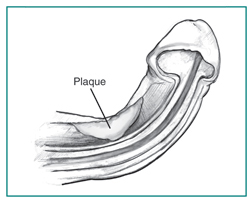
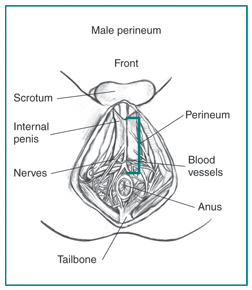
  • high blood pressure
  • little or no urination
  • edema—swelling, usually in the hands, face, feet, or ankles
  • tiredness
  • generalized itching or numbness
  • headaches
  • weight loss
  • appetite loss
  • sleep problems

Reactions to sedatives are rare but possible. Signs of sedative reactions include changes in breathing and heart rate. People with signs of reactions to the contrast medium or the sedatives should call a health care provider immediately.

How soon will test results be available?

The results of simple tests such as x-rays and abdominal ultrasound can be discussed with the health care provider soon after the test. Results of other tests such as a prostate tissue biopsy, MRI, and CT scans may take several days to come back. The health care provider will talk with the patient about these results.

Points to Remember

  • The urinary tract is the body’s drainage system for removing wastes and extra water.
  • “Imaging” is the general term for any technique used to provide pictures of bones and organs inside the body.
  • Imaging helps the health care provider find the causes of urinary tract problems.
  • The health care provider will consider a person’s general medical history and urinary tract symptoms to decide what imaging technique to use.
  • Urinary tract imaging techniques include conventional radiology, or x-rays; ultrasound; magnetic resonance imaging (MRI); computerized tomography (CT) scans; and radionuclide scans.
  • Preparations for an imaging test mostly depend on the purpose and type of test.
  • After most imaging tests, the person can immediately resume normal activity.
  • Results for simple tests are available soon after the test, while other test results may take several days to come back.

Clinical Trials

The National Institute of Diabetes and Digestive and Kidney Diseases (NIDDK) and other components of the National Institutes of Health (NIH) conduct and support research into many diseases and conditions.

What are clinical trials, and are they right for you?

Clinical trials are part of clinical research and at the heart of all medical advances. Clinical trials look at new ways to prevent, detect, or treat disease. Researchers also use clinical trials to look at other aspects of care, such as improving the quality of life for people with chronic illnesses. Find out if clinical trials are right for you.

What clinical trials are open?

Clinical trials that are currently open and are recruiting can be viewed at www.ClinicalTrials.gov.

This content is provided as a service of the National Institute of Diabetes and Digestive and Kidney Diseases (NIDDK), part of the National Institutes of Health. The NIDDK translates and disseminates research findings through its clearinghouses and education programs to increase knowledge and understanding about health and disease among patients, health professionals, and the public. Content produced by the NIDDK is carefully reviewed by NIDDK scientists and other experts.

The NIDDK would like to thank:
Sam B. Bhayani, M.D., Washington University School of Medicine

Urinary Tract Infections in Children

Definition & Facts

What is a bladder infection?

A bladder infection is an illness that is usually caused by bacteria. Bladder infections are the most common type of urinary tract infection (UTI) in children. A UTI can develop in any part of your child’s urinary tract, including the urethra, bladder, ureters, or kidneys.

All healthy children have some bacteria on their bodies and in their bowels. Occasionally, bacteria can get into the bladder and start an infection. Children of any age can and do develop bladder infections, including infants.

Your child’s body has ways to defend against infection. For example, urine normally flows from your child’s kidneys, through the ureters, to the bladder. Bacteria that enter the urinary tract are flushed out when your child urinates. This one-way flow of urine keeps bacteria from infecting the urinary tract.

Sometimes the body’s defenses fail and the bacteria cause a bladder infection. If your child has symptoms of a bladder infection, or has a fever without a clear cause, see a health care professional within 24 hours.

Female doctor gently touches the belly of a young girl who lies on an examining table.
Bladder infections are common in children, especially girls. Quick treatment is important to prevent a kidney infection.

Getting treatment right away for an infection in your child’s urethra or bladder can prevent a kidney infection. A kidney infection can develop from an infection that moves upstream to one or both kidneys. Kidney infections are often very painful and can be dangerous and cause serious health problems, so it’s best to get early treatment when your child has a bladder infection.

A health care professional is likely to treat your child’s bladder infection with antibiotics, a type of medicine that fights bacteria. It’s important for your child to take every dose on time and to finish all of the medicine.

Is there another name for a bladder infection?

Bladder infections are also called cystitis. Sometimes people use the more general term, urinary tract infection (UTI) to mean a bladder infection, although UTIs can occur in other parts of the urinary system. A UTI that affects the kidneys is called pyelonephritis.

How common are bladder infections in children?

Bladder infections are a common reason that children visit a health care professional. Each year, about 3 in 100 children develop a UTI, and most of these infections are bladder infections.1

  • Babies under 12 months old are more likely to have a UTI than older children.
  • During the first few months of life, UTIs are more common in boys than girls.
  • By age 1, girls are more likely to develop a UTI than boys—and girls continue to have a higher risk throughout childhood and the teen years.2

Which children are more likely to develop a bladder infection?

Girls are much more likely to develop bladder infections than boys, except during the first year of life. Among boys younger than age 1, those who have not had the foreskin of the penis removed, called a circumcision, have a higher risk for a bladder infection. Still, most uncircumcised boys will not get a bladder infection.

In general, any condition or habit that keeps urine in your child’s bladder for too long may lead to an infection.

Other factors that may make your child more likely to develop a bladder infection include

  • abnormal bladder function or habits, such as
    • overactive bladder—a treatable condition that often goes away as your child grows older
    • not emptying the bladder fully
    • waiting too long to urinate
  • constipation—fewer than two bowel movements a week or hard bowel movements that are painful or difficult to pass
  • vesicoureteral reflux (VUR)—the backward flow of some urine from the bladder toward the kidneys during urination.
  • urinary blockage—a problem that limits the normal flow of urine, such as a kidney stone or a ureter that is too narrow. In some cases, this can be related to a birth defect.
  • poor toilet hygiene
  • family history of UTIs

Among teen girls, those who are sexually active are more likely to get a bladder infection.

Different anatomy makes girls much more likely to develop a bladder infection than boys:

  • Girls have a shorter urethra than boys, so bacteria don’t have to go as far to reach the bladder and cause an infection.
  • In girls, the urethra is closer to the anus, a source of bacteria that can cause a bladder infection.

What are the complications of bladder infections in children?

Quick treatment is likely to cure your child’s bladder infection with no complications.

If an infection in the lower urinary tract, such as a bladder infection, is not treated properly, it can lead to a kidney infection. Kidney infections that last a long time or keep coming back can cause damage to a child’s kidneys that never goes away. This damage can include kidney scars, poor kidney function, high blood pressure, and problems during pregnancy. Young children have a greater risk for kidney damage from a UTI than older children and adults.

In a few cases, a kidney infection can develop suddenly and become life-threatening, particularly if bacteria get into the bloodstream, which causes a reaction called sepsis, or septicemia.

References


Symptoms & Causes

What are the symptoms of a bladder infection?

Don’t assume that you’ll know when your child has a bladder infection, even if you’ve had one yourself. Symptoms can be very different in children than in adults, especially for infants and preschoolers. If your child is not well, contact your child’s pediatrician or health clinic.

A mother comforting an unhappy baby.
Fussiness or a general ill feeling can be symptoms of a bladder or kidney infection in a child younger than age 2.

Young children

It’s not always obvious when an infant or child younger than age 2 has a bladder infection. Sometimes there are no symptoms. Or, your child may be too young to be able to explain what feels wrong. A urine test is the only way to know for certain whether your child has a bladder or kidney infection.

When a young child has symptoms of a UTI, they may include

  • fever, which may be the only sign
  • vomiting or diarrhea
  • irritability or fussiness
  • poor feeding or appetite; poor weight gain

Older children

Symptoms of a bladder or kidney infection in a child ages 2 and older can include

  • pain or burning when urinating
  • cloudy, dark, bloody, or foul-smelling urine
  • frequent or intense urges to urinate
  • pain in the lower belly area or back
  • fever
  • wetting after a child has been toilet trained

Seek care right away

If you think your child has a bladder infection, take him or her to a health care professional within 24 hours. A child who has a high fever and is sick for more than a day without a runny nose, earache, or other obvious cause should also be checked for a bladder infection. Quick treatment is important to prevent the infection from getting more dangerous.

What causes a bladder infection?

Most often a bladder infection is caused by bacteria that are normally found in the bowel. The bladder has several systems to prevent infection. For example, urinating most often flushes out bacteria before it reaches the bladder. Sometimes, your child’s body can’t fight the bacteria and the bacteria cause an infection. Certain health conditions can put children at risk for bladder infections.


Diagnosis

How do health care professionals diagnose a bladder infection?

Health care professionals use your child’s medical history, a physical exam, and tests to diagnose a bladder infection.

A health care professional will ask about health conditions that may make your child more likely to develop a bladder infection.

During a physical exam, the health care professional will also ask about your child’s symptoms.

What tests do health care professionals use to diagnose a bladder infection?

Health care professionals typically test a urine sample, which is called urinalysis, to help to diagnose a bladder infection. A urine culture, which takes longer to come back from the lab, is needed for an accurate diagnosis. In some cases, a health care professional may order more tests to look at your child’s urinary tract.

Small, empty plastic jars with lids that are used for urine samples.
A urine sample is collected in a special container and sent to a lab to help diagnose a UTI.

Lab tests

Urinalysis. A small amount of your child’s urine must be collected for this test. Babies and small children who are not toilet trained will have a small, thin, flexible tube called a catheter placed into the urethra to get a urine sample. This is needed because urine from collection bags, which can be taped around a baby’s diaper area, is often contaminated, or mixed, with germs and other substances found on the baby’s skin. If urine is contaminated, test results will not be accurate.

Parents may help preschoolers catch a clean urine sample in a special container, and older children and teens can do it by themselves.

A health care professional will look at the sample under a microscope for bacteria and white blood cells, which the body produces to fight infection. Bacteria also can be found in the urine of healthy children, so a bladder infection is diagnosed based on both your child’s symptoms and lab test results.

Urine culture. A health care professional must order a urine culture to find out what type of bacteria is causing your child’s infection. Lab workers will monitor how the bacteria multiply, usually over 1 to 3 days, to help determine the best treatment for your child.

Imaging tests

A health care professional may order imaging tests to find the cause of your child’s infection or to check for kidney damage.

Ultrasound. An ultrasound uses specialized sound waves to look at structures inside the body without exposing your child to radiation. During this painless test, your child lies on a padded table. A technician gently moves a wand called a transducer over your child’s belly and back. Ultrasound can create images of your child’s entire urinary tract. No anesthesia is needed.

Ultrasound may be recommended if your child

  • is younger than age 2 and has a bladder infection with a fever
  • has had repeated bladder infections at any age
  • has high blood pressure, poor growth, or a family history of kidney or bladder problems
  • doesn’t get better with treatment

An ultrasound may be scheduled right away or a few weeks or months after your child’s illness has passed.

An ultrasound exam on a child. A technician passes a wand over a child’s lower back, which sends an image to a computer screen.
An ultrasound produces images of a child’s kidneys, ureters, bladder, and urethra. The test can help find the cause of a bladder infection.

Voiding cystourethrogram (VCUG). A voiding cystourethrogram uses x-rays of the bladder and urethra to show how urine flows. A catheter is used to fill your child’s bladder with a special dye. Then x-ray pictures are taken before and after your child urinates. A VCUG can show if urine flows backward from the bladder into the ureters or kidneys, a condition called vesicoureteral reflux (VUR). Anesthesia is not needed for this test, but your child may be offered a calming medicine, called a sedative.

Read more about imaging tests of the urinary tract.


Treatment

How do health care professionals treat bladder infections in children?

Bladder infections in children are treated with antibiotics, a type of medicine that fights bacteria.

Medicines

Which antibiotic your child takes is based on age, any allergies to antibiotics, and the type of bacteria causing the UTI. Children older than 2 months usually take an antibiotic by mouth—as a liquid or as a chewable tablet.

Your child may go to a hospital for intravenous (IV) antibiotics if the child is younger than 2 months old or vomiting. IV medicines are given through a vein.

Your child should start to feel better within a day or two, but it’s important to take every dose of the antibiotic on time and to finish all the medicine. The infection could come back if your child stops taking the antibiotic too soon.

The length of treatment depends on

  • how severe the infection is
  • whether a child’s symptoms and infection go away
  • whether a child has repeated bladder infections
  • whether the child has vesicoureteral reflux or another problem in the urinary tract

At-home treatments

Children should drink plenty of liquids and urinate often to speed healing. Drinking water is best. Ask your health care professional how much liquid your child should drink.

A heating pad on a child’s back or abdomen may help ease pain from a kidney or bladder infection.

How can I help my child prevent a bladder infection?

Drinking enough liquids, following good bathroom and diapering habits, wearing loose-fitting clothes, and getting treated for related health problems may help prevent a UTI in a child or teen.

Be sure your child drinks enough liquids

Drinking more liquids may help flush bacteria from the urinary tract. Talk with a health care professional about how much liquid your child should drink, and which beverages are best to help prevent a repeat UTI.

A child taking a glass of water from an adult.
Drinking plenty of liquids can help ease or prevent bladder infections in children. Water is best.

Follow good bathroom and diapering habits

Some children simply don’t urinate often enough. Children should urinate often and when they first feel the need to go. Bacteria can grow and cause an infection when urine stays in the bladder too long. Caregivers should change diapers often for infants and toddlers, and should clean the genital area well. Gentle cleansers that do not irritate the skin are best.

Your child should always wipe from front to back after urinating or having a bowel movement. This step is most important after a bowel movement to keep bacteria from getting into the urethra and bladder.

Avoid constipation

Hard stools can press against the urinary tract and block the flow of urine, allowing bacteria to grow. Helping your child have regular bowel movements can prevent constipation.

Wear loose-fitting clothing

Consider having children wear cotton underwear and loose-fitting clothes so air can keep the area around the urethra dry.

Treat related health problems

When a child’s bladder doesn’t work exactly as it should—called dysfunctional voiding—treatments may help the bladder work better and prevent repeated infections. The muscles that control urination may be out of sync. Or, your child’s bladder may be overactive or underactive.

Health care professionals can treat these types of bladder problems with medicines, behavior changes, or both. Children often grow out of these bladder problems naturally over time.

If your child has vesicoureteral reflux, a urinary tract blockage, or an anatomical problem, see a pediatric urologist or other specialist. Treating these conditions may help prevent repeated bladder infections.

Diabetes and other health conditions can increase the risk for a bladder infection. Ask your child’s health care professional how to reduce the risk of developing a bladder infection.


Eating, Diet, & Nutrition

Can my child’s eating, diet, or nutrition help prevent a bladder infection?

Food doesn’t play a role in preventing or treating bladder infections in children. Some research suggests that cranberry products such as juice, extracts, or pills may help prevent these infections in children, but there’s not enough evidence to be certain. Cranberry products are not an effective treatment once your child already has a bladder infection.3

Children who may have a bladder infection should see a health care professional right away for diagnosis and treatment. Cranberry products should not replace medical treatment.

Can drinking liquids help prevent or relieve a bladder infection?

Yes. Check with a health care professional about how much liquid your child should drink to prevent or relieve a bladder infection. The amount will depend on your child’s size, age, and activity level, as well as the weather. If your child lives in a hot climate and is active, he or she may need more liquid to replace fluid lost through sweat.

References


Clinical Trials

The National Institute of Diabetes and Digestive and Kidney Diseases (NIDDK) and other components of the National Institutes of Health (NIH) conduct and support basic and clinical research into many diseases and conditions.

What are clinical trials and what role do children play in research?

Clinical trials are research studies involving people of all ages. Clinical trials look at safe and effective new ways to prevent, detect, or treat disease. Researchers also use clinical trials to look at other aspects of care, such as improving quality of life. Research involving children helps scientists

  • identify care that is best for a child
  • find the best dose of medicines
  • find treatments for conditions that only affect children
  • treat conditions that behave differently in children
  • understand how treatment affects a growing child’s body

Find out more about clinical trials and children.

What clinical trials are open?

Clinical trials that are currently open and are recruiting can be viewed at www.ClinicalTrials.gov.??


This content is provided as a service of the National Institute of Diabetes and Digestive and Kidney Diseases (NIDDK), part of the National Institutes of Health. The NIDDK translates and disseminates research findings through its clearinghouses and education programs to increase knowledge and understanding about health and disease among patients, health professionals, and the public. Content produced by the NIDDK is carefully reviewed by NIDDK scientists and other experts.

Urine Blockage in Newborns

What is the urinary tract?

The urinary tract is the body’s drainage system for removing wastes and extra fluid. The urinary tract includes two kidneys, two ureters, a bladder, and a urethra. The kidneys are two bean-shaped organs, each about the size of a fist. They are located just below the rib cage, one on each side of the spine. Every day, the kidneys filter about 120 to 150 quarts of blood to produce about 1 to 2 quarts of u?rine, composed of wastes and extra fluid. Children produce less urine than adults. The amount produced depends on their age. The urine flows from the kidneys to the bladder through tubes called ureters. The bladder stores urine until releasing it through urination. When the bladder empties, urine flows out of the body through a tube called the urethra at the bottom of the bladder.

Front-view drawing of a normal urinary tract in an infant. The kidneys, ureters, bladder, and urethra are labeled.
The urinary tract includes two kidneys, two ureters, a bladder, and a urethra.

The kidneys and urinary system keep fluids and natural chemicals in the body balanced. While a baby is developing in the mother’s womb, called prenatal development, the placenta—a temporary organ joining mother and baby—controls much of that balance. The baby’s kidneys begin to produce urine at about 10 to 12 weeks after conception. However, the mother’s placenta continues to do most of the work until the last few weeks of the pregnancy. Wastes and extra water are removed from the baby’s body through the umbilical cord. The baby’s urine is released into the amniotic sac and becomes part of the amniotic fluid. This fluid plays a role in the baby’s lung development.

Side-view drawing of a developing baby in the womb in the outline of the mother. The umbilical cord, placenta, womb, and amniotic fluid are labeled.
Baby in the? mother’s womb

What causes urine blockage in newborns?

Many types of defects in the urinary tract can cause urine blockage:

  • Vesicoureteral reflux (VUR). Most children with VUR are born with a ureter that did not grow long enough during development in the womb. The valve formed by the ureter pressing against the bladder wall does not close properly, so urine backs up—refluxes—from the bladder to the ureter and eventually to the kidney. Severe reflux may prevent a kidney from developing normally and may increase the risk for damage from infections after birth. VUR usually affects only one ureter and kidney, though it can affect both ureters and kidneys.
  • Ureteropelvic junction (UPJ) obstruction. If urine is blocked where the ureter joins the kidney, only the kidney swells. The ureter remains a normal size. UPJ obstruction usually occurs in only one kidney.
Drawing of a swollen kidney that results from ureteropelvic junction obstruction. The point of blockage is labeled UPJ obstruction.
UPJ obstruction occurs when urine i?s blocked where the ureter joins the kidney.
  • Bladder outlet obstruction (BOO). BOO describes any blockage in the urethra or at the opening of the bladder. Posterior urethral valves (PUV), the most common form of BOO seen in newborns and during prenatal ultrasound exams, is a birth defect in boys in which an abnormal fold of tissue in the urethra keeps urine from flowing freely out of the bladder. This defect may cause swelling in the entire urinary tract, including the urethra, bladder, ureters, and kidneys.
  • Ureterocele. If the end of the ureter does not develop normally, it can bulge, creating a ureterocele. The ureterocele may obstruct part of the ureter or the bladder.
Front-view, cross-section drawing of a bladder and ureter showing a ureterocele. An inset shows a side-view cross section of the obstructed ureter.
Ureteroce?le

Some babies are born with genetic conditions that affect several different systems in the body, including the urinary tract:

  • Prune belly syndrome (PBS). PBS is a group of birth defects involving poor development of the abdominal muscles, enlargement of the ureters and bladder, and both testicles remaining inside the body instead of descending into the scrotum. The skin over the abdomen is wrinkled, giving the appearance of a prune. PBS usually occurs in boys, and most children with PBS have hydronephrosis—swelling in the kidney—and VUR.
  • Esophageal atresia (EA). EA is a birth defect in which the esophagus—the muscular tube that carries food and liquids from the mouth to the stomach—lacks the opening for food to pass into the stomach. Babies born with EA may also have problems with their spinal columns, digestive systems, hearts, and urinary tracts.
  • Congenital heart defects. Heart defects range from mild to life threatening. Children born with heart defects also have a higher rate of problems in the urinary tract than children in the general population, suggesting that some types of heart and urinary defects may have a common genetic cause.

Urine blockage can also be caused by spina bifida and other birth defects that affect the spinal cord. These defects may interrupt nerve signals between the bladder, spinal cord, and brain, which are needed for urination, and lead to urinary retention—the inability to empty the bladder completely—in newborns. Urine that remains in the bladder can reflux into the ureters and kidneys, causing swelling.

What are the symptoms of urine blockage in newborns?

Before leaving the hospital, a baby with urine blockage may urinate only small amounts or may not urinate at all. As part of the routine newborn exam, the health care provider may feel an enlarged kidney or find a closed urethra, which may indicate urine blockage. Sometimes urine blockage is not apparent until a child develops symptoms of a urinary tract infection (UTI), including

  • fever
  • irritability
  • not eating
  • nausea
  • diarrhea
  • vomiting
  • cloudy, dark, bloody, or foul-smelling urine
  • urinating often

If these symptoms persist, the child should see a health care provider. A child 2 months of age or younger with a fever should see a health care provider immediately. The health care provider will ask for a urine sample to test for bacteria.

What are the complications of urine blockage before and after birth?

When a defect in the urinary tract blocks the flow of urine, the urine backs up and causes the ureters to swell, called hydroureter, and hydronephrosis.

Drawing of swollen kidney and ureter. The swollen kidney is labeled hydronephrosis. The swollen ureter is labeled hydroureter.
Swelling in the kidney is called hydronephrosis. Swelling in the ureter ?is called hydroureter.

Hydronephrosis is the most common problem found during prenatal ultrasound of a baby in the womb. The swelling may be easy to see or barely detectable. The results of hydronephrosis may be mild or severe, yet the long-term outcome for the child’s health cannot always be predicted by the severity of swelling. Urine blockage may damage the developing kidneys and reduce their ability to filter. In the most severe cases of urine blockage, where little or no urine leaves the baby’s bladder, the amount of amniotic fluid is reduced to the point that the baby’s lung development is threatened.

After birth, urine blockage may raise a child’s risk of developing a UTI. Recurring UTIs can lead to more permanent kidney damage.

How is urine blockage in newborns diagnosed?

Defects of the urinary tract may be diagnosed before or after the baby is born.

Diagnosis before Birth

Tests during pregnancy can help determine if the baby is developing normally in the womb.

  • Ultrasound. Ultrasound uses a device, called a transducer, that bounces safe, painless sound waves off organs to create an image of their structure. A prenatal ultrasound can show internal organs within the baby. The procedure is performed in a health care provider’s office, outpatient center, or hospital by a specially trained technician, and the images are interpreted by
    • a radiologist—a doctor who specializes in medical imaging, or
    • an obstetrician—a doctor who delivers babies

The images can show enlarged kidneys, ureters, or bladders in babies.

Drawing of a fetus with an enlarged kidney visible, as seen in an ultrasound. The enlarged kidney is labeled.
A prenatal ultrasound? can show enlarged kidneys, ureters, or bladders in babies.
  • Amniocentesis. Amniocentesis is a procedure in which amniotic fluid is removed from the mother’s womb for testing. The procedure can be performed in the health care provider’s office, and local anesthetic may be used. The health care provider inserts a thin needle through the abdomen into the uterus to obtain a small amount of amniotic fluid. Cells from the fluid are grown in a lab and then analyzed. The health care provider usually uses ultrasound to find the exact location of the baby. The test can show whether the baby has certain birth defects and how well the baby’s lungs are developing.
  • Chorionic villus sampling (CVS). CVS is the removal of a small piece of tissue from the placenta for testing. The procedure can be performed in the health care provider’s office; anesthesia is not needed. The health care provider uses ultrasound to guide a thin tube or needle through the vagina or abdomen into the placenta. Cells are removed from the placenta and then analyzed. The test can show whether the baby has certain genetic defects.

Most healthy women do not need all of these tests. Ultrasound exams during pregnancy are routine. Amniocentesis and CVS are recommended only when a risk of genetic problems exists because of family history or a problem is detected during an ultrasound. Amniocentesis and CVS carry a slight risk of harming the baby and mother or ending the pregnancy in miscarriage, so the risks should be carefully considered.

Diagnosis after Birth

Different imaging techniques can be used in infants and children to determine the cause of urine blockage.

  • Ultrasound. Ultrasound can be used to view the child’s urinary tract. For infants, the image is clearer than could be achieved while the baby was in the womb.
  • Voiding cystourethrogram (VCUG). VCUG is an x-ray image of the bladder and urethra taken while the bladder is full and during urination, also called voiding. The procedure is performed in an outpatient center or hospital by an x-ray technician supervised by a radiologist, who then interprets the images. While anesthesia is not needed, sedation may be used for some children. The bladder and urethra are filled with a special dye, called contrast medium, to make the structures clearly visible on the x-ray images. The x-ray machine captures images of the contrast medium while the bladder is full and when the child urinates. The test can show reflux or blockage of the bladder due to an obstruction, such as PUV.
  • Radionuclide scan. A radionuclide scan is an imaging technique that detects small amounts of radiation after a person is injected with radioactive chemicals. The dose of the radioactive chemicals is small; therefore, the risk of causing damage to cells is low. Radionuclide scans are performed in an outpatient center or hospital by a specially trained technician, and the images are interpreted by a radiologist. Anesthesia is not needed. Special cameras and computers are used to create images of the radioactive chemicals as they pass through the kidneys. Radioactive chemicals injected into the blood can provide information about kidney function.

How is urine blockage in newborns treated?

Treatment for urine blockage depends on the cause and severity of the blockage. Hydronephrosis discovered before the baby is born rarely requires immediate action, especially if it is only on one side. The condition often goes away without any treatment before or after birth. The health care provider should keep track of the condition with frequent ultrasounds.

Surgery

If the urine blockage threatens the life of the unborn baby, a fetal surgeon may recommend surgery to insert a shunt or correct the problem causing the blockage. A shunt is a small tube that can be inserted into the baby’s bladder to release urine into the amniotic sac. The procedure is similar to amniocentesis, in that a needle is inserted through the mother’s abdomen. Ultrasound guides placement of the shunt, which is attached to the end of the needle. Alternatively, an endoscope—a small, flexible tube with a light—can be used to place a shunt or to repair the problem causing the blockage. Fetal surgery carries many risks, so it is performed only in special circumstances, such as when the amniotic fluid is absent and the baby’s lungs are not developing or when the kidneys are severely damaged.

If the urinary defect does not correct itself after the child is born, and the child continues to have urine blockage, surgery may be needed to remove the obstruction and restore urine flow. The decision to operate depends on the degree of blockage. After surgery, a small tube, called a stent, may be placed in the ureter or urethra to keep it open temporarily while healing occurs.

Antibiotics

Antibiotics are bacteria-fighting medications. A child with possible urine blockage or VUR may be given antibiotics to prevent UTIs from developing until the urinary defect corrects itself or is corrected with surgery.

Intermittent Catheterization

Intermittent catheterization may be used for a child with urinary retention due to a nerve disease. The parent or guardian, and later the child, is taught to drain the bladder by inserting a thin tube, called a catheter, through the urethra to the bladder. Emptying the bladder in this way helps to decrease kidney damage, urine leakage, and UTIs.

Eating, Diet, and Nutrition

Researchers have not found that a mother’s eating, diet, and nutrition play a role in causing or preventing urine blockage in newborns.

Points to Remember

  • Many types of defects in the urinary tract can cause urine blockage:
    • vesicoureteral reflux (VUR)
    • ureteropelvic junction (UPJ) obstruction
    • bladder outlet obstruction (BOO), such as posterior urethral valves (PUV)
    • ureterocele
  • Some babies are born with genetic conditions that affect several different systems in the body, including the urinary tract:
    • prune belly syndrome (PBS)
    • esophageal atresia (EA)
    • congenital heart defects
  • Urine blockage can also be caused by spina bifida and other birth defects that affect the spinal cord.
  • Before leaving the hospital, a baby with urine blockage may urinate only small amounts or may not urinate at all. As part of the routine newborn exam, the health care provider may feel an enlarged kidney or find a closed urethra, which may indicate urine blockage. Sometimes urine blockage is not apparent until a child develops symptoms of a urinary tract infection (UTI).
  • When a defect in the urinary tract blocks the flow of urine, the urine backs up and causes the ureters to swell, called hydroureter, and hydronephrosis.
  • Defects of the urinary tract may be discovered before or after the baby is born.
  • Prenatal tests include ultrasound, amniocentesis, and chorionic villus sampling (CVS).
  • Different imaging techniques, including ultrasound, voiding cystourethrogram (VCUG), and radionuclide scan, can be used in infants and children to determine the cause of urine blockage.
  • Treatment for urine blockage depends on the cause and severity of the blockage. Hydronephrosis discovered before the baby is born rarely requires immediate action, especially if it is only on one side. Treatments for more serious conditions include
    • surgery
    • antibiotics
    • intermittent catheterization

Clinical Trials

The National Institute of Diabetes and Digestive and Kidney Diseases (NIDDK) and other components of the National Institutes of Health (NIH) conduct and support research into many diseases and conditions.

What are clinical trials, and are they right for you?

Clinical trials are part of clinical research and at the heart of all medical advances. Clinical trials look at new ways to prevent, detect, or treat disease. Researchers also use clinical trials to look at other aspects of care, such as improving the quality of life for people with chronic illnesses. Find out if clinical trials are right for you.

What clinical trials are open?

Clinical trials that are currently open and are recruiting can be viewed at www.ClinicalTrials.gov.

This content is provided as a service of the National Institute of Diabetes and Digestive and Kidney Diseases (NIDDK), part of the National Institutes of Health. The NIDDK translates and disseminates research findings through its clearinghouses and education programs to increase knowledge and understanding about health and disease among patients, health professionals, and the public. Content produced by the NIDDK is carefully reviewed by NIDDK scientists and other experts.

The NIDDK would like to thank:
Robert Chevalier, M.D., University of Virginia School of Medicine; Craig Peters, M.D., Harvard Medical School

Urodynamic Testing

What is the urinary tract?

The urinary tract is the body’s drainage system for removing wastes and extra water. The urinary tract includes two kidneys, two ureters, a bladder, and a urethra. Blood flows through the kidneys, and the kidneys filter out wastes and extra water, making urine. The urine travels down two narrow tubes called the ureters. The urine is then stored in a muscular, balloonlike organ called the bladder. The bladder swells into a round shape when it is full and gets smaller as it empties. When the bladder empties, urine flows out of the body through the urethra.

What is the lower urinary tract and how does it work?

The lower urinary tract includes the bladder and urethra. The bladder sits in the pelvis and is attached to other organs, muscles, and the pelvic bones, which hold it in place. The urethra is a tube at the bottom of the bladder that carries urine from the bladder to the outside of the body.

The lower urinary tract works by coordinating the muscles of the bladder wall with the sphincters, which are circular muscles that surround the area of the bladder that opens into the urethra. The muscles of the bladder wall relax as the bladder fills with urine. If the urinary tract is healthy, the bladder can hold up to 2 cups, or 16 ounces, of urine comfortably for 2 to 5 hours. The sphincters close tightly like rubber bands around the bladder to help keep urine from leaking. As the bladder fills, the need to urinate becomes stronger and stronger, until the bladder reaches its limit. Urination is the process of emptying the bladder. To urinate, the brain signals the bladder muscles to tighten, squeezing urine out of the bladder. At the same time, the brain signals the sphincters to relax. As the sphincters relax, urine exits the bladder through the urethra. When all the signals occur in the correct order, normal urination occurs.

More information about the urinary tract and urinary tract problems is provided in the NIDDK health topic, The Urinary Tract and How It Works.

Drawing of the front view of an adult female urinary tract with the kidneys, ureters, bladder, urethra, pelvic floor muscles, and sphincters labeled.
Front view of the urinary tract

What is urodynamic testing?

Urodynamic testing is any procedure that looks at how well the bladder, sphincters, and urethra are storing and releasing urine. Most urodynamic tests focus on the bladder’s ability to hold urine and empty steadily and completely. Urodynamic tests can also show whether the bladder is having involuntary contractions that cause urine leakage. A health care provider may recommend urodynamic tests if symptoms suggest problems with the lower urinary tract. Lower urinary tract symptoms (LUTS) include

  • urine leakage
  • frequent urination
  • painful urination
  • sudden, strong urges to urinate
  • problems starting a urine stream
  • problems emptying the bladder completely
  • recurrent urinary tract infections

Urodynamic tests range from simple observation to precise measurements using sophisticated instruments. For simple observation, a health care provider may record the length of time it takes a person to produce a urinary stream, note the volume of urine produced, and record the ability or inability to stop the urine flow in midstream. For precise measurements, imaging equipment takes pictures of the bladder filling and emptying, pressure monitors record the pressures inside the bladder, and sensors record muscle and nerve activity. The health care provider will decide the type of urodynamic test based on the person’s health information, physical exam, and LUTS. The urodynamic test results help diagnose the cause and nature of a lower urinary tract problem.

Most urodynamic tests do not involve special preparations, though some tests may require a person to make a change in fluid intake or to stop taking certain medications. Depending on the test, a person may be instructed to arrive for testing with a full bladder.

What are the urodynamic tests?

Urodynamic tests include

  • uroflowmetry
  • postvoid residual measurement
  • cystometric test
  • leak point pressure measurement
  • pressure flow study
  • electromyography
  • video urodynamic tests

Uroflowmetry

Uroflowmetry is the measurement of urine speed and volume. Special equipment automatically measures the amount of urine and the flow rate—how fast the urine comes out. Uroflowmetry equipment includes a device for catching and measuring urine and a computer to record the data. During a uroflowmetry test, the person urinates privately into a special toilet or funnel that has a container for collecting the urine and a scale. The equipment creates a graph that shows changes in flow rate from second to second so the health care provider can see when the flow rate is the highest and how many seconds it takes to get there. Results of this test will be abnormal if the bladder muscles are weak or urine flow is blocked. Another approach to measuring flow rate is to record the time it takes to urinate into a special container that accurately measures the volume of urine. Uroflowmetry measurements are performed in a health care provider’s office; no anesthesia is needed.

Drawing of a computer that collects uroflowmetry data. A curtain separates the computer from a special toilet attached to a container for catching and measuring urine.
Uroflowmetry equipment

Postvoid Residual Measurement

This urodynamic test measures the amount of urine left in the bladder after urination. The remaining urine is called the postvoid residual. Postvoid residual can be measured with ultrasound equipment that uses harmless sound waves to create a picture of the bladder. Bladder ultrasounds are performed in a health care provider’s office, radiology center, or hospital by a specially trained technician and interpreted by a doctor, usually a radiologist. Anesthesia is not needed. Postvoid residual can also be measured using a catheter—a thin flexible tube. A health care provider inserts the catheter through the urethra up into the bladder to remove and measure the amount of remaining urine. A postvoid residual of 100 milliliters or more is a sign that the bladder is not emptying completely. Catheter measurements are performed in a health care provider’s office, clinic, or hospital with local anesthesia.

Cystometric Test

A cystometric test measures how much urine the bladder can hold, how much pressure builds up inside the bladder as it stores urine, and how full it is when the urge to urinate begins. A catheter is used to empty the bladder completely. Then a special, smaller catheter is placed in the bladder. This catheter has a pressure-measuring device called a manometer. Another catheter may be placed in the rectum to record pressure there.

Once the bladder is emptied completely, the bladder is filled slowly with warm water. During this time, the person is asked to describe how the bladder feels and indicate when the need to urinate arises. When the urge to urinate occurs, the volume of water and the bladder pressure are recorded. The person may be asked to cough or strain during this procedure to see if the bladder pressure changes. A cystometric test can also identify involuntary bladder contractions. Cystometric tests are performed in a health care provider’s office, clinic, or hospital with local anesthesia.

Drawing of the side view of the male urinary tract with a catheter inserted through the urethra to the bladder. The catheter, urethra, and bladder are labeled.
Cystometric test

Leak Point Pressure Measurement

This urodynamic test measures pressure at the point of leakage during a cystometric test. While the bladder is being filled for the cystometric test, it may suddenly contract and squeeze some water out without warning. The manometer measures the pressure inside the bladder when this leakage occurs. This reading may provide information about the kind of bladder problem that exists. The person may be asked to apply abdominal pressure to the bladder by coughing, shifting position, or trying to exhale while holding the nose and mouth. These actions help the health care provider evaluate the sphincters.

Pressure Flow Study

A pressure flow study measures the bladder pressure required to urinate and the flow rate a given pressure generates. After the cystometric test, the person empties the bladder, during which time a manometer is used to measure bladder pressure and flow rate. This pressure flow study helps identify bladder outlet blockage that men may experience with prostate enlargement. Bladder outlet blockage is less common in women but can occur with a cystocele or, rarely, after a surgical procedure for urinary incontinence. Pressure flow studies are performed in a health care provider’s office, clinic, or hospital with local anesthesia.

Electromyography

Electromyography uses special sensors to measure the electrical activity of the muscles and nerves in and around the bladder and the sphincters. If the health care provider thinks the urinary problem is related to nerve or muscle damage, the person may be given an electromyography. The sensors are placed on the skin near the urethra and rectum or on a urethral or rectal catheter. Muscle and nerve activity is recorded on a machine. The patterns of the nerve impulses show whether the messages sent to the bladder and sphincters are coordinated correctly. Electromyography is performed by a specially trained technician in a health care provider’s office, outpatient clinic, or hospital. Anesthesia is not needed if sensors are placed on the skin. Local anesthesia is needed if sensors are placed on a urethral or rectal catheter.

Video Urodynamic Tests

Video urodynamic tests take pictures and videos of the bladder during filling and emptying. The imaging equipment may use x-rays or ultrasound. If x-ray equipment is used, the bladder will be filled with a special fluid, called contrast medium, that shows up on x-rays. X-rays are performed by an x-ray technician in a health care provider’s office, outpatient facility, or hospital; anesthesia is not needed. If ultrasound equipment is used, the bladder is filled with warm water and harmless sound waves are used to create a picture of the bladder. The pictures and videos show the size and shape of the bladder and help the health care provider understand the problem. Bladder ultrasounds are performed in a health care provider’s office, radiology center, or hospital by a specially trained technician and interpreted by a doctor, usually a radiologist. Although anesthesia is not needed for the ultrasound, local anesthesia is needed to insert the catheter to fill the bladder.

What happens after urodynamic tests?

After having urodynamic tests, a person may feel mild discomfort for a few hours when urinating. Drinking an 8-ounce glass of water every half-hour for 2 hours may help to reduce the discomfort. The health care provider may recommend taking a warm bath or holding a warm, damp washcloth over the urethral opening to relieve the discomfort.

An antibiotic may be prescribed for 1 or 2 days to prevent infection, but not always. People with signs of infection—including pain, chills, or fever—should call their health care provider immediately.

How soon will test results be available?

Results for simple tests such as cystometry and uroflowmetry are often available immediately after the test. Results of other tests such as electromyography and video urodynamic tests may take a few days to come back. A health care provider will talk with the patient about the results and possible treatments.

Points to Remember

  • The urinary tract is the body’s drainage system for removing wastes and extra water.
  • The lower urinary tract includes the bladder and urethra.
  • Urodynamic testing is any procedure that looks at how well the bladder, sphincters, and urethra are storing and releasing urine.
  • Most urodynamic tests focus on the bladder’s ability to hold urine and empty steadily and completely.
  • Urodynamic tests include uroflowmetry, postvoid residual measurement, cystometric test, leak point pressure measurement, pressure flow study, electromyography, and video urodynamic tests.
  • Most urodynamic tests do not involve special preparations. Depending on the test, a person may be instructed to arrive for testing with a full bladder.
  • After having urodynamic tests, a person may feel mild discomfort for a few hours when urinating.
  • Results for simple tests are often available immediately after the test, while other test results may take a few days to come back.

Clinical Trials

The National Institute of Diabetes and Digestive and Kidney Diseases (NIDDK) and other components of the National Institutes of Health (NIH) conduct and support research into many diseases and conditions.

What are clinical trials, and are they right for you?

Clinical trials are part of clinical research and at the heart of all medical advances. Clinical trials look at new ways to prevent, detect, or treat disease. Researchers also use clinical trials to look at other aspects of care, such as improving the quality of life for people with chronic illnesses. Find out if clinical trials are right for you.

What clinical trials are open?

Clinical trials that are currently open and are recruiting can be viewed at www.ClinicalTrials.gov.

This content is provided as a service of the National Institute of Diabetes and Digestive and Kidney Diseases (NIDDK), part of the National Institutes of Health. The NIDDK translates and disseminates research findings through its clearinghouses and education programs to increase knowledge and understanding about health and disease among patients, health professionals, and the public. Content produced by the NIDDK is carefully reviewed by NIDDK scientists and other experts.

The NIDDK would like to thank:
Michael Albo, M.D., University of California; Holly E. Richter, Ph.D., M.D., University of Alabama at Birmingham School of Medicine

Vesicoureteral Reflux

What is vesicoureteral reflux (VUR)?

Vesicoureteral reflux is the abnormal flow of urine from the bladder to the upper urinary tract. The urinary tract is the body’s drainage system for removing wastes and extra water. The urinary tract includes two kidneys, two ureters, a bladder, and a urethra. Blood flows through the kidneys, and the kidneys filter out wastes and extra water, making urine. The urine travels down two narrow tubes called the ureters. The urine is then stored in a balloonlike organ called the bladder. When the bladder empties, urine flows out of the body through a tube called the urethra at the bottom of the bladder.

In VUR, urine may flow back—reflux—into one or both ureters and, in some cases, to one or both kidneys. VUR that affects only one ureter and kidney is called unilateral reflux, and VUR that affects both ureters and kidneys is called bilateral reflux.

Drawing of the urinary tract in the outline of a male figure with labels for the kidneys, bladder, ureters, and urethra.
The urinary tract

Who gets VUR?

Vesicoureteral reflux is more common in infants and young children, but older children and even adults can be affected. About 10 percent of children have VUR.1 Studies estimate that VUR occurs in about 32 percent of siblings of an affected child. This rate may be as low as 7 percent in older siblings and as high as 100 percent in identical twins. These findings indicate that VUR is an inherited condition.2

What are the types of VUR?

The two types of VUR are primary and secondary. Most cases of VUR are primary and typically affect only one ureter and kidney. With primary VUR, a child is born with a ureter that did not grow long enough during the child’s development in the womb. The valve formed by the ureter pressing against the bladder wall does not close properly, so urine refluxes from the bladder to the ureter and eventually to the kidney. This type of VUR can get better or disappear as a child gets older. As a child grows, the ureter gets longer and function of the valve improves.

Secondary VUR occurs when a blockage in the urinary tract causes an increase in pressure and pushes urine back up into the ureters. Children with secondary VUR often have bilateral reflux. VUR caused by a physical defect typically results from an abnormal fold of tissue in the urethra that keeps urine from flowing freely out of the bladder.

VUR is usually classified as grade I through V, with grade I being the least severe and grade V being the most severe.

Drawing of the urinary tract in the outline of a male figure with an inset of a cross section of the bladder. The cross-section image has arrows and labels that show the normal direction of urine flow in a normal ureter and reflux in a shortened ureter. Other labels point to the valve and bladder.
Primary VUR due to a shortened ureter

What are the symptoms of VUR?

In many cases, a child with VUR has no symptoms. When symptoms are present, the most common is a urinary tract infection (UTI). VUR can lead to infection because urine that remains in the child’s urinary tract provides a place for bacteria to grow. Studies estimate that 30 percent of children and up to 70 percent of infants with a UTI have VUR.2

What are the complications of VUR?

When a child with VUR gets a UTI, bacteria can move into the kidney and lead to scarring. Scarring of the kidney can be associated with high blood pressure and kidney failure. However, most children with VUR who get a UTI recover without long-term complications.

How is VUR diagnosed?

The most common tests used to diagnose VUR include

  • Voiding cystourethrogram (VCUG). VCUG is an x-ray image of the bladder and urethra taken during urination, also called voiding. The bladder and urethra are filled with a special dye, called contrast medium, to make the urethra clearly visible. The x-ray machine captures a video of the contrast medium when the child urinates. The procedure is performed in a health care provider’s office, outpatient center, or hospital by an x-ray technician supervised by a radiologist—a doctor who specializes in medical imaging—who then interprets the images. Anesthesia is not needed, but sedation may be used for some children. This test can show abnormalities of the inside of the urethra and bladder.
  • Radionuclide cystogram (RNC). RNC is a type of nuclear scan that involves placing radioactive material into the bladder. A scanner then detects the radioactive material as the child urinates or after the bladder is empty. The procedure is performed in a health care provider’s office, outpatient center, or hospital by a specially trained technician, and the images are interpreted by a radiologist. Anesthesia is not needed, but sedation may be used for some children. RNC is more sensitive than VCUG but does not provide as much detail of the bladder anatomy.
  • Abdominal ultrasound. Ultrasound uses a device, called a transducer, that bounces safe, painless sound waves off organs to create an image of their structure. An abdominal ultrasound can create images of the entire urinary tract, including the kidneys and bladder. The procedure is performed in a health care provider’s office, outpatient center, or hospital by a specially trained technician, and the images are interpreted by a radiologist; anesthesia is not needed. Ultrasound may be used before VCUG or RNC if the child’s family or health care provider wants to avoid exposure to x-ray radiation or radioactive material.

Testing is usually done on

  • infants diagnosed during pregnancy with urine blockage affecting the kidneys
  • children younger than 5 years of age with a UTI
  • children with a UTI and fever, called febrile UTI, regardless of age
  • males with a UTI who are not sexually active, regardless of age or fever
  • children with a family history of VUR, including an affected sibling

More information about urine blockage in infants is provided in the NIDDK health topic, Urine Blockage in Newborns.

VUR is an unlikely cause of UTI in some children, so these tests are not done until other causes of UTI are ruled out for

  • children 5 years of age and older with a UTI
  • children with a UTI but no fever
  • sexually active males with a UTI

What other tests do children with VUR need?

Following diagnosis, children with VUR should have a general medical evaluation that includes blood pressure measurement, as high blood pressure is an indicator of kidney damage. If both kidneys are affected, a child’s blood should be tested for creatinine—a waste product of normal muscle breakdown. Healthy kidneys remove creatinine from the blood; when the kidneys are damaged, creatinine builds up in the blood. The urine may be tested for the presence of protein and bacteria. Protein in the urine is another indication of damaged kidneys.

Children with VUR should also be assessed for bladder/bowel dysfunction (BBD). BBD symptoms include

  • having to urinate often or suddenly
  • long periods of time between bathroom visits
  • daytime wetting
  • pain in the penis or perineum—the area between the anus and genitals
  • posturing to prevent wetting
  • constipation—a condition in which a child has fewer than two bowel movements in a week; the bowel movements may be painful
  • fecal incontinence—inability to hold stool in the colon and rectum, which are parts of the large intestine

Children who have VUR along with any BBD symptoms are at greater risk of kidney damage due to infection.

How is primary VUR treated?

The standard treatment for primary VUR has included prompt treatment of UTIs and long-term use of antibiotics to prevent UTIs, also called antimicrobial prophylaxis, until VUR goes away on its own. Antibiotics are bacteria-fighting medications. Surgery has also been used in certain cases.

Several studies have raised questions about long-term use of antibiotics for prevention of UTIs. The studies found little or no effect on prevention of kidney damage. Long-term use may also make the child resistant to the antibiotic, meaning the medication does not work as well, and the child may be sicker longer and may need to take medications that are even stronger.

Current recommendations from the American Urological Association include the following:

  • children younger than 1 year of age—continuous antibiotics should be used if a child has a history of febrile UTI or VUR grade III through V that was identified through screening
  • children older than 1 year of age with BBD—continuous antibiotics should be used while BBD is being treated
  • children older than 1 year of age without BBD—continuous antibiotics can be used at the discretion of the health care provider but is not automatically recommended; however, UTIs should be promptly treated

Surgery has traditionally been considered for a child with kidney infection, fever, and severe reflux that has not improved within a year. However, some health care providers recommend surgery when a scan of the kidneys shows evidence of inflammation. Several surgical approaches can be used to alter the ureter and prevent urine from refluxing.

Deflux, a gellike liquid containing complex sugars, is an alternative to surgery for treatment of VUR. A small amount of Deflux is injected into the bladder wall near the opening of the ureter. This injection creates a bulge in the tissue that makes it harder for urine to flow back up the ureter. The health care provider uses a special tube to see inside the bladder during the procedure. Deflux injection is an outpatient procedure done under general anesthesia, so the child can go home the same day.

How is secondary VUR treated?

Secondary VUR is treated by removing the blockage causing the reflux. Treatment may involve

  • surgery
  • antibiotics
  • intermittent catheterization—draining the bladder by inserting a thin tube, called a catheter, through the urethra to the bladder

Eating, Diet, and Nutrition

Eating, diet, and nutrition have not been shown to play a role in causing or preventing VUR.

Points to Remember

  • Vesicoureteral reflux (VUR) is the abnormal flow of urine from the bladder to the upper urinary tract.
  • VUR is more common in infants and young children, but older children and even adults can be affected. About 10 percent of children have VUR.
  • In many cases, a child with VUR has no symptoms. When symptoms are present, the most common is a urinary tract infection (UTI).
  • When a child with VUR gets a UTI, bacteria can move into the kidney and lead to scarring. Scarring of the kidney can be associated with high blood pressure and kidney failure.
  • Voiding cystourethrogram (VCUG), radionuclide cystogram (RNC), and abdominal ultrasound are used to diagnose VUR.
  • Children with VUR should also be assessed for bladder/bowel dysfunction (BBD). Children who have VUR along with any BBD symptoms are at greater risk of kidney damage due to infection.
  • The standard treatment for primary VUR has included prompt treatment of UTIs and long-term use of antibiotics to prevent UTIs, also called antimicrobial prophylaxis, until VUR goes away on its own. Surgery has also been used in certain cases.
  • Secondary VUR is treated by removing the blockage causing the reflux.

References

Clinical Trials

The National Institute of Diabetes and Digestive and Kidney Diseases (NIDDK) and other components of the National Institutes of Health (NIH) conduct and support research into many diseases and conditions.

What are clinical trials, and are they right for you?

Clinical trials are part of clinical research and at the heart of all medical advances. Clinical trials look at new ways to prevent, detect, or treat disease. Researchers also use clinical trials to look at other aspects of care, such as improving the quality of life for people with chronic illnesses. Find out if clinical trials are right for you.

What clinical trials are open?

Clinical trials that are currently open and are recruiting can be viewed at www.ClinicalTrials.gov.

This content is provided as a service of the National Institute of Diabetes and Digestive and Kidney Diseases (NIDDK), part of the National Institutes of Health. The NIDDK translates and disseminates research findings through its clearinghouses and education programs to increase knowledge and understanding about health and disease among patients, health professionals, and the public. Content produced by the NIDDK is carefully reviewed by NIDDK scientists and other experts.

The NIDDK would like to thank:
Robert L. Chevalier, M.D., University of Virginia


Terms of Use | Privacy Policy
©2017 ARCHES Technology. All Rights Reserved.