Bariatric Surgery

Definition & Facts

What is obesity?

Obesity is defined as having a body mass index (BMI) of 30 or more. BMI is a measure of your weight in relation to your height. Class 1 obesity means a BMI of 30 to 35, Class 2 obesity is a BMI of 35 to 40, and Class 3 obesity is a BMI of 40 or more. Classes 2 and 3, also known as severe obesity, are often hard to treat with diet and exercise alone.

Calculate your BMI to learn your BMI category.

What is bariatric surgery?

Bariatric surgery is an operation that helps you lose weight by making changes to your digestive system. Some types of bariatric surgeries make your stomach smaller, allowing you to eat and drink less at one time and making you feel full sooner. Other bariatric surgeries also change your small intestine—the part of your body that absorbs calories and nutrients from foods and beverages.

Bariatric surgery may be an option if you have severe obesity and have not been able to lose weight or keep from gaining back any weight you lost using other methods such as lifestyle treatment or medications. Bariatric surgery also may be an option if you have serious health problems, such as type 2 diabetes or sleep apnea, related to obesity. Bariatric surgery can improve many of the medical conditions linked to obesity, especially type 2 diabetes.

Does bariatric surgery always work?

Studies show that many people who have bariatric surgery lose about 15 to 30 percent of their starting weight on average, depending on the type of surgery they have. However, no method, including surgery, is sure to produce and maintain weight loss. Some people who have bariatric surgery may not lose as much as they hoped. Over time, some people regain a portion of the weight they lost. The amount of weight people regain may vary. Factors that affect weight regain may include a person’s level of obesity and the type of surgery he or she had.

Bariatric surgery does not replace healthy habits, but may make it easier for you to consume fewer calories and be more physically active. Choosing healthy foods and beverages before and after the surgery may help you lose more weight and keep it off long term. Regular physical activity after surgery also helps keep the weight off. To improve your health, you must commit to a lifetime of healthy lifestyle habits and following the advice of your health care providers.

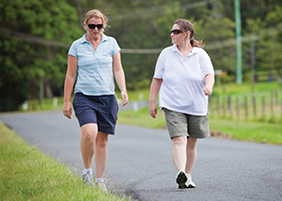
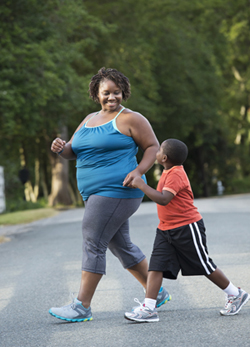
Three ladies exercising
Maintaining healthy lifestyle habits may help
you succeed after bariatric surgery.

How much does bariatric surgery cost?

On average, bariatric surgery costs between $15,000 and $25,000, depending on what type of surgery you have and whether you have surgery-related problems. Costs may be higher or lower based on where you live. The amount your medical insurance will pay varies by state and insurance provider.

Medicare and some Medicaid programs cover three common types of bariatric surgery—gastric bypass, gastric band, and gastric sleeve surgery—if you meet certain criteria and have a doctor’s recommendation. Some insurance plans may require you to use approved surgeons and facilities. Some insurers also require you to show that you were unable to lose weight by completing a nonsurgical weight-loss program or that you meet other requirements.

Your health insurance company or your regional Medicare or Medicaid office will have more information about bariatric surgery coverage, options, and requirements.
Types of Bariatric Surgery

The type of surgery that may be best to help a person lose weight depends on a number of factors. You should discuss with your doctor what kind of surgery might be best for you or your teen.

What is the difference between open and laparoscopic surgery?

In open bariatric surgery, surgeons make a single, large cut in the abdomen. More often, surgeons now use laparoscopic surgery, in which they make several small cuts and insert thin surgical tools through the cuts. Surgeons also insert a small scope attached to a camera that projects images onto a video monitor. Laparoscopic surgery has fewer risks than open surgery and may cause less pain and scarring than open surgery. Laparoscopic surgery also may lead to a faster recovery.

Open surgery may be a better option for certain people. If you have a high level of obesity, have had stomach surgery before, or have other complex medical problems, you may need open surgery.

What are the surgical options?

In the United States, surgeons use three types of operations most often:

  • laparoscopic adjustable gastric band
  • gastric sleeve surgery, also called sleeve gastrectomy
  • gastric bypass

Surgeons use a fourth operation, biliopancreatic diversion with duodenal switch, less often.

Laparoscopic Adjustable Gastric Band

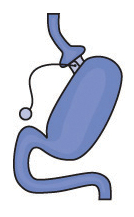
In this type of surgery, the surgeon places a ring with an inner inflatable band around the top of your stomach to create a small pouch. This makes you feel full after eating a small amount of food. The band has a circular balloon inside that is filled with salt solution. The surgeon can adjust the size of the opening from the pouch to the rest of your stomach by injecting or removing the solution through a small device called a port placed under your skin.

After surgery, you will need several follow-up visits to adjust the size of the band opening. If the band causes problems or is not helping you lose enough weight, the surgeon may remove it.

The U.S. Food and Drug Administration (FDA) has approved use of the gastric band for people with a BMI of 30 or more who also have at least one health problem linked to obesity, such as heart disease or diabetes.

Gastric Sleeve

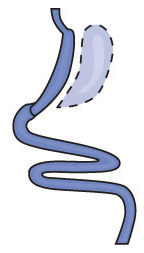
In gastric sleeve surgery, also called vertical sleeve gastrectomy, a surgeon removes most of your stomach, leaving only a banana-shaped section that is closed with staples. Like gastric band surgery, this surgery reduces the amount of food that can fit in your stomach, making you feel full sooner. Taking out part of your stomach may also affect gut hormones or other factors such as gut bacteria that may affect appetite and metabolism. This type of surgery cannot be reversed because some of the stomach is permanently removed.

Gastric Bypass

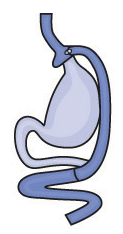
Gastric bypass surgery, also called Roux-en-Y gastric bypass, has two parts. First, the surgeon staples your stomach, creating a small pouch in the upper section. The staples make your stomach much smaller, so you eat less and feel full sooner.

Next, the surgeon cuts your small intestine and attaches the lower part of it directly to the small stomach pouch. Food then bypasses most of the stomach and the upper part of your small intestine so your body absorbs fewer calories. The surgeon connects the bypassed section farther down to the lower part of the small intestine. This bypassed section is still attached to the main part of your stomach, so digestive juices can move from your stomach and the first part of your small intestine into the lower part of your small intestine. The bypass also changes gut hormones, gut bacteria, and other factors that may affect appetite and metabolism. Gastric bypass is difficult to reverse, although a surgeon may do it if medically necessary.

Duodenal Switch

This surgery, also called biliopancreatic diversion with duodenal switch, is more complex than the others. The duodenal switch involves two separate surgeries. The first is similar to gastric sleeve surgery. The second surgery redirects food to bypass most of your small intestine. The surgeon also reattaches the bypassed section to the last part of the small intestine, allowing digestive juices to mix with food.

This type of surgery allows you to lose more weight than the other three. However, this surgery is also the most likely to cause surgery-related problems and a shortage of vitamins, minerals, and protein in your body. For these reasons, surgeons do not perform this surgery as often.

Most Common Weight-loss Surgeries

Gastric Band

Illustration of Gastric Band

What it is

Surgeon places an inflatable band around top part of stomach, creating a small pouch with an adjustable opening.

Pros

  • Can be adjusted and reversed.
  • Short hospital stay and low risk of surgery-related problems.
  • No changes to intestines.
  • Lowest chance of vitamin shortage.

Cons

  • Less weight loss than other types of bariatric surgery.
  • Frequent follow-up visits to adjust band; some people may not adapt to band.
  • Possible future surgery to remove or replace a part or all of the band system.

Gastric Sleeve

Illustration of Gastric Sleeve

What it is

Surgeon removes about 80 percent of stomach, creating a long, banana-shaped pouch.

Pros

  • Greater weight loss than gastric band.
  • No changes to intestines.
  • No objects placed in body.
  • Short hospital stay.

Cons

  • Cannot be reversed.
  • Chance of vitamin shortage.
  • Higher chance of surgery-related problems than gastric band.
  • Chance of acid reflux.

Gastric Bypass

Illustration of Gastric Bypass

What it is

Surgeon staples top part of stomach, creating a small pouch and attaching it to middle part of small intestine.

Pros

  • Greater weight loss than gastric band.
  • No objects placed in body.

Cons

  • Difficult to reverse.
  • Higher chance of vitamin shortage than gastric band or gastric sleeve.
  • Higher chance of surgery-related problems than gastric band.
  • May increase risk of alcohol use disorder.

Adapted from: Bariatric surgery procedures. American Society for Metabolic and Bariatric Surgery (ASMBS) website. asmbs.org/patients/bariatric-surgery-procedures. Accessed May 24, 2016.

Image credit: Walter Pories, M.D., FACS.

What should I expect before surgery?

Before surgery, you will meet with several health care providers, such as a dietitian, a psychiatrist or psychologist, an internist, and a bariatric surgeon.

  • The doctor will ask about your medical history, do a thorough physical exam, and order blood tests. If you are a smoker, he or she will likely ask you to stop smoking at least 6 weeks before your surgery.
  • The surgeon will tell you more about the surgery, including how to prepare for it and what type of follow-up you will need.
  • The dietitian will explain what and how much you will be able to eat and drink after surgery and help you to prepare for how your life will change after surgery.
  • The psychiatrist or psychologist may do an assessment to see if bariatric surgery is an option for you.

These health care providers also will advise you to become more active and adopt a healthy eating plan before and after surgery. In some cases, losing weight and bringing your blood sugar levels closer to normal before surgery may lower your chances of having surgery-related problems.

Some bariatric surgery programs have groups you can attend before and after surgery that can help answer questions about the surgery and offer support.

What should I expect after surgery?

After surgery, you will need to rest and recover. Although the type of follow-up varies by type of surgery, you will need to take supplements that your doctor prescribes to make sure you are getting enough vitamins and minerals.

Walking and moving around the house may help you recover more quickly. Start slowly and follow your doctor’s advice about the type of physical activity you can do safely. As you feel more comfortable, add more physical activity.

After surgery, most people move from a liquid diet to a soft diet such as cottage cheese, yogurt, or soup, and then to solid foods over several weeks. Your doctor, nurse, or dietitian will tell you which foods and beverages you may have and which ones you should avoid. You will need to eat small meals and chew your food well.

How much weight can I expect to lose?

The amount of weight people lose after bariatric surgery depends on the individual and on the type of surgery he or she had. A study following people for 3 years after surgery found that those who had gastric band surgery lost an average of about 45 pounds. People who had gastric bypass lost an average of 90 pounds.1 Most people regained some weight over time, but weight regain was usually small compared to their initial weight loss.

Researchers know less about the long-term results of gastric sleeve surgery, but the amount of weight loss seems to be similar to or slightly less than gastric bypass.

Your weight loss could be different. Remember, reaching your goal depends not just on the surgery but also on sticking with healthy lifestyle habits throughout your life.

Weight-loss Devices

The FDA has approved several new weight-loss devices that do not permanently change your stomach or small intestine. These devices cause less weight loss than bariatric surgery, and some are only temporary. The devices may have risks, so talk with your doctor if you’re thinking about any of these options. Researchers haven’t studied any of them over a long period of time and don’t know the long-term risks and benefits.

  • The electrical stimulation system uses a device implanted in your abdomen, by way of laparoscopic surgery, that blocks nerve activity between your stomach and brain. The device works on the vagus nerve, which helps signal the brain that the stomach feels full or empty.
  • The gastric balloon system consists of one or two balloons placed in your stomach through a tube inserted through your mouth. Your doctor or nurse will give you a sedative before the procedure. Once the balloons are in your stomach, doctors inflate them with salt water so they take up space in your stomach and help you feel fuller. You will need to have the balloons removed after 6 months or a year.
  • A new device uses a pump to drain part of the food in your stomach after a meal. The device includes a tube that goes from the inside of your stomach to a port on the outside of your abdomen. The port is a small valve that fits over the opening in your abdomen. About 20 to 30 minutes after eating, you attach tubing from the port to the pump and open the valve. The pump drains your stomach contents through a tube into the toilet, so that your body doesn’t absorb about 30 percent of calories you ate. You can have the device removed at any time.

1 Inge TH, Courcoulas AP, Jenkins TM, et al. Weight loss and health status 3 years after bariatric surgery in adolescents. The New England Journal of Medicine. 2016;374(2):113–123.


Bariatric Surgery Benefits

What are the benefits of bariatric surgery?

Bariatric surgery can help you lose weight and improve many health problems related to obesity. These health problems include

You may be better able to move around and be physically active after surgery. You might also notice your mood improve and feel like your quality of life is better.

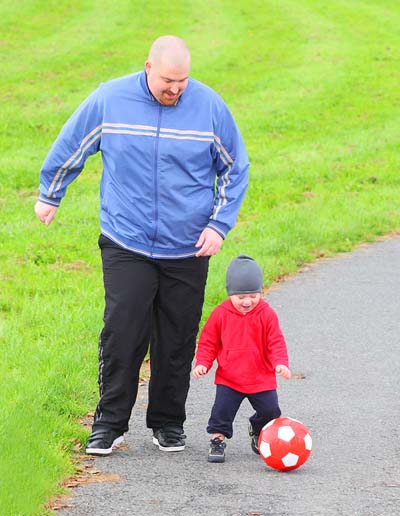
Man playing soccer with his young son.
You may be better able to move around and be physically active after surgery.

Bariatric Surgery Side Effects

What are the side effects of bariatric surgery?

Side effects may include

  • bleeding
  • infection
  • leaking from the site where the sections of the stomach or small intestine, or both, are stapled or sewn together
  • diarrhea
  • blood clots in the legs that can move to the lungs and heart

Rarely, surgery-related problems can lead to death.

Other side effects may occur later. Your body may not absorb nutrients well, especially if you don’t take your prescribed vitamins and minerals. Not getting enough nutrients can cause health problems, such as anemia and osteoporosis. Gallstones can occur after rapid weight loss. Some doctors prescribe medicine for about 6 months after surgery to help prevent gallstones. Gastric bands can erode into the stomach wall and need to be removed.

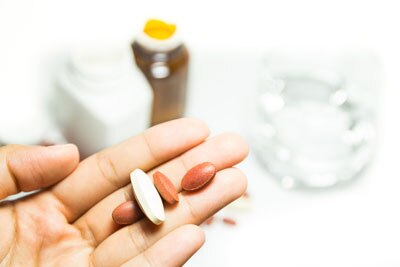
Vitamins and nutrients in pill format sitting in a person’s hand.
Taking your prescribed vitamins and minerals will help you get enough nutrients.

Other problems that could occur later include strictures and hernias. Strictures—narrowing of the new stomach or connection between the stomach and small intestine—make it hard to eat solid food and can cause nausea, vomiting, and trouble swallowing. Doctors treat strictures with special instruments to expand the narrowing. Two kinds of hernias may occur after bariatric surgery—at the incision site or in the abdomen. Doctors repair hernias with surgery.

Some research suggests that bariatric surgery, especially gastric bypass, may change the way your body absorbs and breaks down alcohol, and may lead to more alcohol-related problems after surgery.


Potential Candidates for Bariatric Surgery

Who is a good adult candidate for bariatric surgery?

Bariatric surgery may be an option for adults who have

  • a body mass index (BMI) of 40 or more, OR
  • a BMI of 35 or more with a serious health problem linked to obesity, such as type 2 diabetes, heart disease, or sleep apnea
  • a BMI of 30 or more with a serious health problem linked to obesity, for the gastric band only

Having surgery to lose weight is a serious decision. If you are thinking about having bariatric surgery, you should know what’s involved. Your answers to the following questions may help you decide if surgery is an option for you:

  • Have you been unable to lose weight or keep it off using nonsurgical methods such as lifestyle changes or drug treatment?
  • Do you understand what the operation involves and its risks and benefits?
  • Do you understand how your eating and physical activity patterns will need to change after you have surgery?
  • Can you commit to following lifelong healthy eating and physical activity habits, medical follow-up, and the need to take extra vitamins and minerals?

Who is a good teen candidate for bariatric surgery?

Doctors sometimes use bariatric surgery to treat teens with severe obesity who also have obesity-related health problems. Bariatric surgery often improves health problems that could grow worse in adulthood if the teen remains obese.

Surgery may be an option for teens who have gone through puberty and reached their adult height, and have

  • a BMI of 35 or more with serious obesity-related health problems, such as type 2 diabetes or severe sleep apnea, OR
  • a BMI of 40 or more with less severe health problems, such as high blood pressure or high cholesterol2
A photo of a woman smiling
Bariatric surgery may be an option for teens who have a BMI of 35 or more.

Studies suggest that bariatric surgery is fairly safe for teens and can improve health problems such as type 2 diabetes for at least 3 years after surgery. Teens who took part in a study that followed them for 3 years after surgery lost an average of 90 pounds and kept most of the weight off.3 They also reported improved quality of life related to their weight. Researchers continue to study the long-term effects, which currently are unknown.

Like adults, teens who are thinking about weight-loss surgery should be prepared for the lifestyle changes they will need to make after the surgery. A surgical center that focuses on the unique needs of youth may help the teen patient prepare for and adjust to these changes. Parents and caregivers also should be prepared and ready to support their child.

References


Clinical Trials

The National Institute of Diabetes and Digestive and Kidney Diseases (NIDDK) and other components of the National Institutes of Health (NIH) conduct and support research into many diseases and conditions.

What are clinical trials and are they right for you?

Clinical trials are part of clinical research and at the heart of all medical advances. Clinical trials look at new ways to prevent, detect, or treat disease in people of all ages. Researchers also use clinical trials to look at other aspects of care, such as improving the quality of life for people with chronic illnesses. Find out more about clinical trials.

What clinical trials are open?

Clinical trials that are currently open and are recruiting can be viewed at www.ClinicalTrials.gov.

What is the Longitudinal Assessment of Bariatric Surgery?

From 2003 to 2016, the NIDDK partnered with researchers to create the Longitudinal Assessment of Bariatric Surgery, or LABS. The researchers examined the safety and effectiveness of weight-loss surgery in adults. A separate group of researchers are doing similar research with teens, called Teen-LABS.

LABS found that weight-loss surgery performed by experienced surgeons is relatively safe, leads to large weight loss, and improves many weight-related health problems. Three years after surgery, about half of adult gastric bypass patients had lost at least 90 pounds, or almost one-third of their starting weight. Half of gastric band patients had lost at least 44 pounds, or 16 percent of their starting weight.4

Teens who had gastric bypass or gastric sleeve surgery had similar results. Three years after surgery, teens lost an average of 27 percent of their starting weight, with improved overall health and quality of life.5

References


This content is provided as a service of the National Institute of Diabetes and Digestive and Kidney Diseases (NIDDK), part of the National Institutes of Health. The NIDDK translates and disseminates research findings through its clearinghouses and education programs to increase knowledge and understanding about health and disease among patients, health professionals, and the public. Content produced by the NIDDK is carefully reviewed by NIDDK scientists and other experts.

Binge Eating Disorder

Definition & Facts

What is binge eating disorder?

Binge eating is when you eat a large amount of food in a short amount of time and feel that you can’t control what or how much you are eating. If you binge eat regularly—at least once a week for 3 months, you may have binge eating disorder.

If you have binge eating disorder, you may be very upset by your binge eating. You also may feel ashamed and try to hide your problem. Even your close friends and family members may not know you binge eat.

Woman eating cookies
If you have binge eating disorder, you may be very upset by your binge eating.

How is binge eating disorder different from bulimia nervosa?

Unlike people with binge eating disorder, people who have bulimia nervosa try to prevent weight gain after binge eating by vomiting, using laxatives or diuretics, fasting, or exercising too much.

How common is binge eating disorder?

Binge eating disorder is the most common eating disorder in the United States. About 3.5 percent of adult women and 2 percent of adult men have binge eating disorder. For men, binge eating disorder is most common in midlife, between the ages of 45 to 59.1

For women, binge eating disorder most commonly starts in early adulthood, between the ages of 18 and 29. About 1.6 percent of teenagers are affected.2 A much larger number of adults and children have episodes of binge eating or loss-of-control eating, but the episodes do not occur frequently enough to meet the criteria for binge eating disorder.

Binge eating disorder affects African Americans as often as whites. More research is needed on how often binge eating disorder affects people in other racial and ethnic groups.

Who is more likely to develop binge eating disorder?

Binge eating disorder can occur in people of average body weight but is more common in people with obesity, particularly severe obesity. However, it is important to note that most people with obesity do not have binge eating disorder.

Painful childhood experiences—such as family problems and critical comments about your shape, weight, or eating—also are associated with developing binge eating disorder. Binge eating disorder also runs in families, and there may be a genetic component as well.

What other health problems can you have with binge eating disorder?

Binge eating disorder may lead to weight gain and health problems related to obesity. Overweight and obesity are associated with many health problems, including type 2 diabetes, heart disease, and certain types of cancer. People with binge eating disorder may also have mental health problems such as depression or anxiety. Some people with binge eating disorder also have problems with their digestive system, or joint and muscle pain.

References


Symptoms & Causes

What are the symptoms of binge eating disorder?

If you have binge eating disorder, you may

  • eat a large amount of food in a short amount of time; for example, within 2 hours3
  • feel you lack control over your eating; for example, you cannot stop eating or control what or how much you are eating
Woman eating chocolate
If you have binge eating disorder, you may eat a large amount of food in a short amount of time.

You also may

  • eat more quickly than usual during binge episodes
  • eat until you feel uncomfortably full
  • eat large amounts of food even when you are not hungry
  • eat alone because you are embarrassed about the amount of food you eat
  • feel disgusted, depressed, or guilty after overeating4

If you think that you or someone close to you may have binge eating disorder, share your concerns with a health care provider. He or she can connect you to helpful sources of care.

What causes binge eating disorder?

No one knows for sure what causes binge eating disorder. Like other eating disorders, binge eating disorder may result from a mix of factors related to your genes, your thoughts and feelings, and social issues. Binge eating disorder has been linked to depression and anxiety

For some people, dieting in unhealthy ways—such as skipping meals, not eating enough food, or avoiding certain kinds of food—may contribute to binge eating. 

References


Diagnosis & Treatment

How do doctors diagnose binge eating disorder?

Most of us overeat from time to time, and some of us often feel we have eaten more than we should have. Eating a lot of food does not necessarily mean you have binge eating disorder.

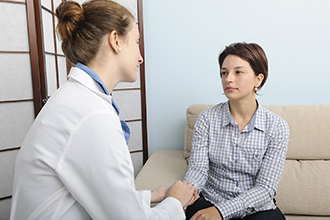
Woman patient with doctor.
To determine if you have binge eating disorder, you may want to talk with a specialist in eating disorders.

To determine if you have binge eating disorder, you may want to talk with a specialist in eating disorders, such as a psychiatrist, psychologist, or other mental health professional. He or she will talk with you about your symptoms and eating patterns. If a health care provider determines you have binge eating disorder, he or she can work with you to find the best treatment options. 

How do doctors treat binge eating disorder?

Talk to your doctor if you think you have binge eating disorder. Ask him or her to refer you to a mental health professioinal in your area. A specialist, such as a psychiatrist, psychologist or other mental health professional, may be able to help you choose the best treatment for you.

Treatment may include therapy to help you change your eating habits, as well as thoughts and feelings that may lead to binge eating and other psychological symptoms. Types of therapy that have been shown to help people with binge eating disorder are called psychotherapies and include cognitive behavioral therapy, interpersonal psychotherapy, and dialectical behavior therapy. Your psychiatrist or other health care provider may also prescribe medication to help you with your binge eating, or to treat other medical or mental health problems.

Should you try to lose weight if you have binge eating disorder?

Losing weight may help prevent or reduce some of the health problems related to carrying excess weight. Binge eating may make it hard to lose weight and keep it off. If you have binge eating disorder and are overweight, a weight-loss program that also offers treatment for eating disorders may help you lose weight. However, some people with binge eating disorder do just as well in a behavioral treatment program designed only for weight loss as people who do not binge eat. Talk with your health care professional to help you decide whether you should try to manage your binge eating before entering a weight management program.

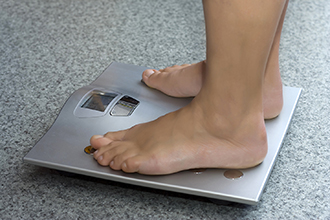
Patient standing on weight scale.
Binge eating may make it hard to lose weight and keep it off.

Clinical Trials

The National Institute of Diabetes and Digestive and Kidney Diseases (NIDDK) and other components of the National Institutes of Health (NIH) conduct and support basic and clinical research into many digestive disorders.

What are clinical trials and are they right for you?

Clinical trials are part of clinical research and at the heart of all medical advances. Clinical trials look at new ways to prevent, detect, or treat disease. Researchers also use clinical trials to look at other aspects of care, such as improving the quality of life for people with chronic illnesses. Find out if clinical trials are right for you.

What clinical trials are open?

Clinical trials that are currently open and are recruiting can be viewed at www.ClinicalTrials.gov.


This content is provided as a service of the National Institute of Diabetes and Digestive and Kidney Diseases (NIDDK), part of the National Institutes of Health. The NIDDK translates and disseminates research findings through its clearinghouses and education programs to increase knowledge and understanding about health and disease among patients, health professionals, and the public. Content produced by the NIDDK is carefully reviewed by NIDDK scientists and other experts.

Body Weight Planner

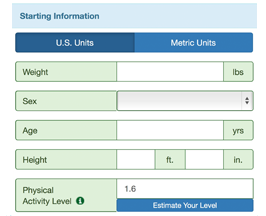
The Body Weight Planner allows users to make personalized calorie and physical activity plans to reach a goal weight within a specific time period and to maintain it afterwards.

Use SuperTracker to get a personalized meal plan based on your calorie results from the Body Weight Planner. SuperTracker is a free food, physical activity, and weight tracking tool from ChooseMyPlate.gov.

Disclaimer: This information is for use in adults defined as individuals 18 years of age or older and not by younger people, or pregnant or breastfeeding women. This information is not intended to provide medical advice. A health care provider who has examined you and knows your medical history is the best person to diagnose and treat your health problem. If you have specific health questions, please consult your health care provider.

This content is provided as a service of the National Institute of Diabetes and Digestive and Kidney Diseases (NIDDK), part of the National Institutes of Health. The NIDDK translates and disseminates research findings through its clearinghouses and education programs to increase knowledge and understanding about health and disease among patients, health professionals, and the public. Content produced by the NIDDK is carefully reviewed by NIDDK scientists and other experts.

Choosing a Safe and Successful Weight-loss Program

Do you think you need to lose weight? Have you been thinking about trying a weight-loss program?

You are not alone. More than 70 percent of U.S. adults are overweight or have obesity1 —and many of them try to lose the extra pounds through different kinds of weight-loss programs. A number of these programs are advertised in magazines and newspapers, as well as on the radio, TV, and internet. But are they safe? And will they work for you?

Here you’ll find tips on how to choose a program that may help you lose weight safely and keep it off over time. You’ll also learn how to talk with a health care professional about your weight.

Your health care professional may be able to help you make lifestyle changes to reach and maintain a healthy weight. However, if you’re having trouble making these lifestyle changes—or if these changes aren’t enough to help you reach and stay at a healthy weight—you may want to consider a weight-loss program or other types of treatment.

Where do I start?

Talking with a health care professional about your weight is an important first step. Sometimes, health care professionals may not address issues such as healthy eating, physical activity, and weight during general office visits. You may need to raise these issues yourself. If you feel uneasy talking about your weight, bring your questions with you and practice talking about your concerns before your office visit. Aim to work with your health care professional to improve your health.

Woman talking with a female health care professional
Talking with your health care professional about your weight is an important first step.

Prepare for your visit

Before your visit with a health care professional, think about the following questions:

  • How can I change my eating habits so I can be healthier and reach a healthy weight?
  • How much and what type of physical activity do I think I need to be healthier and reach a healthy weight?
  • Could I benefit from seeing a nutrition professional or weight-loss specialist, or joining a weight-loss program?

You can be better prepared for a visit with a health care professional if you

  • write down all of your questions ahead of time
  • record all of the medicines and dietary supplements you take, or bring them with you
  • write down the types of diets or programs you have tried in the past to lose weight
  • bring a pen and paper, smartphone, or other mobile device to read your questions and take notes

During your visit, a health care professional may

  • review any medical problems you have and medicines you take to see whether they may be affecting your weight or your ability to lose weight
  • ask you about your eating, drinking, and physical activity habits
  • determine your body mass index (BMI) to see whether you’re overweight or have obesity

People who are overweight have a BMI between 25.0 and 29.9. People with obesity have a BMI of 30.0 or higher, and those with extreme obesity have a BMI of 40.0 or higher. You can use this online tool or chart to see what your BMI is.

If a health care professional says you should lose weight, you may want to ask for a referral to a weight-loss program, dietitian, or weight-loss specialist. If you decide to choose a weight-loss program on your own, consider talking with the health care professional about the program before you sign up, especially if you have any health problems.

Ask questions if you don’t understand something your health care professional has said, or if you need more information.

Questions to ask a health care professional

You may want to ask a health care professional the following questions:

  • What is a healthy weight or BMI for me?
  • Will losing weight improve my general health, as well as specific health problems I have?
  • Could any of my medical conditions or medications be causing weight gain or making it harder for me to lose weight?
  • Are there any types or amounts of physical activity I should not do because of my health?
  • What dietary approaches do you recommend I try or avoid?

What should I look for in a weight-loss program?

To reach and stay at a healthy weight over the long term, you must focus on your overall health and lifestyle habits, not just on what you eat. Successful weight-loss programs should promote healthy behaviors that help you lose weight safely, that you can stick with every day, and that help you keep the weight off.

Safe and successful weight-loss programs should include

  • behavioral treatment, also called lifestyle counseling, that can teach you how to develop and stick with healthier eating and physical activity habits—for example, keeping food and activity records or journals
  • information about getting enough sleep, managing stress, and the benefits and drawbacks of weight-loss medicines
  • ongoing feedback, monitoring, and support throughout the program, either in person, by phone, online, or through a combination of these approaches
  • slow and steady weight-loss goals—usually 1 to 2 pounds per week (though weight loss may be faster at the start of a program)
  • a plan for keeping the weight off, including goal setting, self-checks such as keeping a food journal, and counseling support

The most successful weight-loss programs provide 14 sessions or more of behavioral treatment over at least 6 months—and are led by trained staff.2

Some commercial weight-loss programs have all of these components for a safe and successful weight-loss program. Check for these features in any program you are thinking about trying.

Some weight-loss programs use very low-calorie diets to promote quick weight loss—3 or more pounds a week for several weeks—in people with a lot of excess weight. You should be monitored closely by a health care professional if you are on a very low-calorie diet that provides 800 calories a day or less.

Although these diets may help some people lose a lot of weight quickly—for example, 15 pounds in a month—they may not help people keep the weight off long term. These diets also may have related health risks, the most common being gallstones.3

For people who are overweight or have obesity, experts recommend a beginning weight-loss goal of 5 to 10 percent of your starting weight within 6 months.2 If you weigh 200 pounds, that would amount to a loss of 10 pounds, which is 5 percent of starting weight, to 20 pounds, which is 10 percent of starting weight, in 6 months.

Changing your lifestyle isn’t easy, but adopting healthy habits that you don’t give up after a few weeks or months may help you maintain your weight loss. Read how to change your habits for better health.

What if the program is offered online?

Many weight-loss programs are now being offered partly or completely online and through apps for mobile devices. Researchers are studying how well these programs work on their own or together with in-person programs, especially long term. However, experts suggest that these weight-loss programs should provide the following:

  • organized, weekly lessons, offered online or by podcast, and tailored to your personal goals
  • support from a qualified staff person to meet your goals
  • a plan to track your progress on changing your lifestyle habits, such as healthy eating and physical activity, using tools such as cellphones, activity counters, and online journals
  • regular feedback on your goals, progress, and results provided by a counselor through email, phone, or text messages
  • the option of social support from a group through bulletin boards, chat rooms, or online meetings

Whether a program is online or in person, you should get as much background as you can before you decide to join.

Woman holding a laptop and sitting on the floor with outstretched legs
Many weight-loss programs are now being offered online and through apps for mobile devices.

What questions should I ask about a weight-loss program?

Weight-loss program staff should be able to answer questions about the program’s features, safety, costs, and results. Find out if the program you’re interested in is based on current research about what works for reaching and maintaining a healthy weight.

A first and very important question to ask of commercial weight-loss programs is, “Has your company published any reports in peer-reviewed, scientific journals about the safety and effectiveness of your program?”

If the response is “yes,” ask for a copy of the report or how you could get it. If the answer is “no,” the program is harder to evaluate and may not be as favorable a choice as programs that have published such information. If you have questions about the findings, discuss the report with your health care professional.

Here are some other questions you may want to ask:

What does the program include?

Eating

  • Am I expected to follow a specific meal plan?
  • Am I encouraged to write down what I eat each day?
  • Do I have to buy special meals or supplements? If so, what are the daily or weekly costs?
  • Does the program offer healthy meal-plan suggestions that I could stick with?
  • If the program requires special foods, can I make changes based on my likes, dislikes, and any food allergies I may have?

Physical Activity

  • Does the program include a physical activity plan?
  • Does the program offer ways to help me be more physically active and stay motivated?

Counseling

  • Does the program offer one-on-one or group counseling to help me develop and stick with my healthier habits?
  • Does the program include a trained coach or counselor to help me overcome roadblocks and stay on track?

Weight Maintenance

  • Does the program include a plan to help me keep off the weight I’ve lost?
  • What does that program include? Will there be ongoing counseling support?

Other Features

  • How long is the actual weight-loss program?
  • How long is the weight-loss maintenance program?
  • Does the program require that I take any kind of medicine?
  • Can I speak with a doctor or certified health professional if I need to?
  • Can I change the program to meet my lifestyle, work schedule, and cultural needs?
  • Will the program help me cope with such issues as stress or social eating, getting enough sleep, changes in work schedules, lack of motivation, and injury or illness?
  • Is the program in person? Is there an online part to the program?
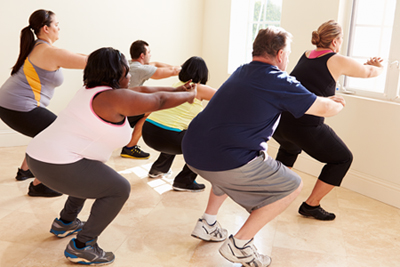
Group of men and women in an exercise class
Find out if the program offers ways to help you be more physically active.

What kind of education or training do staff members have?

These questions are especially important if you are considering a medically supervised program that encourages quick weight loss (3 or more pounds a week for several weeks):

  • Does a doctor or other certified health professional run or oversee the program?
  • Does the program include specialists in nutrition, physical activity, behavior change, and weight loss?
  • What type of certifications, education, experience, and training do staff members have? How long, on average, have most of the staff been working with the program?

Does the program or product carry any risks?

  • Could the program cause health problems or be harmful to me in any way?
  • Is there ongoing input and follow-up to ensure my safety while I’m in the program?
  • Will the program’s doctor or staff work with my health care professional if needed—for example, to address how the program may affect an ongoing medical issue?

How much does the program cost?

  • What is the total cost of the program, from beginning to end?
  • Are there costs that are not included in that total, such as membership fees or fees for
    • weekly visits
    • food, meal replacements, supplements, or other products
    • medical tests
    • counseling sessions
    • follow-up to maintain the weight I’ve lost

What results do people in the program typically achieve?

  • How much weight does the average person lose?
  • How long does the average person keep the weight off?
  • Do you have written information on these and other program results?
  • Are the results of the program published in a peer-reviewed scientific journal?

What if I need more help losing weight?

If a weight-loss program is not enough to help you reach a healthy weight, ask your health care professional about other types of weight-loss treatments. Prescription medicines to treat overweight and obesity, combined with healthy lifestyle changes, may help some people reach a healthy weight. For some people who have extreme obesity, bariatric surgery may be an option.
References

Clinical Trials

The National Institute of Diabetes and Digestive and Kidney Diseases (NIDDK) and other components of the National Institutes of Health (NIH) conduct and support research into many diseases and conditions.

What are clinical trials, and are they right for you?

Clinical trials are part of clinical research and at the heart of all medical advances. Clinical trials look at new ways to prevent, detect, or treat disease. Researchers also use clinical trials to look at other aspects of care, such as improving the quality of life for people with chronic illnesses. Find out if clinical trials are right for you.

What clinical trials are open?

Clinical trials that are currently open and are recruiting can be viewed at www.ClinicalTrials.gov.

This content is provided as a service of the National Institute of Diabetes and Digestive and Kidney Diseases (NIDDK), part of the National Institutes of Health. The NIDDK translates and disseminates research findings through its clearinghouses and education programs to increase knowledge and understanding about health and disease among patients, health professionals, and the public. Content produced by the NIDDK is carefully reviewed by NIDDK scientists and other experts.

The NIDDK would like to thank:
Thomas A. Wadden, Ph.D., Albert J. Stunkard Professor in Psychiatry; Director Emeritus, Center for Weight and Eating Disorders, Department of Psychiatry, Perelman School of Medicine, University of Pennsylvania

Dieting & Gallstones

Introduction

According to estimates, as many as 20 million Americans have gallstones—solid deposits that may form in the gallbladder. Most people with gallstones do not know that they have them and experience no symptoms (signs that a disease is present). Others may have symptoms like pain and nausea in the abdomen (the part of the body that holds the stomach, intestines, and other organs), often after meals. In some cases, gallstones may cause serious health problems that require the gallbladder to be removed.

Although it is not clear what causes gallstones, many factors may increase your chances of having problems related to gallstones. These factors include having too much body fat, especially around your waist, and losing weight very quickly. This fact sheet will tell you more about gallstones, how they are linked to obesity and dieting, and how you may help prevent this very common health problem.

What are gallstones?

Gallstones are hard crystals that may form in the gallbladder, a small pear-shaped organ located on the right side of the abdomen, under the liver. The gallbladder helps the body digest foods by storing and releasing bile into the small intestine. Bile, a liquid made in the liver, has bile salts and other substances that help break down fats so they can be digested.

Gallstones form when substances in the bile join together to form crystals. These crystals lodge in the inner lining of the gallbladder, growing into gallstones over time. Gallstones can vary from the size of little pebbles to as large as golf balls. The gallbladder may have one or more gallstones of different sizes.

Liver with Pancreatic duct

In the United States, most gallstones are made of cholesterol, a type of fat that is created in the liver and is also found in foods from animal sources, such as dairy products, eggs, meat, and poultry. Cholesterol gallstones are yellow in color. Other types of gallstones, called pigment stones, are made up of other substances in the bile.

How can I tell if I have gallstones?

Most people who have gallstones have no signs. These gallstones are called "silent gallstones" and do not need to be treated.

In some people, a gallstone may become stuck in the narrow canal, or duct, that carries bile from the gallbladder to the small intestine. The blockage may cause the gallbladder, ducts, or more rarely, the liver or pancreas to become inflamed.

Signs of gallstones or a gallstone attack include these:

  • severe pain in the upper-right side of the abdomen that starts suddenly and lasts from 30 minutes to many hours
  • pain under the right shoulder or in the right shoulder blade
  • indigestion after eating foods high in fat or protein, including desserts and fried foods

Gallstone attacks often take place during the night.

Symptoms of a serious gallbladder attack

You may want to seek help right away if you have any of these symptoms:

  • abdominal pain that lasts more than 5 hours
  • clay-colored stools
  • fever or chills
  • nausea and vomiting
  • yellowish color of the skin or of the whites of the eyes

What causes gallstones?

What causes gallstones is not clear. Most gallstones are made up of cholesterol, a type of fat made in the liver and obtained from some foods.

Gallstones may form when:

  • the liver releases too much cholesterol into the bile
  • there are not enough bile salts in the bile to dissolve the cholesterol
  • there are other substances in the bile that cause the cholesterol to form crystals
  • the gallbladder does not empty completely or often enough, which concentrates the bile

Gallstones are more common among women and adults ages 40 and older than among other groups. The female sex hormone estrogen may help explain why gallstones are more common among women than among men. Estrogen may increase the amount of cholesterol in the bile and decrease gallbladder movement, which may lead to gallstones.

Other factors that may increase your chances of developing gallstones are these:

  • diabetes
  • family history of gallstones
  • high triglycerides (a type of fat in the blood)
  • lack of physical activity
  • low HDL (good) cholesterol
  • obesity, particularly a large waist size
  • pregnancy
  • rapid weight loss

Some drugs may also increase your chances of getting gallstones. Among them are drugs that have estrogen, such as birth control pills and hormone replacement therapy (medicine that may be given to some women to address problems related to menopause). Taking drugs that lower cholesterol levels in the blood may also make it more likely that you will develop gallstones, as some of these drugs may make the liver release more cholesterol into the bile.

How may obesity increase my chances of getting gallstones?

Being overweight or obese may increase your chances of having gallstones, especially if you are female. Researchers have found that people who are obese may produce high levels of cholesterol. This may produce bile having more cholesterol than it can dissolve. When this happens, gallstones can form. People who are obese may also have large gallbladders that do not work well. Some studies have shown that men and women who carry large amounts of fat around their waist may be more likely to develop gallstones than those who carry fat around their hips and thighs.

Although rapid weight loss may increase your chances of developing gallstones (see the next section), obesity may be a bigger problem. In addition to gallstones, obesity is linked to many serious health problems, including diabetes, heart disease, stroke, and certain types of cancer.

For those who are overweight or obese, even a small weight loss of 10 percent of body weight over a period of 6 months can improve health. In addition, weight loss may bring other benefits such as better mood, increased energy, and positive self-image.

How may rapid weight loss increase my chances of getting gallstones?

Losing weight very quickly may increase your chances of forming gallstones. If you have silent gallstones, you may also be more likely to develop symptoms. People who lose more than 3 pounds per week may have a greater chance of getting gallstones than those who lose weight more slowly.

Some ways of treating obesity, such as weight-loss surgery and very low-calorie diets (VLCDs), may increase your chances of developing gallstones by promoting rapid weight loss.

Weight-loss surgery is an operation on the stomach and/or intestines to help people lose weight by limiting food intake and/or by affecting how food is digested.

A very low-calorie diet is a very restrictive diet that uses a commercially prepared formula providing about 800 calories per day. A health care provider closely supervises these types of diets.

Several factors may increase your chances of having problems with gallstones after weight-loss surgery or a VLCD. They include:

  • existing gallstones before your surgery or VLCD, especially if they are causing symptoms
  • a large amount of excess weight before the surgery or VLCD
  • very rapid weight loss after the surgery or VLCD

Your chances of developing gallstones may vary by type of treatment. Diets or surgeries that cause very rapid weight loss may be more likely to lead to gallstone problems than diets or surgeries that lead to slower weight loss.

If you are starting a VLCD or having weight-loss surgery, talk to your health care provider about how to reduce your chances of getting gallstones.

Is weight cycling a problem?

Weight cycling, or losing and regaining weight repeatedly, may also lead to gallstones. The more weight you lose and regain during a cycle, the greater your chances of developing gallstones.

When trying to lose weight on your own, stay away from "crash diets" that promise to help you drop the pounds quickly. Aim for losing weight at a slower pace and keeping it off over time.

How may I safely lose weight and reduce my chances of getting gallstones?

Losing weight at a slow pace may make it less likely that you will develop gallstones. Depending on your starting weight, experts recommend losing about 1/2 to 2 pounds per week.

When making healthy food choices to help you lose weight, you can choose food that may also lower your chances of developing gallstones.

Experts recommend the following:

  • Eat more foods high in fiber, like brown rice, oats, and whole wheat bread.
  • Eat fewer refined grains and less sugar.
  • Eat healthy fats, like fish oil and olive oil, to help your gallbladder contract and empty on a regular basis.

Regular physical activity, which may improve your health, is also related to a reduced chance of developing gallstones. To lose weight or prevent weight gain, aim for 300 minutes (5 hours) of moderately intense aerobic activity each week. Aerobic activity uses your large muscles (back, chest, and legs), increases your heart rate, and may make you breathe harder. To sustain weight loss, you may need at least 60 to 90 minutes a day.

If you are thinking about starting an eating and physical activity plan to lose weight, talk with your health care provider first. Together, you can discuss various eating and physical activity programs, your medical history, and the benefits and risks of losing weight, including the chances of developing gallstones.

How are gallstones treated?

Silent gallstones are usually left alone and sometimes disappear on their own. Gallstones that are causing symptoms are usually treated.

The most common way to treat gallstones that are causing symptoms is to remove the organ. This operation is called a cholecystectomy. In most cases, surgeons can use a laparoscope, a thin, lighted tube that shows them what is inside your abdomen. The surgery is done while you are under general anesthesia (asleep and pain-free). The surgeon makes small cuts in your abdomen to insert the surgical tools and take out the gallbladder.

Most people go home on the same day or the day after this surgery. If there were problems during your surgery, or if you have bleeding, a lot of pain, or a fever, you may need to stay in the hospital longer. In general, you can expect to go home once you are able to eat and drink without pain and are able to walk without help. It may take about a week for you to fully recover.

If surgery is not a good option for you, your health care provider may give you drugs to dissolve your gallstones. However, this approach may take months or years to dissolve the gallstones. In addition, you may develop gallstones again.

Researchers are looking into other treatments for gallstone problems, including drugs that affect how your body uses cholesterol. Your health care provider can help determine which option is best for you.

Research

The National Institute of Diabetes and Digestive and Kidney Diseases (NIDDK) conducts and supports a broad range of basic and clinical obesity research. More information about obesity research is available at http://www.obesityresearch.nih.gov.

Clinical Trials

The National Institute of Diabetes and Digestive and Kidney Diseases (NIDDK) and other components of the National Institutes of Health (NIH) conduct and support research into many diseases and conditions.

What are clinical trials, and are they right for you?

Clinical trials are part of clinical research and at the heart of all medical advances. Clinical trials look at new ways to prevent, detect, or treat disease. Researchers also use clinical trials to look at other aspects of care, such as improving the quality of life for people with chronic illnesses. Find out if clinical trials are right for you.

What clinical trials are open?

Clinical trials that are currently open and are recruiting can be viewed at www.ClinicalTrials.gov.

This content is provided as a service of the National Institute of Diabetes and Digestive and Kidney Diseases (NIDDK), part of the National Institutes of Health. The NIDDK translates and disseminates research findings through its clearinghouses and education programs to increase knowledge and understanding about health and disease among patients, health professionals, and the public. Content produced by the NIDDK is carefully reviewed by NIDDK scientists and other experts.

The NIDDK would like to thank:
James Everhart, M.D., M.P.H., Chief, Epidemiology and Clinical Trials Branch, NIDDK; Van S. Hubbard, M.D., Ph.D., Director, NIH Division of Nutrition Research Coordination; and Susan Z. Yanovski, M.D., Co-Director, Office of Obesity Research, NIDDK for reviewing this fact sheet.

Health Risks of Being Overweight

Overweight and obesity may increase the risk of many health problems, including diabetes, heart disease, and certain cancers. If you are pregnant, excess weight may lead to short- and long-term health problems for you and your child.

This fact sheet tells you more about the links between excess weight and many health conditions. It also explains how reaching and maintaining a normal weight may help you and your loved ones stay healthier as you grow older.

What kinds of health problems are linked to overweight and obesity?

Excess weight may increase the risk for many health problems, including

  • type 2 diabetes
  • high blood pressure
  • heart disease and strokes
  • certain types of cancer
  • sleep apnea
  • osteoarthritis
  • fatty liver disease
  • kidney disease
  • pregnancy problems, such as high blood sugar during pregnancy, high blood pressure, and increased risk for cesarean delivery (C-section)

How can I tell if I weigh too much?

Gaining a few pounds during the year may not seem like a big deal. But these pounds can add up over time. How can you tell if your weight could increase your chances of developing health problems? Knowing two numbers may help you understand your risk: your body mass index (BMI) score and your waist size in inches.

Body Mass Index

The BMI is one way to tell whether you are at a normal weight, are overweight, or have obesity. It measures your weight in relation to your height and provides a score to help place you in a category:

  • normal weight: BMI of 18.5 to 24.9
  • overweight: BMI of 25 to 29.9
  • obesity: BMI of 30 or higher

For an online tool that will calculate your BMI score, see the Additional Links section.

Waist Size

Another important number to know is your waist size in inches. Having too much fat around your waist may increase health risks even more than having fat in other parts of your body. Women with a waist size of more than 35 inches and men with a waist size of more than 40 inches may have higher chances of developing diseases related to obesity.

Know your health numbers

Below are some numbers to aim for.1,2

Measure Target
Target BMI 18.5-24.9
Waist Size Men: less than 40 in.
Women: less than 35 in.
Blood Pressure 120/80 mm Hg or less
LDL (bad cholesterol) Less than 100 mg/dl
HDL (good cholesterol) Men: more than 40 mg/dl
Women: more than 50 mg/dl
Triglycerides Less than 150 mg/dl
Blood sugar (fasting) Less than 100 mg/dl

Type 2 Diabetes

What is type 2 diabetes?

Type 2 diabetes is a disease in which blood sugar levels are above normal. High blood sugar is a major cause of heart disease, kidney disease, stroke, amputation, and blindness. In 2009, diabetes was the seventh leading cause of death in the United States.3

Type 2 diabetes is the most common type of diabetes. Family history and genes play a large role in type 2 diabetes. Other risk factors include a low activity level, poor diet, and excess body weight around the waist. In the United States, type 2 diabetes is more common among blacks, Latinos, and American Indians than among whites.4

How is type 2 diabetes linked to overweight?

About 80 percent of people with type 2 diabetes are overweight or obese.5 It isn't clear why people who are overweight are more likely to develop this disease. It may be that being overweight causes cells to change, making them resistant to the hormone insulin. Insulin carries sugar from blood to the cells, where it is used for energy. When a person is insulin resistant, blood sugar cannot be taken up by the cells, resulting in high blood sugar. In addition, the cells that produce insulin must work extra hard to try to keep blood sugar normal. This may cause these cells to gradually fail.

How can weight loss help?

If you are at risk for type 2 diabetes, losing weight may help prevent or delay the onset of diabetes. If you have type 2 diabetes, losing weight and becoming more physically active can help you control your blood sugar levels and prevent or delay health problems. Losing weight and exercising more may also allow you to reduce the amount of diabetes medicine you take.

Diabetes Prevention Program

The Diabetes Prevention Program (DPP) was a large clinical study sponsored by the National Institutes of Health to look at ways to prevent type 2 diabetes in adults who were overweight.

The DPP found that losing just 5 to 7 percent of your body weight and doing moderately intense exercise (like brisk walking) for 150 minutes a week may prevent or delay the onset of type 2 diabetes.

High Blood Pressure

What is high blood pressure?

Every time your heart beats, it pumps blood through your arteries to the rest of your body. Blood pressure is how hard your blood pushes against the walls of your arteries. High blood pressure (hypertension) usually has no symptoms, but it may cause serious problems, such as heart disease, stroke, and kidney failure.

A blood pressure of 120/80 mm Hg (often referred to as "120 over 80") is considered normal. If the top number (systolic blood pressure) is consistently 140 or higher or the bottom number (diastolic blood pressure) is 90 or higher, you are considered to have high blood pressure.

How is high blood pressure linked to overweight?

High blood pressure is linked to overweight and obesity in several ways. Having a large body size may increase blood pressure because your heart needs to pump harder to supply blood to all your cells. Excess fat may also damage your kidneys, which help regulate blood pressure. 

How can weight loss help?

Weight loss that will get you close to the normal BMI range may greatly lower high blood pressure. Other helpful changes are to quit smoking, reduce salt, and get regular physical activity. However, if lifestyle changes aren't enough, your doctor may prescribe drugs to lower your blood pressure.

Heart Disease

What is heart disease?

Heart disease is a term used to describe several problems that may affect your heart. The most common type of problem happens when a blood vessel that carries blood to the heart becomes hard and narrow. This may keep the heart from getting all the blood it needs. Other problems may affect how well the heart pumps. If you have heart disease, you may suffer from a heart attack, heart failure, sudden cardiac death, angina (chest pain), or abnormal heart rhythm. Heart disease is the leading cause of death in the United States.3

How is heart disease linked to overweight?

People who are overweight or obese often have health problems that may increase the risk for heart disease. These health problems include high blood pressure, high cholesterol, and high blood sugar. In addition, excess weight may cause changes to your heart that make it work harder to send blood to all the cells in your body.

How can weight loss help?

Losing 5 to 10 percent of your weight may lower your chances of developing heart disease. If you weigh 200 pounds, this means losing as little as 10 pounds. Weight loss may improve blood pressure, cholesterol levels, and blood flow.

Stroke

What is a stroke?

A stroke happens when the flow of blood to a part of your brain stops, causing brain cells to die. The most common type of stroke, called ischemic stroke, occurs when a blood clot blocks an artery that carries blood to the brain. Another type of stroke, called hemorrhagic stroke, happens when a blood vessel in the brain bursts.

How are strokes linked to overweight?

Overweight and obesity are known to increase blood pressure. High blood pressure is the leading cause of strokes. Excess weight also increases your chances of developing other problems linked to strokes, including high cholesterol, high blood sugar, and heart disease.

How can weight loss help?

One of the most important things you can do to reduce your stroke risk is to keep your blood pressure under control. Losing weight may help you lower your blood pressure. It may also improve your cholesterol and blood sugar, which may then lower your risk for stroke.

Cancer

What is cancer?

Cancer occurs when cells in one part of the body, such as the colon, grow abnormally or out of control. The cancerous cells sometimes spread to other parts of the body, such as the liver. Cancer is the second leading cause of death in the United States.3

How is cancer linked to overweight?

Gaining weight as an adult increases the risk for several cancers, even if the weight gain doesn't result in overweight or obesity. It isn't known exactly how being overweight increases cancer risk. Fat cells may release hormones that affect cell growth, leading to cancer. Also, eating or physical activity habits that may lead to being overweight may also contribute to cancer risk.

How can weight loss help?

Avoiding weight gain may prevent a rise in cancer risk. Healthy eating and physical activity habits may lower cancer risk. Weight loss may also lower your risk, although studies have been inconclusive.

What kinds of cancers are linked to overweight and obesity?

Being overweight increases the risk of developing certain cancers, including the following6:

  • breast, after menopause
  • colon and rectum
  • endometrium (lining of the uterus)
  • gallbladder
  • kidney

Sleep Apnea

What is sleep apnea?

Sleep apnea is a condition in which a person has one or more pauses in breathing during sleep. A person who has sleep apnea may suffer from daytime sleepiness, difficulty focusing, and even heart failure.

How is sleep apnea linked to overweight?

Obesity is the most important risk factor for sleep apnea. A person who is overweight may have more fat stored around his or her neck. This may make the airway smaller. A smaller airway can make breathing difficult or loud (because of snoring), or breathing may stop altogether for short periods of time. In addition, fat stored in the neck and throughout the body may produce substances that cause inflammation. Inflammation in the neck is a risk factor for sleep apnea.

How can weight loss help?

Weight loss usually improves sleep apnea. Weight loss may help to decrease neck size and lessen inflammation.

Osteoarthritis

What is osteoarthritis?

Osteoarthritis is a common health problem that causes pain and stiffness in your joints. Osteoarthritis is often related to aging or to an injury, and most often affects the joints of the hands, knees, hips, and lower back.

How is osteoarthritis linked to overweight?

Being overweight is one of the risk factors for osteoarthritis, along with joint injury, older age, and genetic factors. Extra weight may place extra pressure on joints and cartilage (the hard but slippery tissue that covers the ends of your bones at a joint), causing them to wear away. In addition, people with more body fat may have higher blood levels of substances that cause inflammation. Inflamed joints may raise the risk for osteoarthritis.

How can weight loss help?

For those who are overweight or obese, losing weight may help reduce the risk of developing osteoarthritis. Weight loss of at least 5 percent of your body weight may decrease stress on your knees, hips, and lower back and lessen inflammation in your body.

If you have osteoarthritis, losing weight may help improve your symptoms. Research also shows that exercise is one of the best treatments for osteoarthritis. Exercise can improve mood, decrease pain, and increase flexibility.

Fatty Liver Disease

What is fatty liver disease?

Fatty liver disease, also known as nonalcoholic steatohepatitis (NASH), occurs when fat builds up in the liver and causes injury. Fatty liver disease may lead to severe liver damage, cirrhosis (scar tissue), or even liver failure.

Fatty liver disease usually produces mild or no symptoms. It is like alcoholic liver disease, but it isn't caused by alcohol and can occur in people who drink little or no alcohol.

How is fatty liver disease linked to overweight?

The cause of fatty liver disease is still not known. The disease most often affects people who are middle-aged, overweight or obese, and/or diabetic. Fatty liver disease may also affect children.

How can weight loss help?

Although there is no specific treatment for fatty liver disease, patients are generally advised to lose weight, eat a healthy diet, increase physical activity, and avoid drinking alcohol. If you have fatty liver disease, lowering your body weight to a healthy range may improve liver tests and reverse the disease to some extent.

Kidney Disease

What is kidney disease?

Your kidneys are two bean-shaped organs that filter blood, removing extra water and waste products, which become urine. Your kidneys also help control blood pressure so that your body can stay healthy.

Kidney disease means that the kidneys are damaged and can't filter blood like they should. This damage can cause wastes to build up in the body. It can also cause other problems that can harm your health.

How is kidney disease linked to overweight?

Obesity increases the risk of diabetes and high blood pressure, the most common causes of chronic kidney disease. Recent studies suggest that even in the absence of these risks, obesity itself may promote chronic kidney disease and quicken its progress.

How can weight loss help?

If you are in the early stages of chronic kidney disease, losing weight may slow the disease and keep your kidneys healthier longer. You should also choose foods with less salt (sodium), keep your blood pressure under control, and keep your blood glucose in the target range.

NASH Clinical Research Network

The National Institute of Diabetes and Digestive and Kidney Diseases funds the NASH Clinical Research Network, which comprises eight clinical centers located throughout the United States and a coordinating center at The Johns Hopkins University.

The NASH network researches the nature and underlying cause of NASH and conducts clinical studies on prevention and treatment.

Pregnancy Problems

What are pregnancy problems?

Overweight and obesity raise the risk of health problems for both mother and baby that may occur during pregnancy. Pregnant women who are overweight or obese may have an increased risk for

  • developing gestational diabetes (high blood sugar during pregnancy)
  • having preeclampsia (high blood pressure during pregnancy that can cause severe problems for both mother and baby if left untreated)
  • needing a C-section and, as a result, taking longer to recover after giving birth

Babies of overweight or obese mothers are at an increased risk of being born too soon, being stillborn (dead in the womb after 20 weeks of pregnancy), and having neural tube defects (defects of the brain and spinal cord).

How are pregnancy problems linked to overweight?

Pregnant women who are overweight are more likely to develop insulin resistance, high blood sugar, and high blood pressure. Overweight also increases the risks associated with surgery and anesthesia, and severe obesity increases surgery time and blood loss.

Gaining too much weight during pregnancy can have long-term effects for both mother and child. These effects include that the mother will have overweight or obesity after the child is born. Another risk is that the baby may gain too much weight later as a child or as an adult.

If you are pregnant, check the sidebar for general guidelines about weight gain. Talk to your health care provider about how much weight gain is right for you during pregnancy.

How can weight loss help?

If you are overweight or obese and would like to become pregnant, talk to your health care provider about losing weight first. Reaching a normal weight before becoming pregnant may reduce your chances of developing weight-related problems. Pregnant women who are overweight or obese should speak with their health care provider about limiting weight gain and being physically active during pregnancy.

Losing excess weight after delivery may help women reduce their health risks. For example, if a woman developed gestational diabetes, losing weight may lower her risk of developing diabetes later in life.

How many pounds should I gain during pregnancy?

Guidelines from the Institute of Medicine and the National Research Council, issued in 2009, recommend the following amount of weight gain during pregnancy7:

Pre-pregnancy Weight Amount to Gain
Underweight
(BMI < 18.5)
28-40 lbs.
Normal Weight
(BMI 18.5 - 24.9)
25-35 lbs.
Overweight
(BMI 25 - 29.9)
15-25 lbs.
Obesity
(BMI - 30+)
11-20 lbs.

How can I lower my risk of having health problems related to overweight and obesity?

If you are considered to be overweight, losing as little as 5 percent of your body weight may lower your risk for several diseases, including heart disease and type 2 diabetes. If you weigh 200 pounds, this means losing 10 pounds. Slow and steady weight loss of 1/2 to 2 pounds per week, and not more than 3 pounds per week, is the safest way to lose weight.

Federal guidelines on physical activity recommend that you get at least 150 minutes a week of moderate aerobic activity (like biking or brisk walking). To lose weight, or to maintain weight loss, you may need to be active for up to 300 minutes per week. You also need to do activities to strengthen muscles (like push-ups or sit-ups) at least twice a week. See the Additional Links section for a hyperlink to these guidelines.

Federal dietary guidelines and the MyPlate website recommend many tips for healthy eating that may also help you control your weight (see the Additional Links section for hyperlinks). Here are a few examples:

  • Make half of your plate fruits and vegetables.
  • Replace unrefined grains (white bread, pasta, white rice) with whole-grain options (whole wheat bread, brown rice, oatmeal).
  • Enjoy lean sources of protein, such as lean meats, seafood, beans and peas, soy, nuts, and seeds.

For some people who have obesity and related health problems, bariatric (weight-loss) surgery may be an option. Bariatric surgery has been found to be effective in promoting weight loss and reducing the risk for many health problems. For more information, see the Additional Links section to download or request a copy of the WIN fact sheet Bariatric Surgery for Severe Obesity.

Research

The National Institute of Diabetes and Digestive and Kidney Diseases (NIDDK) conducts and supports a broad range of basic and clinical obesity research. More information about obesity research is available at http://www.obesityresearch.nih.gov.

References

Clinical Trials

The National Institute of Diabetes and Digestive and Kidney Diseases (NIDDK) and other components of the National Institutes of Health (NIH) conduct and support research into many diseases and conditions.

What are clinical trials, and are they right for you?

Clinical trials are part of clinical research and at the heart of all medical advances. Clinical trials look at new ways to prevent, detect, or treat disease. Researchers also use clinical trials to look at other aspects of care, such as improving the quality of life for people with chronic illnesses. Find out if clinical trials are right for you.

What clinical trials are open?

Clinical trials that are currently open and are recruiting can be viewed at www.ClinicalTrials.gov.

This content is provided as a service of the National Institute of Diabetes and Digestive and Kidney Diseases (NIDDK), part of the National Institutes of Health. The NIDDK translates and disseminates research findings through its clearinghouses and education programs to increase knowledge and understanding about health and disease among patients, health professionals, and the public. Content produced by the NIDDK is carefully reviewed by NIDDK scientists and other experts.

Health Tips for African-Americans

You don't have to give up all of your favorite foods or start training for a big race to improve your health. Over time, small changes to your eating, drinking, and physical activity habits may help you control your weight, feel better, and improve your health.

This fact sheet will give you ideas on how to make better food and beverage choices and add physical activity to your life. When you make these changes, you may also become a health champion to help your family, friends, and others in your community do the same.

Am I overweight?

More than three in four African American adults are overweight or obese.

The body mass index (BMI) is the tool used most often to find a person's weight status. This tool may help you find out if your weight could raise your chances of developing health problems described later in this fact sheet.

Another way to find out if you carry too much weight is to measure your waist. You may be more likely to have weight-related health problems if your waist is above a certain size. For women, the size is above 35 inches. For men, the size is above 40 inches.

For more on how to measure your BMI and waist size, visit the Aim for a Healthy Weight.

What is BMI?

The BMI is a tool that measures your weight in relation to your height. It can help you find out if your weight is in a healthy range (normal weight"). Here are the main BMI cutoff values for adults:

  • 18.5 to 24.9: normal weight
  • 25 to 29.9: overweight
  • 30 or greater: obese

For a BMI chart, see the Weight-control Information Network (WIN) page Better Health and You.  An online tool for measuring your BMI is also available.

Could my weight lead to health problems?

Excess weight, especially around the waist, is linked to serious health problems. But not everyone who is overweight or obese has these problems. Excess weight may raise your chances of having these health problems:

  • certain cancers
  • heart disease and stroke
  • high blood pressure
  • kidney disease
  • type 2 diabetes

For more information, see the WIN page, Do You Know Some of the Health Risks of Being Overweight? 

Ask your doctor if you should be concerned about your weight. Your doctor may also do tests to see if you have high blood sugar or high cholesterol (a type of fat in your blood), and ask if you have a family history of certain diseases. Check out the "Questions to Ask Your Doctor" section for ideas about how to start talking with your doctor about weight and health.

You may lower your chances for health problems by losing weight. Losing 5 to 10 percent of your body weight may improve your health. If you weigh 200 pounds, that would mean losing 10 to 20 pounds.

Slow and steady weight loss of ½ to 2 pounds per week is the safest way to lose weight. To do so, you may need to take in 500 to 750 fewer calories per day. Cutting back on sugar-sweetened beverages like soda and sports drinks is a great way to reduce calories and improve your health.

Questions to Ask Your Doctor

  • What is a healthy weight for me?
  • What foods and beverages should I consume to improve my health?
  • What kinds of physical activity may help me improve my health? How often and for how long should I do these activities?

Where do I start?

It can be hard to control your weight when you are not sure what to eat and drink, do not know the best ways to be physically active, or have limited time and money.

Start by talking to your doctor about ways to improve your eating, drinking, and physical activity habits. Consuming healthier foods and beverages and getting regular physical activity may help you reach and stay at a healthy weight. And write down your own questions before your visit so you are prepared. Refer to the section above for examples of questions to ask your doctor.

How can I consume healthier foods and beverages?

Practice making good food and beverage choices

Good food and beverage choices give your body the fuel it needs, help you stay full longer, and improve your health.

The federal dietary guidelines advise adults to consume these foods and beverages:

  • fruits and vegetables
  • seafood, lean meats and poultry, eggs, beans, and unsalted nuts and seeds
  • fat-free or low-fat milk and milk products, including fortified soy beverages
  • whole grains like oatmeal, whole-wheat bread, and brown rice

Think of ways that you can add healthy foods and beverages to your life.

Try these ideas:

  • Cover half of your plate with fruits and veggies and choose high-fiber foods like beans and whole-grain breads and cereals. Fruits and veggies may be fresh, canned in 100 percent fruit juice, frozen, or dried, and may be whole, cut up, or pureed. Look for low- or no-salt options when buying canned or frozen veggies.
  • Choose a healthy option like salad topped with grilled chicken (not fried) or ask for a side of steamed veggies instead of fries when you eat away from home.
  • Choose water, fat-free milk, or sugar-free coffee or tea rather than sugary beverages.

What if I can't drink milk?

Milk is a good source of calcium and vitamin D. If you can’t digest lactose (the sugar found in milk), try these foods for calcium:

  • dark leafy vegetables like collard greens or kale
  • “lactose-reduced” low-fat or fat-free milk, or soy beverages with added calcium and vitamin D
  • orange juice with calcium

Write down your ideas for changes you could make to eat and drink healthier and a date when you will start. At first, make one change. Once you have made one change, you can add another.

Goal Date


Commit to eating and drinking fewer foods, beverages, and snacks that have solid fats and/or added sugars.

Many foods and beverages have empty calories (calories from solid fats and/or added sugars). Calories from solid fats and added sugars are often called empty calories because they have few or no nutrients.
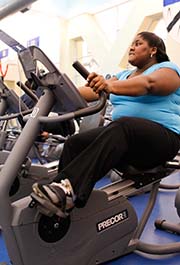
  • Solid fats (or saturated fats) are fats that are solid at room temperature, like butter and shortening. Some solid fats are found naturally in foods. They can also be added to foods like potato chips by food companies.
  • Added sugars are sugars and syrups that are added when foods or beverages like soda are made.

Solid fats and added sugars can add a lot of calories to what you eat and drink. See the box "Choose foods and beverages with few or no empty calories" for examples of foods and beverages with and without empty calories.

A small amount of empty calories is okay, but most people get too many. You can limit empty calories by consuming foods and beverages with empty calories less often or by decreasing the amount you eat or drink.

Try these ideas to reduce or cut empty calories:

  • Replace snacks like chips and sweets with fat-free yogurt or baby carrots. And buy low-fat and sugar-free versions of your favorite snacks to limit the amount of empty calories you eat or drink. Check that these products have fewer calories than the regular products.
  • When planning get-togethers, find ways to cut back on sugar, salt, and fat as you prepare your favorite recipes. For example, instead of frying meat and veggies, bake or grill them to cut down on the amount of fat. And use low-fat, low-sugar mayo and dressings.
  • If you love dessert or have a sweet tooth, replace cakes, cookies, and other treats with fresh fruit and low-fat or fat-free yogurt.

Think of ways you can cut empty-calorie foods and beverages.

Write down your ideas about how you will replace empty-calorie foods and beverages with healthier options. Once you have made one change and are used to it, you can make another.  


How many calories you need to stay healthy depends on your age, genes, sex, height, weight, and how active you are. In general, men need more calories than women do, and younger adults need more calories than adults in midlife and older. Talk to your doctor about your calorie needs.

Limit salt.

Sodium (salt) can increase your blood pressure. The Dietary Guidelines advise that African Americans should aim for no more than 1,500 mg a day, including sodium from processed foods.

Before buying packaged foods, read the Nutrition Facts label to find out how much sodium, solid fat, and other nutrients are in one serving of the food. The label also tells you how many servings are included in the package.

For more information and tools to help you plan healthy meals, read Just Enough for You: About Food Portions and visit the ChooseMyPlate website.

Choose foods and beverages with few or no empty calories.

Some examples of foods and beverages that provide nutrients, shown in forms with and without empty calories, are:

Foods and Beverages with Some Empty Calories Foods and Beverages with Few or No Empty Calories
fried chicken baked chicken breast without skin
whole milk fat-free milk
sugar-sweetened cereal whole-grain cereal
fruit canned in syrup fruit canned in 100 percent fruit juice

Making better choices, like baking instead of frying chicken, can help you cut down on the added sugars and solid fats you eat or drink.

How can I be more physically active?

To improve your health, aim for at least 150 minutes of moderate-intensity aerobic activity per week (or 30 minutes a day, 5 days a week). This type of activity speeds up your heart rate and breathing. You should be able to speak several words in a row while doing aerobic activities, but you should not be able to have a long chat.

Physical activity can be broken up into 10-minute sessions throughout the day. For example, take a brisk 10-minute walk before work, one after lunch, and another after dinner to get to 30 minutes a day.

To lose weight and keep it off, you may need more activity. Aim for 300 minutes per week (or 60 minutes a day, 5 days a week).

Try these moderate-intensity activities to reach your goal:

  • walking briskly
  • water aerobics
  • gardening

As you become more comfortable, consider adding more vigorous activities. Examples include these:

  • running
  • aerobic dancing
  • heavy gardening (digging and shoveling)

In addition to aerobic activity, on at least 2 days per week, try activities that strengthen your muscles. Examples are exercises that use hand weights or your own body weight.

Think about your weekly goal and the activities you will do each day to meet your goal.

Try these ideas:

  • Ask a friend or family member to be your workout buddy and plan an activity together. Sign up for a low-cost fitness class at a local center or make plans to visit a park or museum where you can walk together safely.
  • Take a daily 15-minute walk if your schedule allows and you can do so safely. If the weather is bad or you don’t have a safe place to take a walk near your home, visit a local shopping center and walk indoors.
  • In addition to your moderate-intensity activities, build physical activity into the things you do every day. This can be very helpful when your time is limited or you need to care for your children. Do housework with energy, park farther away, or get off public transportation one block earlier and walk the rest of the way.

Write down your goal for getting more active and how you will meet it. Track your progress to help you stick with it.

Goal and How I Will Meet It Date


Hair Care Tips

You can be active and still keep your hair looking good. Talk to your hair stylist about a hair care routine and style that fit your active life. Try these ideas:

  • a natural hairstyle or a style that can be wrapped or pulled back
  • a short haircut
  • braids, twists, or locs

Stay on track.

Once physical activity becomes a part of your routine, you need to stick with it. Keep things interesting, avoid slip-ups, and find ways to cope with what life throws at you. Try these ideas if you start to slip:

  • Plan ahead to avoid setbacks. Find a backup activity you can do in case of bad weather or injury. If you do have a setback, regroup and focus on meeting your goal again as soon as you can.
  • Mix up your routine with new activities, physical activity buddies, and healthy rewards.
  • Make physical activity a social event. When you invite your friends and family to join you, physical activity can be fun. Perhaps members of your place of worship may want to start a physical activity program or walking club.

For more ideas, see Changing Your Habits: Steps to Better Health.

The path to improving your eating, drinking, and regular physical activity habits isn’t easy. But don’t give up. Remember, consuming healthy foods, beverages, and snacks and getting regular physical activity over time are key to a healthy body, mind, and spirit.

Beat your physical activity roadblocks!

If You... Then Try This...
don't have child care Be active with your children: bike, play tag, or walk together.
don't like or don't want to exercise Do something you enjoy, like dancing to the radio or planning active outings with family or friends.
don't have a safe place near your home to be active Work out in your home to a video from the library or walk in a local shopping center.

Research

The National Institute of Diabetes and Digestive and Kidney Diseases (NIDDK) conducts and supports a broad range of basic and clinical obesity research. More information about obesity research is available at http://www.obesityresearch.nih.gov.

Clinical Trials

The National Institute of Diabetes and Digestive and Kidney Diseases (NIDDK) and other components of the National Institutes of Health (NIH) conduct and support research into many diseases and conditions.

What are clinical trials, and are they right for you?

Clinical trials are part of clinical research and at the heart of all medical advances. Clinical trials look at new ways to prevent, detect, or treat disease. Researchers also use clinical trials to look at other aspects of care, such as improving the quality of life for people with chronic illnesses. Find out if clinical trials are right for you.

What clinical trials are open?

Clinical trials that are currently open and are recruiting can be viewed at www.ClinicalTrials.gov.

This content is provided as a service of the National Institute of Diabetes and Digestive and Kidney Diseases (NIDDK), part of the National Institutes of Health. The NIDDK translates and disseminates research findings through its clearinghouses and education programs to increase knowledge and understanding about health and disease among patients, health professionals, and the public. Content produced by the NIDDK is carefully reviewed by NIDDK scientists and other experts.

The NIDDK would like to thank:
Delia Smith West, Ph.D., SmartState Endowed Chair, Technology Center to Advance Healthful Lifestyles and Professor, Department of Exercise Science, Arnold School of Public Health, University of South Carolina; and Irmina Ulysse, Diabetes Prevention Program Director, YMCA of Metropolitan Washington

Health Tips for Pregnant Women

How can I use this publication?

This publication is one of several resources from WIN that may help you and your family. It gives you tips on how to eat better and be more active while you are pregnant and after your baby is born. Use the ideas and tips in this publication to improve your eating pattern and be more physically active.

These tips can also be useful if you are not pregnant but are thinking about having a baby! By making changes now, you can get used to new eating and activity habits and be a healthy example for your family for a lifetime.

Healthy Weight

Why is gaining a healthy amount of weight during pregnancy important?

Gaining the right amount of weight during pregnancy helps your baby grow to a healthy size. But gaining too much or too little weight may lead to serious health problems for you and your baby.

Too much weight gain raises your chances for diabetes and high blood pressure during pregnancy and after. If you are overweight when you get pregnant, your chances for health problems may be even higher. It also makes it more likely that you will have a hard delivery and need a cesarean section (C-section).

Gaining a healthy amount of weight helps you have an easier pregnancy and delivery. It may also help make it easier for you to get back to your normal weight after delivery. Research shows that a healthy weight gain can also lower the chances that you or your child will have obesity and weight-related problems later in life.

How much weight should I gain during my pregnancy?

How much weight you should gain depends on how much you weighed before pregnancy. See the following box on "Weight Gain during Pregnancy" for more advice.1

Weight Gain during Pregnancy

General weight-gain advice below refers to weight before pregnancy and is for women having only one baby.

If you are You should gain about
underweight (BMI* less than 18.5) 28 to 40 pounds
normal weight (BMI of 18.5 to 24.9) 25 to 35 pounds
overweight (BMI of 25 to 29.9) 15 to 25 pounds
obese (BMI of 30+) 11 to 20 pounds

*The body mass index (BMI) measures your weight in relation to your height. See the Additional Links section for a link to an online BMI calculator.

It is important to gain weight very slowly. The old myth that you are "eating for two" is not true. During the first 3 months, your baby is only the size of a walnut and does not need very many extra calories. The following rate of weight gain is advised:

  • 1 to 4 pounds total in the first 3 months
  • 2 to 4 pounds each month from 4 months until delivery

Talk to your health care provider about how much weight you should gain. Work with him or her to set goals for your weight gain. Take into account your age, weight, and health. Track your weight at home or at your provider visits using charts from the Institute of Medicine. See Weight Gain During Pregnancy: Reexamining the Guidelines for more Information.

Do not try to lose weight if you are pregnant. Healthy food is needed to help your baby grow. Some women may lose a small amount of weight at the start of pregnancy. Speak to your health care provider if this happens to you.

Healthy Eating

How much should I eat?

Eating healthy foods and the right amount of calories helps you and your baby gain the proper amount of weight.

How much food you need depends on things like your weight before pregnancy, your age, and how fast you gain weight. In the first 3 months of pregnancy, most women do not need extra calories. You also may not need extra calories during the final weeks of pregnancy.

Check with your doctor about this. If you are not gaining the right amount of weight, your doctor may advise you to eat more calories. If you are gaining too much weight, you may need to cut down on calories. Each woman's needs are different. Your needs depend on if you were underweight, overweight, or obese before you became pregnant, or if you are having more than one baby.

What kinds of foods should I eat?

A healthy eating plan for pregnancy includes nutrient-rich foods. Current U.S. dietary guidelines advise eating these foods each day:

  • fruits and veggies (provide vitamins and fiber)
  • whole grains, like oatmeal, whole-wheat bread, and brown rice (provide fiber, B vitamins, and other needed nutrients)
  • fat-free or low-fat milk and milk products or non-dairy soy, almond, rice, or other drinks with added calcium and vitamin D
  • protein from healthy sources, like beans and peas, eggs, lean meats, seafood (8 to 12 ounces per week), and unsalted nuts and seeds

A healthy eating plan also limits salt, solid fats (like butter, lard, and shortening), and sugar-sweetened drinks and foods.

Does your eating plan measure up? How can you improve your eating habits? Try eating fruit like berries or a banana with low-fat yogurt for breakfast, a salad with beans for lunch, and a lean chicken breast and steamed veggies for dinner. Think about things you can try. Write down your ideas in the space below and share them with your doctor.


For more about healthy eating, see the online program "Daily Food Plan for Moms." It can help you make an eating plan for each trimester (3 months) of your pregnancy.

What if I am a vegetarian

A vegetarian eating plan during pregnancy can be healthy. Talk to your health care provider to make sure you are getting calcium, iron, protein, vitamin B12, vitamin D, and other needed nutrients. He or she may ask you to meet with a registered dietitian (a nutrition expert who has a degree in diet and nutrition approved by the Academy of Nutrition and Dietetics, has passed a national exam, and is licensed to practice in your state) who can help you plan meals. Your doctor may also tell you to take vitamins and minerals that will help you meet your needs.
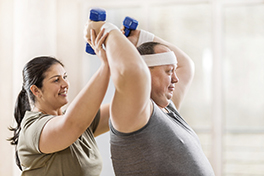
Do I have any special nutrition needs now that I am pregnant?

Yes. During pregnancy, you need more vitamins and minerals, like folate, iron, and calcium.

Getting the right amount of folate is very important. Folate, a B vitamin also known as folic acid, may help prevent birth defects. Before pregnancy, you need 400 mcg per day. During pregnancy and when breastfeeding, you need 600 mcg per day from foods or vitamins. Foods high in folate include orange juice, strawberries, spinach, broccoli, beans, and fortified breads and breakfast cereals.

Most health care providers tell women who are pregnant to take a prenatal vitamin every day and eat a healthy diet. Ask your doctor about what you should take.

What other new eating habits may helps my weight gain?

Pregnancy can create some new food and eating concerns. Meet the needs of your body and be more comfortable with these tips:

  • Eat breakfast every day. If you feel sick to your stomach in the morning, try dry whole-wheat toast or whole-grain crackers when you first wake up. Eat them even before you get out of bed. Eat the rest of your breakfast (fruit, oatmeal, whole-grain cereal, low-fat milk or yogurt, or other foods) later in the morning.
  • Eat high-fiber foods. Eating high-fiber foods, drinking plenty of water, and getting daily physical activity may help prevent constipation. Try to eat whole-grain cereals, vegetables, fruits, and beans.
  • If you have heartburn, eat small meals more often. Try to eat slowly and avoid spicy and fatty foods (such as hot peppers or fried chicken). Have drinks between meals instead of with meals. Do not lie down soon after eating.

What foods should I avoid?

There are certain foods and drinks that can harm your baby if you have them while you are pregnant. Here is a list of items you should avoid:

  • Alcohol. Do not drink alcohol like wine or beer. Enjoy decaf coffee or tea, non-sugar-sweetened drinks, or water with a dash of juice. Avoid diet drinks and drinks with caffeine.
  • Fish that may have high levels of mercury (a substance that can build up in fish and harm an unborn baby). You should eat 8 to 12 ounces of seafood per week, but limit white (albacore) tuna to 6 ounces per week. Do not eat tilefish, shark, swordfish, and king mackerel.
  • Anything that is not food. Some pregnant women may crave something that is not food, such as laundry starch or clay. This may mean that you are not getting the right amount of a nutrient. Talk to your doctor if you crave something that is not food. He or she can help you get the right amount of nutrients.

Physical Activity

Should I be physically active during my pregnancy?

Almost all women can and should be physically active during pregnancy. Regular physical activity may

  • help you and your baby gain the right amounts of weight
  • reduce backaches, leg cramps, and bloating
  • reduce your risk for gestational diabetes (diabetes that develops when a woman is pregnant)

If you were physically active before you became pregnant, you may not need to change your exercise habits. Talk with your health care provider about how to change your workouts during pregnancy.

It can be hard to be physically active if you do not have child care for your other children, have not worked out before, or do not know what to do. Keep reading for tips about how you can work around these things and be physically active.

How much physical activity do I need?

Most women need the same amount of physical activity as before they became pregnant. Aim for at least 30 minutes of aerobic activity per day on most days of the week. Aerobic activities use large muscle groups (back, chest, and legs) to increase heart rate and breathing.

The aerobic activity should last at least 10 minutes at a time and should be of moderate intensity. This means it makes you breathe harder but does not overwork or overheat you.

If you have health issues like obesity, high blood pressure, diabetes, or anemia (too few healthy red blood cells), ask your health care provider about a level of activity that is safe for you.

How can I stay active while pregnant?

Even if you have not been active before, you can be active during your pregnancy by using the tips below:

  • Go for a walk around the block, in a local park, or in a shopping mall with a family member or friend. If you already have children, take them with you and make it a family outing.
  • Get up and move around at least once an hour if you sit in a chair most of the day. When watching TV, get up and move around during commercials. Even a simple activity like walking in place can help.

How can I stay safe while being active?

For your health and safety, and for your baby's, you should not do some physical activities while pregnant. Some of these are listed below. Talk to your health care provider about other physical activities that you should not do.

Make a plan to be active while pregnant. List the activities you would like to do, such as walking or taking a prenatal yoga class. Think of the days and times you could do each activity on your list, like first thing in the morning, during lunch break from work, after dinner, or on Saturday afternoon. Look at your calendar or planner to find the days and times that work best, and commit to those plans.

Safety Dos and Dont's
Follow these safety tips while being active.
Do... Don't...
Choose moderate activities that are not likely to injure you, such as walking or aqua aerobics. Avoid brisk exercise outside during very hot weather.
Drink fluids before, during, and after being physically active. Don't use steam rooms, hot tubs, and saunas.
Wear comfortable clothing that fits well and supports and protects your breasts. After the end of week 12 of your pregnancy, avoid exercises that call for you to lie flat on your back.
top exercising if you feel dizzy, short of breath, tired, or sick to your stomach.
ACTIVITY WHEN


After the Baby is born

How can I stay healthy after my baby is born?

After you deliver your baby, your health may be better if you try to return to a healthy weight. Not losing weight may lead to overweight or obesity later in life. Returning to a healthy weight may lower your chances of diabetes, heart disease, and other weight-related problems.

Healthy eating and physical activity habits after your baby is born may help you return to a healthy weight faster and give you energy.

After your baby is born

  • keep eating well. Eat foods from all of the food groups. See MyPlate in the Additional Links section for advice to help you stay healthy and fit.
  • check with your health care provider first, then slowly get used to a routine of regular, moderate-intensity physical activity, like a daily walk. This type of activity will not hurt your milk supply if you are breastfeeding.

How may breastfeeding help?

Breastfeeding may or may not make it easier for you to lose weight because your body burns extra energy to produce milk. Even though breastfeeding may not help you lose weight, it is linked to other benefits for mother and child.

Many leading health groups advise breastfeeding only for the first 6 months of the baby's life. This means that you should feed your baby only breast milk during this time—no other foods or drinks. Experts suggest that women breastfeed at least until the baby reaches 12 months. In months 6 through 12, you may give your baby other types of food in addition to breast milk.

Calorie needs when you are breastfeeding depend on how much body fat you have and how active you are. Ask your doctor how many calories you need.

Benefits of Breastfeeding

Breastfeeding your baby

  • gives him or her the right mix of nutrients in a liquid (breast milk) that is easier to digest than formula
  • helps boost his or her immune system
  • helps protect your baby from common problems, like ear infections and diarrhea

What else may help?

Pregnancy and the time after you deliver your baby can be wonderful, exciting, emotional, stressful, and tiring—all at once. These feelings may cause you to overeat, not eat enough, or lose your drive and energy. Being good to yourself can help you cope with your feelings and follow healthy eating and physical activity habits.

Here are some ideas that may help:

  • Sleep when the baby sleeps.
  • Watch a funny movie.
  • Ask someone you trust to watch your baby while you nap, bathe, read, go for a walk, or go grocery shopping.
  • Explore groups that you and your newborn can join, such as "new moms" groups.

Lifespan tip sheet for pregnancy

  • Talk to your health care provider about how much weight you should gain during your pregnancy. Track your progress on a weight-gain graph.
  • Eat foods rich in folate, iron, calcium, and protein. Ask your health care provider about prenatal supplements (vitamins you may take while pregnant).
  • Eat breakfast every day.
  • Eat foods high in fiber and drink plenty of water to avoid constipation.
  • Cut back on "junk" foods and soft drinks.
  • Avoid alcohol, raw or undercooked fish, fish high in mercury, undercooked meat and poultry, and soft cheeses.
  • Be physically active on most, or all, days of the week during your pregnancy. If you have health issues, talk to your health care provider before you begin.
  • After pregnancy, slowly get back to your routine of regular, moderate-intensity physical activity.
  • Return to a healthy weight slowly.

Body mass index table

To use the table, find the appropriate height in the left-hand column labeled Height. Move across to a given weight (in pounds). The number at the top of the column is the BMI at that height and weight. Pounds have been rounded off.

Body Mass Index Table 1 of 2

  Normal Overweight Obese
BMI 19 20 21 22 23 24 25 26 27 28 29 30 31 32 33 34 35
Height
(inches)
Body Weight (pounds)
58 91 96 100 105 110 115 119 124 129 134 138 143 148 153 158 162 167
59 94 99 104 109 114 119 124 128 133 138 143 148 153 158 163 168 173
60 97 102 107 112 118 123 128 133 138 143 148 153 158 163 168 174 179
61 100 106 111 116 122 127 132 137 143 148 153 158 164 169 174 180 185
62 104 109 115 120 126 131 136 142 147 153 158 164 169 175 180 186 191
63 107 113 118 124 130 135 141 146 152 158 163 169 175 180 186 191 197
64 110 116 122 128 134 140 145 151 157 163 169 174 180 186 192 197 204
65 114 120 126 132 138 144 150 156 162 168 174 180 186 192 198 204 210
66 118 124 130 136 142 148 155 161 167 173 179 186 192 198 204 210 216
67 121 127 134 140 146 153 159 166 172 178 185 191 198 204 211 217 223
68 125 131 138 144 151 158 164 171 177 184 190 197 203 210 216 223 230
69 128 135 142 149 155 162 169 176 182 189 196 203 209 216 223 230 236
70 132 139 146 153 160 167 174 181 188 195 202 209 216 222 229 236 243
71 136 143 150 157 165 172 179 186 193 200 208 215 222 229 236 243 250
72 140 147 154 162 169 177 184 191 199 206 213 221 228 235 242 250 258
73 144 151 159 166 174 182 189 197 204 212 219 227 235 242 250 257 265
74 148 155 163 171 179 186 194 202 210 218 225 233 241 249 256 264 272
75 152 160 168 176 184 192 200 208 216 224 232 240 248 256 264 272 279
76 156 164 172 180 189 197 205 213 221 230 238 246 254 263 271 279 287

Body Mass Index Table 2 of 2

  Obese Extreme Obesity
BMI 36 37 38 39 40 41 42 43 44 45 46 47 48 49 50 51 52 53 54
Height
(inches)
Body Weight (pounds)
58 172 177 181 186 191 196 201 205 210 215 220 224 229 234 239 244 248 253 258
59 178 183 188 193 198 203 208 212 217 222 227 232 237 242 247 252 257 262 267
60 184 189 194 199 204 209 215 220 225 230 235 240 245 250 255 261 266 271 276
61 190 195 201 206 211 217 222 227 232 238 243 248 254 259 264 269 275 280 285
62 196 202 207 213 218 224 229 235 240 246 251 256 262 267 273 278 284 289 295
63 203 208 214 220 225 231 237 242 248 254 259 265 270 278 282 287 293 299 304
64 209 215 221 227 232 238 244 250 256 262 267 273 279 285 291 296 302 308 314
65 216 222 228 234 240 246 252 258 264 270 276 282 288 294 300 306 312 318 324
66 223 229 235 241 247 253 260 266 272 278 284 291 297 303 309 315 322 328 334
67 230 236 242 249 255 261 268 274 280 287 293 299 306 312 319 325 331 338 344
68 236 243 249 256 262 269 276 282 289 295 302 308 315 322 328 335 341 348 354
69 243 250 257 263 270 277 284 291 297 304 311 318 324 331 338 345 351 358 365
70 250 257 264 271 278 285 292 299 306 313 320 327 334 341 348 355 362 369 376
71 257 265 272 279 286 293 301 308 315 322 329 338 343 351 358 365 372 379 386
72 265 272 279 287 294 302 309 316 324 331 338 346 353 361 368 375 383 390 397
73 272 280 288 295 302 310 318 325 333 340 348 355 363 371 378 386 393 401 408
74 280 287 295 303 311 319 326 334 342 350 358 365 373 381 389 396 404 412 420
75 287 295 303 311 319 327 335 343 351 359 367 375 383 391 399 407 415 423 431
76 295 304 312 320 328 336 344 353 361 369 377 385 394 402 410 418 426 435 443

Other publications in the Lifespan Series include the following:

Spanish-language publications in the Lifespan Series include the following:

References

Clinical Trials

The National Institute of Diabetes and Digestive and Kidney Diseases (NIDDK) and other components of the National Institutes of Health (NIH) conduct and support research into many diseases and conditions.

What are clinical trials, and are they right for you?

Clinical trials are part of clinical research and at the heart of all medical advances. Clinical trials look at new ways to prevent, detect, or treat disease. Researchers also use clinical trials to look at other aspects of care, such as improving the quality of life for people with chronic illnesses. Find out if clinical trials are right for you.

What clinical trials are open?

Clinical trials that are currently open and are recruiting can be viewed at www.ClinicalTrials.gov.

This content is provided as a service of the National Institute of Diabetes and Digestive and Kidney Diseases (NIDDK), part of the National Institutes of Health. The NIDDK translates and disseminates research findings through its clearinghouses and education programs to increase knowledge and understanding about health and disease among patients, health professionals, and the public. Content produced by the NIDDK is carefully reviewed by NIDDK scientists and other experts.

The NIDDK would like to thank:
Carla Miller, Ph.D., Associate Professor, Ohio State University.

Helping Your Child Who is Overweight

As a parent or other caregiver, you can do a lot to help your child reach and maintain a healthy weight. Staying active and consuming healthy foods and beverages are important for your child's well-being. You can take an active role in helping your child—and your whole family—learn habits that may improve health.

How can I tell if my child is overweight?

Being able to tell whether a child is overweight is not always easy. Children grow at different rates and at different times. Also, the amount of a child’s body fat changes with age and differs between girls and boys.

One way to tell if your child is overweight is to calculate his or her body mass index (BMI). BMI is a measure of body weight relative to height. The BMI calculator uses a formula that produces a score often used to tell whether a person is underweight, a normal weight, overweight, or obese. The BMI of children is age- and sex-specific and known as the “BMI-for-age.”

BMI-for-age uses growth charts created by the U.S. Centers for Disease Control and Prevention. Doctors use these charts to track a child’s growth. The charts use a number called a percentile to show how your child's BMI compares with the BMI of other children. The main BMI categories for children and teens are

  • healthy weight: 5th to 84th percentile
  • overweight: 85th to 94th percentile
  • obese: 95th percentile or higher

Why should I be concerned?

You should be concerned if your child has extra weight because weighing too much may increase the chances that your child will develop health problems now or later in life.

In the short run, for example, he or she may have breathing problems or joint pain, making it hard to keep up with friends. Some children may develop health problems, such as type 2 diabetes, high blood pressure, and high cholesterol. Some children also may experience teasing, bullying, depression, or low self-esteem.

Children who are overweight are at higher risk of entering adulthood with too much weight. The chances of developing health problems such as heart disease and certain types of cancer are higher among adults with too much weight.

BMI is a screening tool and does not directly measure body fat or an individual child’s risk of health problems. If you are concerned about your child's weight, talk with your child’s doctor or other health care professional. He or she can check your child's overall health and growth over time and tell you if weight management may be helpful. Many children who are still growing in length don’t need to lose weight; they may need to decrease the amount of weight they gain while they grow taller. Don't put your child on a weight-loss diet unless your child’s doctor tells you to.

How can I help my child develop healthy habits?

You can play an important role in helping your child build healthy eating, drinking, physical activity, and sleep habits. For instance, teach your child about balancing the amount of food and beverages he or she eats and drinks with his or her amount of daily physical activity. Take your child grocery shopping and let him or her choose healthy foods and drinks, and help plan and prepare healthy meals and snacks. The 2015 U.S. Dietary Guidelines explain the types of foods and beverages to include in a healthy eating plan.

Here are some other ways to help your child develop healthy habits:

  • Be a good role model. Consume healthy foods and drinks, and choose active pastimes. Children are good learners, and they often copy what they see.
  • Talk with your child about what it means to be healthy and how to make healthy decisions.
    • Discuss how physical activities and certain foods and drinks may help their bodies get strong and stay healthy.
      • Children should get at least an hour of physical activity daily and should limit their screen time (computers, television, and mobile devices) outside of school work to no more than 2 hours each day.
    • Chat about how to make healthy choices about food, drinks, and activities at school, at friends’ houses, and at other places outside your home.
  • Involve the whole family in building healthy eating, drinking, and physical activity habits. Everyone benefits, and your child who is overweight won’t feel singled out.
  • Make sure you child gets enough sleep. While research about the relationship between sleep and weight is ongoing, some studies link excess weight to not enough sleep in children and adults.How much sleep your child needs (222 KB) depends on his or her age.
Family sitting at the family table eating a healthy meal.
You can be an important role model in helping your child build physical activity and healthy eating habits.

What can I do to improve my child’s eating habits?

Besides consuming fewer foods, drinks, and snacks that are high in calories, fat, sugar, and salt, you may get your child to eat healthier by offering these options more often:

  • fruits, vegetables, and whole grains such as brown rice
  • lean meats, poultry, seafood, beans and peas, soy products, and eggs, instead of meat high in fat
  • fat-free or low-fat milk and milk products or milk substitutes, such as soy beverages with added calcium and vitamin D, instead of whole milk or cream
  • fruit and vegetable smoothies made with fat-free or low-fat yogurt, instead of milk shakes or ice cream
  • water, fat-free, or low-fat milk, instead of soda and other drinks with added sugars
Smoothie with fruit.
Try replacing milk shakes or ice cream with fruit and vegetable smoothies.

You also may help your child eat better by trying to

  • Avoid serving large portions, or the amount of food or drinks your child chooses for a meal or snack. Start with smaller amounts of food and let your child ask for more if he or she is still hungry. If your child chooses food or drinks from a package, container, or can, read the Nutrition Facts Label (PDF, 753 KB) to see what amount is equal to one serving. Match your child’s portion to the serving size listed on the label to avoid extra calories, fat, and sugar.
  • Put healthy foods and drinks where they are easy to see and keep high-calorie foods and drinks out of sight—or don’t buy them at all.
  • Eat fast food less often. If you do visit a fast-food restaurant, encourage your child to choose healthier options, such as sliced fruit instead of fries. Also, introduce your child to different foods, such as hummus with veggies.
  • Try to sit down to family meals as often as possible, and have fewer meals “on the run.”
  • Discourage eating in front of the television, computer, or other electronic device.
Overweight boy with bowl of fruit.
Make healthy food options available and within easy reach of your child.

To help your child develop a healthy attitude toward food and eating:

  • Don’t make your child clean his or her plate.
  • Offer rewards other than food or drinks when encouraging your child to practice healthy habits. Promising dessert for eating vegetables sends a message that vegetables are less valuable than dessert.

Healthy snack ideas

To help your child eat less candy, cookies, and other unhealthy snacks, try these healthier snack options instead:

  • air-popped popcorn without butter
  • fresh, frozen, or fruit canned in natural juices, plain or with fat-free or low-fat yogurt
  • fresh vegetables, such as baby carrots, cucumbers, zucchini, or cherry tomatoes
  • low-sugar, whole-grain cereal with fat-free or low-fat milk, or a milk substitute with added calcium and vitamin D

How can I help my child be more active?

Try to make physical activity fun for your child. Children need about 60 minutes of physical activity a day, although the activity doesn't have to be all at once. Several short 10- or even 5-minute spurts of activity throughout the day are just as good. If your child is not used to being active, encourage him or her to start out slowly and build up to 60 minutes a day.

African American mom in pink shirt with kid on her back.
Reward your child’s efforts to become active and eat healthier with praise and love.

To encourage daily physical activity:

  • Let your child choose a favorite activity to do regularly, such as climbing a jungle gym at the playground or joining a sports team or dance class.
  • Help your child find simple, fun activities to do at home or on his or her own, such as playing tag, jumping rope, playing catch, shooting baskets, or riding a bike (wear a helmet).
  • Limit time with the computer, television, cell phone, and other devices to 2 hours a day.
  • Let your child and other family members plan active outings, such as a walk or hike to a favorite spot.

Where can I go for help?

If you have tried to change your family's eating, drinking, physical activity, and sleep habits and your child has not reached a healthy weight, ask your child’s health care professional about other options. He or she may be able to recommend a plan for healthy eating and physical activity, or refer you to a weight-management specialist, registered dietitian, or program. Your local hospital, a community health clinic, or health department also may offer weight-management programs for children and teens or information about where you can enroll in one.

What should I look for in a weight-management program?

When choosing a weight-management program for your child, look for a program that

  • includes a variety of health care providers on staff, such as doctors, psychologists and registered dietitians.
  • evaluates your child's weight, growth, and health before enrollment and throughout the program.
  • adapts to your child’s specific age and abilities. Programs for elementary school-aged children should be different from those for teens.
  • helps your family keep healthy eating, drinking, and physical activity habits after the program ends.

How else can I help my child?

You can help your child by being positive and supportive throughout any process or program you choose to help him or her achieve a healthy weight. Help your child set specific goals and track progress. Reward successes with praise and hugs.

Tell your child that he or she is loved, special, and important. Children's feelings about themselves are often based on how they think their parents and other caregivers feel about them.

Listen to your child's concerns about his or her weight. He or she needs support, understanding, and encouragement from caring adults.

References

What are clinical trials and what role do children play in research?

Clinical trials are research studies involving people of all ages. Clinical trials look at safe and effective new ways to prevent, detect, or treat disease. Researchers also use clinical trials to look at other aspects of care, such as improving quality of life. Research involving children helps scientists

  • identify care that is best for a child
  • find the best dose of medicines
  • find treatments for conditions that only affect children
  • treat conditions that behave differently in children
  • understand how treatment affects a growing child’s body

Find out more about clinical trials and children.

What clinical trials are open?

Clinical trials that are currently open and are recruiting can be viewed at www.ClinicalTrials.gov.

This content is provided as a service of the National Institute of Diabetes and Digestive and Kidney Diseases (NIDDK), part of the National Institutes of Health. The NIDDK translates and disseminates research findings through its clearinghouses and education programs to increase knowledge and understanding about health and disease among patients, health professionals, and the public. Content produced by the NIDDK is carefully reviewed by NIDDK scientists and other experts.

The NIDDK would like to thank:
Elsie Taveras, M.D., Chief, Division of General Academic Pediatrics, MassGeneral Hospital for Children

Just Enough for You: About Food Portions

To reach or stay at a healthy weight, how much you eat is just as important as what you eat. Do you know how much food is enough for you? Do you understand the difference between a portion and a serving? The information below explains portions and servings, and provides tips to help you eat just enough for you.

Photo of a bowl of cereal with fresh strawberries
To reach or stay at a healthy weight, how much you eat is just as important as what you eat.

What is the difference between a portion and a serving?

A portion is how much food you choose to eat at one time, whether in a restaurant, from a package, or at home. A serving, or serving size, is the amount of food listed on a product's Nutrition Facts, or food label (see Figure 1 below).

Different products have different serving sizes, which could be measured in cups, ounces, grams, pieces, slices, or numbers—such as three crackers. A serving size on a food label may be more or less than the amount you should eat, depending on your age, weight, whether you are male or female, and how active you are. Depending on how much you choose to eat, your portion size may or may not match the serving size.

Figure 1. Updated Nutrition Facts Label

Graphic of “Nutrition Facts” label and how it’s different from previous label
Source: U.S. Food and Drug Administration

As a result of updates to the Nutrition Facts label in May 2016, some serving sizes on food labels may be larger or smaller than they had been before (see Figure 2 below). For instance, a serving size of ice cream is now 2/3 cup, instead of 1/2 cup. A serving size of yogurt is 6 ounces rather than 8 ounces. The U.S. Food and Drug Administration (FDA) changed some food and beverage serving sizes so that labels more closely match how much people actually eat and drink.

Figure 2. FDA Serving Size Changes

Graphic of new food serving sizes and how they have changed
Source: U.S. Food and Drug Administration

Serving size and servings per container

Go back to the updated food label in Figure 1 above. To see how many servings a container has, you would check “servings per container” listed at the top of the label above “Serving size.” The serving size is 2/3 cup, but the container has eight servings. If you eat two servings, or 1 1/3 cups, you need to double the number of calories and nutrients listed on the food label to know how much you are really getting. For example, if you eat two servings of this product, you are taking in 460 calories:

230 calories per serving x two servings eaten = 460 calories

How much should I eat?

How many calories you need each day to lose weight or maintain your weight depends on your age, weight, metabolism, whether you are male or female, how active you are, and other factors. For example, a 150-pound woman who burns a lot of calories through intense physical activity, such as fast running, several times a week will need more calories than a woman about the same size who only goes for a short walk once a week.

The Dietary Guidelines for Americans 2015-2020 can give you an idea of how many calories you may need each day based on your age, sex, and physical activity level. Use the Body Weight Planner tool to make your own calorie and physical activity plans to help you reach and maintain your goal weight.

Photo of a man reading cartons in a grocery store
How many calories you need each day depends on your age, weight, metabolism, sex, and physical activity level.

How can the Nutrition Facts food label help me?

The FDA food label is printed on most packaged foods. The food label is a quick way to find the amount of calories and nutrients in a certain amount of food. For example, reading food labels tells you how many calories and how much fat, protein, sodium, and other ingredients are in one food serving. Many packaged foods contain more than a single serving. The updated food label lists the number of calories in one serving size in larger print than before so it is easier to see.

Other Helpful Facts on the Food Label

The food label has other useful information about what is included in one food serving. For example, one serving on the food label in Figure 1 above has 1 gram of saturated fat and 0 grams of trans fat, a type of fat that is unhealthy for your heart.

The updated food label also includes information about “added sugars.” Added sugars include table sugar, or sucrose, including beet and cane sugars; corn syrup; honey; malt syrup; and other sweeteners, such as fructose or glucose, that have been added to food and beverages. Fruit and milk contain naturally-occurring sugars and are not included in the label as added sugars. The Dietary Guidelines for Americans 2015-2020 calls for consuming less than 10 percent of calories daily from added sugars.

Because Americans do not always get enough vitamin D and potassium, the updated food label includes serving information for both of these nutrients. Since a lack of vitamin A and vitamin C in the general population is rare, these nutrients are no longer included on the food label. However, food makers may include them if they choose. Most food makers will have to start using the new food label by July 26, 2018. Figure 3 below compares the updated food label with the original label.

Figure 3. Side-by-Side Comparison of Original and New Nutrition Facts Label

Graphic of the original “Nutrition Facts” label and the new “Nutrition Label” in a side-by-side comparison.
Current label (left) Updated label (right)
Source: U.S. Food and Drug Administration

How can I keep track of how much I eat?

In addition to checking food labels for calories per serving, keeping track of what you eat—as well as when, where, why, and how much you eat—may help you manage your food portions. Create a food tracker on your cellphone, calendar, or computer to record the information. You also could download apps that are available for mobile devices to help you track how much you eat—and how much physical activity you get—each day.

The Sample Food Tracker in Figure 4 below shows what a 1-day page of a food tracker might look like. In the example, the person chose fairly healthy portions for breakfast and lunch, and ate to satisfy hunger. The person also ate five cookies in the afternoon out of boredom rather than hunger.

By 8 p.m., the person was very hungry and ate large portions of high-fat, high-calorie food at a social event. An early evening snack of a piece of fruit and 4 ounces of fat-free or low-fat yogurt might have prevented overeating less healthy food later. The number of calories for the day totaled 2,914, which is more than most people need. Taking in too many calories may lead to weight gain over time.

If, like the person in the food tracker example, you eat even when you’re not hungry, try doing something else instead. For instance, call or visit a friend. Or, if you are at work, take a break and walk around the block, if work and schedule permit. If you can’t distract yourself from food, try a healthy option, such as a piece of fruit or stick of low-fat string cheese.

Figure 4. Sample Food Tracker

Thursday

Time Food Amount Place Hunger/Reason Calories*
8 a.m. Coffee, Black 6 fl. oz. Home Slightly hungry 2
Banana 1 medium 105
Low-fat-yogurt 1 cup 250
1 p.m. Grilled cheese sandwich   Work Hungry 281
Apple 1 medium 72
Potato chips Single-serving bag, 1 ounce 152
Water 16 fl. oz. -
3 p.m. Chocolate-chip cookies 5 medium-sized Work Not hungry/Bored 345
8 p.m. Mini chicken drumsticks with hot pepper sauce 4 Restaurant/Out with friends Very hungry 312
Taco salad 3 cups in fried flour tortilla with beans and cheese 586
Chocolate cheesecake 1 piece, 1/12 of 9-inch cake 479
Soft drink 12 fl. oz. 136
Latte Espresso coffee with whole milk, 16 ounces 196
Total Calories = 2,916

Through your tracker, you may become aware of when and why you consume less healthy foods and drinks. The tracker may help you make different choices in the future.

How can I manage food portions at home?

You don’t need to measure and count everything you eat or drink for the rest of your life. You may only want to do this long enough to learn typical serving and portion sizes. Try these ideas to help manage portions at home:

  • Take one serving according to the food label and eat it off a plate instead of straight out of the box or bag.
  • Avoid eating in front of the TV, while driving or walking, or while you are busy with other activities.
  • Focus on what you are eating, chew your food well, and fully enjoy the smell and taste of your food.
  • Eat slowly so your brain can get the message that your stomach is full, which may take at least 15 minutes.
  • Use smaller dishes, bowls, and glasses so that you eat and drink less.
  • Eat fewer high-fat, high-calorie foods, such as desserts, chips, sauces, and prepackaged snacks.
  • Freeze food you won’t serve or eat right away, if you make too much. That way, you won’t be tempted to finish the whole batch. If you freeze leftovers in single- or family-sized servings, you’ll have ready-made meals for another day.
  • Eat meals at regular times. Leaving hours between meals or skipping meals altogether may cause you to overeat later in the day.
  • Buy snacks, such as fruit or single-serving, prepackaged foods, that are lower in calories. If you buy bigger bags or boxes of snacks, divide the items into single-serve packages right away so you aren't tempted to overeat.
Photo of two adults and two children sharing a meal around a dinner table
Avoid eating while in front of the TV, while driving or walking, or while you are busy with other activities.

How can I manage portions when eating out?

Although it may be easier to manage your portions when you cook and eat at home, most people eat out from time to time—and some people eat out often. Try these tips to keep your food portions in check when you are away from home:

  • Share a meal with a friend, or take half of it home.
  • Avoid all-you-can-eat buffets.
  • Order one or two healthy appetizers or side dishes instead of a whole meal. Options include steamed or grilled—instead of fried—seafood or chicken, a salad with dressing on the side, or roasted vegetables.
  • Ask to have the bread basket or chips removed from the table.
  • If you have a choice, pick the small-sized—rather than large-sized—drink, salad, or frozen yogurt.
  • Stop eating and drinking when you’re full. Put down your fork and glass, and focus on enjoying the setting and your company for the rest of the meal.
Photo of a fresh green salad with tomatoes in a bowl
Order an appetizer such as a salad instead of a whole meal.

Is getting more food for your money always a good value?

Have you noticed that it costs only a few cents more to get the large fries or soft drinks instead of the regular or small size? Although getting the super-sized meal for a little extra money may seem like a good deal, you end up with more calories than you need for your body to stay healthy. Before you buy your next “value meal combo,” be sure you are making the best choice for your wallet and your health.

How can I manage portions and eat well when money is tight?

Eating healthier doesn’t have to cost a lot of money. For instance:

  • Buy fresh fruit and vegetables when they are in season. Check out a local farmers market for fresh, local produce if there is one in your community. Be sure to compare prices, as produce at some farmers markets cost more than the grocery store. Buy only as much as you will use to avoid having to throw away spoiled food.
  • Match portion sizes to serving sizes. To get the most from the money you spend on packaged foods, try eating no more than the serving sizes listed on food labels. Eating no more than a serving size may also help you better manage your fat, sugar, salt, and calories.

Remember...

Too many calories can affect your weight and health. Along with choosing a healthy variety of foods and reducing the total calories you take in through eating and drinking, pay attention to the size of your portions. Sticking with healthy foods and drinks and managing your portions may help you eat just enough for you.

Clinical Trials

The National Institute of Diabetes and Digestive and Kidney Diseases (NIDDK) and other components of the National Institutes of Health (NIH) conduct and support research into many diseases and conditions.

What are clinical trials, and are they right for you?

Clinical trials are part of clinical research and at the heart of all medical advances. Clinical trials look at new ways to prevent, detect, or treat disease. Researchers also use clinical trials to look at other aspects of care, such as improving the quality of life for people with chronic illnesses. Find out if clinical trials are right for you.

What clinical trials are open?

Clinical trials that are currently open and are recruiting can be viewed at www.ClinicalTrials.gov.

This content is provided as a service of the National Institute of Diabetes and Digestive and Kidney Diseases (NIDDK), part of the National Institutes of Health. The NIDDK translates and disseminates research findings through its clearinghouses and education programs to increase knowledge and understanding about health and disease among patients, health professionals, and the public. Content produced by the NIDDK is carefully reviewed by NIDDK scientists and other experts.

The NIDDK would like to thank:
Dr. Carla Miller, Associate Professor, Ohio State University

Keeping Active & Healthy Eating for the Whole Family

Did you know?

Eating healthy foods and staying physically active can help you keep up with the demands of your busy life. Moving more and eating better may help you take better care of yourself and be there for the people who depend on you.

If you are overweight and inactive, you may be more likely to develop

  • certain forms of cancer
  • heart disease
  • high blood pressure
  • stroke
  • type 2 diabetes (high blood sugar)

This brochure is part of a series of materials and a program designed to encourage black women to move more and eat better. You may use this brochure and others in the Sisters Together series to help you and other black women become physically active and make healthy food choices.

Why move more and eat better?

You may improve your health if you move more and eat better, but that's not the only reason to be active and make healthy food choices. You can also

  • charge up your body for work, play, and family
  • feel better about yourself and manage stress better
  • look better in your clothes
  • set a good example for your children and your friends
  • tone your body (without losing your curves)

Your family, friends, and coworkers can be great sources of support as you adopt healthier habits. Ask them to join you in healthy eating and physical activity. Being healthy is important for them, too! By making healthy choices together, you may find it is easier to move more and eat better.

Should I talk to my health care provider before starting an exercise program?

Most people do not need to see their health care provider before getting physically active. If you have heart disease, high blood pressure, osteoporosis (weak bones), or obesity, talk to your health care provider before starting a vigorous physical activity program.

You do not need to talk to your provider before you start a less intense activity like walking. If you have been inactive for some time, plan to walk at least twice a week for a month. Once you meet this goal, add another day or make your walk longer.

How much physical activity do I need?

Regular physical activity can be fun and help you feel great. To improve your health, aim for at least 150 minutes per week (30 minutes a day on 5 days) of moderately intense aerobic activity. This type of aerobic activity, like brisk walking or dancing, speeds up your heart rate and breathing. To lose weight and keep it off, you may need more: Aim for 300 minutes per week (an hour a day for 5 days).

On at least 2 days per week, also try activities that strengthen your muscles. Examples include heavy gardening (digging and shoveling) and exercises that use hand weights.

For best results, spread out the physical activity throughout the week. Even 10 minutes at a time counts!

How can I handle barriers to becoming more physically active?

Adding more physical activity to your life may seem a challenge. Here are some common barriers and solutions.

"I don't have time for physical activity."

You can "sneak" it into your day a few minutes at a time. Get started by making these small changes in your daily routine:

  • Add three 10-minute walks to your day, if you can do so safely near your work or home.
  • Take regular breaks from sitting at the computer or watching TV. Get up, move, and stretch by lifting your hands up over your head. Twist side to side.
  • Schedule your workouts as you would a hair or work appointment and stick to your plan.
  • Start taking the stairs instead of the elevator whenever you have the option (be sure the stairs are well lit).
  • If your job requires a lot of sitting, add a walk around the block to one of your daily breaks.

"I'm going to ruin my hairstyle."

If you avoid physical activity because you do not want to ruin your hairstyle, try

  • a natural hairstyle
  • a short haircut
  • a style that can be wrapped or pulled back
  • braids, twists, or locs

Tip: Daily activities can cause salt buildup in your hair. To remove salt, shampoo with a mild, pH-balanced product at least once a week. For more tips on keeping natural, relaxed, or braided hairstyles looking good during and after exercise, check out Hair Care Tips for Sisters On The Move (2.22 MB) listed in the Additional Links section.

"It's too expensive."

There are ways to be active that are free or lower in cost. You can

  • check out programs that may be offered at your workplace or local place of worship, like dance classes or walking programs.
  • find a local park or school track where you can walk or run.
  • walk in a mall or a free museum.
  • work out with videos or DVDs in your home. You can find these at bookstores, your local library, or online. Or try swapping with friends.

"Physical activity is a chore."

It can be fun!

  • Be active with your kids—hike, jump double Dutch, play flag football, play tag, toss a softball, or visit the zoo. Physical activity is good for them, too.
  • Do things you enjoy, like biking, gardening, playing sports, or swimming.
  • Get a friend to try out a dance class with you. Walk or take an exercise class with a friend or a group. This way, you can cheer each other on, have company, and feel safer when you are outdoors.
  • Use your daily workouts as time-outs just for yourself.
  • Enjoy friendly competition with family and friends by setting a weight-loss challenge.
  • Give your workouts more meaning by setting goals to do a walk or run for a cause you support.

How can I create a healthier eating plan?

A healthy meal may include vegetables and fruits and small portions of protein and whole grains (breads, pastas, and rice). Here are some ideas on how to create a healthier eating plan for you and your family.

When planning meals for the week, think about including the following:

  • a salad or other vegetables (eat "from the rainbow" of colors)
  • fat-free or low-fat milk and milk products
  • fruits (choose a variety of vibrant colors)
  • lean beef or pork, chicken, seafood, eggs, tofu, or beans
  • whole grains, like brown rice, oatmeal, whole-wheat bread, and whole-grain cornmeal

Treats are fine once in a while. Just don't make treat foods like candy, desserts, pizza, and potato chips an everyday choice. Limit sweet treats to special occasions, and keep portions small.

Remember that alcohol, juices, soda, and other sweet drinks contain a lot of sugar and are high in calories.

What if I can't handle lactose?

If you cannot digest lactose (the sugar found in milk), try lactose-free milk or yogurt. You can also get calcium from calcium-fortified cereal, juices, and drinks made from soy or nuts. Eating dark leafy vegetables like collard greens and kale and canned fish with soft bones like salmon can also help you meet your body's calcium needs.

How can reading the Nutrition Facts label help me?

Reviewing the Nutrition Facts label can help you choose foods that are high in fiber, vitamins, and minerals and low in these nutrients, which federal guidelines recommend Americans reduce:

  • saturated fats and trans fats that are solid at room temperature—like butter, margarine, and lard—which are not heart healthy
  • sodium (salt)—aim for fewer than1,500 mg a day (about 2/3 teaspoon)
  • sugar

What is the Nutrition Facts label

The U.S. Food and Drug Administration Nutrition Facts label appears on most packaged foods. It tells you how many calories and servings are in a box or can. The label also shows how many nutrients like fat, fiber, sodium, and sugar are in one serving of food. You can use these facts

  • to track your calorie intake and number of servings
  • to make healthy food choices by selecting items lower in salt, fats, sugar, and higher in fiber and vitamins

For more guidance on reading food labels, check out the webpage How to Understand and Use the Nutrition Facts Label listed in the Additional Links section.

How can I handle barriers to healthy eating?

Eating healthy foods may seem hard when you do not have time to cook or you are on a tight budget. Try these tips to get past barriers that keep you from eating well.

"I don't have time to plan healthy meals."

Eating well doesn't have to take a lot of time. Here are some ways that you and your family can eat better:

  • Fuel up every day with breakfast. Try a whole-grain cereal like bran flakes with fat-free or low-fat milk or yogurt. Enjoy some fruit with your breakfast, too, like bananas, berries, or peaches.
  • Invite your kids to join you on the weekend to plan, shop for, and cook a healthy family meal. Make it a game! Children may be more likely to eat dishes that they help prepare.
  • When grocery shopping, choose whole grains like whole-wheat bread and brown rice. These are higher in fiber, protein, and nutrients than refined white grains. They also keep you full longer.

"Eating well is too expensive."

You don't have to spend a lot of money to eat well:

  • Avoid buying single portions (like pudding, snacks, or yogurt). Instead, buy in bulk and divide into smaller portions as needed.
  • Check newspaper ads for grocery specials. Clip coupons or print them from websites.
  • Buy fruits and vegetables that are in season (they are cheaper at that time).
  • Try canned beans like black, butter, kidney, or pinto beans. They are loaded with protein, cost less than meat, and make quick and easy additions to your meals.

Tip: Solid fats like butter, margarine, and shortening can have high levels of saturated or trans fats, which are not heart healthy. Instead of solid fats, choose liquid fats or soft margarines. Sources of liquid fats include plant-based oils like corn, cottonseed, safflower, soybean, and sunflower.

How can I eat well when away from home?

Here are some ways to make healthy choices when you are on the go:

  • Avoid heavy gravies, salad dressings, or sauces. Leave them off or ask for them on the side so you can control how much you eat.
  • Order a grilled chicken salad or sandwich with whole-grain bread.
  • Share a meal with a friend or take half of it home.
  • Take healthy snacks with you to work, like apples or fat-free yogurt with fruit.

I can do it!

Set goals and move at your own pace to reach them. Ask your family, friends, and coworkers to help you. They can join you, encourage you, help you with setbacks, and be there to celebrate your successes!

No matter what, keep trying. You can do it!

Tip: Need some new ideas for planning menus, shopping, and cooking on a budget? Check out healthy eating information, menus, recipes, and tips offered in the following places:

  • Eat Right When Money's Tight
  • Fooducate
  • MyPlate ("Healthy Eating on a Budget" section of the website)

Clinical Trials

The National Institute of Diabetes and Digestive and Kidney Diseases (NIDDK) and other components of the National Institutes of Health (NIH) conduct and support research into many diseases and conditions.

What are clinical trials, and are they right for you?

Clinical trials are part of clinical research and at the heart of all medical advances. Clinical trials look at new ways to prevent, detect, or treat disease. Researchers also use clinical trials to look at other aspects of care, such as improving the quality of life for people with chronic illnesses. Find out if clinical trials are right for you.

What clinical trials are open?

Clinical trials that are currently open and are recruiting can be viewed at www.ClinicalTrials.gov.

The Sisters Together Series includes the following publications:

This content is provided as a service of the National Institute of Diabetes and Digestive and Kidney Diseases (NIDDK), part of the National Institutes of Health. The NIDDK translates and disseminates research findings through its clearinghouses and education programs to increase knowledge and understanding about health and disease among patients, health professionals, and the public. Content produced by the NIDDK is carefully reviewed by NIDDK scientists and other experts.

The NIDDK would like to thank:
Anne E. Sumner, M.D., F.A.H.A., Section on Ethnicity and Health, NIH; Natalie L. M. Ramsey, Diabetes, Endocrinology, and Obesity Branch (DEOB), NIDDK, NIH; and Michelle Y. O'Connor, DEOB, NIDDK, NIH for reviewing this fact sheet.

Prescription Medications to Treat Overweight and Obesity

What are overweight and obesity?

Health care providers use the Body Mass Index (BMI), which is a measure of your weight in relation to your height, to define overweight and obesity. People who have a BMI between 25 and 30 are considered overweight. Obesity is defined as having a BMI of 30 or greater. You can calculate your BMI to learn if you are overweight or obese. Being overweight or obese may increase the risk of health problems. Your health care provider can assess your individual risk due to your weight.

Obesity is a chronic condition that affects more than one in three adults in the United States. Another one in three adults is overweight. If you are struggling with your weight, you may find that a healthy eating plan and regular physical activity help you lose weight and keep it off over the long term. If these lifestyle changes are not enough to help you lose weight or maintain your weight loss, your doctor may prescribe medications as part of your weight-control program.

How do weight-loss medications work?

Prescription medications to treat overweight and obesity work in different ways. For example, some medications may help you feel less hungry or full sooner. Other medications may make it harder for your body to absorb fat from the foods you eat.

Who might benefit from weight-loss medications?

Weight-loss medications are meant to help people who may have health problems related to overweight or obesity. Before prescribing a weight-loss medication, your doctor also will consider

  • the likely benefits of weight loss
  • the medication’s possible side effects
  • your current health issues and other medications
  • your family's medical history
  • cost

Health care professionals often use BMI to help decide who might benefit from weight-loss medications. Your doctor may prescribe a medication to treat your overweight or obesity if you are an adult with

Weight-loss medications aren’t for everyone with a high BMI. Some people who are overweight or obese may lose weight with a lifestyle program that helps them change their behaviors and improve their eating and physical activity habits. A lifestyle program may also address other factors that affect weight gain, such as eating triggers and not getting enough sleep.

Can children or teenagers take weight-loss medications?

The U.S. Food and Drug Administration (FDA) has approved most weight-loss medications only for adults. The prescription medication orlistat (Xenical) is FDA-approved for children ages 12 and older.

Can medications replace physical activity and healthy eating habits as a way to lose weight?

Medications don’t replace physical activity or healthy eating habits as a way to lose weight. Studies show that weight-loss medications work best when combined with a lifestyle program. Ask your doctor or other health care professional about lifestyle treatment programs for weight management that will work for you.

Two women walking down a paved road with earbuds in their ears.
Weight-loss medications don’t replace physical activity and healthy eating habits.

What are the benefits of using prescription medications to lose weight?

When combined with changes to behavior, including eating and physical activity habits, prescription medications may help some people lose weight. On average, people who take prescription medications as part of a lifestyle program lose between 3 and 9 percent more of their starting body weight than people in a lifestyle program who do not take medication. Research shows that some people taking prescription weight-loss medications lose 10 percent or more of their starting weight.1 Results vary by medication and by person.

Weight loss of 5 to 10 percent of your starting body weight may help improve your health by lowering blood sugar, blood pressure, and triglycerides. Losing weight also can improve some other health problems related to overweight and obesity, such as joint pain or sleep apnea. Most weight loss takes place within the first 6 months of starting the medication.

What are the concerns with using prescription medications to lose weight?

Experts are concerned that, in some cases, the side effects of prescription medications to treat overweight and obesity may outweigh the benefits. For this reason, you should never take a weight-loss medication only to improve the way you look. In the past, some weight-loss medications were linked to serious health problems. For example, the FDA recalled fenfluramine and dexfenfluramine (part of the “fen-phen” combination) in 1997 because of concerns related to heart valve problems.

Possible side effects vary by medication and how it acts on your body. Most side effects are mild and most often improve if you continue to take the medication. Rarely, serious side effects can occur.

Tips for Taking Weight-loss Medication

  • Follow your doctor's instructions about weight-loss medications.
  • Buy your medication from a pharmacy or web distributor approved by your doctor.
  • Take weight-loss medication to support your healthy eating and physical activity program.
  • Know the side effects and warnings for taking any medication.
  • Ask your doctor if you should stop taking your medication if you are not losing weight after 12 weeks.
  • Discuss other medications, including supplements and vitamins, you are taking with your doctor when considering weight-loss medications.
  • Avoid taking weight-loss medications during pregnancy or if you are planning a pregnancy.

Which weight-loss medication might work for me?

Choosing a medication to treat overweight or obesity is a decision between you and your doctor. Important factors to consider include

  • the likely benefits of weight loss
  • the medication’s possible side effects
  • your current health issues and other medications
  • your family’s medical history
  • cost
Doctor in lab coat weighing obese patient in blue shirt.
Talk with your doctor about which weight-loss medication might be right for you.

How long will I need to take weight-loss medication?

How long you will need to take weight-loss medication depends on whether the drug helps you lose and maintain weight and whether you have any side effects. If you have lost enough weight to improve your health and are not having serious side effects, your doctor may advise that you stay on the medication indefinitely. If you do not lose at least 5 percent of your starting weight after 12 weeks on the full dose of your medication, your doctor will probably advise you to stop taking it. He or she may change your treatment plan or consider using a different weight-loss medication. Your doctor also may have you try different lifestyle, physical activity, or eating programs; change your other medications that cause weight gain; or refer you to a bariatric surgeon to see if weight-loss surgery might be an option for you.

Because obesity is a chronic condition, you may need to continue changes to your eating and physical activity habits and other behaviors for years—or even a lifetime—to improve your health and maintain a healthy weight.

Will I regain some weight after I stop taking weight-loss medication?

You will probably regain some weight after you stop taking weight-loss medication. Developing and maintaining healthy eating habits and increasing physical activity may help you regain less weight or keep it off. Federal physical activity guidelines recommend at least 150 minutes of physical activity per week for adults—that’s about 30 minutes a day most days of the week. You may need to do more to reach or maintain your weight-loss goal.

Will insurance cover the cost of weight-loss medication?

Some, but not all, insurance plans cover medications that treat overweight and obesity. Contact your insurance provider to find out if your plan covers these medications.

What medications are available to treat overweight and obesity?

The table below lists FDA-approved prescription medications for weight loss. The FDA has approved five of these drugs—orlistat (Xenical, Alli), lorcaserin (Belviq), phentermine-topiramate (Qsymia), naltrexone-bupropion (Contrave), and liraglutide (Saxenda)—for long-term use. You can keep taking these drugs as long as you are benefiting from treatment and not having unpleasant side-effects.

Some weight-loss medications that curb appetite are approved by the FDA only for short-term use, or up to 12 weeks. Although some doctors prescribe them for longer periods of time, not many research studies have looked at how safe and effective they are for long-term use.

Pregnant women should never take weight-loss medications. Women who are planning to get pregnant also should avoid these medications, as some of them may harm a fetus.

Prescription Medications Approved for Overweight and Obesity Treatment

Weight-loss medication Approved for How it works Common side effects Warnings
Orlistat (Xenical)

Available in lower dose without prescription (Alli)
Adults and children ages 12 and older Works in your gut to reduce the amount of fat your body absorbs from the food you eat
  • diarrhea
  • gas
  • leakage of oily stools
  • stomach pain
Rare cases of severe liver injury have been reported. Avoid taking with cyclosporine. Take a multivitamin pill daily to make sure you get enough of certain vitamins that your body may not absorb from the food you eat.
Lorcaserin (Belviq) Adults Acts on the serotonin receptors in your brain. May help you feel full after eating smaller amounts of food.
  • constipation
  • cough
  • dizziness
  • dry mouth
  • feeling tired
  • headaches
  • nausea
Tell your doctor if you take antidepressants or migraine medications, since some of these can cause problems when taken together.
Phentermine-topiramate (Qsymia) Adults A mix of two medications: phentermine, which lessens your appetite, and topiramate, which is used to treat seizures or migraine headaches. May make you less hungry or feel full sooner.
  • constipation
  • dizziness
  • dry mouth
  • taste changes, especially with carbonated beverages
  • tingling of your hands and feet
  • trouble sleeping
Don’t use if you have glaucoma or hyperthyroidism. Tell your doctor if you have had a heart attack or stroke, abnormal heart rhythm, kidney disease, or mood problems.

MAY LEAD TO BIRTH DEFECTS. DO NOT TAKE QSYMIA IF YOU ARE PREGNANT OR PLANNING A PREGNANCY. Do not take if you are breastfeeding.
Naltrexone-bupropion (Contrave) Adults A mix of two medications: naltrexone, which is used to treat alcohol and drug dependence, and bupropion, which is used to treat depression or help people quit smoking. May make you feel less hungry or full sooner.
  • constipation
  • diarrhea
  • dizziness
  • dry mouth
  • headache
  • increased blood pressure
  • increased heart rate
  • insomnia
  • liver damage
  • nausea
  • vomiting
Do not use if you have uncontrolled high blood pressure, seizures or a history of anorexia or bulimia nervosa. Do not use if you are dependent on opioid pain medications or withdrawing from drugs or alcohol. Do not use if you are taking bupropion (Wellbutrin, Zyban).

MAY INCREASE SUICIDAL THOUGHTS OR ACTIONS.
Liraglutide (Saxenda)

Available by injection only
Adults May make you feel less hungry or full sooner. At a lower dose under a different name, Victoza, FDA-approved to treat type 2 diabetes.
  • nausea
  • diarrhea
  • constipation
  • abdominal pain
  • headache
  • raised pulse
May increase the chance of developing pancreatitis. Has been found to cause a rare type of thyroid tumor in animals.
Other medications that curb your desire to eat include
  • phentermine
  • benzphetamine
  • diethylpropion
  • phendimetrazine
Adults Increase chemicals in your brain to make you feel you are not hungry or that you are full.

Note: FDA-approved only for short-term use—up to 12 weeks
  • dry mouth
  • constipation
  • difficulty sleeping
  • dizziness
  • feeling nervous
  • feeling restless
  • headache
  • raised blood pressure
  • raised pulse
Do not use if you have heart disease, uncontrolled high blood pressure, hyperthyroidism, or glaucoma. Tell your doctor if you have severe anxiety or other mental health problems.

How do doctors use prescription medications “off-label” to treat overweight and obesity?

Sometimes doctors use medications in a way that’s different from what the FDA has approved, known as “off-label” use. By choosing an off-label medication to treat overweight and obesity, your doctor may prescribe

  • a drug approved for treating a different medical problem
  • two or more drugs at the same time
  • a drug for a longer period of time than approved by the FDA

You should feel comfortable asking your doctor if he or she is prescribing a medication that is not approved just for treating overweight and obesity. Before using a medication, learn all you need to know about it.

What other medications for weight loss may be available in the future?

Researchers are currently studying several new medications and combinations of medications in animals and people. Researchers are working to identify safer and more effective medications to help people who are overweight or obese lose weight and maintain a healthy weight for a long time.

Future drugs may use new strategies, such as to

  • combine drugs that affect appetite and those that affect addiction (or craving)
  • stimulate gut hormones that reduce appetite
  • shrink the blood vessels that feed fat cells in the body, thereby preventing them from growing
  • target genes that affect body weight
  • change bacteria in the gut to control weight

References

This content is provided as a service of the National Institute of Diabetes and Digestive and Kidney Diseases (NIDDK), part of the National Institutes of Health. The NIDDK translates and disseminates research findings through its clearinghouses and education programs to increase knowledge and understanding about health and disease among patients, health professionals, and the public. Content produced by the NIDDK is carefully reviewed by NIDDK scientists and other experts.

The NIDDK would like to thank:
Kishore Gadde, M.D., Pennington Biomedical Research Center

Some Myths about Nutrition & Physical Activity

Are you overwhelmed by daily decisions about what to eat, how much to eat, when to eat, and how much physical activity you need to be healthy? If so, don’t be discouraged because you’re not alone. With so many choices and decisions, it can be hard to know what to do and which information you can trust.

This information may help you make changes in your daily eating and physical activity habits so that you improve your well-being and reach or maintain a healthy weight.

Food Myths

Myth: To lose weight, you have to give up all your favorite foods.

Fact: You don’t have to give up all your favorite foods when you’re trying to lose weight. Small amounts of your favorite high-calorie foods may be part of your weight-loss plan. Just remember to keep track of the total calories you take in. To lose weight, you must burn more calories than you take in through food and beverages.

TIP: Limiting foods that are high in calories may help you lose weight. The Dietary Guidelines for Americans 2015-2020 have estimated daily calorie needs based on a person’s age, sex, and physical activity level. The U.S. Department of Agriculture (USDA) SuperTracker tool may help you track the foods and beverages you eat and drink, as well as the physical activity you do.

Myth: Grain products such as bread, pasta, and rice are fattening. You should avoid them when trying to lose weight.

Loaf of whole-wheat bread
Substituting whole grains for refined-grain products is healthier and may help you feel fuller.

Fact: Grains themselves aren’t necessarily fattening—or unhealthy–although substituting whole grains for refined-grain products is healthier and may help you feel fuller. The Dietary Guidelines for Americans 2015-2020 recommend consuming grains as part of a healthy eating plan. At least half of the grains you eat should be whole grains. Examples of whole grains include brown rice and whole-wheat bread, cereal, and pasta. Whole grains provide iron, fiber, and other important nutrients.

TIP: Try to replace refined or white bread with whole-wheat bread and refined pasta with whole-wheat pasta. Or add whole grains to mixed dishes, such as brown instead of white rice to stir fry. Check out ChooseMyPlate for more tips to help you add whole grains to your eating plan.

Myth: Choosing foods that are gluten-free will help you eat healthier.

Fact: Gluten-free foods are not healthier if you don’t have celiac disease or are not sensitive to gluten. Gluten is a protein found in wheat, barley, and rye grains. A health care professional is likely to prescribe a gluten-free eating plan to treat people who have celiac disease or are sensitive to gluten. If you don’t have these health problems but avoid gluten anyway, you may not get the vitamins, fiber, and minerals you need. A gluten-free diet is not a weight-loss diet and is not intended to help you lose weight.

TIP: Before you decide to avoid a whole food group, talk with your health care professional if you believe you have problems after you consume foods or drinks with wheat, barley, or rye.

Myth: You should avoid all fats if you’re trying to be healthy or lose weight.

Fact: You do not have to avoid all fats if you’re trying to improve your health or lose weight. Fat provides essential nutrients and should be an important part of a healthy eating plan. But because fats have more calories per gram than protein or carbohydrates, or “carbs,” you need to limit fats to avoid extra calories. If you are trying to lose weight, consider eating small amounts of food with healthy fats, such as avocados, olives, or nuts. You also could replace whole-fat cheese or milk with lower-fat versions. Read about food portions and how much food is enough for you.

TIP: The Dietary Guidelines for Americans 2015-2020 recommend consuming less than 10 percent of your daily calories from saturated fats. Try cutting back on solid-fat foods. Use olive oil instead of butter in cooking.

Myth: Dairy products are fattening and unhealthy.

Fact: Dairy products are an important food group because they have protein your body needs to build muscles and help organs work well, and calcium to strengthen bones. Most dairy products, such as milk and some yogurts, have added vitamin D to help your body use calcium, since many Americans don’t get enough of these nutrients. Dairy products made from fat-free or low-fat milk have fewer calories than dairy products made from whole milk. Learn more about the dairy group.

TIP: Adults should have 3 servings a day of fat-free or low-fat dairy products, including milk or milk products such as yogurt and cheese, or fortified soy beverages, as part of a healthy eating plan. If you can’t digest lactose, the sugar found in dairy products, choose fortified soy products, lactose-free or low-lactose dairy products, or other foods and beverages with calcium and vitamin D:

  • Calcium—soy-based beverages or tofu made with calcium sulfate, canned salmon, or dark leafy greens such as collards or kale
  • vitamin D—cereals or soy-based beverages

Myth: “Going vegetarian” will help you lose weight and be healthier.

A couple cooking vegetables
Some research shows that a healthy vegetarian eating plan may be linked to lower obesity levels.

Fact: Some research shows that a healthy vegetarian eating plan, or one made up of foods that come mostly from plants, may be linked to lower levels of obesity, lower blood pressure, and a reduced risk of heart disease. But going vegetarian will only lead to weight loss if you reduce the total number of calories you take in. Some vegetarians may make food choices that could lead to weight gain, such as eating a lot of food high in sugar, fats, and calories.

Eating small amounts of lean meats can also be part of a healthy plan to lose or maintain weight. The U.S. Dietary Guidelines 2015-2020 have more information about including meat as part of a healthy eating plan.

TIP: If you choose to follow a vegetarian eating plan, be sure you get enough of the nutrients your body needs to be healthy. Read Healthy Eating Tips for Vegetarians for more information.

Physical Activity Myths

Myth: Physical activity only counts if you do it for long periods of time.

Fact: You don’t need to be active for long periods to get the amount of regular physical activity recommended in the Physical Activity Guidelines, which is at least 150 minutes, or 2 hours and 30 minutes, of moderate-intensity physical activity each week. An example of moderate-intensity activity is brisk walking. You can spread these sessions out over the week and even do short, 10-minute spurts of activity 3 times a day on 5 or more days a week.

TIP: Find ways to build short bursts of physical activity into your day. While at work, take a 10-minute walking break or have a “walking,” rather than a “sitting” meeting, if work and schedule permit. Use stairs instead of an elevator or escalator. Get off the bus one stop early. Meet a friend for a walk, instead of a meal.

Myth: Lifting weights is not a good way to improve your health or lose weight because it will make you “bulk up.”

A woman using hand weights
Do muscle-strengthening activities at least twice a week.

Fact: Lifting weights or doing other activities 2 or 3 days a week that may help you build strong muscles, such as push-ups and some types of yoga, will not bulk you up. Only intense strength training, along with certain genes, can build large muscles. Like other kinds of physical activity, muscle-strengthening activities will help improve your health and also may help you control your weight by increasing the amount of energy-burning muscle.

TIP: Using large rubber bands, or resistance bands, or doing sit-ups or household or yard chores that make you lift or dig, may help you build strong muscles.

Clinical Trials

The National Institute of Diabetes and Digestive and Kidney Diseases (NIDDK) and other components of the National Institutes of Health (NIH) conduct and support research into many diseases and conditions.

What are clinical trials, and are they right for you?

Clinical trials are part of clinical research and at the heart of all medical advances. Clinical trials look at new ways to prevent, detect, or treat disease. Researchers also use clinical trials to look at other aspects of care, such as improving the quality of life for people with chronic illnesses. Find out if clinical trials are right for you.

What clinical trials are open?

Clinical trials that are currently open and are recruiting can be viewed at www.ClinicalTrials.gov.

This content is provided as a service of the National Institute of Diabetes and Digestive and Kidney Diseases (NIDDK), part of the National Institutes of Health. The NIDDK translates and disseminates research findings through its clearinghouses and education programs to increase knowledge and understanding about health and disease among patients, health professionals, and the public. Content produced by the NIDDK is carefully reviewed by NIDDK scientists and other experts.

The NIDDK would like to thank:
Dr. Catherine Loria, Senior Scientific Advisor, Division of Cardiovascular Sciences, National Heart, Lung and Blood Institute; Dr. Richard P. Troiano, CAPT, U.S. Public Health Service, U.S. Department of Health and Human Services

Staying Active at Any Size

Physical activity may seem hard if you’re overweight. You may get short of breath or tired quickly. Finding or affording the right clothes and equipment may be frustrating. Or, perhaps you may not feel comfortable working out in front of others.

The good news is you can overcome these challenges. Not only can you be active at any size, you can have fun and feel good at the same time.

Can anyone be active?

Research strongly shows that physical activity is safe for almost everyone. The health benefits of physical activity far outweigh the risks.1

A woman exercising with small dumbbells in her hands
Physical activity is safe for almost everyone.

The activities discussed here are safe for most people. If you have problems moving or staying steady on your feet, or if you get out of breath easily, talk with a health care professional before you start. You also should talk with a health care professional if you are unsure of your health, have any concerns that physical activity may be unsafe for you, or have

Why should I be active?

Being active may help you live longer and protect you from developing serious health problems, such as type 2 diabetes, heart disease, stroke, and certain types of cancer. Regular physical activity is linked to many health benefits, such as

  • lower blood pressure and blood glucose, or blood sugar
  • healthy bones, muscles, and joints
  • a strong heart and lungs
  • better sleep at night and improved mood

The Physical Activity Guidelines for Americans define regular physical activity as at least 2½ hours a week of moderate-intensity activity, such as brisk walking. Brisk walking is a pace of 3 miles per hour or faster. A moderate-intensity activity makes you breathe harder but does not overwork or overheat you.

You may reach this goal by starting with 10 minutes of activity 3 days per week, and working up to 30 minutes a day 5 days a week. If you do even more activity, you may gain even more health benefits.1

When combined with healthy eating, regular physical activity may also help you control your weight. However, research shows that even if you can’t lose weight or maintain your weight loss, you still can enjoy important health benefits from regular physical activity.2,3

Physical activity also can be a lot of fun if you do activities you enjoy and are active with other people. Being active with others may give you a chance to meet new people or spend more time with family and friends. You also may inspire and motivate one another to get and stay active.

What do I need to know about becoming active?

Choosing physical activities that match your fitness level and health goals can help you stay motivated and keep you from getting hurt.1 You may feel some minor discomfort or muscle soreness when you first become active. These feelings should go away as you get used to your activity. However, if you feel sick to your stomach or have pain, you may have done too much. Go easier and then slowly build up your activity level. Some activities, such as walking or water workouts, are less likely to cause injuries.

If you have been inactive, start slowly and see how you feel. Gradually increase how long and how often you are active. If you need guidance, check with a health care or certified fitness professional.

Here are some tips for staying safe during physical activity:

  • Wear the proper safety gear, such as a bike helmet if you are bicycling.
  • Make sure any sports equipment you use works and fits properly.
  • Look for safe places to be active. For instance, walk in well-lit areas where other people are around. Be active with a friend or group.
  • Stay hydrated to replace the body fluids you lose through sweating and to prevent you from getting overheated.
  • If you are active outdoors, protect yourself from the sun with sunscreen and a hat or protective visor and clothing.
  • Wear enough clothing to keep warm in cold or windy weather. Layers are best.
A woman drinking water after sweating from exercising
Stay hydrated to replace the body fluids you lose through sweating.

If you don’t feel right, stop your activity. If you have any of the following warning signs, stop and seek help right away:

  • pain, tightness, or pressure in your chest or neck, shoulder, or arm
  • extreme shortness of breath
  • dizziness or sickness

Check with a health care professional about what to do if you have any of these warning signs. If your activity is causing pain in your joints, feet, ankles, or legs, you also should consult a health care professional to see if you may need to change the type or amount of activity you are doing.

What kinds of activities can I do?

You don’t need to be an athlete or have special skills or equipment to make physical activity part of your life. Many types of activities you do every day, such as walking your dog or going up and down steps at home or at work, may help improve your health.

Try different activities you enjoy. If you like an activity, you’re more likely to stick with it. Anything that gets you moving around, even for a few minutes at a time, is a healthy start to getting fit.

Walking

Walking is free and easy to do—and you can do it almost anywhere. Walking will help you

  • burn calories
  • improve your fitness
  • lift your mood
  • strengthen your bones and muscles

If you are concerned about safety, try walking in a shopping mall or park where it is well lit and other people are around. Many malls and parks have benches where you can take a quick break. Walking with a friend or family member is safer than walking alone and may provide the social support you need to meet your activity goals.

If you don’t have time for a long walk, take several short walks instead. For example, instead of a 30-minute walk, add three 10-minute walks to your day. Shorter spurts of activity are easier to fit into a busy schedule.

A woman and a man walking.
If you don’t have time for a long walk, take several short walks instead.

Dancing

Dancing can be a lot of fun while it tones your muscles, strengthens your heart and lungs, and boosts your mood. You can dance at a health club, dance studio, or even at home. Just turn on some lively music and start moving. You also can dance to a video on your TV or computer.

If you have trouble standing on your feet for a long time, try dancing while sitting down. Chair dancing lets you move your arms and legs to music while taking the weight off your feet.

Bicycling

Riding a bicycle spreads your weight among your arms, back, and hips. For outdoor biking, you may want to try a mountain bike. Mountain bikes have wider tires and are sturdier than bikes with thinner tires. You can buy a larger seat to make biking more comfortable.

For indoor biking, you may want to try a recumbent bike. On this type of bike, you sit lower to the ground with your legs reaching forward to the pedals. Your body is in more of a reclining position, which may feel better than sitting straight up. The seat on a recumbent bike is also wider than the seat on a regular bike.

A woman exercising on a recumbent bike
For indoor biking, you may want to try a recumbent bike.

If you decide to buy a bike, check how much weight it can support to make sure it is safe for you.

Water workouts

Swimming and water workouts put less stress on your joints than walking, dancing, or biking. If your feet, back, or joints hurt when you stand, water activities may be best for you. If you feel self-conscious about wearing a bathing suit, you can wear shorts and a T-shirt while you swim.

Exercising in water

  • lets you be more flexible. You can move your body in water in ways you may not be able to on land.
  • reduces your risk of hurting yourself. Water provides a natural cushion, which keeps you from pounding or jarring your joints.
  • helps prevent sore muscles.
  • keeps you cool, even when you are working hard.

You don’t need to know how to swim to work out in water. You can do shallow- or deep-water exercises at either end of the pool without swimming. For instance, you can do laps while holding onto a kickboard and kicking your feet. You also can walk or jog across the width of the pool while moving your arms.

For shallow-water workouts, the water level should be between your waist and chest. During deep-water workouts, most of your body is underwater. For safety and comfort, wear a foam belt or life jacket.

Strength training

Strength training involves using free weights, weightlifting machines, resistance bands, or your own body weight to make your muscles stronger. Lower-body strength training will improve your balance and prevent falls.

Strength training may help you

  • build and maintain strong muscles as you get older
  • continue to perform activities of daily living, such as carrying groceries or moving furniture
  • keep your bones strong, which may help prevent osteoporosis and fractures

If you are just starting out, using a weightlifting machine may be safer than dumbbells. As you get fit, you may want to add free-weight exercises with dumbbells.

You do not need a weight bench or large dumbbells to do strength training at home. You can use a pair of hand weights to do bicep curls. You can also use your own body weight: for example, get up and down from a chair.

A man lifting weights with a woman providing support
Strength training may help you build and maintain stronger muscles as you get older.

Proper form is very important when lifting weights. You may hurt yourself if you don’t lift weights properly. You may want to schedule a session with a certified fitness professional to learn which exercises to do and how to do them safely. Check with your health insurer about whether your health plan covers these services.

If you decide to buy a home gym, check how much weight it can support to make sure it is safe for you.

Mind and body exercise

Your local hospital or fitness, recreation, or community center may offer classes such as yoga, tai chi, or Pilates. You also may find some of these workouts online and can download them to a computer, smart phone, or other device. These types of activities may help you

  • become stronger and more flexible
  • feel more relaxed
  • improve balance and posture
A woman stretching
Your local hospital or fitness, recreation, or community center may offer classes such as yoga, tai chi, or Pilates.

These classes also can be a lot of fun and add variety to your workout routine. If some movements are hard to do or you have injuries you are concerned about, talk with the instructor about how to adapt the exercises and poses to meet your needs—or start with a beginner’s class.

Daily life activities

Daily life activities, such as cleaning out the attic or washing the car, are great ways to get moving. Small changes can add more physical activity to your day and improve your health. Try these:

  • Take 2- to 3-minute walking breaks at work several times a day, if possible.
  • Stand, walk, or stretch in place during TV commercials.
  • Take the stairs instead of the elevator or escalator whenever you can.
  • Park farther from where you are going and walk the rest of the way.

Even a shopping trip can be exercise because it provides a chance to walk and carry your bags. Chores such as mowing the lawn, raking leaves, and gardening also count.

Where can I be active?

You can find many fun places to be active. Having more than one place may keep you from getting bored. Here are some options:

  • Join or take a class at a local fitness, recreation, or community center.
  • Enjoy the outdoors by taking a hike or going for a walk in a safe local park, neighborhood, or mall.
  • Work out in the comfort of your own home with a workout video or by finding a fitness channel on your TV, tablet, or other mobile device.

How can I get past my roadblocks?

You most likely will face roadblocks that keep you from meeting your physical activity goals. Think about what keeps you from being active, then try to come up with creative ways to address those roadblocks. Here are a few examples to help you get started:

Barrier Solution
I don’t have enough time. Instead of doing one long workout session, build in three 10-minute bursts of activity during your day, such as a brisk walk. Even standing up instead of sitting at your desk has benefits.
I just don’t like exercise. Good news! You don’t have to run a marathon or go to the gym all the time to benefit from being active. To make physical activity more fun, try something you enjoy doing, such as dancing to the radio or taking a yoga class with friends. Many people find they start to like exercise better the more they do it.
I’m worried about my health or getting hurt. If you have a hard time being active because of your health, talk with a health care professional first. A certified fitness professional can also guide you on how to be active safely.
I feel self-conscious working out in front of others. Start being active at home until you feel more confident. Be active with friends who will support and encourage you.
(Add your barrier here.) (Add your solution here.)

How can I stick with my physical activity plan?

Sticking with a plan to be physically active can be a challenge. Online tools such as the SuperTracker and the NIH Body Weight Planner can help. The SuperTracker is a free, online physical activity-, food-, and weight-tracking tool. The NIH Body Weight Planner, part of the SuperTracker, lets you make personalized calorie and physical activity plans to reach specific goals within a specific time period.

A person tying their running shoes while wearing a fitness tracker band
Devices you can wear, such as pedometers and fitness trackers, may help you count steps, calories, and minutes of physical activity.

You also can download fitness apps that let you enter information to track your progress using a computer or smart phone or other mobile device.

Devices you can wear, such as pedometers and fitness trackers, may help you count steps, calories, and minutes of physical activity. Trackers can help you set goals and monitor progress. You wear most of these devices on your wrist like a watch, or clipped to your clothing.

Keeping an activity journal is another good way to help you stay motivated and on track to reach your fitness goals.

Set goals. As you track your activity, try to set specific short- and long-term goals. For example, instead of “I will be more active,” set a goal such as “I will take a walk after lunch at least 2 days a week.” Getting started with a doable goal is a good way to form a new habit. A short-term goal may be to walk 5 to 10 minutes, 5 days a week. A long-term goal may be to do at least 30 minutes of moderate-intensity physical activity on most days of the week.

Get support. Ask a family member or friend to be active with you. Your workout buddy can help make your activities more fun and can cheer you on and help you meet your goals.

Track progress. You may not feel as though you are making progress, but when you look back at where you started, you may be pleasantly surprised. Making regular activity part of your life is a big step. Start slowly and praise yourself for every goal you set and achieve.

Review your goals. Did you meet your goals? If not, why? Are they doable? Did you hit a roadblock trying to meet your goal? What will you do differently next week? Brainstorm some options to overcome future roadblocks. Ask a friend or family member to help support your goals.

Pick nonfood rewards. Whether your goal is to be active 15 minutes a day, to walk farther than you did last week, or simply to stay positive, recognizing your efforts is an important part of staying on track. Decide how you will reward yourself. Some ideas for rewards include getting new music to charge you up or buying new workout gear.

Be patient with yourself. Don’t get discouraged if you have setbacks from time to time. If you can’t achieve your goal the first time or can only stick to your goals for part of the week, remind yourself that this is all part of establishing new habits.

Look ahead. Try to focus on what you will do differently moving forward, rather than on what went wrong. Pat yourself on the back for trying.

Most importantly, don’t give up. Any movement, even for a short time, is a good thing. Each activity you add to your life is another step toward a healthier you.

References

Clinical Trials

The National Institute of Diabetes and Digestive and Kidney Diseases (NIDDK) and other components of the National Institutes of Health (NIH) conduct and support research into many diseases and conditions.

What are clinical trials, and are they right for you?

Clinical trials are part of clinical research and at the heart of all medical advances. Clinical trials look at new ways to prevent, detect, or treat disease. Researchers also use clinical trials to look at other aspects of care, such as improving the quality of life for people with chronic illnesses. Find out if clinical trials are right for you.

What clinical trials are open?

Clinical trials that are currently open and are recruiting can be viewed at www.ClinicalTrials.gov.

This content is provided as a service of the National Institute of Diabetes and Digestive and Kidney Diseases (NIDDK), part of the National Institutes of Health. The NIDDK translates and disseminates research findings through its clearinghouses and education programs to increase knowledge and understanding about health and disease among patients, health professionals, and the public. Content produced by the NIDDK is carefully reviewed by NIDDK scientists and other experts.

The NIDDK would like to thank:
Richard Troiano, M.D., Captain, U.S. Public Health Service, U.S. Department of Health and Human Services

Take Charge of Your Health: A Guide for Teenagers

As you get older, you’re able to start making your own decisions about a lot of things that matter most to you. You may choose your own clothes, music, and friends. You also may be ready to make decisions about your body and health.

Making healthy decisions about what you eat and drink, how active you are, and how much sleep you get is a great place to start. Here you’ll learn

Don’t forget to check out the "Did you know?" boxes for even more helpful tips and ideas.

How does the body use energy?

Your body needs energy to function and grow. Calories from food and drinks give you that energy. Think of food as energy to charge up your battery for the day. Throughout the day, you use energy from the battery to think and move, so you need to eat and drink to stay powered up. Balancing the energy you take in through food and beverages with the energy you use for growth, activity, and daily living is called "energy balance." Energy balance may help you stay a healthy weight.

Photo of boys playing basketball Girl eating a salad and drinking water with lemon.
Your body needs energy to function. Calories from food and drinks give you that energy.

How many calories does your body need?

Different people need different amounts of calories to be active or stay a healthy weight. The number of calories you need depends on whether you are male or female, your genes, how old you are, your height and weight, whether you are still growing, and how active you are, which may not be the same every day.

How should you manage or control your weight?

Some teens try to lose weight by eating very little; cutting out whole groups of foods like foods with carbohydrates, or "carbs;" skipping meals; or fasting. These approaches to losing weight could be unhealthy because they may leave out important nutrients your body needs. In fact, unhealthy dieting could get in the way of trying to manage your weight because it may lead to a cycle of eating very little and then overeating because you get too hungry. Unhealthy dieting could also affect your mood and how you grow.

Smoking, making yourself vomit, or using diet pills or laxatives to lose weight may also lead to health problems. If you make yourself vomit, or use diet pills or laxatives to control your weight, you could have signs of a serious eating disorder and should talk with your health care professional or another trusted adult right away. If you smoke, which increases your risk of heart disease, cancer, and other health problems, quit smoking as soon as possible.

If you think you need to lose weight, talk with a health care professional first. A doctor or dietitian may be able to tell you if you need to lose weight and how to do so in a healthy way.

Choose Healthy Foods and Drinks

Healthy eating involves taking control of how much and what types of food you eat, as well as the beverages you drink. Try to replace foods high in sugar, salt, and unhealthy fats with fruits, vegetables, whole grains, low-fat protein foods, and fat-free or low-fat dairy foods.

Fruits and Vegetables
Make half of your plate fruits and vegetables. Dark green, red, and orange vegetables have high levels of the nutrients you need, like vitamin C, calcium, and fiber. Adding tomato and spinach—or any other available greens that you like—to your sandwich is an easy way to get more veggies in your meal.

Grains
Choose whole grains like whole-wheat bread, brown rice, oatmeal, and whole-grain cereal, instead of refined-grain cereals, white bread, and white rice.

Photo of  sliced loaf of whole grain bread on a cutting board
Choose whole grains, like whole-wheat bread, brown rice, oatmeal, and whole-grain cereal.

Protein
Power up with low fat or lean meats like turkey or chicken, and other protein-rich foods, such as seafood, egg whites, beans, nuts, and tofu.

Dairy
Build strong bones with fat-free or low-fat milk products. If you can’t digest lactose—the sugar in milk that can cause stomach pain or gas—choose lactose-free milk or soy milk with added calcium. Fat-free or low-fat yogurt is also a good source of dairy food.

Fats
Fat is an important part of your diet. Fat helps your body grow and develop, and may even keep your skin and hair healthy. But fats have more calories per gram than protein or carbs, and some are not healthy.

Some fats, such as oils that come from plants and are liquid at room temperature, are better for you than other fats. Foods that contain healthy oils include avocados, olives, nuts, seeds, and seafood such as salmon and tuna fish.

Solid fats such as butter, stick margarine, and lard, are solid at room temperature. These fats often contain saturated and trans fats, which are not healthy for you. Other foods with saturated fats include fatty meats, and cheese and other dairy products made from whole milk. Take it easy on foods like fried chicken, cheeseburgers, and fries, which often have a lot of saturated and trans fats. Options to consider include a turkey sandwich with mustard or a lean-meat, turkey, or veggie burger.

Photo of bowl of almonds
Foods that contain healthy oils include avocados, olives, nuts, seeds, and seafood such as salmon and tuna fish.

Your body needs a small amount of sodium, which is mostly found in salt. But getting too much sodium from your foods and drinks can raise your blood pressure, which is unhealthy for your heart and your body in general. Even though you’re a teen, it’s important to pay attention to your blood pressure and heart health now to prevent health problems as you get older.

Try to consume less than 2,300 mg, or no more than 1 teaspoon, of sodium a day. This amount includes the salt in already prepared food, as well as the salt you add when cooking or eating your food.

Processed foods, like those that are canned or packaged, often have more sodium than unprocessed foods, such as fresh fruits and vegetables. When you can, choose fresh or frozen fruits and veggies over processed foods. Try adding herbs and spices instead of salt to season your food if you make your own meals. Remember to rinse canned vegetables with water to remove extra salt. If you use packaged foods, check the amount of sodium listed on the Nutrition Facts label. Figure 1 below shows an updated food label, which the U.S. Food and Drug Administration (FDA) has approved for use on most packaged foods beginning in 2018.

Figure 1. Side-by-Side Comparison of Original and New Nutrition Facts Label

Graphics describing the original and the new nutritional facts labels, set side-by-side.
Current label                                                                     Updated label
Source: U.S. Food and Drug Administration

Limit added sugars

Some foods, like fruit, are naturally sweet. Other foods, like ice cream and baked desserts, as well as some beverages, have added sugars to make them taste sweet. These sugars add calories but not vitamins or fiber. Try to consume less than 10 percent of your daily calories from added sugars in food and beverages. Reach for an apple or banana instead of a candy bar.

Photo of girl holding a red apple
Reach for an apple or a banana instead of a candy bar.

Control your food portions

A portion is how much food or beverage you choose to consume at one time, whether in a restaurant, from a package, at school or a friend’s, or at home. Many people consume larger portions than they need, especially when away from home. Ready-to-eat meals—from a restaurant, grocery store, or at school—may give you larger portions than your body needs to stay charged up. The Weight-control Information Network has tips to help you eat and drink a suitable amount of food and beverages for you, whether you are at home or somewhere else.

Photo of two veggie wraps with lettuce
When eating fast food, choose healthier options.

Don’t skip meals

Skipping meals might seem like an easy way to lose weight, but it actually may lead to weight gain if you eat more later to make up for it. Even if you’re really busy with school and activities, it’s important to try not to skip meals. Follow these tips to keep your body charged up all day and to stay healthy:

  • Eat breakfast every day. Breakfast helps your body get going. If you’re short on time in the morning, grab something to go, like an apple or banana.
  • Pack your lunch on school days. Packing your lunch may help you control your food and beverage portions and increases the chances that you will eat it because you made it.
  • Eat dinner with your family. When you eat home-cooked meals with your family, you are more likely to consume healthy foods. Having meals together also gives you a chance to reconnect with each other and share news about your day.
  • Get involved in grocery shopping and meal planning at home. Going food shopping and planning and preparing meals with family members or friends can be fun. Not only can you choose a favorite grocery store, and healthy foods and recipes, you also have a chance to help others in your family eat healthy too.

Did you know?

Photo of boy and girl sitting at kitchen counter eating breakfast
Teens who eat breakfast may do better in school. By eating breakfast, you can increase your memory and stay focused during the school day.

Get Moving

Physical activity should be part of your daily life, whether you play sports, take physical education (PE) classes in school, do chores, or get around by biking or walking. Regular physical activity can help you manage your weight, have stronger muscles and bones, and be more flexible.

Aerobic versus Lifestyle Activities
You should be physically active for at least 60 minutes a day. Most of the 60 minutes or more of activity a day should be either moderate or intense aerobic physical activity, and you should include intense physical activity at least 3 days a week. Examples of aerobic physical activity, or activity that makes you breathe harder and speeds up your heart rate, include jogging, biking, and dancing.

Photo of boy with bicycle helmet riding bicycle
Walk or bike around your neighborhood.

For a more moderate workout, try brisk walking, jogging, or biking on flat streets or paths. To pick up the intensity, turn your walk into a jog, or your jog into a run—or add hills to your walk, jog, or bike ride. You don't have to do your 60 minutes a day all at once to benefit from your activity.

Routine activities, such as cleaning your room or taking out the trash, may not get your heart rate up the way biking or jogging does. But they are also good ways to keep active on a regular basis.

Fitness apps that you can download onto your computer, smartphone, or other mobile device can help you keep track of how active you are each day.

Did you know?

Activities add up!

Photo of  boy sitting in wheelchair holding basketball
Shoot hoops for 30 minutes as part of your 60 minutes of daily physical activity.

Here's an example of how to fit 60 minutes of physical activity into your day:

10 minutes – to walk or bike to a friend's house
+
30 minutes – of playing basketball
+
10 minutes – of chasing the dog around the yard
+
10 minutes – to walk back home


= 60 minutes of activity!

Have fun with your friends

Being active can be more fun with other people, like friends or family members. You may also find that you make friends when you get active by joining a sports team or dance club. Mix things up by choosing a different activity each day. Try kickball, flashlight tag, or other activities that get you moving, like walking around the mall. Involve your friends and challenge them to be healthy with you. Sign up for active events together, like charity walks, fun runs, or scavenger hunts.

Take it outside

Maybe you or some of your friends spend a lot of time indoors watching TV, surfing the web, using social media, or playing video games. Try getting in some outdoor activity to burn calories instead. Here are other activities to try:

  • Have a jump rope or hula hoop contest.
  • Play Frisbee.
  • Build an obstacle course or have a scavenger hunt.
  • Play volleyball or flag football.

If you’re stuck indoors or don’t have a lot of time, try climbing up and down the stairs in your apartment or home. You can also find dance and other fitness and exercise videos online or on some TV channels. Some routines are only 15 or 20 minutes so you can squeeze them in between homework, going out, or other activities. You also can choose active sports games if you have a gaming system.

Get Enough Sleep

Sometimes it’s hard to get enough sleep, especially if you have a job, help take care of younger brothers or sisters, or are busy with other activities after school. Like healthy eating and getting enough physical activity, getting enough sleep is important for staying healthy.

You need enough sleep to do well in school, work and drive safely, and fight off infection. Not getting enough sleep may make you moody and irritable. While more research is needed, some studies have shown that not getting enough sleep may also contribute to weight gain.

If you’re between 13 and 18 years old, you should get 8 to 10 hours of sleep each night. Find out what you can do to make sure you get enough sleep.

Take Your Time

Changing your habits can be hard. And developing new habits takes time. Use the tips below and the checklist under “Be a health champion” to stay motivated and meet your goals. You can do it!

  • Make changes slowly. Don’t expect to change your eating, drinking, or activity habits overnight. Changing too much too fast may hurt your chances of success.
  • Figure out what's holding you back. Are there unhealthy snack foods at home that are too tempting? Are the foods and drinks you’re choosing at your school cafeteria too high in fat and sugar? How can you change these habits?
  • Set a few realistic goals. If you’re a soda drinker, try replacing a couple of sodas with water. Once you are drinking less soda for a while, try cutting out all soda. Then set another goal, like getting more physical activity each day. Once you have reached one goal, add another.
  • Get a buddy at school or someone at home to support your new habits. Ask a friend, brother or sister, parent, or guardian to help you make changes and stick with your new habits.

Planning Healthy Meals and Physical Activities Just for You

Being healthy sounds like it could be a lot of work, right? Well, it doesn't have to be. A free, online tool called the MyPlate Daily Checklist can help you create a daily food plan. All you have to do is type in whether you are male or female, your weight, height, and how much physical activity you get each day. The checklist will tell you how many daily calories you should take in and what amounts of fruit, vegetables, grains, protein, and dairy you should eat to stay within your calorie target.

Another tool, called the SuperTracker, can help you plan, analyze, and track both your eating patterns and physical activity. With SuperTracker, you can find out what and how much to eat, track your foods, physical activities and weight, and set personal goals.

With SuperTracker’s Food-A-Pedia, you can type in a food or beverage to find out how many calories it has, as well as how much sugar, saturated fat, and sodium. The tool has nutrition information for more than 8,000 foods. You can use Food-A-Pedia to plan meals like the ones below. For easy and healthy recipe ideas, visit BAM! Body and Mind.

Breakfast: a banana, a slice of whole-grain bread with avocado or tomato, and fat-free or low-fat milk
Lunch: a turkey sandwich with dark leafy lettuce, tomato, and red peppers on whole-wheat bread
Dinner: two whole-grain taco shells with chicken or black beans, fat-free or low-fat cheese, and romaine lettuce
Snack: an apple, banana, or air-popped popcorn

Be a health champion

Spending much of your day away from home can sometimes make it hard to consume healthy foods and drinks. By becoming a “health champion,” you can help yourself and family members, as well as your friends, get healthier by consuming healthier foods and drinks and becoming more active. Use this checklist to work healthy habits into your day, whether you’re at home or on the go:

Clinical Trials

The National Institute of Diabetes and Digestive and Kidney Diseases (NIDDK) and other components of the National Institutes of Health (NIH) conduct and support research into many diseases and conditions.

What are clinical trials, and are they right for you?

Clinical trials are part of clinical research and at the heart of all medical advances. Clinical trials look at new ways to prevent, detect, or treat disease. Researchers also use clinical trials to look at other aspects of care, such as improving the quality of life for people with chronic illnesses. Find out if clinical trials are right for you.

What clinical trials are open?

Clinical trials that are currently open and are recruiting can be viewed at www.ClinicalTrials.gov.

This content is provided as a service of the National Institute of Diabetes and Digestive and Kidney Diseases (NIDDK), part of the National Institutes of Health. The NIDDK translates and disseminates research findings through its clearinghouses and education programs to increase knowledge and understanding about health and disease among patients, health professionals, and the public. Content produced by the NIDDK is carefully reviewed by NIDDK scientists and other experts.

The NIDDK would like to thank:
Dr. Aaron Kelly, Associate Professor of Pediatrics and Medicine, University of Minnesota Medical School

Talking with Patients about Weight Loss: Tips for Primary Care Providers

As a primary care clinician, you are in an ideal position to talk with adult patients about weight loss. These tips and resources may help you address this sensitive topic with your patients.

Why talk with your adult patients about their weight?

About 70 percent of American adults are overweight or have obesity. Extra weight may put people at risk for developing type 2 diabetes, heart disease, kidney disease, stroke, and certain cancers. Research shows that even a modest weight loss of 5 percent can result in health benefits.1

The rate of overweight and obesity in the United States, and related health risks, make the role of the primary care clinician an important one. Studies show that talking with patients about weight loss may help promote behavior change.2

Patients with overweight or obesity may want help setting and reaching weight-loss goals but may have a hard time talking about their weight. By speaking with patients respectfully and working with them as partners, you can play a key role in helping them improve their health.

Health care professional talking with woman standing on a scale.
Studies show that talking with patients about weight loss may help promote behavior change.

Which patients might benefit the most?

Measuring your patients’ body mass index (BMI) regularly may help you identify who may benefit from weight-loss information and counseling. The BMI calculator is a screening tool that may indicate high levels of body fat and risk for excess weight. However, it is not a diagnostic tool, and clinicians should follow up to determine a patient’s health risk.

Approach the subject of weight management if your patients have

  • current cutpoints for overweight (a BMI between 25 and 29.9 kg/m2) and obesity (a BMI =30 kg/m2), to identify adults who may be at elevated risk of cardiovascular disease
  • current cutpoints for obesity (BMI =30 kg/m2), to identify adults who may be at elevated risk of mortality from all causes
  • waist size of more than 35 inches for women or 40 inches for men

For patients with BMIs =35, you don’t need to measure waist circumference.

Patients who use medication

Some medications patients use for psychiatric disorders, diabetes, or other conditions may contribute to weight gain or difficulty losing weight. Review your patients’ medications and consider substituting others that may be weight-neutral or cause weight loss where medically appropriate.

How do I raise the topic?

Patients do not want their primary care clinicians to assume all of their problems (such as a sore throat) are weight-related. Address your patients’ main health concerns first. Let them talk about other issues that may be affecting their physical or emotional health, such as family or work issues.

Open the discussion about weight in a respectful and nonjudgmental way. Patients may be more open if they feel respected.

Health care professional talking with a patient
Open the discussion about weight in a respectful and nonjudgmental way.

Before asking patients if they wish to discuss their weight, mention the health risks associated with overweight and obesity. Ask patients if you could talk with them about their general health, including weight.

Research has shown that patients prefer the terms “weight” (first) and “BMI” (second) when talking about obesity, and dislike the terms “fatness,” “excess fat,” and “obesity.” Preferred and non-preferred terms generally were the same across social and economic factors. Using terms that patients prefer may improve patient communication and care.3 You may want to say something like this:

  • "Mr. Jones, could we talk about your weight today?” or
  • “Mr. Jones, how are you feeling about your weight at this time?”

Also, be alert and sensitive to cultural differences your patients may have about weight, favorite foods, social norms and practices, and related issues. For example, patients who think they are at a normal weight within their culture might respond better to a clinician’s suggestions for maintaining, rather than losing, weight.4

What other questions are appropriate to ask patients?

Try to determine whether your patients are willing to acknowledge that they should make lifestyle changes that might improve their health—and how ready they may be to begin actually making those changes.

Patients who are not yet ready to attempt weight loss may still benefit from talking with their primary care clinician about healthy eating and regular physical activity.

Questions to ask about eating and drinking patterns

Ask patients about their eating and drinking patterns (PDF, 384 KB) . For instance

  • “I’d like to learn more about your eating habits. What kinds of foods and beverages do you eat and drink on a typical day?”
  • “What does ‘healthy eating’ mean to you?”
  • “Do you eat only when you’re hungry, or do you eat for other reasons as well, such as feeling stressed or bored?”
  • “When is the amount of food and beverages you eat and drink likely to change (for example, when you eat out or at work or family celebrations)?”
  • “How do you think keeping a journal will help you track how much you eat, drink, and exercise?”

Questions to ask about physical activity

To talk about physical activity, start with the health benefits of being active, even for short periods of time, on a regular basis. Consider asking your patients the following types of questions:

  • “When would be the best time of day or evening for you to be active?”
  • “What kinds of activities do you enjoy? Do you like walking? Seated aerobics? Do you prefer activities you can do alone, with someone else, or in a group?”
  • “How much time do you spend sitting each day? Would you like to try to work some physical activity into your daily routine?”

How can I help my patients who need to lose weight?

Partner with your patients to develop a plan tailored to their individual needs and readiness for change. Many patients may benefit from a referral to a registered dietitian or structured weight-loss program. Some evidence-based, commercial weight-loss programs may also be helpful.

Practice guidelines

The U.S. Preventive Services Task Force recommends offering or referring patients with obesity for intensive, multicomponent, behavioral interventions.5 Lifestyle programs and counseling might include a thorough plan that uses behavior change strategies for at least 6 months to increase physical activity and improve healthy eating.

Other options to help patients lose weight are included in the practice guideline for managing overweight and obesity in adults from the American Heart Association, American College of Cardiology, and The Obesity Society.

If a patient currently is not interested in or ready to commit to a weight-loss plan, advise him or her to avoid further weight gain and continue to treat other risk factors or comorbid conditions.

How can I help my patients set and stick with goals?

Help patients understand the stages of change and how the stages relate to making lifestyle changes, such as weight loss, that may improve health. Ask your patients

  • “What are some goals you could set regarding your weight?”
  • “What kind of changes would you be willing to start with?”
  • “What kind of help would you like to meet your goals?”

Talk with patients about setting SMART goals (PDF, 795 KB) for losing weight, or goals that are specific, measurable, achievable, realistic, and time-sensitive. For example, suggest a goal of walking 30 minutes a day 3 days a week for 2 months, rather than a more general goal of becoming more active. Another SMART goal would be to replace soda with water every day for the next month, rather than a goal to give up all sugar.

Once your patients determine their goals, they can begin to identify concrete actions or changes they can make to meet their weight goal over 6 months. Having patients start with just two or three actions or changes may make them seem less overwhelming and more realistic.

Some patients may lose weight very slowly, which can discourage them. When you see patients for follow-up visits, note their progress. Point out any health improvements, such as lower blood pressure and cholesterol levels. Improving health numbers, along with praise, may help motivate patients and boost self-esteem.

Health care professional taking a patient’s blood pressure
Point out any health improvements, such as lower blood pressure and cholesterol levels.

Also, discuss setbacks and make suggestions for overcoming challenges. Your patients may want to set new goals or adjust existing goals to make them more realistic. They also may want to review which eating, drinking, and physical activity habits they should change or maintain.

What if a patient needs more help?

Weight-loss medications may be an option for people with health problems related to excess weight. Adults with a BMI =30 kg/m2 or =27 kg/m2 with weight-related health problems such as type 2 diabetes or high blood pressure might benefit from weight-loss medications.

Some patients with severe obesity—a BMI =40 kg/m2 or =35 kg/m2 with comorbid conditions—may benefit from information on bariatric surgery or other weight-loss surgery. Be prepared to refer patients to a specialist who can help them decide if weight-loss surgery is an option for them.

The U.S. Food and Drug Administration has approved several new devices for obesity treatment that cause less weight loss than bariatric surgery. Researchers don’t know the long-term risks and benefits of these devices.

What type of patients may be best suited for bariatric surgery?

Bariatric surgery may be the next step for patients who continue to have severe obesity after trying lifestyle changes to lose weight‚ especially if they have one or more comorbid conditions linked to obesity.

Among adults, bariatric surgery may be an option if the patient has

  • a BMI =40 kg/m2
  • a BMI =35 kg/m2, along with a serious health problem linked to obesity, such as type 2 diabetes, heart disease, or sleep apnea
  • a BMI =30 kg/m2 with a serious health problem linked to obesity, for the laparoscopic adjustable gastric band only

Clinical Trials

The National Institute of Diabetes and Digestive and Kidney Diseases (NIDDK) and other components of the National Institutes of Health (NIH) conduct and support research into many diseases and conditions.

What are clinical trials, and are they right for you?

Clinical trials are part of clinical research and at the heart of all medical advances. Clinical trials look at new ways to prevent, detect, or treat disease. Researchers also use clinical trials to look at other aspects of care, such as improving the quality of life for people with chronic illnesses. Find out if clinical trials are right for you.

What clinical trials are open?

Clinical trials that are currently open and are recruiting can be viewed at www.ClinicalTrials.gov.

References

This content is provided as a service of the National Institute of Diabetes and Digestive and Kidney Diseases (NIDDK), part of the National Institutes of Health. The NIDDK translates and disseminates research findings through its clearinghouses and education programs to increase knowledge and understanding about health and disease among patients, health professionals, and the public. Content produced by the NIDDK is carefully reviewed by NIDDK scientists and other experts.

The NIDDK would like to thank:
Rebecca Puhl, Deputy Director, Rudd Center for Food Policy and Obesity, Professor, Department of Human Development and Family Studies, University of Connecticut

Tips to Help You Get Active

Benefits

Why should I be physically active?

Physical activity is an important step you can take to improve your health and quality of life. Regular physical activity may help prevent or delay many health problems. Being active may help you look and feel better, both now and in the future.

So what’s stopping you? Maybe you think that physical activity is boring, joining a gym is costly, or fitting one more thing into your busy day is impossible.

This information may help you identify and beat your roadblocks to physical activity! Learn tips to create a plan to get moving or add more activity to your life.

What are the benefits of regular physical activity?

Physical activity has many benefits.

Improve your health
Regular physical activity may help prevent or delay type 2 diabetes, heart disease, high blood pressure, and stroke. If you have one of these health problems, physical activity may improve your condition.

Physical activity also may help you

  • reduce your risk for certain cancers, including colon and breast cancer
  • maintain your weight by balancing the number of calories you use with the number of calories you take in. To lose weight, you’ll need to use more calories than you take in.

Improve your quality of life
Regular physical activity also may improve your quality of life right now. Become more active and you may enjoy a happier mood, less stress, and a stronger body.

Who should be physically active?

Everyone can benefit from physical activity. Health benefits are possible for adults and youth from a range of racial and ethnic groups studied, and for people with disabilities.

Family walking through a park.
Enjoy a family walk. Physical activity provides health benefits across your life span.

The Federal Government developed physical activity guidelines for Americans for the amount, types, and intensity of physical activity you need to help you achieve many health benefits across your life span.


Starting Physical Activity

How much and what kinds of physical activity do I need?

Some physical activity is better than none. You can start slowly and build up from there.

If you are a healthy adult, the 2008 Physical Activity Guidelines for Americans advise you to make aerobic and strengthening activities part of your regular routine. If you have a disability that keeps you from some activities, talk with your health care professional about types of physical activity that might work well with your abilities. If you have a health problem such as heart disease, high blood pressure, or diabetes, ask your health care professional about the types and amounts of physical activity that may work for you.

Aim for at least 30 minutes of aerobic activity on most days.

Walking fast, jogging, dancing, or other types of aerobic activities make your heart beat faster and may cause you to breathe harder. Try to be active for at least 10 minutes at a time without breaks. You can count each 10-minute segment of activity toward your physical activity goal. Aerobic activities include

  • biking (Don’t forget the helmet.)
  • swimming
  • brisk walking
  • wheeling yourself in a wheelchair or engaging in activities that will support you such as chair aerobics

Try to do aerobic activities at a moderate intensity. Do the “talk test” to make sure you are exercising at a pace that you can maintain. You should be able to speak a few words in a row, but you should not be able to sing.

Happy couple jogging.
Aim for at least 30 minutes of aerobic activity most days. Working out doesn’t have to cost a lot of money.

Aim for 60 to 90 minutes per day to gain more benefits.

You may need more than 30 minutes of aerobic activity on most days if your goal is to lose weight or to keep it off. Adding a brisk walk after lunch, dinner, or when your schedule permits may be one way to boost the amount of aerobic activity in your life.

Do strengthening activities twice per week.

Activities that make you push or pull against something may improve your strength and balance.

Build and maintain bone and muscle strength.
To help strengthen your whole body, work all major muscle groups, including those in your legs, back, abdomen, chest, shoulders, and arms. Doing 2 to 3 sets for each muscle group twice per week may help. Even 1 set of strength training offers benefits.

Try different activities to find ones you enjoy and to work different parts of your body, such as

  • Lifting weights
  • Working with resistance bands

Improve your balance.
Activities that build strength in your lower body may improve your balance. Try activities that work your ankles, feet, and lower legs.

Pilates and yoga may improve balance, muscle strength, and flexibility. You can also try tai chi or practice standing on one leg, if you are able to do so.

Older woman in a wheelchair working with resistance bands with help from a health care professional.
Use resistance bands to strengthen your muscles.

Take breaks from being still.

Recent studies suggest that long periods of inactivity may be linked to health problems such as diabetes, heart disease, and stroke. Add motion to your day. Download an app to your phone, computer, or other device to remind yourself to take breaks.

Routine tasks such as sweeping, mopping, vacuuming, and yard work can also be part of your physical activity plan.

How can I start to be active?

Pick an activity you enjoy.

Create a list of the activities you would like to do, such as walking, aerobics, tennis, wheelchair basketball, or taking a class at a fitness or community center. To increase your activity level, add an activity that sounds fun and try it out. You are more likely to stay active if you choose activities you enjoy.

Women stretching in a fitness class.
Choose activities that you enjoy.

Start slowly and add a little at a time.

The idea of being active 30 to 60 minutes each day may seem like too much at first. Start by moving for 10 minutes a day, 5 days a week. Every few weeks, add 5 to 10 minutes until you are active at least 30 minutes most days.

Set a goal, add it to your calendar, and do it.

Setting goals and having a plan to realize them may help you stick with a physical activity routine.

  • Set specific short-term goals that you can track. For example, instead of saying “I’m going to be more active this week,” set a goal of walking 30 minutes a day on 3 days this week.
  • Think of the days and times you could do the activity, such as first thing in the morning, during lunch breaks, after dinner, or on Saturday afternoon. Look at your calendar, phone, or computer to determine the days and times that work best and commit to those plans in writing. Also, set your phone to send reminders to help you stay on track.

How can I overcome physical activity roadblocks?

Starting a physical activity program and sticking with it may be easier than you think. You can overcome these common roadblocks to physical activity.

I don’t have time.

Are work, family, and other demands making it hard to be active? Try the tips below for adding physical activity to your daily routine. Remember, every little bit counts.

  • Do 10 minutes of physical activity at a time. Spread bursts of activity throughout your day.
  • Add a 15-minute walk or activity that you will stick with during your lunch break or after dinner.
  • Make activity part of your daily routine. If it is safe and you have time, walk a flight of stairs or, instead of driving, walk or bike with your child to school. If you have a physical disability, you can also use aids to build activity into your daily routine.
Woman with her arms raised over her head in a yoga pose.
Take a break from sitting at the computer or TV. Stretch or go for a short walk.

I’m not that motivated or interested.

Do you find it hard to get moving? Does working out seem like a chore? Here are some ideas that might keep you moving:

  • Switch it up. Try a new activity, such as dancing or water aerobics, to find out what you enjoy most.
  • Make it social. Involve your family and friends. Physical activity is good for them, too. Plan fun physical activities that allow you to spend quality time together and stay on track.
    • Meet a friend for workouts or train together for a charity event.
    • Join a class or sports league where people count on you to show up.
    • No matter what age your kids are, find an activity you can do together. Dance to music or play sports such as basketball or tennis, in a wheelchair if needed.
  • Seek support. Who will inspire you to get moving and help you reach your goals?

Make a list of the people—your partner, brother, sister, parent, kids, or friends—who can support your efforts to be physically active. Give them ideas about how they can help, such as praising your efforts, watching your kids, or working out with you.

Older woman doing tai chi outside.
Try tai chi, yoga, or other new activities to find one you enjoy.

It’s too cold, hot, or rainy.

You can reach your fitness goals in any weather.

  • Wear the right gear. A rain jacket, sun hat and sunscreen, or winter clothes will protect you and help you stick to your plans.
  • Find a place to stay active indoors. Download an app to your phone or other device to be active at home, or take an indoor class when the weather is bad. Your local community center or place of worship may offer low-cost options.

I’m afraid it will cost too much.

Getting physical activity doesn’t have to cost a lot of money.

  • Check out your local recreation (rec) or community center. These centers may cost less than other gyms, fitness centers, or health clubs. Find one that lets you pay only for the months or classes you want, instead of the whole year. If you have physical disabilities, ask if the center offers activities that suit your abilities.
  • Choose physical activities that do not require special gear or advanced skills. Turn on some music and host a dance party with friends and family.

Prepare to break through your roadblocks.

What are the top three things keeping YOU from being more active? Use your phone, calendar, or computer to make a list of any barriers that come to mind and how you can overcome them. For example:

Barrier: I don’t have anyone to watch my kids.
Solution: Be active with your child. You can take walks together or play games such as “catch” or basketball. You can also do seated activities such as wheelchair volleyball. Lifting or carrying a baby not only works your muscles, but helps you bond with your child. Some rec centers offer “baby and me” classes. Another option is to find child care. Ask whether your rec center has child care, or find a friend or family member you trust who is willing to watch your child while you exercise. Some people take turns watching each other’s children.


Keep Moving

If you have made an effort to fit more physical activity into your day, that is great! If you need motivation to keep it going, it may help to—

Track your progress.

Seeing your progress over time may help you keep at it. You can track your progress on paper, online, or with an app for your phone or computer. Monitor the type of activity you did, how long you did it, and how you felt. Use this information to chart your progress, overcome setbacks, stay motivated, and set new goals.

If you want to track your physical activity online, tools such as the SuperTracker may help. The SuperTracker is a free online physical activity, food, and weight tracking tool from ChooseMyPlate.gov. The Body Weight Planner was recently added to the SuperTracker. It may help you tailor your physical activity plans to reach and maintain your goal weight.

Another way to see your progress is on a smartphone, mobile device, or computer. You can download a fitness app that allows you to enter information and gauge your effort.

Devices such as pedometers and fitness trackers can help you count steps, calories, active minutes, hours of sleep, and more. You wear most of these devices on your wrist like a watch or clipped to your clothing. Some of the devices can also track your heart rate and how far you walk or run during a certain period of time.

Fitness tracker shown on a person’s wrist.
You can wear a wristband fitness tracker to help keep count of your physical activity for the day.

Be safe.

Be sure to play it safe, regardless of which activities you choose. An injury could cause a setback, keep you from meeting your physical activity goals, and affect how active you are in the future.

  • Start slowly. If you are starting a new physical activity program, go slowly at first. Even if you are doing an activity that you once did well, begin little by little to lower your chance of injury or burnout.
  • Stay hydrated. Remember to drink liquids. Water is an option. Sports beverages have a lot of sugar, will add extra calories, and aren’t necessary for most moderate activity.
  • Listen to your body. Take it easy at first and see how you feel before trying more challenging workouts. Stop if you feel out of breath, dizzy, faint, or nauseated, or if you have chest pain or any other type of pain.
  • Address existing health issues. If you have an injury or health problem such as diabetes or heart disease, talk with your health care professional about how to add physical activity to your life safely.
  • Think ahead and plan for setbacks. Have options ready in advance in case of bad weather, injury, or other unusual events. If you do get off track, don’t give up. Regroup and focus on meeting your goal again as soon as you can.

Keep it going and build on your progress.

Choosing physical activities you enjoy and that match your interests and abilities may help you stick with them for the long run. You can try new activities, too. To add variety

  • do low-impact aerobics or water aerobics
  • walk on a treadmill or outdoors
  • try seated aerobics or wheelchair basketball
  • go on a bike ride (Don’t forget the helmet.)

Increase physical activity slowly over time.

As you reach your goals, think about how you can up the intensity or time spent being active. To reduce injury risk, increase physical activity gradually. First, increase the number of minutes you engage in an activity per session or the number of times that you do an activity each day or each week. For example, if you are walking 3 days a week, add another day. Later, up the intensity by walking faster or jogging.

Little by little, raise the number of times you do each strength-training activity. For instance, first work up to 2 sets of 10 to 15 repetitions with a 1-pound weight. When that is easy for you, consider trying the activity with a 2-pound weight. Make changes slowly. If you add weight, do fewer repetitions until you get used to the greater intensity.

As you build stronger muscles, consider new strengthening activities, too. Do moves that use your body weight and test your upper body strength, such as push-ups. Start with bent knee push-ups if your arms or stomach aren’t yet strong enough to support your full body weight.

Woman doing a bent knee push-up in her home.
Slowly build stronger muscles. When you are ready, try bent knee push-ups.

Reward yourself.

Give yourself a nonfood reward for meeting your goals. Think of rewards that may motivate you to do even more, such as trying a new, healthy recipe with friends; a fitness class at your home, work, or place of worship; or joining a local, low-cost recreation center.


Clinical Trials

The National Institute of Diabetes and Digestive and Kidney Diseases (NIDDK) and other components of the National Institutes of Health (NIH) conduct and support research into many diseases and conditions.

What are clinical trials and are they right for you?

Clinical trials are part of clinical research and at the heart of all medical advances. Clinical trials look at new ways to prevent, detect, or treat disease. Researchers also use clinical trials to look at other aspects of care, such as improving the quality of life for people with chronic illnesses. Find out if clinical trials are right for you.

What clinical trials are open?

Clinical trials that are currently open and are recruiting can be viewed at www.ClinicalTrials.gov.


This content is provided as a service of the National Institute of Diabetes and Digestive and Kidney Diseases (NIDDK), part of the National Institutes of Health. The NIDDK translates and disseminates research findings through its clearinghouses and education programs to increase knowledge and understanding about health and disease among patients, health professionals, and the public. Content produced by the NIDDK is carefully reviewed by NIDDK scientists and other experts.

Walking: A Step in the Right Direction

Have you been thinking of adding more physical activity to your life? Have you thought about walking? Walking is a great way to be more active and is the most popular physical activity among adults.

Most people can walk, including many people with disabilities who are able to walk on their own or with walkers or other aids.

The information and tips below can help you make walking and physical activity part of your daily routine.

What are the benefits of walking?

Two benefits of walking are that it’s easy to do and has a low risk of injury. Walking also is free or low-cost because you don’t need special equipment, clothing, facilities, or training. Because walking can easily fit your schedule, needs, and abilities, it’s a good way to start getting active if you’ve been inactive.

Woman helping man walk with a walker
Most people with disabilities are able to walk on their own, with walkers, or with other aids.

Health benefits

Like other kinds of regular physical activity, walking at a brisk pace also may offer health benefits, such as

Should I see a doctor before I start walking?

Woman walking with a young boy.
Most people do not need to see a doctor before they start a walking program.

Most people do not need to see a doctor before they start a walking program. However, you should check with your doctor if you

  • have a chronic health problem such as a heart condition, diabetes, or high blood pressure
  • are over 40 years old and have been inactive

You also should talk with your doctor if, while walking, you get dizzy; feel faint or short of breath; or have chest, neck, shoulder, or arm pain.

How much should I walk?

Adults need 150 minutes, or 2.5 hours, per week of moderate-intensity aerobic activity to stay healthy. Aerobic physical activity is activity that speeds up your heart rate and breathing. Brisk walking is an example of moderate-intensity aerobic activity. Walking briskly for 30 minutes a day, 5 days a week, will help you meet the goal of 150 minutes per week. But any 10-minute period of physical activity helps. If you can't walk for 30 minutes at a time, try breaking your activity into three 10-minute walks instead.

For more health benefits and to control your weight, you may need to walk more than 150 minutes a week. Aim for doubling the amount to 300 minutes each week, or about 1 hour a day on 5 days of the week. The more you walk, the more health benefits you may gain!

How do I begin?

Walking is an easy form of physical activity to start because many people can walk wherever they are, without days or weeks of preparing and planning. Follow these four steps:

1. Set goals and make a plan to reach them.

Setting realistic goals—such as walking 10 to 15 minutes, three times a week—and having a plan to reach them will improve your chances of sticking with a walking program.

Think about the following as you set your goals and create an action plan:

Goals

  • How far and how often you will walk to start
  • Where you want to be with your walking program in 6 months
  • Where you want to be in 1 year

Action Plan

  • Where you will walk
  • What days and times you will walk
  • Who your walking buddy or support person will be

2. Be prepared.

Make sure you have everything you may need, such as

  • shoes that fit right and have good arch support; a firm, well-cushioned heel; and nonskid, flexible soles
  • clothes that keep you dry and comfortable
  • a hat or visor for the sun, sunscreen, and sunglasses
  • a hat and scarf to cover your head and ears when it’s cold outside
  • layers of clothing in cold weather that you can remove as you warm up

3. Get moving.

Divide your walk into three parts:

  • Warm up by walking slowly.
  • Increase your speed to a brisk walk. Brisk walking means walking fast enough to raise your heart rate while still being able to speak and breathe easily.
  • Cool down by slowing your pace.

When walking, be sure to use proper form:

  • Keep your chin up and your shoulders slightly back and relaxed.
  • Look forward, not at the ground.
  • Keep your back straight, rather than arched forward or backward.
  • Let the heel of your foot touch the ground first, and then roll your weight forward.
  • Walk with your toes pointed forward.
  • Swing your arms naturally.

4. Add on.

As walking gets easier, start to go faster and farther. Add hills or some stairs to make your walks more challenging. Review the sample walking plan that follows for an idea of how to start and slowly increase walking.

Sample daily walking program

The sample walking program below is a guide to help you get started. Your walking sessions may be longer or shorter than this sample program, based on your ability. If you are walking less than three times per week, give yourself more than 2 weeks before adding time to your walk.

Warm-up Time
Walk Slowly
Brisk-walk Time Cool-down Time
Walk Slowly and Stretch
Total Time
WEEKS 1–2
5 minutes 5 minutes 5 minutes 15 minutes
WEEKS 3–4
5 minutes 10 minutes 5 minutes 20 minutes
WEEKS 5–6
5 minutes 15 minutes 5 minutes 25 minutes
WEEKS 7–8
5 minutes 20 minutes 5 minutes 30 minutes
WEEKS 9–10
5 minutes 25 minutes 5 minutes 35 minutes
WEEKS 11–12
5 minutes 30 minutes 5 minutes 40 minutes
WEEKS 13–14
5 minutes 35 minutes 5 minutes 45 minutes
WEEKS 15–16
5 minutes 40 minutes 5 minutes 50 minutes
WEEKS 17–18
5 minutes 45 minutes 5 minutes 55 minutes
WEEKS 19–20
5 minutes 50 minutes 5 minutes 60 minutes

Should I stretch before I walk?

Research is ongoing about the best time to stretch. You may warm up before your walk by walking more slowly for a few minutes before picking up the pace. You may choose to stretch after you warm up and after you are done walking and cooling down. Cool down by walking slowly the last few minutes of your walk.

After you are done walking, gentle stretching may help make you more flexible. To stretch correctly, avoid bouncing or holding your breath. Do each stretch slowly and move only as far as you feel comfortable. Below are some examples of stretches you may want to try.

Side Reach

Silhouette illustration of woman stretching to the side.

Reach one arm over your head and to the side. Keep your hips steady and your shoulders straight to the side. Hold for 10 seconds and repeat on the other side.

Wall Push

Silhouette illustration of woman stretching legs by pushing on a wall.

Lean your hands on a wall and place your feet about 3 to 4 feet away from the wall. Bend one knee and point it toward the wall. Keep your back leg straight with your foot flat and your toes pointed straight ahead. Hold for 10 seconds and repeat with the other leg.

Knee Pull

Silhouette illustration of woman stretching knee by pulling knee to chest.

Lean your back against a wall. Keep your head, hips, and feet in a straight line. Pull one knee toward your chest, hold for 10 seconds, and then repeat with the other leg.

Leg Curl

Silhouette illustration of woman stretching legs by curling leg up towards the buttock.

Pull your right foot toward your buttocks with your right hand. Stand straight and keep your bent knee pointing straight down. Hold for 10 seconds and repeat with your other foot and hand.

Hamstring Stretch

Silhouette illustration of woman stretching hamstring by sitting on a bench.

Sit on a sturdy bench or hard surface so that one leg is stretched out on the bench with your toes pointing up. Keep your other foot flat on the surface below. Straighten your back, and if you feel a stretch in the back of your thigh, hold for 10 seconds and then change sides and repeat. If you do not feel a stretch, slowly lean forward from your hips until you feel a stretch.

What about safety?

Some places are safer to walk when you are outdoors than others. Keep safety in mind as you plan when and where you will walk.

  • Be aware of your surroundings. If you wear headphones while walking, keep the volume low enough so you can hear car horns, people’s voices, barking, and other sounds and noises.
  • Walk with others, when possible, and take a phone and ID, such as a driver’s license, with you.
  • Let your family and friends know where and when you walk.
  • Wear a reflective vest or brightly colored clothing if it is dark outside.
  • Be careful walking around large bushes, parked cars, and other barriers that may block your view of traffic or other people.
  • Watch out for uneven or slippery streets and sidewalks; or holes, rocks, or sticks that could cause falls.
  • Walk in an indoor mall or shopping center if you don’t feel safe or comfortable walking outside.

How can I make walking a habit?

The key to building any habit is to stick with the new behavior. Try these tips to help you stick with your walking routine:

  • Walk in places you enjoy, like a park or shopping center. Try different places and routes to keep it interesting and to stay motivated.
  • Listen to your favorite music as you walk, remembering to keep the volume low so you can hear sounds around you.
  • Bring a friend or family member. Having a regular walking buddy may help keep you going—even when you would rather stay home. You can cheer each other on and serve as role models for friends, family members, and others.
  • Have a “Plan B.” When bad weather or other roadblocks get in the way, be ready with options, like walking inside a mall rather than outdoors.
  • Track your progress on paper, online, or with a fitness app for your phone or computer. Record dates, distance, and how you felt when you were done. Tools such as the Body Weight Planner can help you track your physical activity online. Devices such as pedometers and fitness trackers may help you count steps, calories, and how far you walk during a certain period of time.
  • Person checking a smartwatch on left wrist.
    Devices such as pedometers and smartwatches may help you count steps, calories, and how far you walk.
  • Reward yourself with something pleasant after your walk, like a relaxing shower or 30 minutes of time to yourself.
  • Be prepared for setbacks. If you have a setback, go back to your walking routine again as soon as you can.

With time, walking will become part of your daily life and may even make it easier to try other types of physical activity.

Clinical Trials

The National Institute of Diabetes and Digestive and Kidney Diseases (NIDDK) and other components of the National Institutes of Health (NIH) conduct and support research into many diseases and conditions.

What are clinical trials, and are they right for you?

Clinical trials are part of clinical research and at the heart of all medical advances. Clinical trials look at new ways to prevent, detect, or treat disease. Researchers also use clinical trials to look at other aspects of care, such as improving the quality of life for people with chronic illnesses. Find out if clinical trials are right for you.

What clinical trials are open?

Clinical trials that are currently open and are recruiting can be viewed at www.ClinicalTrials.gov.

This content is provided as a service of the National Institute of Diabetes and Digestive and Kidney Diseases (NIDDK), part of the National Institutes of Health. The NIDDK translates and disseminates research findings through its clearinghouses and education programs to increase knowledge and understanding about health and disease among patients, health professionals, and the public. Content produced by the NIDDK is carefully reviewed by NIDDK scientists and other experts.


Terms of Use | Privacy Policy
©2017 ARCHES Technology. All Rights Reserved.