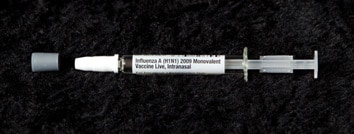
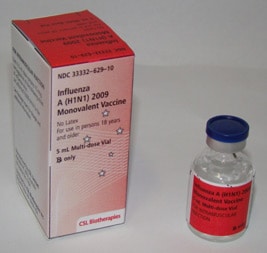
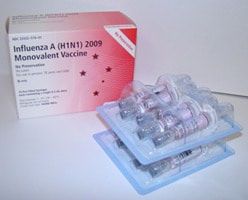
In order to best allocate the initially limited supplies of vaccine, the Advisory Committee on Immunization Practices (ACIP), an independent body of experts that makes vaccine recommendations to CDC, designated target groups to receive the initial doses of the vaccine
Initial priority groups
Pregnant women
Persons who live with or provide care for infants < 6 months (e.g., parents, siblings, and daycare providers)
Healthcare and emergency medical services personnel
Persons aged 6 months – 24 years
Persons aged 25 – 64 years who have medical conditions that put them at higher risk for influenza-related complications
When vaccine became widely available
Anyone aged 6 months and older, including persons 65 years and older
The CDC’s distribution system used to supply vaccine to children through the Vaccines for Children Program was modified and enhanced to speed up delivery of the 2009 H1N1 vaccine
2009 H1N1 vaccine was sent to more than 70,000 direct-ship-to sites across the United States, and CDC estimates that over 116,000 providers signed agreements to receive vaccine and 10,000 retail pharmacy stores received the 2009 H1N1 influenza vaccine
As of April 2010, more than of 120 million doses of 2009 H1N1 vaccine had been shipped
Although each state approached 2009 H1N1 influenza vaccination efforts differently and vaccination rates varied across the United States, school-based vaccination program served as one successful strategy
Based on data from the Behavioral Risk Factor Surveillance System (BRFSS) and the National 2009 H1N1 Flu Survey (NHFS) combined, as of the end of February 2010, between 72-81 million people reported having been vaccinated against 2009 H1N1 flu
Preliminary analysis showed vaccination coverage was higher among children than adults and that more than two-thirds of those who received the 2009 H1N1 flu vaccine were in the initial target groups recommended by the ACIP
Clinical trials of the vaccine conducted by the National Institutes of Health (NIH) found that one dose of 2009 H1N1 vaccine was enough to provide an effective immune response in people 10 years of age and older, and no significant vaccine-related health concerns from the vaccine were reported
CDC and FDA enhanced their ability to monitor the safety of the 2009 H1N1 vaccine and detect any potential problems quickly
Existing vaccine safety monitoring systems were strengthened and new ones were implemented
Objectives for Monitoring Vaccine Safety included:
Identifying clinically significant adverse events following receipt of 2009 H1N1 vaccine in a timely manner
Rapidly evaluating serious adverse events following receipt of 2009 H1N1 vaccine and determining the public health importance
Evaluating if there is a risk of Guillain-Barre syndrome (GBS) associated with 2009 H1N1 vaccine and other specified outcomes
Communicating vaccine safety information in a clear and transparent manner to health care providers, public health officials, and the public
Vaccine Adverse Event Reporting System (VAERS)
The Vaccine Adverse Event Reporting System (VAERS) is a voluntary reporting system
Jointly managed by CDC and FDA
Identifies potential vaccine safety signs
National in scope
Encourages reports from healthcare providers
Accepts reports from vaccinees and others.
Medical personnel conduct daily reviews of the information collected.
VAERS enhancements were made for the 2009 H1N1 vaccines
Enhancements included an increase in staffing to process VAERS reports more rapidly, and an increase in visibility on professional web sites to encourage reporting
As of June 3, 2010…
About 127 million doses of vaccine had been shipped to vaccine providers in the United States
VAERS had received 11,180 adverse event reports
Ninety-two percent were reported as “non-serious” and 7.7% were classified as “serious” health events. This proportion is similar to the seasonal influenza vaccination experience
One hundred and forty-three reports of Guillian-Barre syndrome (GBS) had been reported. In the United States, an estimated 3,000 to 6,000 people develop GBS each year on average, whether or not they received a vaccination
It's important to note that VAERS has limitations, including that it cannot assess causality and receives variable quality of data
A new Web-based active surveillance system was also implemented to prospectively follow tens of thousands of vaccinated people. For more information, see www.myflushot.org
The vaccine safety data thus far have shown that the 2009 H1N1 vaccine has a safety profile similar to seasonal influenza vaccines