
 |
Drug-Resistant TB Drug-resistant TB (DR TB) is spread the same way that drug-susceptible TB is spread. TB is spread through the air from one person to another. The TB bacteria are put into the air when a person with TB disease of the lungs or throat coughs, sneezes, speaks, or sings. People nearby may breathe in these bacteria and become infected.
Causes of Drug-Resistant TBDrug-resistant TB can occur when the drugs used to treat TB are misused or mismanaged. Examples of misuse or mismanagement include
Drug-resistant TB is more common in people who
Types of Drug-Resistant TBMultidrug-Resistant TB (MDR TB) Multidrug-resistant TB (MDR TB) is caused by TB bacteria that is resistant to at least isoniazid and rifampin, the two most potent TB drugs. These drugs are used to treat all persons with TB disease. TB experts should be consulted in the treatment of MDR TB. Extensively Drug-resistant TB (XDR TB) Extensively drug-resistant TB (XDR TB) is a rare type of MDR TB that is resistant to isoniazid and rifampin, plus any fluoroquinolone and at least one of three injectable second-line drugs (i.e., amikacin, kanamycin, or capreomycin). Because XDR TB is resistant to the most potent TB drugs, patients are left with treatment options that are much less effective. XDR TB is of special concern for people with HIV infection or other conditions that can weaken the immune system. These people are more likely to develop TB disease once they are infected, and also have a higher risk of death once they develop TB. TB experts should be consulted in the treatment of XDR TB.
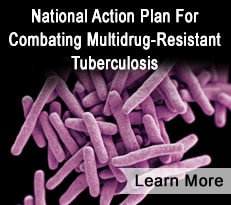
Laboratory Guidance The emergence of Mycobacterium tuberculosis strains that cause XDR TB has prompted the issuance of interim guidelines for clinical and research laboratories handling XDR TB specimens. Prevention of Drug-Resistant TBThe most important way to prevent the spread of drug-resistant TB is to take all TB drugs exactly as prescribed by the health care provider. No doses should be missed and treatment should not be stopped early. People receiving treatment for TB disease should tell their health care provider if they are having trouble taking the drugs. Health care providers can help prevent drug-resistant TB by quickly diagnosing cases, following recommended treatment guidelines, monitoring patients’ response to treatment, and making sure therapy is completed. Another way to prevent getting drug-resistant TB is to avoid exposure to known drug-resistant TB patients in closed or crowded places such as hospitals, prisons, or homeless shelters. People who work in hospitals or health-care settings where TB patients are likely to be seen should consult infection control or occupational health experts. Treatment of Drug-Resistant TBDrug-resistant TB is caused by TB bacteria that are resistant to at least one first-line anti-TB drug. Multidrug-resistant TB (MDR TB) is resistant to more than one anti-TB drug and at least isoniazid (INH) and rifampin (RIF). Extensively drug-resistant TB (XDR TB) is a rare type of MDR TB that is resistant to isoniazid and rifampin, plus any fluoroquinolone and at least one of three injectable second-line drugs (i.e., amikacin, kanamycin, or capreomycin). Treating and curing drug-resistant TB is complicated. Inappropriate management can have life-threatening results. Drug-resistant TB should be managed by or in close consultation with an expert in the disease. Safety Announcement Regarding Fluoroquinolone Antibacterial Drugs The US Food and Drug Administration (FDA) has advised restricting fluoroquinolone antibiotic use for certain uncomplicated infections because of adverse effects from these medications (available at http://www.fda.gov/Drugs/DrugSafety/ucm500143.htm). Specifically, FDA indicated that the risks of adverse effects of fluoroquinolone antibacterial drugs generally outweigh the benefits for patients with sinusitis, bronchitis, and uncomplicated urinary tract infections who have other treatment options. While patients receiving fluoroquinolone antibacterial drugs for tuberculosis (TB) also have a chance of experiencing the adverse effects noted by FDA, fluoroquinolone antibacterial drugs are absolutely necessary for some patients who have drug-resistant TB disease or drug-resistant latent TB infection or who cannot tolerate first-line TB drugs. For these TB patients, there are no better alternatives, and the benefits of fluoroquinolone antibacterial drugs outweigh the risks because TB is not a minor infection, but potentially fatal or debilitating. If you are a TB patient receiving fluoroquinolone antibacterial drugs and have questions, please contact your medical provider or local or state TB control program. If you are a medical provider and have questions about the use of fluoroquinolone antibacterial drugs in TB treatment, please contact your local or state TB control program. Economic Toll of Drug-Resistant TBWhile MDR TB and XDR TB are relatively rare in the U.S., their treatment comes at a terrible price – it is very expensive, takes a long time to complete, disrupts lives, and has potentially life-threatening side effects. A substantial proportion of patients treated for these forms of drug-resistant TB experience serious side effects, including: depression or psychosis, hearing loss, hepatitis, and kidney impairment. The average cost of treating a person with TB disease increases with greater resistance. Direct costs (in 2015 U.S. dollars) average from $18,000 to treat drug-susceptible TB to $494,000 to treat the most drug-resistant form of the disease (XDR TB). When including productivity losses (e.g., lost income) experienced by patients while undergoing treatment, costs are even higher. National Action Plan for Combating Multidrug-Resistant TuberculosisNational Action Plan for Combating Multidrug-Resistant TuberculosisSix Month Progress Report and Forward DirectionRelated Links
For Patients For Health Care Providers
Syndicated Content Details:
Source URL: http://www.cdc.gov/tb/topic/drtb/default.htm Source Agency: Centers for Disease Control and Prevention (CDC) Captured Date: 2016-05-23 22:14:23.0
|


|