
 |
Stories of CDC's Work Around the WorldCDC supports Nigeria in attaining its first internationally accredited public health laboratory The U.S. Centers for Disease Control and Prevention (CDC) has supported the government of Nigeria in achieving its first internationally accredited public health laboratory. The feat occurred with the recent accreditation of the laboratory of the Center for Human Virology and Genomics (CHVG) of the Nigerian Institute of Medical Research (NIMR), by SANAS – the South African National Accreditation System. Bringing free health services to underserved communities “Events like these are not just about numbers and targets, but they are about bringing people together and ensuring that everyone in the community has access to quality screening and linkage to health care.” Dr. Amy Herman-Roloff, CDC South Africa Country Director. Posted November 6, 2017 Promoting open and friendly communication between parents and children When Nokwazi Ndlovu* from Umlazi Township, south of Durban in KwaZulu-Natal, South Africa was raped by her stepfather she told her mother, but her mother didn’t believe her. Instead, she allegedly defended him saying he would never commit such a heinous act. Vietnam: Partnering to Strengthen Laboratory and Surveillance Capacity Global health security has become a priority for many countries and public health agencies worldwide due to recent international disease outbreaks. In February 2014, Vietnam joined the Global Health Security Agenda (GHSA) and was designated a priority country by CDC because of the potential for outbreaks of severe acute respiratory infections (SARIs). Visit to CDC Helps Strengthen Early Warning and Response in Vietnam Global health security relies on a system of early warning and rapid response to control outbreaks. This is especially true for Vietnam due to its geographic location, climate, and high levels of travel and trade across borders with China, Laos, and Cambodia, all of which make the country more vulnerable to the rapid spread of outbreaks. Vietnam is also located in a high-risk region for emerging infectious disease threats, which include avian influenza, SARS, rabies, hand-foot-and-mouth disease, Dengue, and Zika. Posted November 1, 2017 Unsung Heroes of Polio Eradication We recognize World Polio Day on October 24, 2017 as an opportunity to commend the accomplishments of the Global Polio Eradication Initiative (GPEI), along with the unsung heroes of polio eradication who dedicate their lives to end polio and whose work emphasizes the need for continued commitment to achieve global eradication. First-Of-Its-Kind Exercise Tests Cameroon’s Ability to Detect, Respond and Stop Cholera ‘Outbreak’ Health care workers at Cameroon’s Laquintinie Regional Hospital in Douala evaluate and treat actors and mannequins displaying symptoms of choleraon Sept. 13 as part of a simulation testing the country’s improved ability to detect and respond to disease outbreaks. Peer educators stepping up HIV prevention and treatment adherence in prisons “We have seen a shift in how inmates and officials now openly talk about sex, sexual violence and HIV at Zonderwater. HCT uptake is also on the rise as inmates understand that HIV is not a death sentence, and there are peer educators who are there to support them. Condoms are also now widely accessible, something that never happened in the past.” Mr. Masizole Gonyela, Prevention Program Manager at SA Partners Posted October 13, 2017 StepUP goes where others fear to tread to stop the spread of HIV “To have over 20 homeless PWID on ART and to achieve viral suppression with more than half of them is a success because these are people whom one would expect to struggle with adhering to treatment due to the conditions in which they live,” said Angela McBride, PWID Project Coordinator. Driving data innovations: Real-time quality data critical “Looking at data four or five months in arrears is insufficient. The idea is to put yourself closer to the data for immediate identification of progress and required corrective action.” Patrick Nadol, Branch Chief, Epidemiology and Strategic Information, CDC South Africa. CDC Fights Cholera in Cameroon Working with global partners, CDC supported Cameroon’s government in launching its largest-ever oral cholera vaccination campaign, targeting 127,000 people in regions highest at risk for the disease. Cholera prevention activities are part of the Global Health Security Agenda’s Emergency Management project in Cameroon… Human Deaths from Canine Rabies: Zero by 2030 Rabies experts from CDC’s Poxvirus and Rabies Branch (PRB) work in many countries where rabies is still endemic to help set up programs to control, track, and prevent this disease in people and animals. The main areas of assistance include… Practice Makes Perfect (and Prepared) Across the globe, emergency operations centers (EOCs) are a cornerstone of emergency preparedness and response – a place where highly trained experts monitor information, prepare for potential public health events, and gather in the event of an emergency to exchange information and make decisions quickly. STOP Goes Beyond Polio to Support Overall Immunization System Strengthening Around the World 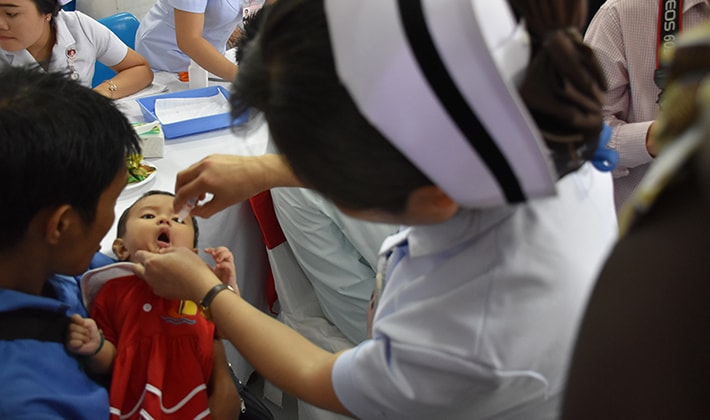
The Stop Transmission of Polio (STOP) Program continues to prove its usefulness beyond polio eradication activities into broader immunization work. CDC: Prepared to Respond and Protect
The 2014 Ebola epidemic in West Africa highlighted gaps in the international community’s ability to respond to a large public health emergency, and the consequences were devastating. There were over 28,000 people estimated to have Ebola and over 11,000 people died… Eliminate Hepatitis: The Importance of Hepatitis B Vaccine Birth Dose
Globally, hepatitis B virus (HBV), the major cause of liver cancer and the 7th leading cause of death worldwide, affects approximately 257 million persons.[1],[2] HBV is a vaccine-preventable disease, and hepatitis B vaccination remains the most effective and cost-saving strategy to prevent infection and its long-term consequences. Posted July 27, 2017 Quietly, Burkina Faso Makes Changes That Protect Health At Home and Abroad
It’s easy to understand why most Americans don’t immediately (or ever) think “Burkina Faso” when asked about places where work is being done to protect them from infectious diseases and fast-moving outbreaks. After all, not many people outside of Africa even know where the country is without checking Google or some other search engine. But that doesn’t minimize the changes and advancements that have taken root in this impoverished, land-locked nation, and why experts from across CDC are actively – and closely – involved. Posted June 29, 2017 Tobacco Control in the WHO Africa Region
Tobacco use is the number one cause of preventable death and disability in the world, with approximately 6 million deaths each year due to tobacco-related illnesses. If current trends continue, this number is expected to increase to more than 8 million deaths per year by 2030. Championing Hypertension Control in Rural India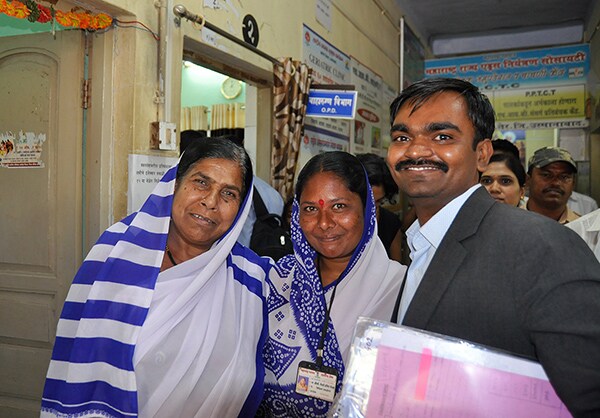
Dr. Arun More is on a mission. As a doctor practicing in rural India, he knows firsthand what happens when people don’t have access to basic preventive services. A Model for Success: Multi-country Response Stops Middle East Polio Outbreak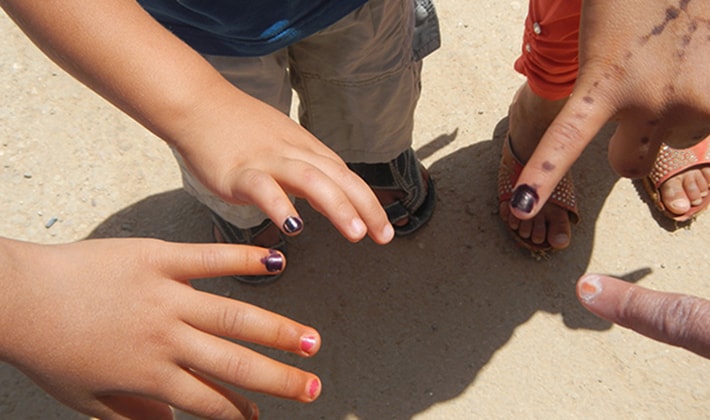
Through the World Health Organization (WHO) and CDC surveillance system known as the Early Warning Alert and Response Network (EWARN), which gathers reports of illnesses from healthcare entities. Government Agencies Collaborate to Boost Viral Load Testing in Nigeria
Healthcare services are often more accessible when government agencies and other stakeholders collaborate for the smooth running of healthcare facilities, instead of working independently as different entities. Such was the case of collaboration in Nigeria… CDC Scientists Working to Protect U.S. Servicemen and Women from Malaria
MCWA was established to control malaria around military training bases in the southern United States and its territories, where malaria was still a problem. Many of the military bases were established in areas where mosquitoes that transmit were abundant… What’s Causing Outbreaks
Diagnostic laboratories are essential to identifying the specific pathogen (bacteria, virus, or parasite) behind an illness. Different pathogens may cause illnesses with similar sets of signs and symptoms. Without laboratory testing, public health officials may attribute the cause of an outbreak to the wrong pathogen… International Chagas Day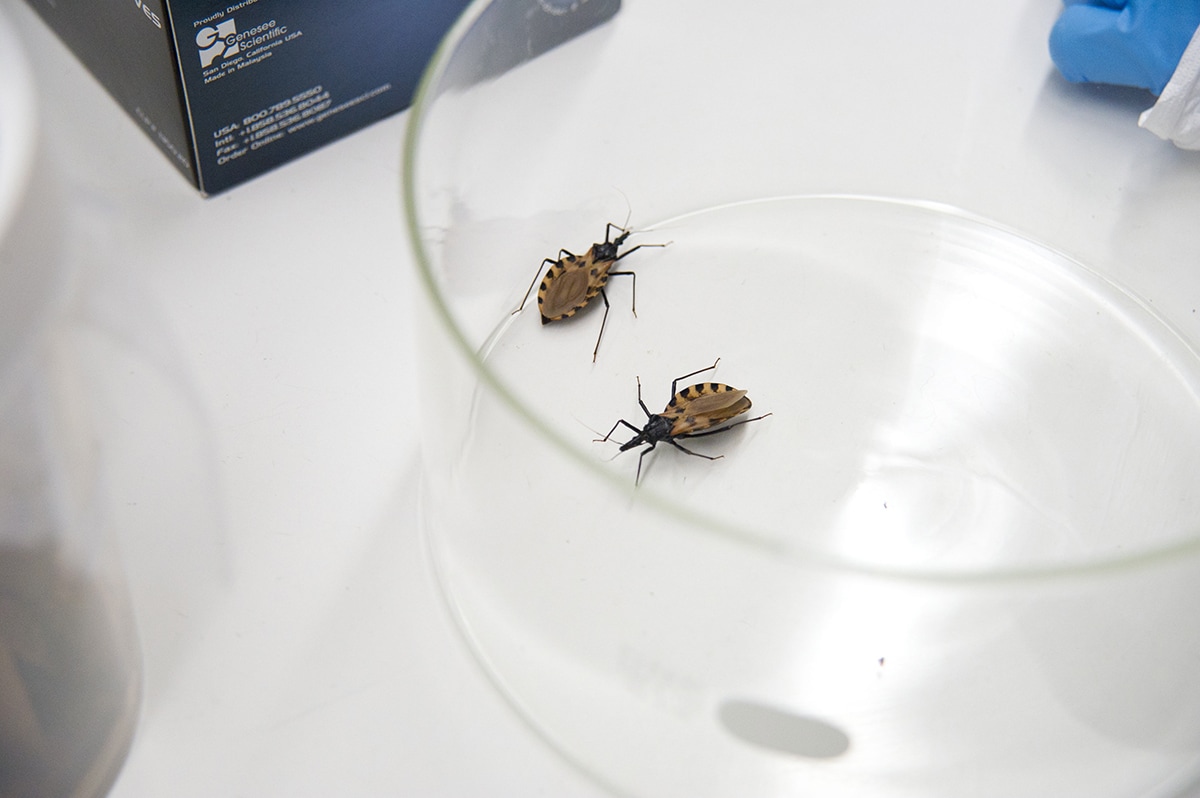
The annual observance of International Chagas Day on April 14 highlights the global health impact of this serious infectious disease. The disease, which is caused by the parasite Trypanosoma cruzi (T. cruzi) and spread by infected triatomine bugs, also known as kissing bug… Medically Assisted Therapy Clinic in Kisumu, Kenya Offers Hope to High-risk HIV Group
CDC Kenya along with key partners celebrated the opening of the Jaramogi Oginga Odinga Teaching and Referral Hospital (JOOTRH) Wellness Center. The JOOTRH Wellness Center is one of six clinics in Kenya that have been authorized to provide medically assisted therapy (MAT) to people who inject drugs… CDC-Uganda’s FETP Fellows Graduate
Benon Kwesiga, MD, a fellow with the Field Epidemiology Training Program (FETP) in Uganda, was a few months into the program when he heard an alarming radio report… Rwanda Hosts the First Regional GIS Training for PEPFAR-Supported Countries in Africa
Rwanda Hosts the First Regional GIS Training for PEPFAR-Supported Countries in Africa… read more Project for HIV/AIDS Prevention and Care Services for People with Disabilities: The UPHLS Story
On December 23, 2016, the Umbrella of Organizations of Persons with Disabilities in the Fight against HIV and AIDS and in Health Promotion (UPHLS) celebrated its 10-year anniversary… Rwanda One of the First Countries to Launch the Differentiated HIV Care Model Nationally
The Government of Rwanda (GOR) successfully launched the national Differentiated Service Delivery Model (DSDM) for HIV/AIDS treatment and service provision on December 1, 2016, at a national event marking World AIDS Day… A Giant Step Toward Polio Eradication
Then imagine getting 155 countries and territories sufficiently organized, coordinated, and invested to simultaneously switch the oral polio vaccine used at every one of their health facilities providing vaccines from one type to another…. Nursing Education Partnership Initiative (NEPI)
Recognizing that achieving sustainable control of the HIV epidemic in South Africa depends on building a workforce of well trained, clinically competent nurses, the Health Resources Services Administration (HRSA), a U.S. Government agency participating in the United States Presidents’ Emergency Plan for AIDS Relief (PEPFAR)… Clinical Mentors Make a Real Difference in Training New Frontline Health Workers in South Africa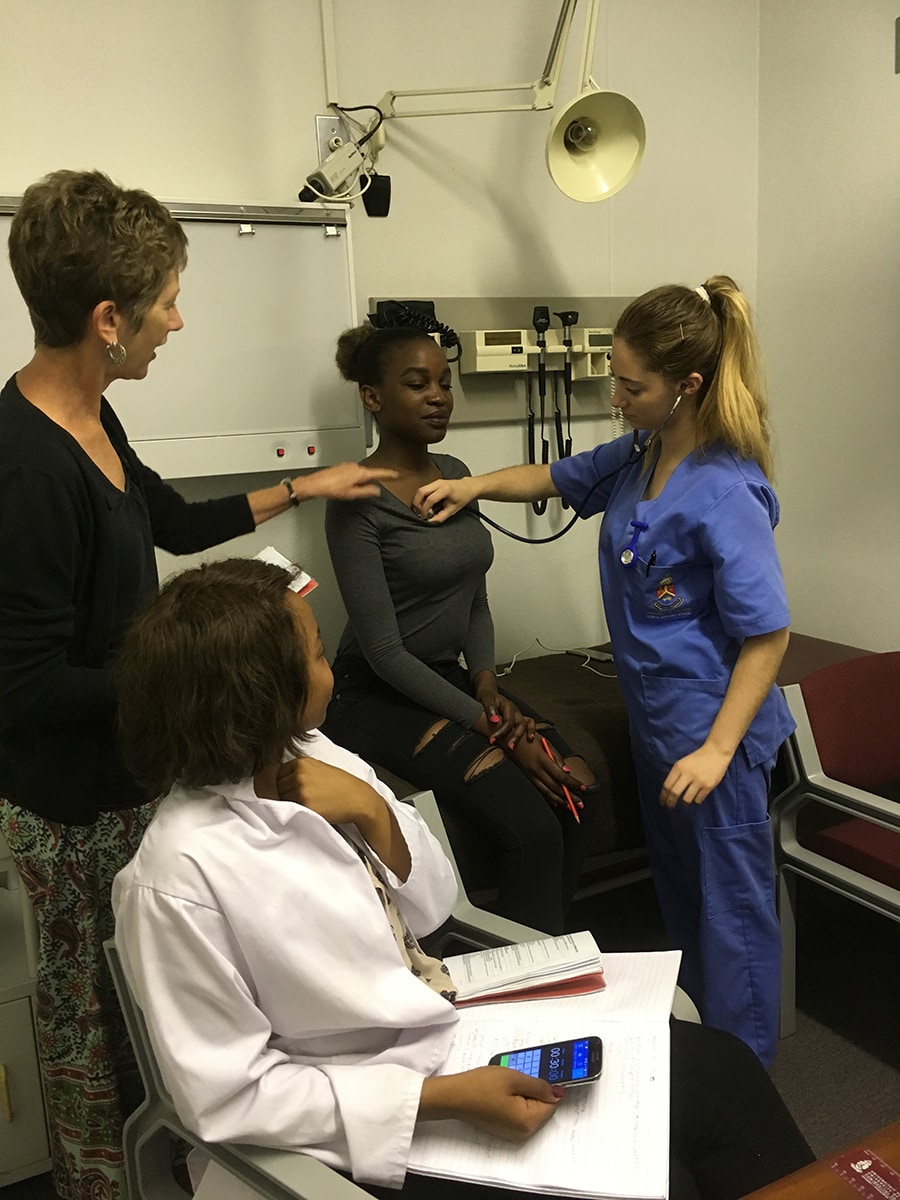
Like many countries in sub-Saharan Africa, South Africa is faced with a dire shortage of qualified health workers. The country is home to more than 51 million people, yet has fewer than 40,000 medical practitioners. About 75 percent of those work in the private health sector … CDC and Emory University Join Forces to Strengthen Responses to Public Health Emergencies
It’s no secret that a passion for health and rapid response is a crucial component of finding and ending disease outbreaks. However, this can only go so far without a solid public health foundation to efficiently and effectively respond to public health emergencies… Beyond Zero intervention strengthens the standard of HIV and TB patient care
A significant improvement of performance of facilities supported by Beyond Zero was reported by the quality improvement assessment conducted periodically at supported sites. The improvement strengthens the nurse’s morale and confidence in managing HIV and TB clients… Taking Health Services to those less Prioritized: Preventative and promotive healthcare outreach for domestic workers and job seekers
Betty Sithole hurried to board the taxi so that she could reach the clinic before it closed. To finish earlier than usual, she had rushed through her day’s chores as a domestic worker in the suburb of Kloof in KwaZulu-Natal Province. Betty and her friends had often discussed the “Know your status” billboards… Sharing and learning to keep people treated and cared for
HST sharing and learning to keep people treated and cared for Over 60 people crowded into the Modimolle Municipality’s Boardroom in Limpopo Province’s Waterberg District. In addition to an excellent turnout of community members, some participants were attending in their working capacities or representing governance structures in the district, such as the Local AIDS Council… A Wealth of new Strategies: Meeting the integration challenge
An old man sitting outside Empathe Clinic in Dundee was remarking to casual listeners that far fewer community members were waiting for services, both within and outside the facility. Was this not proof, he asked, that the nurses were chasing patients away… Early Diagnosis Benefits Everyone: Reducing the incidence of tuberculosis through improved TB screening
Lerato Tshabalala was struggling with a persistent cough, which was not uncommon at her school, especially during the winter months. Her grandmother, with whom she had lived since her mother’s death, encouraged regular school attendance towards getting… Reaching More Men with HCT Testing Services
Men find it hard to go to a clinic when sick because they’re taught from a young age to be strong and persevere. They only end up getting help when the health condition is at its worst stage. Guys find it more difficult to go for an HIV test… DREAMS Event Features Guest Speaker Oprah Winfrey
U.S. Ambassador Patrick Gaspard hosted an audience of young South African women on Friday for what may be a once-in-a-lifetime opportunity to meet global media leader and philanthropist Oprah Winfrey. Ms. Winfrey, who is in South Africa celebrating the sixth graduating class … Sierra Leone (IDSR) (GHSA) in Action
Time is of the essence to prevent clusters of illness from turning into disease outbreaks. Public health workers can take action to prevent the spread of disease, and… Tanzania Surveillance (GHSA) in Action
Tanzania is filling in the gaps of its health facility-based disease surveillance system to rapidly detect outbreaks by leveraging existing local community structures. Recently… Liberia Workforce Development (FETP) in Action
FETP trains field epidemiologists around the world, giving them the skills to collect, analyze, and interpret data to make decisions that can save lives. To keep the world safe… India (AFI) Surveillance (GHSA) in Action
In Western Ghats and other similar regions in India, smaller, remote hospitals often have to either wait weeks for test results from larger district labs or send patients on… World AIDS Day Pre-Event in Kenya – A Celebration of Leadership. Commitment. Impact
Leadership was strongly demonstrated in Nairobi, Kenya on November 29th, 2016, when implementing partners came together to lead the planning and coordination efforts of… Kenyan FBOs Take On HIV/AIDS
When organizations are determined to join hands and work across lines of cultural and religious beliefs, the results are astounding… Empowering young women to have #BigDREAMS
DALC, which ran from Friday, September 9, to Sunday, September 11, 2016, is part of the local implementation by the United States President’s Emergency Plan for AIDS Relief (PEPFAR), and its implementing agencies, namely the Centers for Disease Control and Prevention (CDC) South Africa, and the United States Agency for International Development (USAID)… TB2016: Where to from here?
As a Public Health Specialist and Tuberculosis (TB) Lead for the Centers for Disease Control and Prevention (CDC) South Africa, when I got the go ahead to attend TB2016, a two-day conference dedicated exclusively to this infectious disease immediately preceding the International AIDS Conference… Combatting AMR/HAI in South CaucasusAntimicrobial resistance (AMR). Hospital-acquired infections (HAIs). These chilling phrases have unfortunately become a part of our everyday language. Combatting them is an important element of CDC’s Global Health Security Agenda. In the CDC-South Caucasus Office (CDC-SC), Marika Geleishvili and Beth Skaggs are on the front lines of the efforts to combat AMR and HAIs. Marika is an epidemiologist focused on leading efforts to establish a hospital-based AMR/HAI surveillance network and Beth is the laboratory advisor focused on strengthening laboratory capacity and determining the profile of AMR/HAI organisms….. INSPIRE: Seven strategies for ending violence against children
At least a billion children suffer some form of violence each year, but violence against children is not an inevitable part of life. It is preventable… Ethiopia: Bringing Laboratory Safety Home
As we learned from HIV, Ebola, and other scary microbes, testing a patient’s bodily fluids can be dangerous – even deadly. For laboratory workers who handle these fluids every day, the risk is real and immediate… CDC-Mozambique FETPs Combat Yellow Fever in Angola
Just as FETP Resident Advisor (RA) Tim Doyle was leaving CDC-Mozambique on February 3, 2016 to go to South Africa as its new FETP RA, his plans changed… India: Staying Healthy at “The Biggest Gathering on Earth”
Imagine a gathering larger than the upcoming Olympics in Rio. But instead of descending upon a city, millions of religious pilgrims build their own temporary metropolis of tents along the riverside, waiting their turn to take a dip in the holy waters behind the thousands of sadus, or holy men, who lead the procession to the riverbank before sunrise… 2016 SAFETP Graduates Largest Class to Date
The largest group of South Africa Field Epidemiology Training Program residents to graduate on time, 9 in total, recently completed their training and were awarded Master of Public Health Degrees at the April 2016 graduation ceremony held at the University of Pretoria – a noteworthy achievement. The 9 graduates were part of the group of 13 residents who completed the 2 year residency… Tracking the Global Tobacco Epidemic Among Youth
Tobacco use is a leading preventable cause of morbidity and mortality worldwide with nearly 6 million deaths caused by tobacco use every year. Cigarette smoking is the most common form of tobacco use in most countries, and the majority of adult smokers initiate smoking prior to the age of 18… Disease Detectives Protect Children in Pakistan
When too few people are protected by vaccines, deadly illnesses can erupt and target the most vulnerable – especially children. Outbreaks of childhood diseases like measles, diphtheria, and pertussis are preventable with vaccines, but not everyone has easy access to get them. … Vietnam: Connecting for Stronger Emergency Response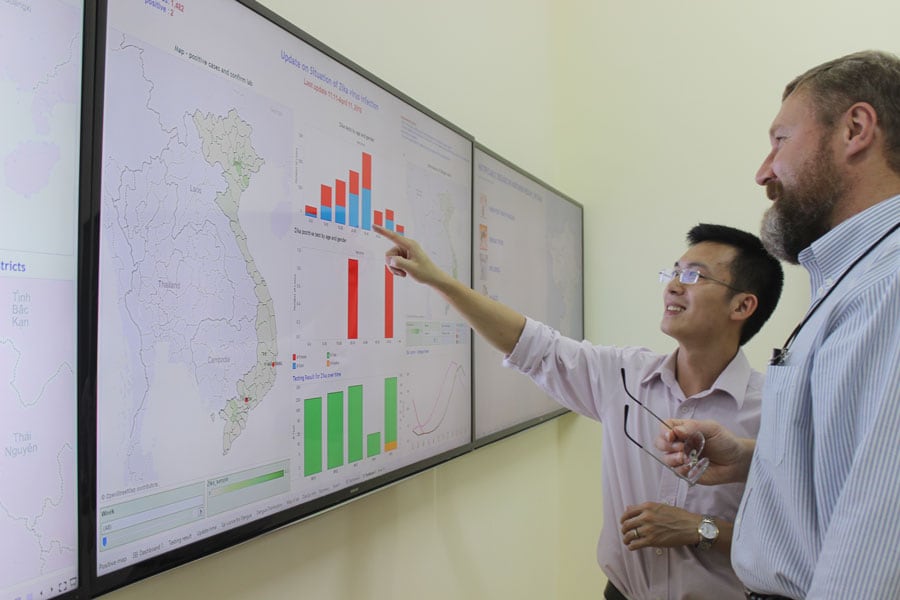
Vietnam is creating a network of EOCs to monitor disease transmission data in real time, bringing outbreak detection and response closer to the source. Each EOC in the network will act as a nerve center for epidemic intelligence, mobilizing responses to public health threats and coordinating with ministries in emergencies. Four interlinked regional EOCs will be able to communicate and share data directly with Vietnam’s national EOC and with international partners… PMI IRS Success in Mozambique Eliminating Lymphatic Filariasis in Haiti CDC Expert at Forefront of Effort to Protect Infants from Syphilis and HIVMary Kamb, Associate Director for Global Activities in CDC’s National Center for HIV/AIDS Division of STD Prevention, found herself squarely in the middle of two historic moments earlier this year… Vietnam: Empowering Communities to Detect Potential Outbreaks Early
A parent hears rumors from other parents about several children bitten by a rabid dog. A teacher sees an unusually high number of children absent from school and hears that they all have similar symptoms. It could be a coincidence. It could be a local disease outbreak. Or it could be the first signs of an epidemic… Neighbors unite to fight Zika across the Americas CDC Vietnam shares HIV/AIDS expertise with Central Asia Region
For more than 10 years, CDC-Vietnam through PEPFAR has been providing scientific and technical expertise to the Government of Vietnam in their fight against HIV/AIDS… US CDC and Vietnam Improve Quality of Care for People Living with HIV in Vietnam
Since 2010, PEPFAR has partnered with the Government of Vietnam, Vietnamese partners, and other international stakeholders to improve the quality of care for people living with HIV/AIDS… Establishing a professional network for HIV/AIDS health care workers
On May 22-23, 2013, international and national HIV/AIDS leaders, health care workers and organizations convened in Hanoi on “Networking for Sustainable Leadership and Management Capacity Building for HIV/AIDS personnel.” … CDC helps strengthen Vietnam’s national laboratory system
Among the basic building blocks of a strong and sustainable national health system are a high quality laboratory system and a trained local workforce, critical components of the CDC mission in Vietnam… CDC Vietnam earns first prize on TB laboratory management poster presentation
The first prize was awarded to a poster on TB Laboratory Management prepared jointly by CDC Vietnam, the Foundation for Innovative New Diagnostics (FIND), Integrated Quality Laboratory Systems (IQLS)… Kickoff workshop to enhance HIV/AIDS research coordination and prioritization in Vietnam
With funding and technical support from CDC, the first workshop to enhance HIV/AIDS research coordination and prioritization kicked off in Hanoi on June 25, 2013… Congratulations to CDC-Vietnam’s Country Director and Associate Deputy Director
In August, Michelle McConnell (left), CDC-Vietnam Country Director, and Jeanine Ambrosio (right), CDC Deputy Associate Director in the Ho Chi Minh City office, received the Ho Chi Minh City (HCMC) insignia for their contributions to HIV/AIDS prevention in a festive ceremony organized by HCMC officials… Government to Government Collaboration Beginning Transition to Next Phase of PEPFAR
On September 6, 2013 in Hanoi, CDC launched another five years of collaboration with the Vietnam Ministry of Health – Administration for HIV/AIDS Control (VAAC), to prevent and treat HIV/AIDS in Vietnam, with funding from PEPFAR… CDC helps Vietnam Laboratories prepare for international accreditation
With financial support from PEPFAR, twelve laboratories in Vietnam celebrated the successful completion of a rigorous and interactive one-year management training program at a graduation ceremony held in Hanoi on August 29, 2013… CDC Vietnam Partners with Vietnam to Improve Healthcare at District Hospitals
On March 27, 2014, the Nam Dinh Health Department of held a workshop to present the results of a pilot project to improve health care services at district-level hospitals in Nam Dinh province (northern Vietnam)… Regional TOT in SLMTA for TB Hosted in Hanoi
CDC/PEPFAR supported the launch of the first Asia regional training of the trainers held in Hanoi in February 2014 to strengthen the quality of TB laboratories and the National TB Program… Another Lab Awarded ISO Accreditation
On January 10, 2014, the microbiology laboratory at the Children’s Hospital #2 in Ho Chi Minh City was awarded international accreditation by Vietnam Bureau of Accreditation… PMTCT Program in Ho Chi Minh City Reviewed
Over 130 representatives from CDC/PEPFAR supported sites recently participated in a program review of PMTCT held in Ho Chi Minh City to share program achievements in the last 5 years and future directions and strategies for the next period… From SLMTA to ISO accreditation: A success story from Hai DHuong Preventive Medicine Center
Since the lab director and quality manager from the preventive medicine center in Hai Duong learned to improve laboratory management through CDC and WHO’s innovative 1-year laboratory improvement program, SLMTA (Strengthening Laboratory Management Towards Accreditation), they were committed and determined to make improvements in their laboratory… National Technical Workshop on People Who Inject Drugs (PWID) and HIVOn July 29-30 in Hanoi, CDC and the Vietnam Administration on AIDS Control (VAAC) hosted the first national technical workshop to share information and identify strategies to address the HIV/AIDS service needs, gaps, and challenges for people who inject drugs (PWID)… CDC Vietnam-Supported HIV/AIDS Leader in Vietnam Receives Humphrey Fellowship
Nguyen Van Hung is known as one of Vietnam’s most effective and tenacious leaders in his country’s battle against HIV/AIDS, having served on the front lines for nearly 10 years… CDC Strengthens Public Health Laboratory Systems in Vietnam
Before Vietnam was selected to be a PEPFAR focus country in 2004, there were no laboratories accredited to an international standard, no HIV testing guidelines, no laboratory national strategic plan, and no quality management requirements or training for laboratory staff… CDC Vietnam improves provincial level laboratory quality management systemsWith CDC’s technical assistance, the Vietnam Administration for Medical Services has been leading national efforts on strengthening the laboratory quality management and held a workshop held on March 17, 2015… Improving the quality of drug addiction treatment in Vietnam
CDC Vietnam and the Ministry of Labour, Invalids and Social Affairs (MOLISA) recently held a closing workshop to celebrate the achievements of a six year project, “Capacity building on drug addiction treatment for HIV/AIDS prevention in Vietnam.”… Improving medical education and reducing stigma in HIV clinics in Ho Chi Minh City
A current priority of the Vietnam Ministry of Health (MOH) is to improve the quality of medical education in the country… Using the peer-driven intervention model to increase HIV/AIDS case finding in Mai Son district, Son La province
A current priority of the Vietnam Ministry of Health (MOH) is to improve the quality of medical education in the country… CDC Global Immunization in the FieldThe theme for this year’s World Immunization Week is “Closing the Immunization Gap” a slogan which challenges countries… Ghana: Quick Laboratory Action Helped Control a Meningitis Outbreak
Assisting with outbreaks usually requires travelling light. But sometimes it requires hauling heavy equipment across the world. When CDC experts were asked by Ghana to assist with a meningitis outbreak, they arrived lugging a PCR machine, an instrument used in a laboratory that can confirm disease diagnoses through molecular detection. The team had carried the machine all the way from their lab in Atlanta… “I Have a 16-Year–Old Boy who Just Came Back From Uganda and I Think He’s Dying…”
By the time Brett Becker was a sophomore in high school, he was already a seasoned traveler to Uganda (a country in East Africa), having visited multiple times to help build a community center for special-needs children… A Lifetime Committed to Eliminating One of the World’s Deadliest Disease Rosemary’s Journey: Kenya’s First Medically Assisted Therapy Program to Reduce HIV Transmission among People Who Inject Drugs
Rosemary traces the scar on her right hand where she used to inject heroin, recounting her 25 years of addiction to the opioid drug. “Sometimes I would miss the vein when I injected myself,” she recalls. In 2012 she developed a severe infection in her hand…. New Hope in Combatting an Old Scourge – Rotavirus Vaccine in Kenya
Rotavirus is the most common cause of severe gastroenteritis among children worldwide. It’s spread by person-to-person contact and is prevalent in every country. It’s a nasty disease that causes diarrhea, which is often accompanied by fever, vomiting, and stomach pain… Senegal: Emergency Operations Center Becomes a Model in West Africa
Senegal’s new Emergency Operations Center (EOC) is starting to be recognized as a model in the region. Dr. Abdoulaye Bousso, the Coordinator of Senegal’s EOC, has been telling colleagues from Ministries of Health across Africa that they need to have an emergency operations center. The World Health Organization has invited Dr. Bousso to Mauritania to help establish an EOC there. Our strategy, says Dr. Bousso, has been “to work and to show them something real with results.” Their results are getting noticed… Mali: A Wider Net Catches Polio
A field epidemiology training program called FETP STEP, which was put in place to address the Ebola outbreak, turned out to also be key in thwarting a potentially devastating outbreak of polio. In September 2015, a 19-month-old child from Guinea crossed the border into Mali with a case of vaccine-derived polio. Drawing on his training, an FETP STEP graduate led surveillance and investigation in the affected district. Through contact tracing, he found that seven other children had been in contact with the child and would need close monitoring. CDC-trained personnel also worked with the Ministry of Health to launch an emergency vaccination campaign in Bamako and surrounding areas, and helped increase monitoring at the border… Cameroon: Global Health Security Effort Gives “Muscle Memory” In How to Fight Disease
Cameroon is taking lessons learned from previous outbreaks to shorten response times through their newly developed Emergency Operations Center, which serves as a role model for global health security success. In one year, experts reduced response time to a health emergency from 8 weeks to one week. When Cameroon’s EOC was activated for the first time in response to a cholera outbreak, it took more than eight weeks to get organized and respond. By the time their full resources were brought to bear on the outbreak, it was nearly over. In sharp contrast, when a Lassa fever outbreak occurred just one year later, that same team took only a week to mobilize and take action… India: Labs Rise to the Challenge
India is improving its ability to detect one of its most common killers: acute diarrheal disease. Epidemiologists, microbiologists, lab technicians, and healthcare staff have been trained and mentored on procedures for stool specimen collection, transport, laboratory testing, and reporting. In just two years, more than 30 outbreaks have been detected and reported in four pilot districts across Tamil Nadu and Gujarat; 2000 samples have been properly collected, transported, and tested. Clinical specimens were tested in 75% of those outbreaks, bringing results on par with some of the best standards in the world… DRC: Bridging the Gap During the Ebola Epidemic
During the Ebola epidemic, disease detectives from the Democratic Republic of Congo brought contact-tracing expertise to Guinea to help find and stop the disease. The DRC has its own history with Ebola, having faced one short-lived outbreak in 1976 and another in the mid-90s. When Ebola briefly returned again in the summer of 2014, a trained team of field epidemiologists helped swiftly put a stop to the outbreak, limiting it to 66 cases… Country of Georgia: Putting Data to Work
Georgia is the first country to take on the challenge of completely eliminating Hepatitis C (HCV) and they’re using a team of international disease detectives to find out how it’s spreading. Teams overcame language and navigation challenges, going door-to-door in remote areas to gather information. Survey results are already informing national strategy: Experts assumed that HCV in Georgia could be traced back to intravenous drug use, reusing syringes, or being previously incarcerated, but survey information indicates that transmission could also be associated with lack of infection control surrounding medical and dental procedures, and even tattoo parlors and manicure salons… Kazakhstan: Improving Laboratories One Step at a Time
As part of a large-scale project to modernize Kazakhstan’s outdated laboratories, the “stepwise” laboratory improvement process is producing immediate and measurable results. Over 15 months of stepwise training, five laboratories were transformed. Each now has a designated quality manager and biosafety officer who teach staff how to meet requirements and do their jobs better. Participating laboratories offer targeted training to other facilities within their region, spreading improvement grassroots-style, one facility at a time… The Importance of Folic Acid: Anifa’s Story
Thailand: Field Epidemiologists Fight Global Health Threats
FETP first took root outside of North America in Thailand as a partnership with the country’s Ministry of Health. In the last 35 years, Thailand’s FETP has helped tackle some of the most lethal public health threats in the region, including HIV, severe acute respiratory syndrome (SARS), botulism, malaria, and the 2009 influenza pandemic. FETP residents were instrumental in identifying high-risk populations for HIV infection in the early days of the AIDS epidemic in Thailand… Thailand: Stronger Labs Improve Detection
Welcoming people into a country without welcoming the spread of infectious diseases can be tricky. Thailand is watching for outbreaks along its borders, using advanced molecular detection and a network of laboratories to provide fast and accurate results on dengue, Zika, and other infectious diseases. In hospitals and clinics along the Thai border, staff from the Ministry of Health identify patients with fever, collect clinical information, transport and test samples, and provide results back to clinicians… Nigeria: How Being Prepared Avoided a Tragedy
Nigeria’s success in containing the Ebola outbreak to just 19 cases in two cities was due to surveillance and response systems already in place. A strong trained workforce through the Field Epidemiology Program (FETP) helped identify and isolate potential cases of Ebola. CDC responders joined 13 Nigerian FETP trainees and 40 FETP graduates to halt the outbreak within three generations of transmission. In total, the team identified 894 contacts, completed nearly 19,000 contact tracing home visits, and reached 26,000 households through a social mobilization strategy. They also established an Ebola treatment unit and trained Ebola caregivers in just two weeks. Also crucial was the Lagos Emergency Operations Center, which had been set up to address the polio outbreak in the country. The EOC housed experienced polio staff who had extensive experience in Nigeria, knew many of the key Ministry of Health officials, and understood the strengths and weaknesses of the nation’s health system… World Cancer Day story
CDC Joins Forces with White House, Other USG agencies to Launch National Plan to Combat Multidrug-Resistant TB in DC
Take a Ten-Country Tour with Global Disease Detectives
Scarcely a week goes by without a grim reminder in the news of the deadly threat of infectious diseases. We don’t know what the next health threat will be, or when it will strike, or where. But we do know what is needed: people on the ground… Kenya Working Hard
When you meet Marlyne, you can sense that she has a strength and determination that belies her tender age. Like many 13-year-old girls in Kenya, she dreams of a better life for herself and her family, and she is willing to work hard to achieve her goals… Protecting the Power of Antibiotics: Lessons from Egypt
Consider this: Alexander Fleming discovered the first antibiotic – penicillin – in 1928, at a time when the world’s population was less than 1/3 of what it is today and commercial air travel was not yet commonplace… World Diabetes Day
Celebrate World Diabetes Day today and every day with a healthy eating plan you can follow for life… Enhancing HIV Care Delivery Systems to Address Noncommunicable Diseases
Hypertension, also known as high blood pressure, is the leading risk factor for stroke. We know that early detection and treatment of high blood pressure can reduce the risk of stroke by up to 40%… U.S. Ambassador Patrick Gaspard and Minister of Health Dr. Aaron Motsoaledi Celebrate One-Year Anniversary of MomConnect and Launch Youth Mobisite, B-Wise
At a ceremony at the KT Motubatse Community Hall in Soshanguve on Thursday, August 20, U.S. Ambassador Patrick H. Gaspard and South African Minister of Health, Dr. Aaron Motsoaledi, commemorated two significant achievements: the anniversary of MomConnect and the launch of a new youth mobi-site, B-Wise… Partnering through PEPFAR to reach young women and girls
As a key partner of PEPFAR, CDC is also one of the lead agencies working to implement two powerful HIV initiatives aimed at reaching children, adolescents, and young women – the Accelerating Children’s HIV/AIDS Treatment program and the DREAMS initiative… Two Initiatives Worth Their Salt: Reducing Sodium Intake in Shandong, China and Philadelphia
Across the world, deaths due to cardiovascular diseases (CVDs), such as heart disease and stroke, are leading causes of death in adults 25 years of age and older… Promoting Sustainable and Integrated NCD Surveillance
Tobacco use is a leading cause of preventable death in the world and a risk factor for four major NCDs: cancer, cardiovascular disease, diabetes, and chronic respiratory diseases… TB, HIV, and Smoking: A Perfect Storm
A study authored by CDC and other TB experts in the August 2015 issue of The International Journal of Tuberculosis and Lung DiseaseExternal Web Site Icon identifies a critical missed opportunity in current TB, HIV, and TB-HIV programs…. 1-1-7 Ebola Call Center
At the 1-1-7 Ebola Call Center in Freetown, over 100 operators work in three shifts to answer questions about Sierra Leone’s outbreak 24 hours a day, 7 days a week… Cigarettes and Beyond: Testing Tobacco Products Around the World
Tobacco use causes 1 in 10 deaths among adults worldwide. The World Health Organization (WHO) Framework Convention on Tobacco Control (FCTC) was adopted in 2003 and fully implemented in 2005… Brazil Leads the Way to Integrating Tobacco Surveys into its National Surveillance System
In 2008, Brazil implemented the Global Adult Tobacco Survey (GATS), a stand-alone, nationally representative household tobacco survey that uses a consistent, standardized protocol in participating countries… Improving Infection Prevention and Control in Sierra Leone
At the height of Sierra Leone’s Ebola outbreak, the walls of Connaught Hospital in Freetown were papered with tributes to dozens of staff members… CDC EIS Officer helps ambulance staff avoid Ebola infection in Sierra Leone
Everyone involved in the effort to get to zero Ebola cases knows a key to controlling the spread is the quick isolation… 10 Years of International Health Regulations: Why They Matter
Ten years ago, in 2005, the countries of the world came together to put a new framework into place that would better prepare the world for public health emergencies… 2015 SAFETP Graduates Setting the Standard
2 South Africa Field Epidemiology Training Programme residents recently completed their training and were awarded Master of Public Health Degrees at the April 2015 graduation… Uganda FETP Gets Crash Course in Disease Detection
On February 6, 2015, the Uganda Ministry of Health (MOH) received word of a “strange disease” that had killed one person, sickened dozens… Emergency Response and Recovery: Typhoon Haiyan, Philippines
In November 2013, Typhoon Haiyan struck the eastern side of the Philippine Islands, home to 11 million people… Strengthening Tobacco Control Surveillance in Pakistan: Experience from the Global Adult Tobacco Survey (GATS)
Worldwide, tobacco use is responsible for approximately 6 million deaths per year… CDC’s Response for Global Hypertension Control
High blood pressure, also known as hypertension, has become a global crisis and is estimated to cause 9 million preventable deaths worldwide… An Update on Global Partners Reaching the Ultimate Goal of Eliminating Epidemic Meningitis as a Public Health Concern in Africa
Worldwide, the largest burden of meningococcal meningitis (caused by Neisseria meningitidis) occurs in the sub-Saharan Africa meningitis belt… Ebola: Getting to Zero
Progress has been made in the year since CDC first responded to the Ebola outbreak in West Africa, but these efforts must continue until there are zero new cases…. CDC Launches FETP-STEP in Cote d’Ivoire and Other High-risk Unaffected Countries in West Africa
Although significant progress has been made in controlling the spread of Ebola in West Africa, CDC remains vigilant in building surveillance capacity in the West Africa region… Improving TB/HIV Service Delivery and Health Outcomes in Ethiopia: A Profile of Dr. Beniam Feleke
Dr. Beniam Feleke has played an integral part in Ethiopia’s response to its TB and HIV epidemics…. Scaling-Up TB Infection Control Practices in the Central America Region: A Profile of Dr. Diana Forno
Dr. Diana Forno is a physician and licensed surgeon in Guatemala and has extensive experience working…. Ashley’s Story: How One Little Girl Survived Some Serious Birth Defects
During her first trimester of pregnancy, Kayte Thomas went in for a routine ultrasound. Her heart sunk when…. Reducing Sodium Intake
The global burden of deaths due to cardiovascular diseases (CVDs) such as heart disease and stroke are a serious public health concern globally…. Increasing Cervical Cancer Screening Coverage in the United States and Abroad
Cervical cancer is one of the leading causes of cancer deaths in women worldwide. In 2012, more than 500,000 new cases were diagnosed and more than 250,000 women died from cervical cancer globally…. Elizabeth Glaser Pediatric AIDS Foundation (EGPAF)
EGPAF has been working in Malawi to reduce the rising number of HIV infections—using motorcycle couriers. Malawi currently has no national laboratory sample transportation network, and it is up to districts to organize the transportation of samples…. A Fellows South African Experience
Jessica Radzio is an Associate Service Fellow with the HIV Drug Resistance and Chemoprophylaxis Activity…. Haiti Earthquake: Remembering help and hope 5 years on
January 12 marks five years since Haiti was hit by a devastating 7.0 magnitude earthquake. More than 200,000 lives were lost and another 2 million people were displaced when their homes were destroyed… People on the Move: Reaching Mobile Workers in the Dominican Republic
With impressive results in the battle against HIV/AIDs in cities and towns, public health officials in the Dominican Republic are now devoting attention and resources to a more scattered and hard-to-find population – so-called mobile workers…. At risk in paradise
The wealth from the platinum mines has not reached the locals; the majority of those employed by the mines are migrant labourers from other parts of the country…. Access is everythingNo amount of education or goodwill will have any great impact if there is no infrastructure in place to deliver results… Rise, young women, rise
“It is well accepted in South Africa that the most vulnerable population for HIV infection is young women 15-24 years old and those living in informal settlements are even more at risk… Strengthening Capacity: Keeping it Simple and Realistic in India
India is a big, bustling, multidimensional place, full of achievements that are both impressive and surprising. India, for example, is the largest democracy in the world and has the world’s largest postal system, the longest road network, and the most English speakers of any country on Earth… Success in Cambodia: The Disappearance of Measles! (With Rubella Not Far Behind)
When something disappears, people tend to panic, except when what has gone missing is a dreaded disease like measles. Cambodia hasn’t reported a single confirmed case of measles since November of 2011, while its neighbors continue to face outbreaks, illness and death from this vaccine-preventable disease… Beginning Life Anew: An HIV Free Child
For all couples, the prospect of bringing a child into the world brings joy and excitement as well as concern about their future child’s health. But for couples in which one or both partners are living with HIV, health concerns make the decision to conceive a child a difficult one… CDC Supplements Ebola Assistance to Liberia, Sierra Leone, and Guinea by Preparing Neighboring Countries to Rapidly Detect and Contain Ebola
As of October 31, 2014, CDC has deployed 361 epidemiologists, public health analysts, communication specialists, and other staff to help control the spread of Ebola in heavily affected countries. In parallel effort, the Agency is shoring up defenses in countries that border Sierra Leone, Liberia, and Guinea… Study to determine effectiveness of HIV prevention and treatment launched
Epicentre, a CDC South Africa funded partner that specializes in public health interventions that prevent and manage health conditions and diseases through surveillance… The effects of unregulated trade and consumption of dog meat on rabies control in Southeast AsiaExtensive evidence suggests unregulated transport of dogs as a food source can derail rabies control efforts. Studies in Southeast Asia have found approximately 2 out of every 100 dogs intended for consumption are rabid… Moving Haiti Closer to Rabies Control
Jacque was a 40-year-old carpenter who made furniture to support his family of five. They lived in a small two-room house in the mountains. One day Jacque started feeling bad and stayed home from work. He kept getting worse and then couldn”t walk so his family called the witch doctor who performed several rituals… Rabies in Ethiopia and the initiated elimination project in North GondarThe human-animal interface is accelerating, expanding, and becoming increasingly more consequential. Over the past three decades, approximately 75 percent of emerging human infectious diseases have been zoonotic… Rabies is a disease that has no boundaries!
As part of an Ethiopian rabies project sponsored by Ohio State University, I traveled and interviewed local residents in towns and villages about their general knowledge of this disease. Many had seen rabid dogs, known individuals who were bitten, and even had family members who died from it. “Be warned: these dogs won’t look like what you expect!”… Closing the Loop in Medical Diagnostic Laboratory Testing Phases
Laboratory diagnostic tests play a critical role in the provision of relevant healthcare services…. CDC Sings the SLMTA song with NHLS
On Friday, 25 July 2014 at the National Health Laboratory Service (NHLS) Campus in Sandringham, Johannesburg, the African Society for Laboratory Medicine (ASLM) announced…. A Positive Result
Jabhile Gloria Nkosi, aged 49, lives in Thabo Village, Extension 3 Breyten, Mpumalanga. She is a talented seamstress and a proud, strong woman. She is also HIV positive – and this is her story…. CDC & Global Health Security: Partnership in Africa
Global health security is more important now than ever. New diseases are occurring and spreading, drug resistance is rising, and more laboratories are working with dangerous bacteria and viruses. Even though global travel and trade increase these risks, progress is being made to address these challenges through U.S.-Africa partnerships… Partnership between the Pakistan FELTP and the Pakistan Armed Forces to Improve Skills in Applied Epidemiology and Outbreak Response in Pakistan
In Pakistan, as with many countries around the world, when a natural disaster occurs, the armed forces are normally called upon to assist. Recent examples in Pakistan include the earthquake in Kashmir in 2005 which killed more than 75,000 persons and the devastating floods in 2010… Chikungunya: A new mosquito-borne disease hits the Western Hemisphere, including the United States
Health officials at the Centers for Disease Control and Prevention (CDC) and all across the Americas have been tracking the spread of the chikungunya (pronunciation: chik-en-gun-ye) virus since December 2013 when it was first discovered in the Caribbean on Saint Martin… Back to the Basics
Focus on the basics. This was the primary message CDC Director Dr. Tom Frieden shared with CDC-South Africa partners on a recent whirlwind visit to the country in June… We have a winner!
Dr. Adam L. Cohen, U.S. Centers for Disease Control and Prevention (CDC) South Africa’s Influenza Program Director in the South Africa Regional Global Disease Detection Centre, on June 6, 2014 was announced as one of the winners of the prestigious 2014 Charles C. Shepard Science Award in the Assessment Category… Mass Gathering Preparedness – A Global Health Security Victory for All at World Cup in Brazil
Thirty-two teams are set to take their shot toward victory at the 2014 Fédération Internationale de Football AssociationExternal Web Site Icon (FIFA) World Cup this summer. Brazil is geared up to host more than three million fans from all corners of the world… Importance of Communication in Outbreak Response: Ebola
As the crowd at the U.S. Embassy in Conakry, Guinea was gathering in early April, Craig Manning decided to play a hunch, even though—on paper—the meeting could have been mistaken for yet another routine and unremarkable exercise…. Train, Motivate, Mentor: Strengthening Immunization Systems in East Africa
The “clues” were everywhere. And in this case in rural South Sudan there were as many rumors as facts about an outbreak of yellow fever in Aweil, Northern Bahr el Ghazal State. So when Surveillance Officer David Deng began investigating, he followed a newly-learned approach that stressed discipline, thoroughness and data… U.S. Departments of Health and Human Services and Health Resources and Services Administration Senior delegates visit partner supported sites in South Africa
During a four-country trip to Southern Africa, Health and Human Services (HHS) Assistant Secretary Jimmy Kolker and Health Resources and Services Administration (HRSA) Administrator Mary Wakefield visited sites supported by HRSA through the Presidents Emergency Plan for AIDS Relief (PEPFAR). HRSA has supported PEPFAR programs since 2004… Over 80 000 reached in a 3 day health screening campaign across South Africa
The Rotary Family Health Days (RFHD’s) is a Health Programme ran in all nine provinces in South Africa over three days to bring free, comprehensive and holistic health care service to people in disadvantaged communities in both rural and urban areas across South Africa… CDC South Africa celebrates World TB Day with NICD/NHLS
A select few CDC South Africa staff celebrated World TB Day on 24 April 2014 by attending the National Institute for Communicable Diseases (NICD) National Health Laboratory Service (NHLS) “Getting to zero TB: Tackling HIV and TB drug resistance” event at the NICD/NHLS campus in Sandringham, Johannesburg… The Beginning of the End of Malaria in Haiti?“Test before treatment,” Jeanine Hyppolite repeats the words over and over like a mantra. “I was very impressed by that. It works.” Jeanine is standing in the Solino Health Center in the Haitian capital, Port au Prince, and she’s describing the effects of the national malaria program training she attended … Dr. Adam L. Cohen nominated for prestigious Charles C. Shepard Science Award
U.S. Centers for Disease Control and Prevention (CDC) South Africa’s Influenza Program Director in the South Africa Regional Global Disease Detection Centre, Dr. Adam L. Cohen, was recently nominated for the prestigious Charles C. Shepard Science Award… SURVAC Helps Improve Disease Detection and Response in Central African Countries
Elisabeth Pukuta Simbu is a biologist at the national laboratory in the Democratic Republic of the Congo where she and her colleagues detect devastating vaccine preventable illnesses such as rotavirus diarrhea and bacterial meningitis…. On the Path to Sustainability: Combination HIV Prevention and Surveillance and Control of Sexually Transmitted Infections among Key Populations in Central America
In Central America, the HIV/AIDS epidemic is concentrated with low prevalence among the general population, but high prevalence among certain sub-groups… Lymphatic filariasis: Komi’s Story
Komi began farming at the age of eleven. He always loved the land in his village of Pouda in the Doufelgou district of Togo, West Africa. He took pride in providing for his wife and five children… Success Stories: Disease Detectives in Ethiopia, Part 2
A strange illness was spreading throughout Tigray, the northern region of Ethiopia. The Ethiopia Ministry of Health and Ethiopia Health and Nutrition Research Institute (EHNRI) asked CDC and other partners to help them investigate… Success Stories: Disease Detectives in Ethiopia, Part 1
A strange new illness was spreading throughout Tigray, the northern region of Ethiopia. In this dry, mountainous area, people living in remote homes and villages were coming down with what appeared to be the same unknown disease… Baby Hope’s Battle With TB
In Kenya, an 8-month-old baby girl named Hope was very ill—she was losing weight and her mother, who was also ill, didn’t know what was wrong… Thinking outside the Box: Innovations in Preventing Hepatitis B at Birth
Babies born into this world deserve a shot at being healthy. One of the best ways to give babies a good, healthy start is to get them the vaccines they need, when they need them… Strength in Numbers: Nigeria & CDC Work to End Polio
The question seems so simple: How do you finish the job when success seems so close? It’s being asked right now by public health officials in Nigeria, along with partners from CDC… Strength in Numbers: Nigeria & CDC Work to End Polio
The question seems so simple: How do you finish the job when success seems so close? It’s being asked right now by public health officials in Nigeria, along with partners from CDC, as they endeavor to eliminate the last remaining cases of polio in one of the few places on earth where the disease still exists… Vaccine Research Will Accelerate Eradication of Polio
The 21st century has seen a multitude of public health victories. Among them is the elimination of wild polio virus (WPV) in over 100 countries worldwide, thanks to successful vaccination programs… Associate Professor Before 29 Years
One of the Centers for Disease Control and Prevention (CDC) South Africa’s own team, Dr Ehimario U. Igumbor, an epidemiologist in the Epidemiology and Strategic Information Branch, made the cover page of the December 2013 issue The Nigerian Voice … Ambassador Gaspard hands over R 3.5 million CDC-funded medical equipment
CDC, partnering with the Institute for Youth Development South Africa, handed over medical equipment to the Eastern Cape Department of Health for targeted clinics… Egypt: Investigation Continues After Wild Poliovirus Is DetectedHealth Organization declared Egypt polio free and two years after the last reported case, wild poliovirus has popped up in the capital, Cairo, after routine testing . The Importance of Folic Acid: Anifa’s StoryAnifa is an 18-month-old girl who was born with spina bifida, a serious birth defect of the spine. Like most children with spina bifida, Anifa is paralyzed and has no bowel or bladder control. She lives with her family in a village in Nigeria where there is no primary health center to help her. Seasonal Influenza: Austin’s Story, the Call to Get Vaccinated, and Global Progress Toward PreventionOn a winter morning two years ago, a previously healthy, athletic 17-year-old boy named Austin Booth awoke feeling ill, but took some medicine and pushed through his day the best he could. The next morning he was coughing up blood; his mother called the doctor, who sent him immediately to the emergency room. Identifying risks and changing behavior protects the lives of village doctors in rural China
China has the second highest Tuberculosis (TB) burden in the world with 5.23 million TB patients; approximately 350,000 of these have multi-drug-resistant (MDR-TB). Many TB patients in China are low-income rural residents who often first seek medical care in village clinics. Making childbirth safer helps China, U.S. CDC, and WHO reduce the threat of chronic hepatitis B virus and neonatal and maternal tetanus
In 2012, the World Health organization recognized China for two major public health accomplishments. The nation exceeded the WHO Western Pacific Regional goal of reducing the prevalence of chronic hepatitis B virus infection among children less than five years of age and eliminated neonatal and maternal tetanus. Culturally appropriate care for a unique population living with HIV/AIDS in rural China
The Yi ethnic minority is one of the most ancient populations in China. Culturally and linguistically distinct from the Mandarin-speaking Han ethnic majority, the Yi have historically faced significant barriers to medical care and have the highest rate of HIV/AIDS among China’s 56 ethnic groups. Foodborne disease in China – Physician behavior change helps both patients and public health
In China, physicians often prescribe antibiotics without conducting proper laboratory tests. “Testing often does not give positive results and it takes time, so I would rather treat my patients rather than wait for nothing,” said one physician from a general hospital in Guangdong. A new approach for Couples Testing and Counseling is adopted nationwide in China
Xaio Lin and Wang Kai participated in a male couples HIV counseling and testing program at Chengdu Tongle Gay Care Organization. The test results showed that Xiao Lin was HIV-positive and Wang Kai was HIV-negative. Discovering influenza disease and economic burden
Influenza is one of the leading causes of illness and death in children, and young children play a key role in the spread of influenza in their families, schools, and communities. One World, One Health – Studying the link between animal and human disease transmission in China
China is one of the few countries that has been affected by the Highly Pathogenic Avian Influenza H5N1 endemic, and U.S. CDC’s presence in China offers the two countries an opportunity to collaborate on research on this global health problem. Promoting global public health security, U.S. CDC and China CDC conduct a national assessment
PUBLIC HEALTH THREATS ARE ALWAYS PRESENT with their potential fiscal, political, and social implications that threaten a nation’s health security. A dynamic approach to preparedness ensures success, not just for responses to pandemics… Improving HIV Diagnosis and Linkage to Care: Point-of-Care Tests
While antiretroviral therapy is now more widely available in Kenya, expanding clinical and laboratory services and providing better linkage to care for those who test HIV positive is critical to ensuring that more people receive HIV care and treatment. CDC in Thailand: 30 years of partnership in improving health and preventing disease
CDC recently marked 30 years of collaboration with the Thailand Ministry of Public Health (MoPH). This partnership has created new disease prevention and intervention strategies that have saved lives and improved health in Thailand and across Southeast Asia and increased health security of the U.S. Sweetness in the South, Saltiness in the North, Freshness in the East, and Hotness in the West
Gao Yujuan doesn”t suffer from hypertension but it does affect her life. Yujuan’s parents are among the 160 million people in China with hypertension. Hypertension is a major contributor to heart disease and stroke, both of which are leading causes of death in China. Partnerships Bolster African Labs
Adequate diagnostic capacity is key to improving global health… Fostering Ownership of Childhood Immunization Data in Democratic Republic of Congo
Imagine having to balance your check book to decide if you could afford to make a major purchase if you had no idea of how much money you have in your account or how much you’ve spent. The best you can do is guess. In order to effectively balance your check book and make your purchase, you need accurate information (data)… Lymphatic filariasis: Indumati’s story
Before becoming involved with one of India’s programs that help people with lymphatic filariasis (LF) manage their symptoms, Indumati was one of the millions of LF patients with little hope that her pain, social isolation, and disfigurement would ever improve… Defeating Diarrhea: CDC and Partners Tackle Causes and Consequences in Kenya and Beyond
“What if we lost 50 city buses full of children today?” asks Michael Beach, the associate director for healthy water in CDC’s National Center for Emerging and Zoonotic Infectious Diseases. “That’s 2,195 children—the number who die daily of diarrhea around the world. That’s more than die from AIDS, malaria, and measles combined… CDC South Africa is Proud to Announce the Recent Graduates of the South African Field Epidemiology and Laboratory Training Program
Eight South Africa Field Epidemiology and Laboratory Training Programme residents completed their training and were awarded Master of Public Health Degrees at the April 2013 graduation ceremony held at the University of Pretoria… CDC and Partners Protect Haitian Children against Vaccine Preventable Diseases
Immunization is considered the first line of public health defense and one of the most efficient and cost-effective public health interventions in the world. CDC is working in Haiti to increase national vaccination coverage for all routine vaccines and introduce new vaccines to protect children from preventable diseases. CDC and global partners kick start new communications strategy to encourage polio vaccinations in Democratic Republic of Congo
While the Democratic Republic of Congo (DRC) had been one of the countries that had stopped polio transmission in the past, poor vaccination… ASLM 2012, Addressing the Fundamental Strengthening of Laboratory Systems to Improve Healthcare and Save Lives in Africa
The U.S. CDC’s role in the global health response is multi-faceted, and at the core is the agency’s role in establishing and strengthening international laboratories … Winnie Mandela Male Sexual Health Clinic Celebrates its 10,000th Circumcision in 2012
Inspiring quotes about innovation and working together plaster the walls at the Winnie Mandela Male Sexual Health Clinic in Tembisa, South Africa, based in a township outside of Johannesburg… FELTP Graduates Are Ready to Serve Public Health in South Africa
“Diseases don’t respect boundaries. Outbreaks can create opportunities to bring public health awareness and parties together to solve problems,” said Seymour Williams, MD, Resident Advisor for the South Africa Field Epidemiology and Laboratory Training Program (SA-FELTP)… The ‘Lab in a Bag’ PIMA Machine Brings Life-saving Treatment One Step Closer to People Living with HIV
Professional Nurse Counselor (PNC), Angie Satira, walks comfortably with a small canvas bag slung over her shoulder… GeneXpert’s Speedy Diagnosis gets Patients onto TB Treatment Quicker
In the rural setting of the South African province of KwaZulu-Natal (KZN), where extreme weather and mountainous terrain can often make roads impassable, the journey to a TB diagnosis can be long and difficult… Circumcised patient praises the McCord Hospital in Durban, South Africa
Cato Manor is a township located 16 miles from Durban’s city center. it is home to an estimated 93,000 people who settled in the area through mass invasions in the late 1980s and early 1990s… Strengthening Laboratory Services and Systems in the Caribbean Region
A strong national public health laboratory system is essential for detecting and responding effectively to HIV and other diseases… Building to Last: CDC Partner Leaves Proud Legacy in South Africa
On a sweltering February day in East London (affectionately known as Buffalo City) in the Eastern Cape province of South Africa, representatives from the regional South African government… Strengthening the African Health Workforce
In response, CDC launched a four-year initiative, the African Health Profession Regulatory Collaborative for Nurses and Midwives (ARC), that builds the capacity of nursing and midwifery regulatory councils in east, central and southern Africa. Uganda Blood Transfusion Service Headquarters
In the early years of the global HIV/AIDS epidemic, a safe blood supply was a critical concern for stopping the transmission of HIV for developed and developing countries alike. Laboratory Accreditation Program to Strengthen Health Systems
On July 27, 2009, in Kigali, Rwanda, with critical support from CDC’s Division of Global HIV/AIDS, 140 host government laboratory personnel, health experts and policymakers from 12 African countries… Public-Private Partnership Strengthens Global Laboratory Systems
Deficiencies in the health care systems in most countries supported by the U.S. President’s Emergency Plan for AIDS Relief (PEPFAR) are enormous, and no single entity… Improving Blood Safety in Uganda
In the early years of the global HIV/AIDS epidemic, a safe blood supply was a critical concern for stopping the transmission of HIV for developed and developing countries alike… Siyayinqoba: Beat It! Conquers Fear of HIV Testing
Siyayinqoba Beat It!, a South African magazine show produced by the Community Health Media Trust (CMT) discusses hard-hitting topics about people living with HIV… CDC Meets With African Countries to Discuss Influenza Surveillance
CDC influenza representatives met with experts from twenty-three African countries to discuss their influenza surveillance achievements. As a next step, the group is looking forward to publishing an article highlighting fifty years of influenza surveillance in Africa…… PMTCT: A Winnable Battle in South Africa
At the 5th South African AIDS Conference in June in Durban, South Africa, South African and CDC researchers presented on new evidence that the country is winning the fight against the HIV and AIDS epidemic… Director of Center for Global Health visits CDC-Zambia
On October 31-November 2, 2011, Dr. Kevin De Cock, Director, Center for Global Health, visits CDC-Zambia offices to meet with Zambia Minister of Health, U.S. Ambassador in Zambia, and CDC partners in-country. As part of his visit, Dr. Kevin De Cock, presented “Global Health 2012” at Grand Rounds at the University Teaching Hospital in Lusaka, Zambia… Providing Treatment for Migrants in South Africa – Community AIDS Response works with the most needy at Johannesburg Central Methodist Church
The Johannesburg Central Methodist Church sits amid thriving businesses and skyscrapers in the city’s bustling downtown. The church is both a place of refuge and a place of controversy… SANBS South African Transfusion Medicine Training Center
In February 2010, South Africa’s blood safety services took a major step forward with the opening of the technologically advanced South African Transfusion Medicine Training Center in Johannesburg. Funded by PEPFAR through CDC South Africa, the training center features lecture rooms, video conferencing… Lillian and Baby Rose: An HIV-Positive Mother Gets Help From CDC
Lillian, a 20-year-old mom living in rural Nyanza province, first met Dr. Abraham Katana during her first antenatal visit at the Siaya District Hospital. She was five months pregnant and just learning she was HIV-positive… Passionate Volunteers Take HIV Prevention to Their Neighbors in Namibia
A blanket of yellow eshosholo flowers covers the hillside neighborhood where Elizabeth Eichas and her husband make their home. The flowers are a bright, hopeful reminder of Namibia’s long rainy season. From her hilltop home, Eichas, who is HIV positive, spreads a different kind of hope… Saving Lives and Protecting People in Nigeria
As a recent graduate of Kenya’s Field Epidemiology and Laboratory Training Program (FELTP), Dr. Nguku was sent to Nigeria when the first human case of influenza A H5N1 virus was reported in Africa in 2006. In Nigeria, he was part of a team that helped track down the cause of the outbreak… Addressing Noncommunicable Diseases in China
Global health is now facing a dramatic transition. For the first time in human history, around the world more people are overweight than underweight, and more deaths occur among adults than children… Improving the Lives of Children in Kenya
In April 2011, Everline, a resident of the Kibera community in Kenya, was approached by a community mobilizer. Talking with him was normal to her, but this time the information he had was different. He came to talk to her about a seasonal flu vaccine study that was being carried out by KEMRI/CDC… Using U.S. Strength to Make a Difference in the Lives of Children
When Zara Ahmed and her U.S. Government colleagues began reviewing high-priority needs to be included in Rwanda’s Global Health Initiative Strategy, they did not know they would end up developing an innovative partnership… Pediatric HIV Network Reaches Thai Citizens with a Message of Hope
In 2005, Nantikan, then eight years old, developed a rash. For many caregivers, a rash would not inspire panic, but Nantikan’s aunt and primary caregiver, Kulton, recognized its importance. “Nantikan’s sister died, then six months later her mother died, so we thought it would be important to have her tested,” said Kulton. “I thought she might have HIV.” Sierra Leone: A Symbol of a Healthier Future
Opening a laboratory is rarely accomplished in one year’s time. In a country like Sierra Leone, which is still recovering from a decade-long civil war, it is even more difficult. But over the past year, CDC, the Sierra Leone Ministry of Health, and a host of global health partners have managed to do just that… A New Model of Care for Children
In a small, brightly colored room, a young boy sits at a table, drawing a picture. A woman sits nearby, pointing out shapes in the drawing and asking the child questions. The situation would be familiar at nearly any daycare facility around the world. But in many hospitals in Thailand, the scene also now includes a new model of pediatric HIV counseling… A Pharmacist Motivated by Inspirational Women
Fredrick Ochenge moves quickly and efficiently around Tabitha clinic’s small pharmacy, filling up bottles, counting out pills, and chatting happily with everyone he encounters. When he calls a patient’s name, they are met at the dispensary window by his wide smile and a warm greeting, as he carefully explains each medication’s use, dose, and precautions… A Promising New Career in the Slums of Kibera
It has been six years, but Kennedy Odero can still remember perfectly the day he first crossed paths with CDC-Kenya. “I was attending a local church function, and I heard an announcement that the CDC was looking for people to train as community health workers,” recalls Odero. “At the time, I had another job, but it was not utilizing my skills appropriately.” … Coordinated Campaign Against Nodding Syndrome in Uganda
Since the early 1960s, there have been reports of a mysterious disease affecting children in Africa, which causes uncontrolled head nodding (particularly in the presence of food), seizure-like activity, and in many cases, death. This illness is referred to as “Nodding Syndrome” after its most notable symptom… The Snowball Effect—Battling Malaria on a Global Stage
In a district hospital in western Kenya, more than 200 mothers and children crowd into a small room, hoping to be seen by the hospital’s one outpatient healthcare worker. Inside the hospital is an even bleaker scene. Two, three, or even four seriously ill children lie piled on a single hospital bed… From Epidemic to Elimination—Ending Epidemic Meningitis in Sub-Saharan Africa
“It takes a village to protect a village.” For Dr. Thomas A. Clark, epidemiology lead for CDC’s Meningitis and Vaccine Preventable Diseases Branch, these are words to live by, especially in Sub-Saharan Africa, which suffers from what he calls “the one-hundred-year-old problem” of meningitis. The region has long been hit by what he calls “explosive epidemics”… Improving Health for Kenya’s Refugees by Building Laboratory Capacity
Not far from the Somalia border in Kenya lies the town of Dadaab, home to over 300,000 refugees in what is the largest refugee camp in the world. Refugees travel long distances, often by foot, without adequate food, water, sanitation, or shelter… CDC and partners are “doggedly dedicated” to eradicating polio
The global effort to eradicate polio is the largest public health initiative in history. Since 1988, CDC has contributed to global efforts to eradicate the disease and strengthen the capacity of countries to control other deadly and debilitating childhood diseases. At the 126th Session of the Executive Board of the World Health Assembly in January 2010… One Woman, One Community, Many Gains
Jemima is a woman living with HIV in rural western Kenya. That, alone, does not make her unique. After all, rates of HIV in that region are among the highest in the world. Even so, Jemima set aside worries about her own infection and went to work. A go-getter, she founded a group in her community that offers emotional support and small loans to families touched by HIV… Laboratory Accreditation Program to Strengthen Health Systems
On July 27, 2009, in Kigali, Rwanda, with critical support from the CDC Global AIDS Program, 140 host government laboratory personnel, health experts and policymakers from 12 African countries launched the first-ever World Health Organization (WHO) AFRO -accreditation program… Global Health Initiative Executive Director Opens CDC-Supported Uganda Blood Transfusion Service Headquarters
Lois Quam, Executive Director of President Obama’s Global Health Initiative (GHI), who visited Uganda from February 21-26 to support the Ministry of Health’s effort to reduce maternal deaths, joined the Honorable Ambassador… Meet Hassan: HIV Counselor Reaches the Hard-to-Reach Communities in Nigeria
Riding donkeys, motorcycles, and bicycles and walking along rugged roads for long distances are just a part of Hassan Mohammad’s daily routine. Hassan is a community health extension worker and team lead of the HIV Testing and Counseling Unit at Tsafe General Hospital… Public-Private Partnership Strengthens Global Laboratory Systems
Deficiencies in the health care systems in most countries supported by the President’s Emergency Plan for AIDS Relief (PEPFAR) are enormous, and no single entity – neither governmental and non-governmental organizations nor industry – can meet these challenges alone… Improving Blood Safety in Uganda
In the early years of the global HIV/AIDS epidemic, a safe blood supply was a critical concern for stopping the transmission of HIV for developed and developing countries alike. Over the years great strides have been made in improving blood safety, but it continues to be an ongoing challenge in developing countries… A Cautionary Tale: A Family’s Ordeal with Malaria
Fatai and Hanifat Adisa and their baby Mariam moved from Nigeria to the United States 10 years ago… More Than Just “Jet Lag”
Kelly Granger in Ghana with her djembe, a traditional Ghanian drum made from carved wood and goatskin… A Cautionary Tale: One Traveler’s Ordeal with Severe Malaria
Mr. Ver Wys was returning home after spending three weeks in Haiti working for Friend Ships, a humanitarian group based at Port Mercy in Lake Charles… A Cautionary Tale: Pregnancy, Travel and Malaria
In June 2005, Mariama Jones was living in a comfortable house in Lawrenceville, Georgia, near Atlanta, with her husband Samuel, 10-year-old son Ahmed, and 2-year-old daughter Sonya… Malaria Visits a Child in Africa
The child in this story (Courtesy: The Ifakara Health Research and Development Centre and the Rufiji District Council Health Management Team, Tanzania)… A Cautionary Tale: The Risks of Unproven Antimalarials
Tom Miller has made several trips for missionary and medical purposes over the last 25 years to countries such as Kenya, Haiti, Peru and Russia… Syndicated Content Details:
Source URL: http://www.cdc.gov/globalhealth/stories/default.htm Source Agency: Centers for Disease Control and Prevention (CDC) Captured Date: 2016-05-23 22:24:15.0
|


 Set an ambitious goal. Collaborate with local leaders. Train. Prepare. Implement. Succeed. The words are easy to put on paper but it’s another thing altogether to make them work in real life. Especially in a place like Mozambique…
 “Commitment equals success.” Simple and direct as that is, the Division of Parasitic Diseases and Malaria’s Dr. Pat Lammie is convinced it’s the key to eliminating lymphatic filariasis (LF) in Haiti…
 “Central America is unique in that everyone is close to each other. If there’s an emergency in Guatemala, it is likely that an outbreak in Honduras or El Salvador will soon follow,” says Luis Hernandez…
 The quest to cure tuberculosis (TB) is more than 15,000 years old. On World TB Day each year, we celebrate the discovery of the tubercle baccilus by Robert Koch, MD, in 1882…
 Worldwide, more than 300,000 babies are born with serious birth defects of the brain and spine each year. Read Anifa’s story and find out what CDC is doing to help…
 On February 4, CDC joins people, organizations, and government agencies around the world in exploring how everyone can help prevent and control cancer…
 CDC in partnership with other U.S. government agencies, public health stakeholders, and global partners joined the White House today to help launch the “National Action Plan for Combating Multidrug Resistant TB (MDR TB)” in Washington, DC…
 |